




Navigating Sustainability: Pros & Cons of Clean Fleet Technologies
When weighing the choices, fleet managers must decide to integrate clean technologies into existing operations or invest in entirely new vehicles built with sustainability in mind.
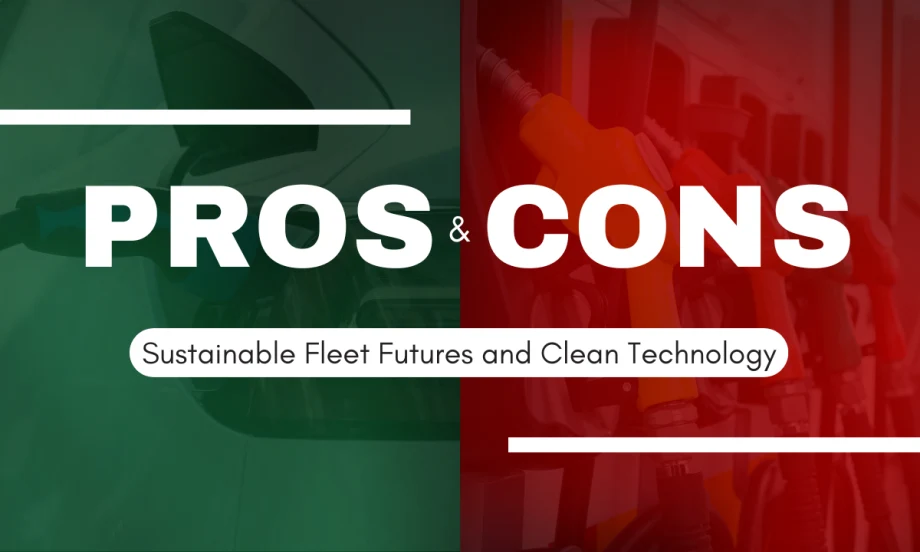
The future will see a mix of clean technologies suited to different needs and applications. Understanding these options and considering the unique factors of your fleet is crucial.
Photo: Automotive Fleet
As fleet managers across the U.S. increasingly prioritize sustainability, the conversation is no longer about if we should adopt cleaner solutions but how.
According to a recent Shell Fleet Solutions survey, 65% of fleet managers list sustainability as a top priority. However, achieving sustainable fleet operations can feel like navigating a labyrinth of options, regulations, and emerging technologies.
We're entering a "peak complexity" period, where the transition to greener fleets is compounded by new emissions standards and evolving state and federal regulations. The good news is that fleet managers have many options to make their operations more environmentally friendly.
The key is to avoid getting siloed into a single technology. The future will see a mix of clean technologies suited to different needs and applications. Understanding these options and considering the unique factors of your fleet is crucial.
Factors to Consider in Fleet Sustainability
When evaluating sustainability options for your fleet, it's essential to take a holistic view, looking at factors such as:
Vehicle mileage:High-mileage vehicles may require different fuel technologies than lower-mileage ones.
Fleet age: Older vehicles may be less adaptable to new technologies without significant retrofitting.
Vehicle usage: Is your fleet transporting goods, performing road repairs, or functioning as energy vehicles? Each application demands different energy solutions.
Fleet size/vehicle turnover: Larger fleets with frequent turnover may benefit more from investing in long-term clean solutions than smaller, stable fleets.
Costs: Upfront and operational costs vary across clean technologies, and cost-benefit analyses should guide decisions.
Exploring Your Clean Technology Options
Fleet managers now have multiple clean technology options at their disposal. Here are the key contenders:
Renewable Natural Gas (RNG):
Pros: RNG is a cleaner alternative to fossil fuels, utilizing organic waste to produce energy. It reduces lifecycle greenhouse gas emissions and can be used in existing natural gas vehicles.
Cons: While RNG reduces emissions, its availability and infrastructure remain limited in certain regions.
Hydrogen:
Pros: Hydrogen fuel offers zero emissions and quick refueling times.
Cons: Infrastructure is still developing, and the production process must become greener to realize its full potential.
Zero Emission Vehicles (FCEV/BEV):
Pros: Battery-electric and fuel-cell electric vehicles are emission-free at the point of use, ideal for short-haul and urban operations.
Cons: High upfront costs, range limitations for BEVs, and charging/refueling infrastructure still need to be improved for widespread adoption.
Biofuels:
Pros: An emerging option, biofuels offer a renewable energy source and can work with existing diesel engines.
Cons: While promising, biofuels are still under study, and scalability is questioned.
What I think: Biofuels will be part of the industry's future, especially as research and development progress.
Integration vs. Building Something New
When moving to sustainable fleets, fleet managers can integrate clean technologies into their existing operations or invest in entirely new vehicles built with sustainability in mind.
Integration may be more cost-effective for fleets looking to retrofit while building something new, which offers the potential for long-term savings and greater environmental impact.
The Road Ahead: Uncertainty and Opportunity
With new legislation on the horizon, uncertainty looms over the fleet industry. What is certain, however, is that sustainability is the future of commercial transport. Ecomobility is not a trend; it's the direction we're moving as an industry. The time to evaluate your options is now.
At Landi Technologies, we're committed to helping fleet managers navigate these complexities. Whether you're looking to integrate clean technology into your existing fleet or start fresh with the latest sustainable solutions, we can guide you through the process and ensure you make the right choice for your business and the environment.
More Green Fleet
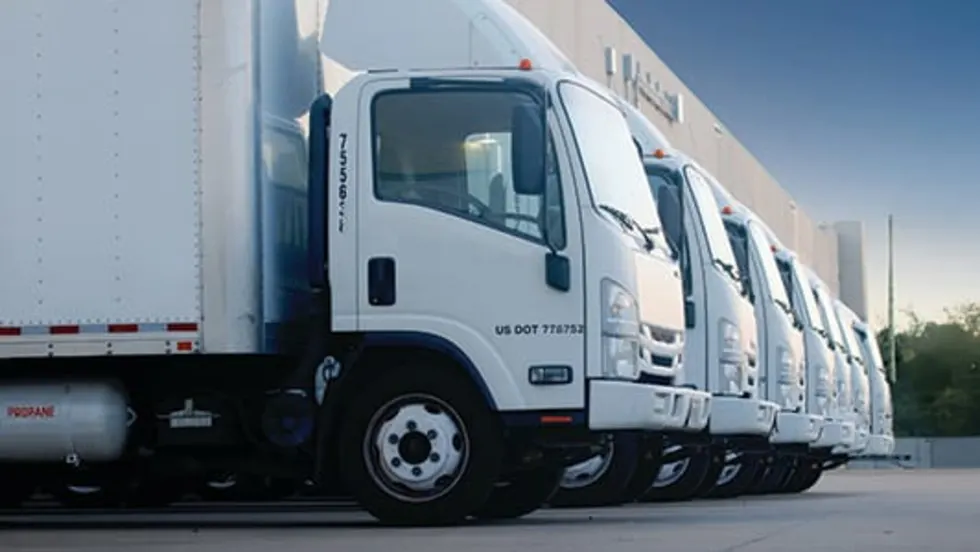
New Propane Autogas Program Offers Fleet Compensation
Qualified commercial fleets can receive $7,500 per eligible propane autogas vehicle and up to $10,000 for new refueling site prep. Learn how the program works and see whether your fleet qualifies.
Read More →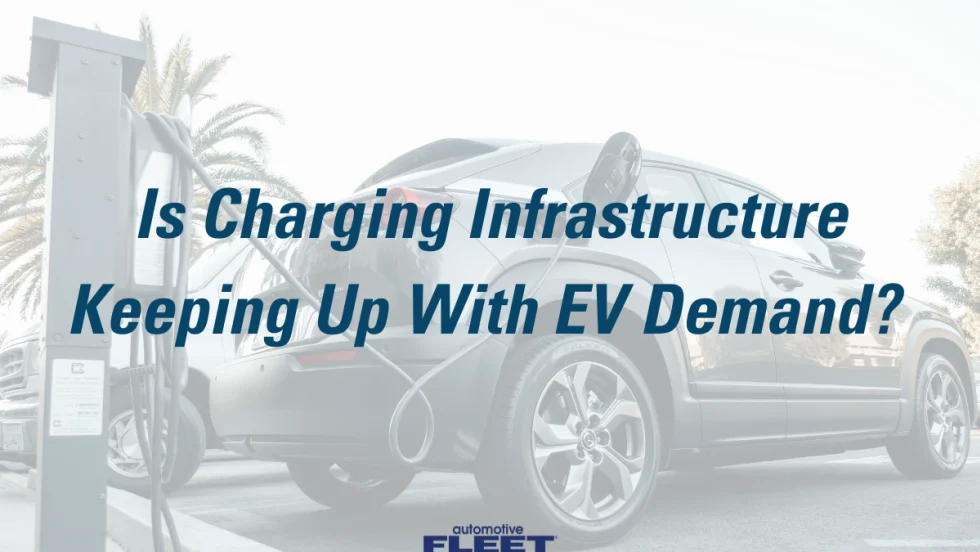
EV Charging Use Is Outpacing Infrastructure Growth
ChargePoint’s 2026 Charging Forward Report points to rising charger use, higher-powered charging, commercial vehicle electrification, and energy-management technology. Here’s what fleets should know.
Read More →
Merchants Fleet Reports 290M EV Miles as Fleets Navigate Changing Electrification Market
From millions in operating savings to hundreds of millions of EV miles, Merchants Fleet’s latest report reveals what’s working and what’s changing in fleet electrification.
Read More →

The EV Breakdown Nobody's Talking About: Why Most Electric Vehicle Roadside Calls Aren't Mechanical Failures
Here's why EV breakdowns are widely misunderstood.
Read More →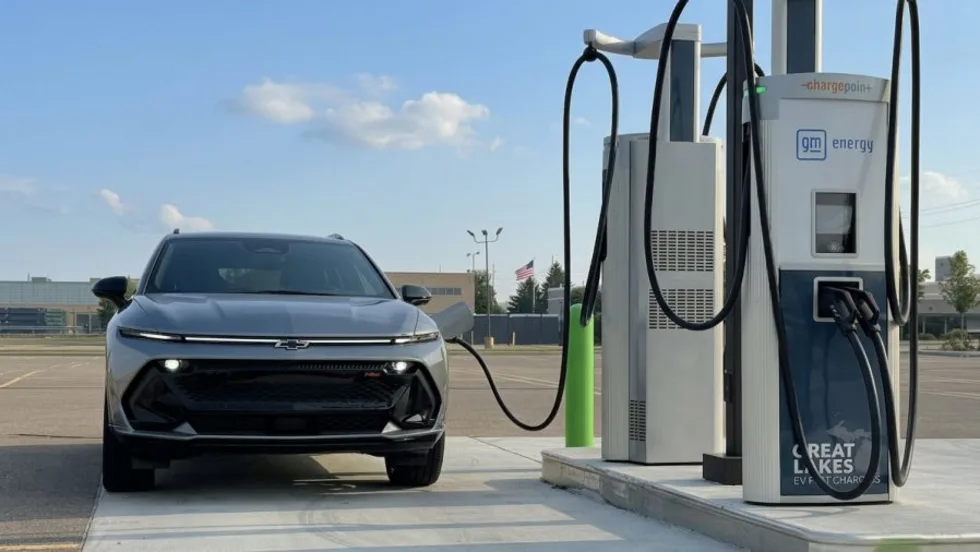
ChargePoint Now Available in Energy Pass
ChargePoint and additional planned charging network integrations were added to GM's Energy Pass.
Read More →

First Look: Slate Auto's Electric Fleet Pickup
Could an affordable, modular EV pickup make electrification more practical for fleets?
Read More →
Slate Debuts Colorful, Unique EV Models
A recent media and client event, studded with electric vehicles dressed up on platforms, planted a new position for the manufacturer in the wider EV market. Fleets will find cost-saving advantages.
Read More →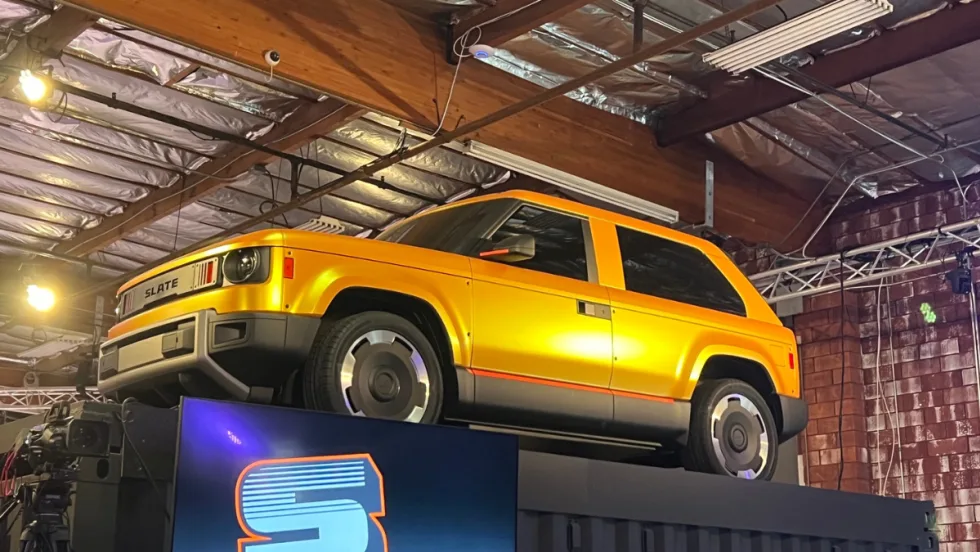
Slate Electric SUV, Pickup Switchable Model Aims For Light-Duty Fleets
Everything about this EV is counterintuitive and understated, making it stand out from the crowd.
Read More →
Inspiration Mobility Acquires Key Electrada Assets
Inspiration Mobility Group has acquired select assets of Electrada, adding the fleet electrification provider's team, technology, and charging infrastructure development capabilities to its energy management business.
Read More →