




Want More? Tips for Navigating the Increase in Available Fleet Technologies
7 Things to Consider When Picking Your Fleet Management Platform
A breakdown of features to look for and factors to weigh when shopping for a comprehensive fleet management system, a must in today’s data-driven world.

Christy Grimes・Former Senior Editor
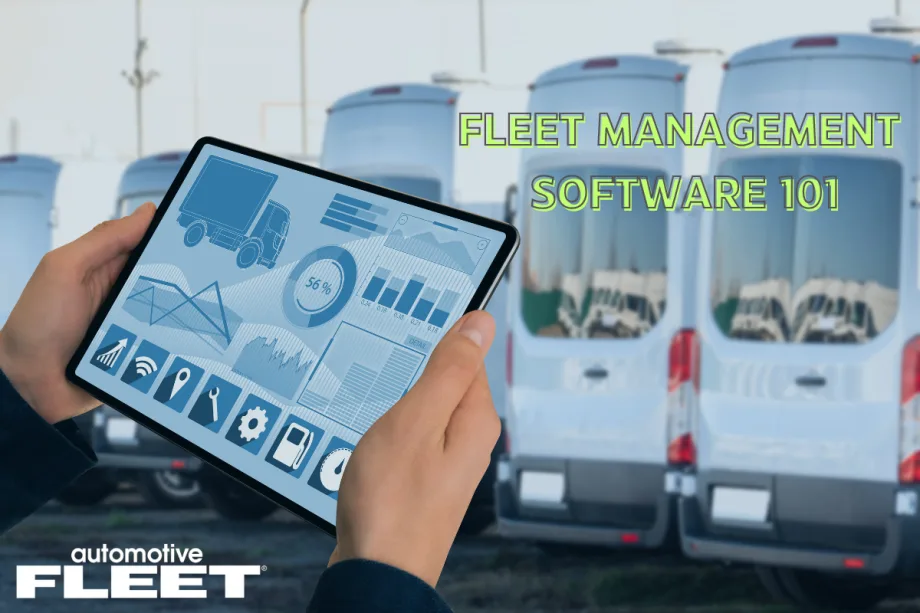
When shopping for a fleet management solution, see if the solution is scalable. You may not currently need all the features available, but you might down the road.
Photo: Automotive Fleet
4 min to read
In 2024, it’s nearly impossible to manage a fleet with pen and paper alone. Comprehensive fleet management platforms not only sort and store important information, but they also eliminate the risk of human error and provide real-time data.
If you’re searching for a new fleet management platform for your commercial fleet, there are several things you should consider. In a recent Automotive Fleet webinar, Veronica Ng, senior product marketing manager for Verizon Connect, shared what factors to keep in mind when choosing your fleet management platform.
Figure out what data you need to track: Fleet management systems can offer a variety of features to help you meet certain goals. Here are a few examples of things fleet management platforms can help you with, using data they collect:
Vehicle and asset tracking
Vehicle maintenance reminders and diagnostics
Idling and fuel consumption
“What a comprehensive fleet management system is able to do is give you a unified view, what we call a 360-degree view of how your fleet is performing. All these different aspects have the ability to really scale up based on the needs of your fleet as it changes over time,” Ng said.
See if the solution is scalable: While you may not currently need all the features available in a comprehensive fleet management platform, you may down the road. For example, you may not have electric vehicles or plug-in hybrids now, but you likely will someday. Does the platform offer insights for these vehicles like remote battery level tracking? See which features are available that you may use someday.
Check out what kinds of insights the solution can offer: With the digitization of fleet management, data overload is a real concern for many. You have a place to store the data, but what do you do with it? Many fleet management platforms use machine learning and artificial intelligence to locate patterns like harsh driving behaviors or idling habits.
When the solution points out these patterns, it can help you make more informed decisions on things like driver coaching needs. After coaching, you can then continue to monitor the data from a specific driver to see whether they curbed their poor driving habits.See if the platform integrates with other third-party solutions: Find a system that allows you to extend your core telematics functionality with an array of software partners that provide services like storing data from fuel transactions, asset tracking, automatic vehicle maintenance updates, OEM fleet management software, and more. You don’t want to pick a platform that does not integrate with other fleet software solutions. These solutions are meant to ease your day-to-day tasks, not make them more complicated.
“When you're combining multiple tools in one dashboard, you have the ease of a simple login. You don't have to maneuver between different places where you have a spreadsheet here, a log over there, or maybe I have to go look at the whiteboard for some route planning. So there is this element of ease when you have all these different tools and features in one dashboard,” Ng explained.Consider ease of use and installation: Take the platform for a test drive. If you have trouble figuring out how to use it, it likely won’t do its job of helping make your job easier. Test some of the features, see how to find data you need, and determine whether these are tasks you or other members of your team can do easily.
Inquire about learning resources: You can address the learning curve that comes along with any new technology by using resources readily available from the provider. Is there a library of on-demand training resources to help you and your team learn the technology? What is customer support like? Is customer support available 24/7?
Calculate how much you want to spend: When comparing different solutions, figure out how much you can invest in the purchase. Many fleet management platforms offer similar solutions, but at different price points. Be sure to weigh this as you’re shopping for your platform.
Once you’ve considered these factors, it’s much easier to determine which fleet management platform is right for you. No matter what, it’s crucial to find a solution that can provide you the data you need to run your fleet smoothly.
“In order to achieve maximum efficiency and productivity, you really can't work without great data insights at this moment. A comprehensive fleet management system gives you an end-to-end solution that really supports your fleet management objectives,” Ng said.
You can watch the full Verizon Connect webinar On Demand here.
Subscribe to Our Newsletter
More Operations
Here's When You Should Make an Exception to Fleet Policy
Fleet policies are designed to create consistency, but not every driver or situation fits neatly within standard rules.
Read More →
AI-Native or AI-Acquired: What Should Fleet Managers Look for in an AI Platform?
Six questions can help fleet managers look beyond AI marketing claims to evaluate integration, data access, and real-world operational performance.
Read More →
Sponsored•October 14, 2026
A buyer's guide to fleet management software in 2027
Buying fleet management software in 2027 means looking beyond features and price. As fleet operations, technology and expectations evolve, this guide explores what today’s fleet professionals should consider when choosing a system that can deliver value now and adapt to what comes next.
Read More →

What Will Shape the Next Era of Fleet Management?
EVs, AI, and autonomous vehicles are reshaping fleet management. Discover what’s ahead—and how fleet leaders can prepare for the next era.
Read More →
How Fleets Can Recruit and Train Veterans for Technician Roles
Here's how the technician shortage has affected uptime for fleets, and what to do about it.
Read More →
Avis Budget Group Deploys Neology Toll Management Technology Across Major Brands
Neology’s neoFleet platform will manage toll transactions and toll-authority operations for vehicles across Avis, Budget, Payless, Budget Truck and Zipcar.
Read More →
Fleet Personal-Use Charges Edge Higher in 2026
Nearly eight in 10 surveyed fleets allow personal use of company vehicles, while just over half of respondents report charging employees for the privilege.
Read More →
The Future of Fleet + What’s Changing Right Now | AF News Recap
Could developments overseas offer a preview of what’s coming for U.S. fleets? This week, we’re looking at the future of AI, autonomy, and electrification, plus Ford Pro’s new certified pre-owned program, smarter vehicle offboarding, and a new way for fleets to manage toll expenses.
Read More →
How to Handle Vehicle Offboarding
What do fleet managers need to do when a driver leaves?
Read More →
Sponsored•October 1, 2026
Fleet Manager’s Ultimate Playbook: Navigating the New Standard in OEM Connectivity
Rising operating costs, driver safety concerns, and unplanned downtime are putting unprecedented pressure on modern fleets. Discover how fleet managers use embedded OEM connectivity and real-time vehicle data to cut TCO, prevent downtime, and protect drivers without aftermarket telematics hardware.
Read More →