




How to Prevent Rear-End Collisions
Rear-end collisions are becoming more common, especially now, with the rise of the mobile office and more distracted driving. No matter the vehicle type, fleet drivers have to remain vigilant and take the necessary precautions.

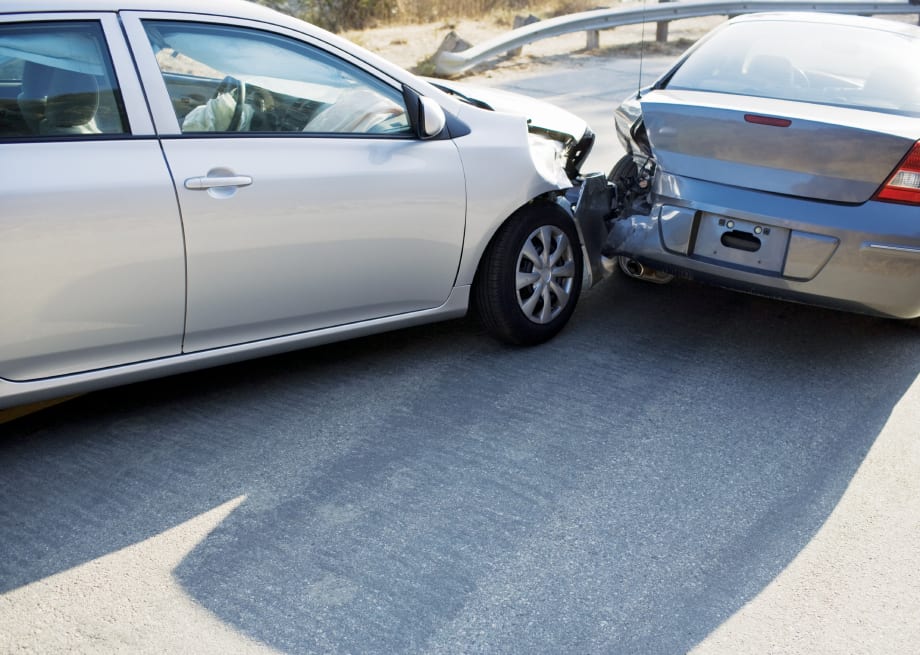
Photo courtesy of iStockphoto.com.
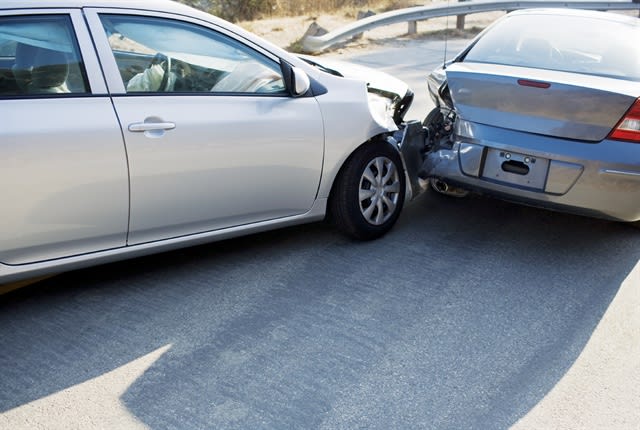
Photo courtesy of iStockphoto.com.
Fleet drivers are spending more time behind the wheel with their company-provided vehicles becoming mobile offices. As this trend rises, so does the risk of rear-end collisions.
Rear-end collisions account for approximately 1,700 deaths every year and injure 500,000 more, according to data from the National Transportation Safety Board (NTSB).
Fleet drivers have to be equipped with proper training and tools that could protect their lives, vehicles, and those around them.
Recognizing the Common Causes
As fleet managers develop their fleet safety programs and the type of training their fleet drivers should receive, they need to understand the common causes of rear-end collisions.
“Fleet drivers have three times higher exposure, and three times the risk to get into a rear-end collision,” said Lori Olson, fleet sales director for Pulse Protects, a plug-and-play device used to combat rear-end collisions.
And it comes as no surprise that the leading cause of rear-end collisions is distracted driving. Because fleet drivers may be trying to use a GPS app or contact a dispatcher, they may take their eyes off the road.
“Other contributors to rear-end collisions are speeding, tailgating or hazardous weather,” Olson said.
As inclement weather sets in, the fleet driver needs to adjust his or her driving behavior to accommodate for the road ahead.
“Impaired driving is another reason why rear-end collisions occur,” Olson said.
Impaired driving isn’t just driving while under the influence of alcohol. It could be caused by drowsy driving or certain types of medication.
The main takeaway for fleet drivers is to remain alert at all times. Cell phones, sipping coffee, or changing the radio station can wait. Keeping their eyes on the road and being aware of their surroundings takes precedent.
“Drivers have forgotten that, when they are behind the wheel, that’s not the office, it’s time to drive,” Olson said.
Combating the Situation
The practical approach to preventing rear-end collisions is providing driver training. Fleet managers can introduce this training as soon as the driver is hired.
“If fleet drivers aren’t doing the training, or a strong emphasis is not being placed on safety, then there will be a rise in collisions and expenses,” Olson said.
There is also technology available to fleets that can aid in the prevention of these collisions. Collision avoidance systems (CAS) that are being equipped on some vehicle lineups or plug-and-play devices can make a real dent in the frequency of rear-end collisions.
Another more common way a fleet driver can prevent distracted driving is to put his or her phone on airplane mode, this will help eliminate the urge to look at the phone or text.
With new or experienced drivers who may have been involved in a rear-end collision, fleet managers or the fleet safety program coordinator should schedule ride-alongs to observe firsthand how they’re driving.
“The best preventative measure that fleet managers can take, is to integrate vehicles into their fleets that are equipped with autonomous emergency braking and collision avoidance systems — either from the OEM or an aftermarket provider,” Olson said.
More Safety
IIHS Crash Avoidance Tests Reveal Safety Gaps in Cargo Vans and Work Trucks
New crash-avoidance ratings from the Insurance Institute for Highway Safety reveal inconsistent performance among commercial vehicles, with several popular cargo vans and heavy-duty pickups struggling to avoid collisions with other vehicles and pedestrians.
Read More →
What’s Next for Fleet? Safety, AI & Industry Recognition | AF News Recap
Could your company's culture be encouraging distracted driving? This week, we're exploring how workplace expectations affect driver safety, what AI, EVs, and autonomous vehicles could mean for the future of fleet management, and how fleet professionals can strengthen their award nominations.
Read More →
Does Your Fleet's Culture Encourage Distracted Driving?
What happens when the people responsible for enforcing safety rules are the ones setting the wrong example? The answer may reveal why some of the biggest risks to fleet drivers have little to do with what's written in the employee handbook.
Read More →
Fleet Manager’s Ultimate Playbook: Navigating the New Standard in OEM Connectivity
Rising operating costs, driver safety concerns, and unplanned downtime are putting unprecedented pressure on modern fleets. Discover how fleet managers use embedded OEM connectivity and real-time vehicle data to cut TCO, prevent downtime, and protect drivers without aftermarket telematics hardware.
Read More →
From Driver Well-Being to EV Charging | AF News Recap
Mental health belongs in the fleet safety conversation. This week, we’re looking at five ways fleets can support employee well-being before a crisis, plus Holman’s expansion in Mexico, new one-day Fleet Forward passes, and why EV charging demand is outpacing infrastructure growth.
Read More →
Nexar-Nauto Merger Aims to Give Fleets Better Safety Intelligence Through Larger Driving Dataset
Stefan Heck tells Automotive Fleet that combining more than 10 billion miles of driving history with Nexar's AI models will give fleets deeper insights into driver risk and roadway conditions than either company could provide independently.
Read More →
Don't Wait for a Crisis: 5 Ways to Build Mental Health Into Your Fleet Safety Program
For Suicide Prevention Month, fleet and safety leaders have an opportunity to put mental health where it belongs: at the center of workplace safety.
Read More →
How Camera Data Can Strengthen a Fleet’s Insurance Renewal
Insights from a commercial insurance carrier and a broker show how fleets can turn video telematic data, driver coaching, and improved claims results into a stronger case at insurance renewal.
Read More →
The Safest Fleets Aren’t the Ones with the Most Technology
You’ve made the telematics investment. Here’s how to capture the other half of its value and build the safest fleet on the road.
Read More →
Hidden in Plain Sight: Fleet Compliance Risks
Fleet compliance isn't just about having policies — it's about consistently enforcing them. This practical guide reveals six hidden compliance risks common in public sector and shared fleet operations and outlines proven strategies to improve visibility, accountability, and audit readiness
Read More →