





Related: Bosch to Acquire AI Predictive Maintenance Startup Uptake Technologies
Zenobē Acquires Revolv to Expand North American Fleet Operations
The acquisition adds student transportation, transit, and commercial fleet projects across the U.S. and Canada
March 26, 2026
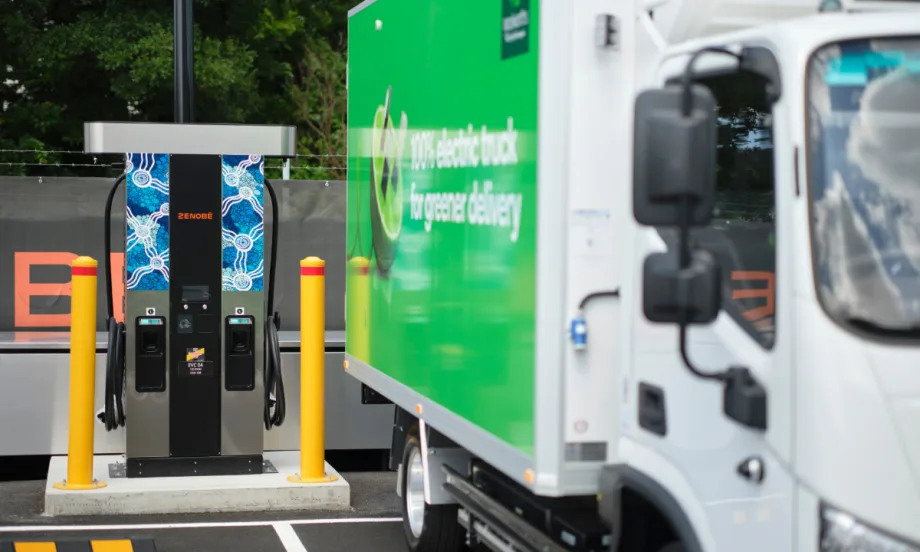
A Zenobē-branded electric truck charges at a commercial fleet station, reflecting the company’s expanding footprint in U.S. zero-emission transport following its acquisition of Revolv.
Credit: Zenobē / Revolv
3 min to read
Zenobē is expanding into U.S. electric truck operations through the acquisition of California-based Revolv, a commercial fleet electrification company backed by GDEV Management. The acquisition signals growing confidence in the long-term opportunity for commercial vehicle electrification in North America.
The U.S. Zero Emission Truck (ZET) market is seeing rapid growth, with more than 59,000 ZETs deployed nationwide, including more than 10,600 in California, according to a recent CALSTART market update.
This acquisition expands Zenobē’s U.S. presence in student transportation and public transit and extends its global operations and engineering capabilities to additional sites and fleets. Zenobē now supports multiple live EV fleets in North America and over 3,400 vehicles worldwide.
Zenobē has assumed operational responsibility for 13 customer sites and over 100 electric trucks in California. The Revolv team joining Zenobē will expand its North American commercial fleet capabilities and support customer continuity as the company manages the post-acquisition transition.
More projects are under development.
“Revolv’s end-to-end fleet electrification model is highly complementary to Zenobē’s global experience and our growth plans in North America,” said Andreas Lips, Zenobē’s president of EV North America. “As commercial fleet electrification enters its next phase, operators are increasingly seeking partners who can deliver vehicles, infrastructure, financing, and long-term battery performance under one roof. This acquisition strengthens our ability to provide flexible, end-to-end solutions at scale across North America.”
“Zenobē supports operators transitioning to zero-emission fleets. The company’s project portfolio includes school bus electrification projects in Methuen, Mass., New York’s Long Island, and Chicago, Ill.; a transit program in Brampton, Ont., currently under development; and commercial fleet partnerships across Canada and the U.S.
“This is a strong opportunity to accelerate electrification at scale, by pairing Revolv’s fleet electrification platform with our deep experience and unique financing models,” noted Steven Meersman, founding director. “We’re grateful to Revolv CEO Scott Davidson and the team at GDEV Management for backing Revolv early on. Now we are taking it to the next stage.”
Zenobē’s fleet electrification approach centers on battery performance, health, and lifecycle value. Through its battery-as-a-service offering, the company assumes battery and electrification risk and captures residual value through second-life solutions.
“This acquisition reflects our shared belief in the long-term opportunity for fleet electrification, and the important role private infrastructure capital can play in accelerating the global energy transition,” said Shreya Malik, managing director of Infrastructure at KKR. Malik is also an investor in Zenobē. “We are pleased to support Zenobē as it continues to scale its North America platform.”
“Since first investing in 2020, we have worked alongside Zenobē to support its expansion, and we’re proud to continue backing the business as it scales its premium fleet electrification capabilities in North America. The addition of Revolv marks another important milestone, providing a strong foundation for further growth in this vital, hard‑to‑decarbonize sector,” added Priya Veerapen, managing director at Infracapital.
Revolv and GDEV Management were represented by Troutman Pepper Locke LLP, and Zenobē was represented by Dentons US LLP in connection with the transaction.”
More Vehicle Research
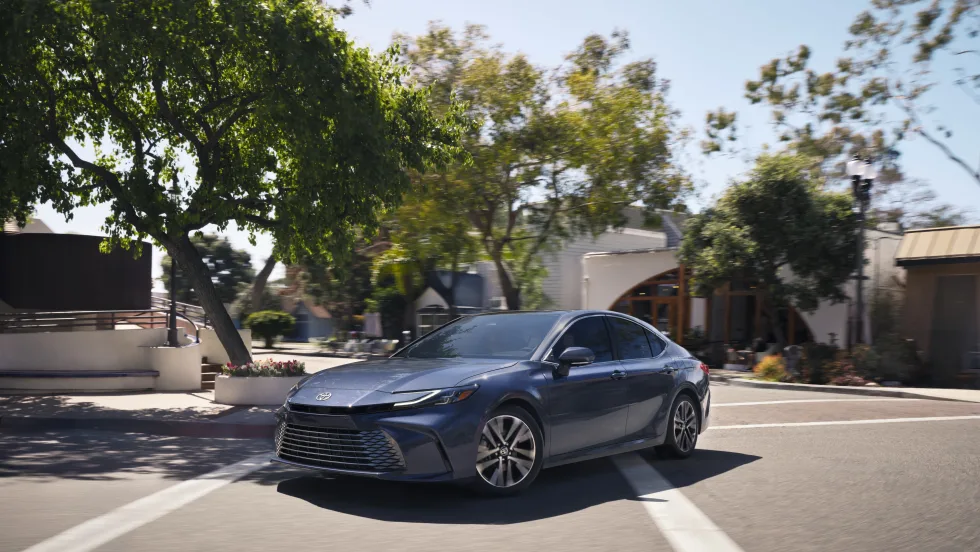
2027 Toyota Camry Offers Hybrid Powertrain Across Five Grades
The 2027 Toyota Camry is a carryover with new pricing.
Read More →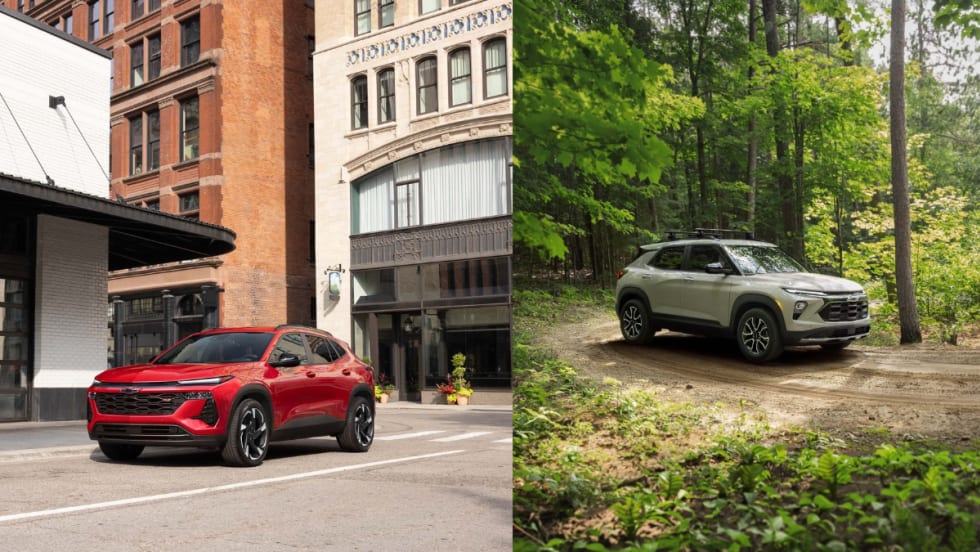
Chevrolet Updates 2027 Trax and Trailblazer with More Standard Safety Features
Chevrolet is updating two of its smallest SUVs with added driver-assistance technology, redesigned interiors, and revised trim options. The changes could add more safety equipment as standard for commercial fleets, while a new Trailblazer configuration adds another all-wheel-drive option.
Read More →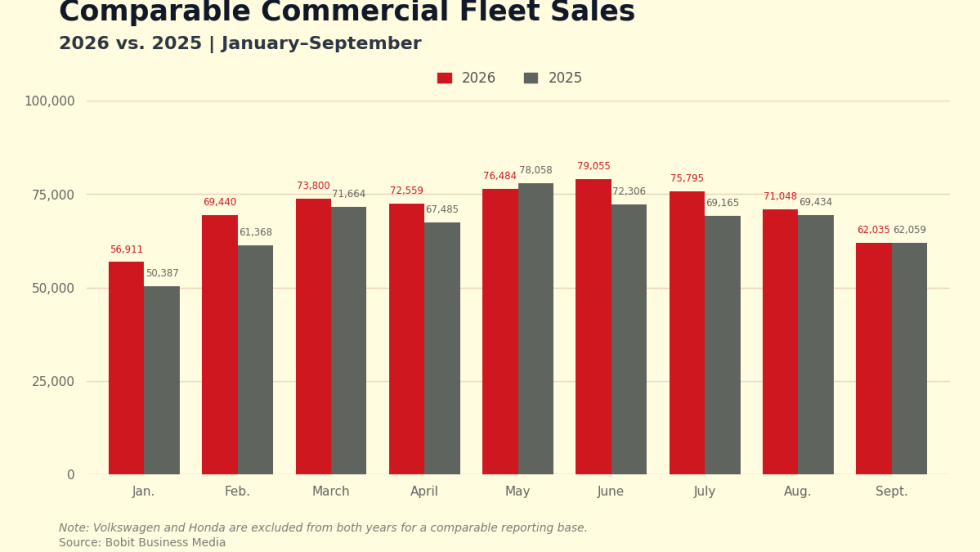
Commercial Fleet Sales Rise 5.8% Through September 2026
September commercial fleet sales were essentially unchanged from a year earlier, slowing year-to-date growth while keeping volume ahead of 2025.
Read More →
Hall of Fame Inductee: John Dmochowsky
The longtime Mondelēz International fleet executive joins the Automotive Fleet Hall of Fame.
Read More →
Hall of Fame Inductee: Lee Miller
After more than four decades at Boehringer Ingelheim, Lee Miller leaves a legacy built on fleet expertise.
Read More →
Hall of Fame Inductee: Mark F. Petersen
From managing fleets of thousands of vehicles to advancing safety and mentoring fellow professionals, Mark F. Petersen made his mark across both the corporate and supplier sides of fleet.
Read More →
When Charger Downtime Becomes a Fleet Availability Problem
As EV deployments move beyond pilot programs, charger reliability can directly affect vehicle readiness, driver productivity and route scheduling.
Read More →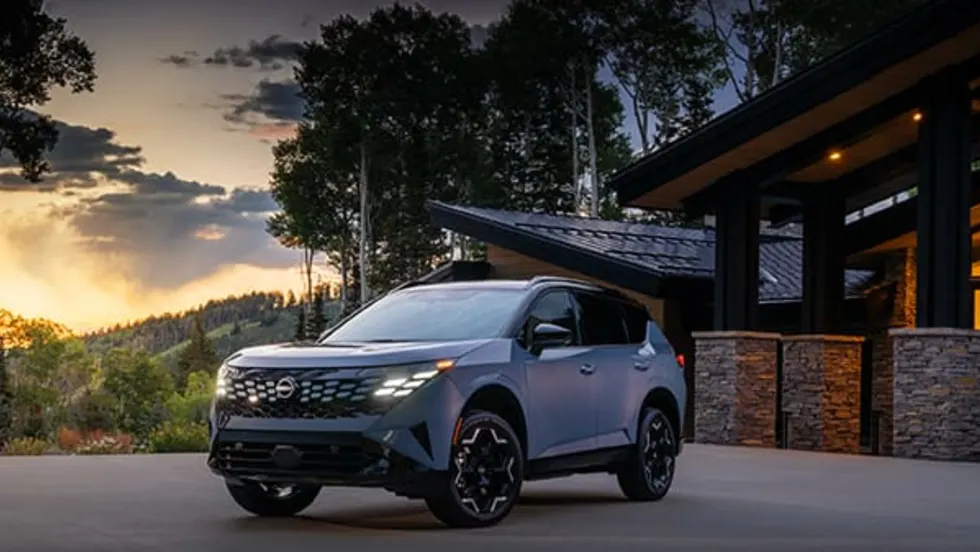
2027 Nissan Rogue Hybrid Adds e-POWER, Standard AWD
The new Rogue Hybrid uses Nissan’s e-POWER system with dual electric motors, offers an estimated 40 mpg and starts at $35,490.
Read More →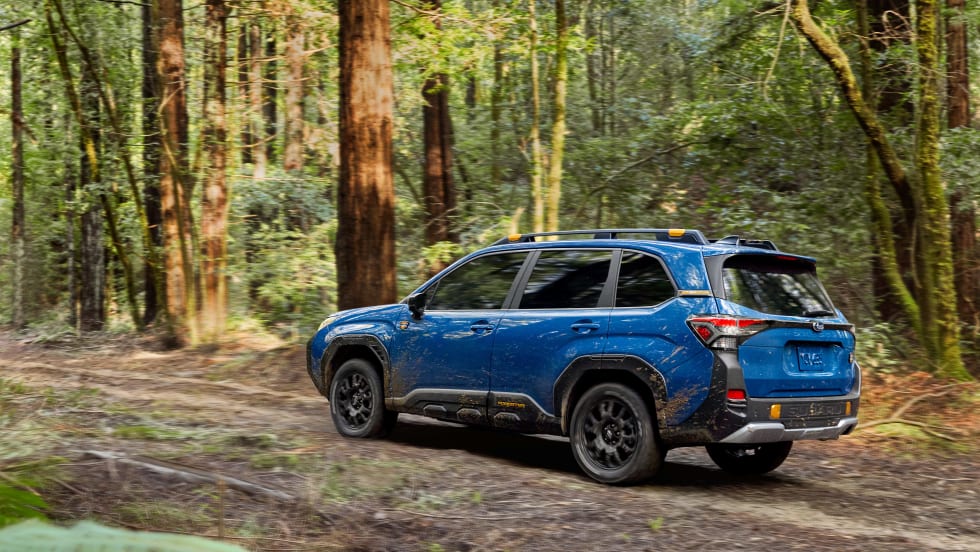
2027 Subaru Forester Adds First Wilderness Hybrid
The 2027 Forester lineup starts at $29,995 and adds a Wilderness Hybrid with 194 combined horsepower and 9.3 inches of ground clearance.
Read More →
EV Realty Names Henrik Holland President as Charging Platform Expands
The former Prologis Mobility and Shell executive will help expand EV Realty’s truck charging business and move its power-first infrastructure model into autonomous vehicle depots and other fleet sectors.
Read More →