




WEX Launches EV Depot for Secure On-Site Vehicle Charging Payments
The fleet service now offers an electric vehicle charging and payment solution across depot, public, and at-home sites

A recent Frost & Sullivan report, commissioned by WEX, showed that 80% of mixed-energy fleet operators surveyed intend for at least 25% of their fleets to be comprised of EVs by 2030.
Photo: Automotive Fleet
WEX, the global commerce platform, recently introduced WEX EV Depot, a new feature that enables secure charging at private chargers when using the WEX Fleet Card.
The newest addition to WEX’s comprehensive charging platform, including the existing public charging ‘En Route’ and ‘At-Home’ solutions, makes it one of the first fleet management businesses in North America to offer electric vehicle (EV) charging payments across depot, public, and at-home charging locations.
“As fleet managers shift from internal combustion engines to EVs, they face the challenge of consolidating data across different types of chargers and fueling stations for operational efficiency,” said Carlos Carriedo, chief operating officer of Americas Payments & Mobility at WEX.
“With WEX EV Depot, we are helping customers navigate the complexity of infrastructure rollout and giving them tools to operate efficiently at scale with a 360-degree solution,” Carriedo said.
The shift to mixed-energy fleets across the industry is underway. A recent Frost & Sullivan report, commissioned by WEX, showed that 80% of mixed-energy fleet operators surveyed intend for at least 25% of their fleets to be comprised of EVs by 2030.
According to WEX, fleets will need a streamlined payment approach for internal combustion engine vehicles (ICE) and EV vehicles, which makes WEX’s card offerings ideal for organizations seeking a unified charging and payment solution for mixed-energy fleets.
Benefits of the WEX EV Depot
For Fleet Operators:
WEX EV Depot is included in an integrated reporting system that allows fleets to manage all EV charges from any charging source or fuel transactions on a WEX fleet credit line.
Fewer cards are needed, simplifying onboarding and ongoing operations.
The platform will include the WEX EV Depot Mapping tool, which allows fleets to direct EV drivers to their preferred depot or private charging locations, regardless of whether chargers are connected to the internet.
Helps reduce downtime by scheduling charging overnight.
For Drivers:
A WEX-issued RFID tag ensures frictionless and secure EV charging payments at private chargers and the WEX public network comprising nearly 150,000 charging stations.
WEX DriverDash, WEX’s mobile payment app, allows for touch-free in-app charger activation for cross-vendor public and private chargers, providing a fast, secure smartphone payment option.
The number of cards needed to access chargers is significantly reduced.
“WEX EV Depot provides a wealth of benefits to our EV and mixed-fleet customers with comprehensive payment integration, the EV Depot Mapping tool, and robust data security,” Carreido added. “It offers a simple way to enhance operational and financial efficiency and accelerate lower-emissions goals.”
WEX EV Depot is available to WEX En Route customers for an additional subscription fee. WEX EV Depot works seamlessly with insights from Sawatch Labs, a WEX Company, to help fleets determine where to deploy depot charging based on real operational data and maximize ROI once the infrastructure is in place.
More Green Fleet
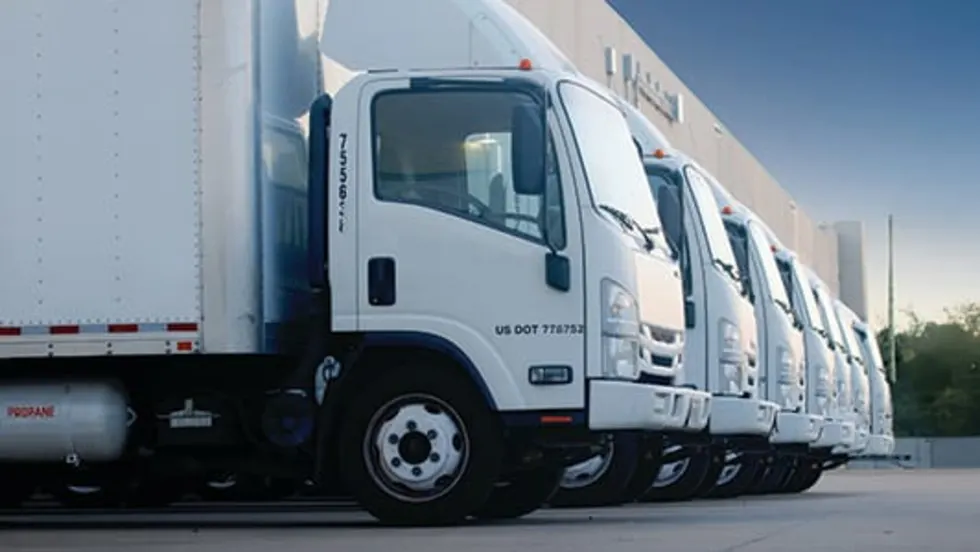
New Propane Autogas Program Offers Fleet Compensation
Qualified commercial fleets can receive $7,500 per eligible propane autogas vehicle and up to $10,000 for new refueling site prep. Learn how the program works and see whether your fleet qualifies.
Read More →
EV Charging Use Is Outpacing Infrastructure Growth
ChargePoint’s 2026 Charging Forward Report points to rising charger use, higher-powered charging, commercial vehicle electrification, and energy-management technology. Here’s what fleets should know.
Read More →
Merchants Fleet Reports 290M EV Miles as Fleets Navigate Changing Electrification Market
From millions in operating savings to hundreds of millions of EV miles, Merchants Fleet’s latest report reveals what’s working and what’s changing in fleet electrification.
Read More →

The EV Breakdown Nobody's Talking About: Why Most Electric Vehicle Roadside Calls Aren't Mechanical Failures
Here's why EV breakdowns are widely misunderstood.
Read More →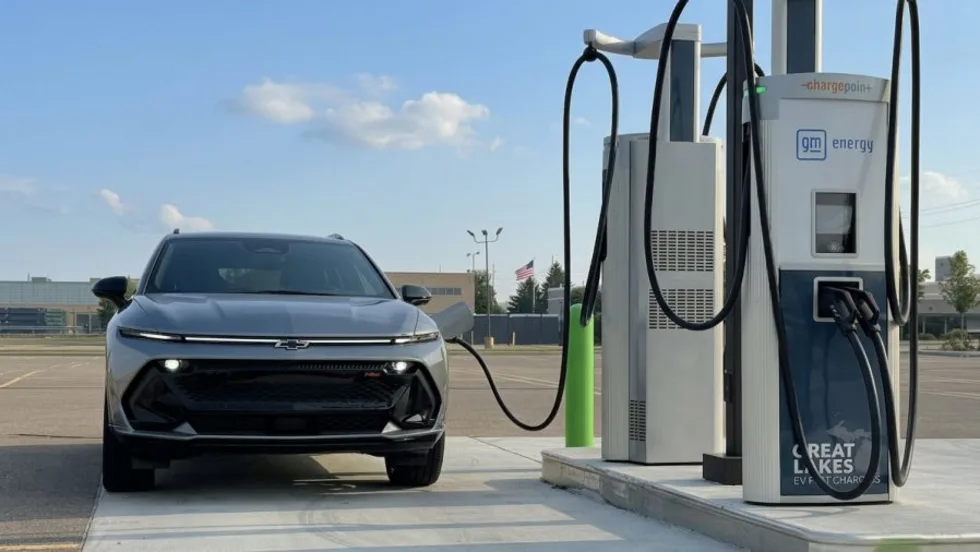
ChargePoint Now Available in Energy Pass
ChargePoint and additional planned charging network integrations were added to GM's Energy Pass.
Read More →

First Look: Slate Auto's Electric Fleet Pickup
Could an affordable, modular EV pickup make electrification more practical for fleets?
Read More →
Slate Debuts Colorful, Unique EV Models
A recent media and client event, studded with electric vehicles dressed up on platforms, planted a new position for the manufacturer in the wider EV market. Fleets will find cost-saving advantages.
Read More →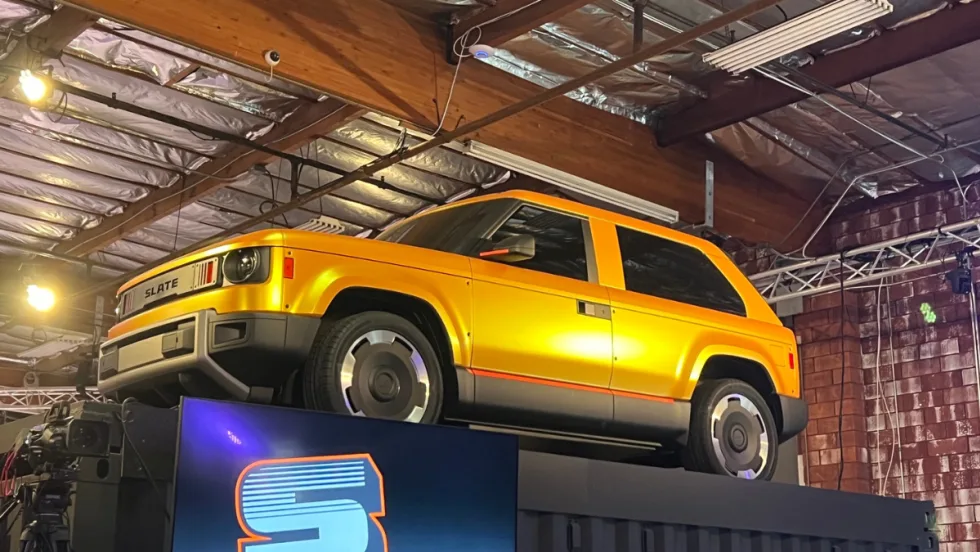
Slate Electric SUV, Pickup Switchable Model Aims For Light-Duty Fleets
Everything about this EV is counterintuitive and understated, making it stand out from the crowd.
Read More →
Inspiration Mobility Acquires Key Electrada Assets
Inspiration Mobility Group has acquired select assets of Electrada, adding the fleet electrification provider's team, technology, and charging infrastructure development capabilities to its energy management business.
Read More →