




Keep Reading! Why America’s Most Popular Vehicle is So Hard to Electrify
The EV Breakdown Nobody's Talking About: Why Most Electric Vehicle Roadside Calls Aren't Mechanical Failures
Here's why EV breakdowns are widely misunderstood.
by Jeff Wiener
July 30, 2026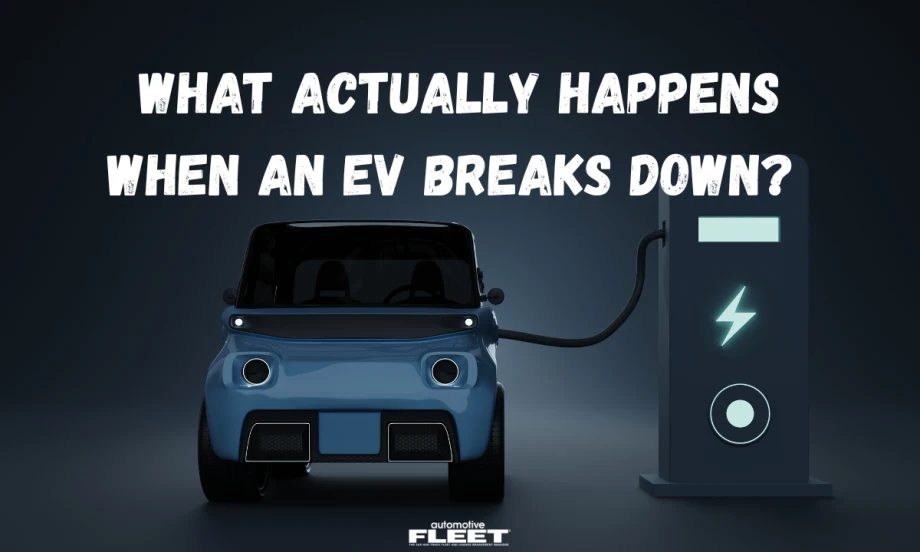
Roadside challenges for electric vehicles may be less about reliability and more about making sure drivers are aware of the range.
Credit:
Automotive Fleet
5 min to read
- Most electric vehicle breakdowns during roadside assistance calls are not due to mechanical failures but other issues.
- Drivers commonly experience problems related to depleted battery charges, highlighting the importance of vehicle charge management.
- Understanding the nature of these calls can help debunk myths surrounding electric vehicle reliability.
*Summarized by AI
For years, conversations about electric vehicles (EVs) have centered on battery technology, charging infrastructure, vehicle range, and consumer adoption. Those discussions are important, but they largely overlook what happens when an EV becomes disabled on the side of the road.
From a roadside assistance perspective, EVs are fundamentally changing what a “breakdown” looks like.
While there is a lingering public perception that EVs are less reliable than traditional internal combustion vehicles, the operational data tells a very different story. In fact, the overwhelming majority of roadside events involving EVs have little to do with mechanical failures. Instead, they're about energy.
Across roadside assistance operations, approximately 95% of EV towing events occur because the vehicle has depleted its battery charge and not because something mechanically failed. That distinction matters because it changes nearly every aspect of roadside response, from dispatch decisions to fleet readiness and customer expectations.
As more EVs enter commercial fleets, and as the first major wave of leased EVs begins entering the used vehicle market, the industry will need to rethink what roadside assistance actually means.
The End of Traditional Roadside Service
For decades, roadside assistance has revolved around resolving relatively simple problems where the vehicle sits.
Dead battery? Jump-start it. Flat tire? Install the spare. Locked keys inside? Unlock the vehicle.
Many of these traditional roadside events are becoming less common, not only because of EVs, but because modern vehicle design itself has changed.
Many new vehicles no longer include spare tires. Advanced electronic locking systems have dramatically reduced lockout incidents. EVs obviously don't require traditional jump-starts in the same way gasoline-powered vehicles do. The result is a fundamental shift in roadside operations.
Where roadside assistance providers once resolved many events without moving the vehicle, today's calls increasingly require transportation rather than repair.
Why EVs Change Everything
Unlike gasoline vehicles, an EV that runs out of usable battery energy typically cannot simply be "refueled" roadside. While portable charging technology continues to evolve, it has not yet become a practical large-scale solution for most roadside situations.
Even if portable charging equipment is available, providing enough energy to make the vehicle safely operable often takes significantly longer than motorists expect. In many cases, transporting the vehicle to a charging facility is still the fastest and safest option.
That means towing, not troubleshooting, has become the primary service.
Adding another layer of complexity, EV manufacturers generally require vehicles to be transported on flatbed trucks rather than conventional wheel-lift tow trucks. Improper towing can damage electric drivetrains or regenerative braking systems and potentially void warranties. This changes dispatch requirements immediately. It's no longer enough to send the closest available truck.
Roadside providers must identify operators with appropriate equipment, technicians trained to handle EVs, and carriers capable of safely transporting increasingly heavy vehicles.
The Roadside Mix Has Already Changed
One of the clearest indicators of this transformation is the changing composition of roadside service events. Historically, roadside assistance organizations handled a relatively balanced mix of towing and non-towing calls.
Today, that balance is shifting dramatically. Operationally, roadside events have move from roughly a 50/50 split between tow and non-tow services to approximately 70% tow events and 30% non-tow events.
EVs are not solely responsible for this shift, but they are accelerating it. The disappearance of spare tires, increasingly sophisticated vehicle electronics, higher repair complexity, and EV-specific recovery requirements are all pushing roadside assistance toward transportation rather than on-site repair. That has implications well beyond roadside providers.
Tow operators require larger capital investments in specialized equipment. Dispatch platforms must become smarter about matching equipment to vehicle type. Fleets need roadside programs that understand the operational differences between EVs and ICE vehicles.
The Next Challenge Hasn't Arrived Yet
Today's EV population largely consists of newer vehicles owned by early adopters or operating within managed commercial fleets. That won't remain true for long.
Over the next several years, the industry will begin seeing substantial numbers of off-lease EVs entering the secondary market. These vehicles will often have reduced battery capacity compared to when they were new, while being purchased by owners who may have less experience managing charging habits or understanding real-world range limitations.
That combination has the potential to increase roadside assistance demand even if vehicle reliability continues improving. It's an operational challenge that deserves more attention than it currently receives.
Infrastructure Must Evolve Alongside Vehicles
Vehicle technology has advanced rapidly over the past decade. Roadside infrastructure must evolve at the same pace.
That includes expanding flatbed availability, increasing EV-specific training for tow operators, improving dispatch intelligence, and providing better visibility into vehicle location and recovery status. It also requires recognizing that roadside assistance is becoming increasingly data-driven.
Patterns in dispatches can reveal changing driver behaviors, infrastructure gaps, seasonal charging trends, and operational risks long before they become widely recognized by the broader automotive industry. These insights can help fleets anticipate future service needs, optimize roadside coverage, and better prepare for a growing mix of electric and conventional vehicles.
Reliability Isn't the Story
Perhaps the biggest misconception surrounding EV roadside assistance is that more towing somehow reflects lower vehicle quality.
In reality, many EV roadside events occur because the vehicle itself is functioning exactly as designed. When the battery reaches zero usable charge, the vehicle protects itself by limiting operation. From an engineering standpoint, that's expected behavior.
The roadside event isn't caused by mechanical failure. It's caused by energy management.
Understanding that distinction changes how fleet operators, dealers, OEMs, roadside providers, and consumers should think about preparedness. The future of roadside assistance won't be defined by fixing broken vehicles on the shoulder of the highway.
It will increasingly be defined by quickly identifying the right recovery equipment, routing specialized providers efficiently, and helping drivers navigate a transportation environment where mobility depends as much on available energy as mechanical performance.
As EV adoption continues accelerating, the industry's biggest roadside challenge may not be vehicle reliability at all. It may simply be making sure drivers don't run out of charge before they reach their next destination.
Editor's Note: The views and opinions expressed in this contributed article are those of the author and do not necessarily reflect the views, opinions, or editorial position of Automotive Fleet or Bobit Business Media.

About The Author: Jeff Wiener is the Chief Operating Officer (COO) of Nation Safe Drivers (NSD), a 64-year-old operator providing roadside assistance and F&I services infrastructure to enterprise clients across insurance, OEM, fleet, and automotive retail. For more information visit www.gonsd.com.
Credit:
Jeff Wiener
Subscribe to Our Newsletter
More Maintenance

Sponsored•October 1, 2026
Fleet Manager’s Ultimate Playbook: Navigating the New Standard in OEM Connectivity
Rising operating costs, driver safety concerns, and unplanned downtime are putting unprecedented pressure on modern fleets. Discover how fleet managers use embedded OEM connectivity and real-time vehicle data to cut TCO, prevent downtime, and protect drivers without aftermarket telematics hardware.
Read More →
How Can Fleet Managers Tell Which Repairs Require Closer Review?
Fleetio’s Brianna Perry demonstrates how Service Advisor evaluates maintenance requests, identifies pricing anomalies, and provides the context fleet managers need to focus their attention on potential problems.
Read More →
Why Roadside Assistance Belongs in a Fleet Risk Strategy
Roadside assistance is more than a tow. See how the right partner can protect drivers, uncover fleet trends, and strengthen your risk strategy.
Read More →
Sponsored•August 7, 2026
Hidden in Plain Sight: Fleet Compliance Risks
Fleet compliance isn't just about having policies — it's about consistently enforcing them. This practical guide reveals six hidden compliance risks common in public sector and shared fleet operations and outlines proven strategies to improve visibility, accountability, and audit readiness
Read More →
How Maintenance Costs Compare Across 27 Fleet Vehicles
Vincentric’s three-year, 60,000-mile projections reveal wide differences for both scheduled and unscheduled maintenance among selected vehicle categories. Projected maintenance visits also play a factor.
Read More →
How Stellantis Plans to Get Ahead of Fleet Downtime
Keeping fleet vehicles on the road has become as important as buying them. Darren Bradshaw of Mopar North America explains how connected vehicle data, AI, and proactive service strategies are helping Stellantis reduce downtime and move closer to predictive maintenance.
Read More →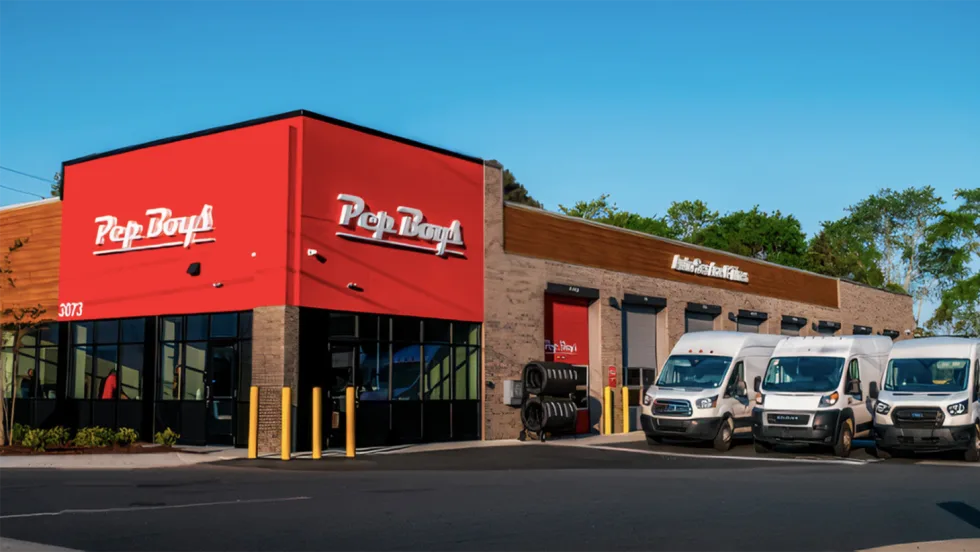
Merchants Fleet Expands Maintenance Network with Pep Boys
Merchants Fleet has expanded its relationship with Pep Boys, increasing the service provider's role within its national maintenance network. The move is intended to enhance maintenance coordination and support commercial fleets through Pep Boys' nationwide footprint.
Read More →
The Two Biggest Summer Downtime Threats for Fleets
A conversation with a maintenance expert reveals the two most common summer maintenance pains and how to prevent them.
Read More →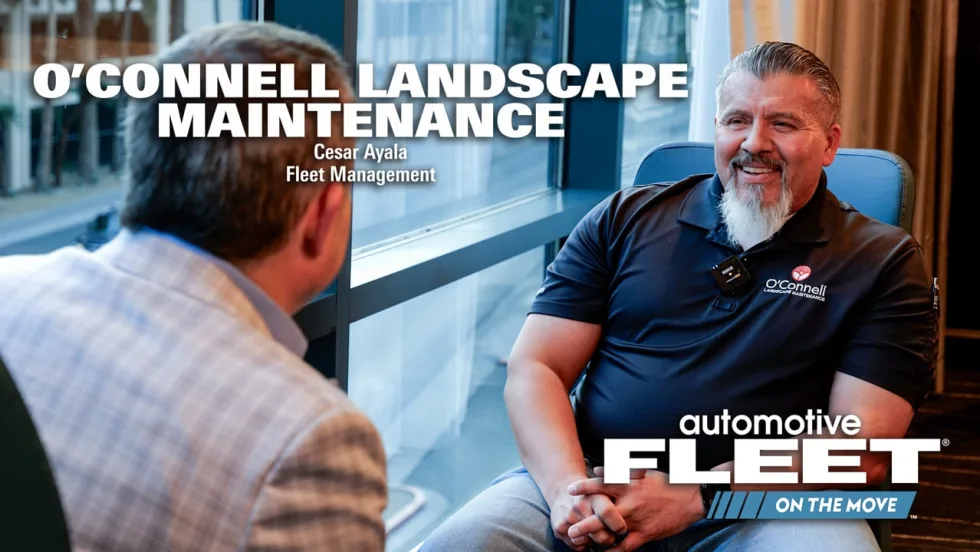
From Marine Corps Motor Pool to Managing 460 Fleet Vehicles
Cesar Ayala of O’Connell Landscape Maintenance shares how he transitioned from the Marine Corps to managing a 460-vehicle fleet—and the real-world challenges of maintenance, compliance, and driver management in California.
Read More →
If Repair Delays Are the New Normal, How Should Fleets Respond?
The repair crisis gets blamed on technician shortages and parts delays. But a big part of the problem is what's happening before the vehicle even reaches the shop, and that's within your control.
Read More →