




Electric Truck Adoption: New Report Analyzes Market by Fleet Type and Trip Length
A new report breaks down electric truck market potential by vehicle type, trip length, and industry use to help fleets and OEMs identify where electrification makes the most sense.
April 7, 2025

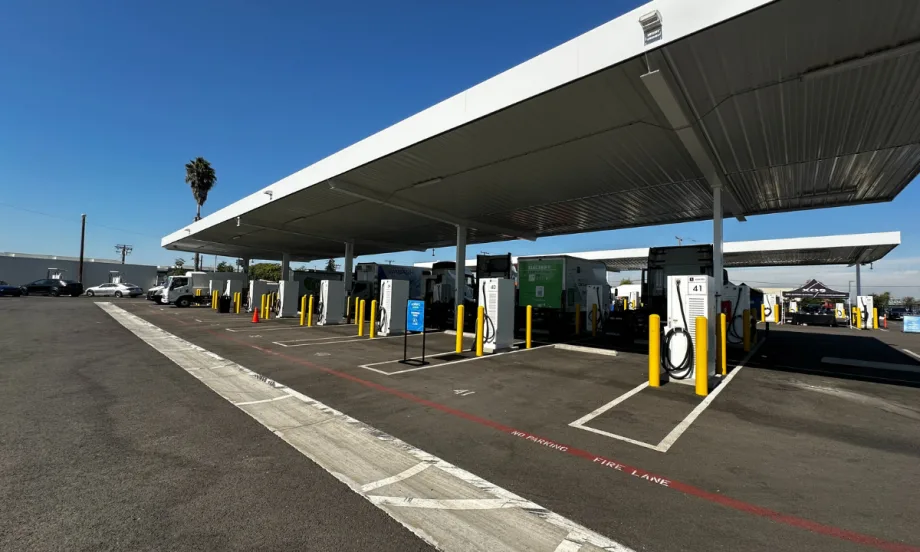
While usage data supports the feasibility of broader electrification of commercial vehicles, the report notes that public charging infrastructure needs to keep pace to match vehicle sales.
Photo: Chris Brown
3 min to read
Economist Stephen Latin-Kasper’s new report, U.S. Potential Sales of Electric Trucks and Road Tractors: 2025–2030, provides a detailed breakdown of which segments of the commercial truck market are best suited for electrification, based primarily on trip length, body type, and end-use application.
The report quantifies potential electric truck sales through 2030 using trip length and other data from the U.S. Department of Transportation’s Vehicle Inventory and Use Survey (VIUS).
While infrastructure and vehicle cost remain key barriers to adoption, the data shows that a sizable portion of the current overall fleet already fits the operating profiles where battery-electric trucks are viable.
Short-Range Dominates Commercial Use
According to the report, nearly 75% of all trucks in the U.S. travel fewer than 100 miles per round trip. Among commercial-use trucks, that figure is slightly lower — 67% — but still significant.
These trip lengths fall well within the average range of current battery-electric pickups and vans.
Key Segments: Pickups and Cargo Vans
Commercial pickups and cargo vans make up the largest short-trip segments. About 69% of commercial pickups are used primarily within 50 miles of home base, and some 72% of commercial cargo vans also operate in this range. Construction, agriculture, and landscaping account for the majority of these vehicles.
The report identifies roughly 4 million pickups in these three sectors that could potentially be replaced by electric models based on usage patterns.
Road Tractors: A Mixed Picture
Electrifying road tractors presents more complexity due to longer average trip distances. However, a substantial portion — nearly 61% — of road tractors still operate within 100 miles of their base.
The report highlights agricultural operations and port drayage as potential early-use cases for electric road tractors.
Total Electric Potential: 14.4 Million Trucks
By combining trip length with other factors such as payload and fueling infrastructure, the report estimates the Total Electric Potential (TEP) of the U.S. commercial truck fleet at 14.4 million units as of Q1 2025.
That figure includes vehicles that could be replaced by electric versions based on usage characteristics and assumes modest growth through 2030.
Barriers: Infrastructure and Cost
While usage data supports the feasibility of broader electrification, Latin-Kasper notes that charging infrastructure and purchase price remain significant hurdles. Public charging availability is growing, but not fast enough to match vehicle sales.
Additionally, price gaps between ICE and EV models — especially in heavier weight classes — continue to slow adoption, despite lower operating costs for EVs.
Report Availability
The full report, including data tables and spreadsheets detailing vehicle use by industry, weight class, and trip length, is available for purchase from Coherent Market Planning and Forecasting (CMPF).
It is intended to support OEMs, dealers, fleets, and policymakers in evaluating the commercial EV landscape through 2030.
To inquire about purchasing the report, visit: coherentforecasting.org
Note on the VIUS: The DOT updates this benchmark survey about every five years. It is the sole source of truck registration data that allows for the comparison of cab and body types to usage variables such as trip length and percentage of trips taken fully loaded. The current VIUS was published in 2024 using 2021 data. The next one will likely be published in 2029.
Subscribe to Our Newsletter
More Green Fleet
Sponsored•October 1, 2026
New Propane Autogas Program Offers Fleet Compensation
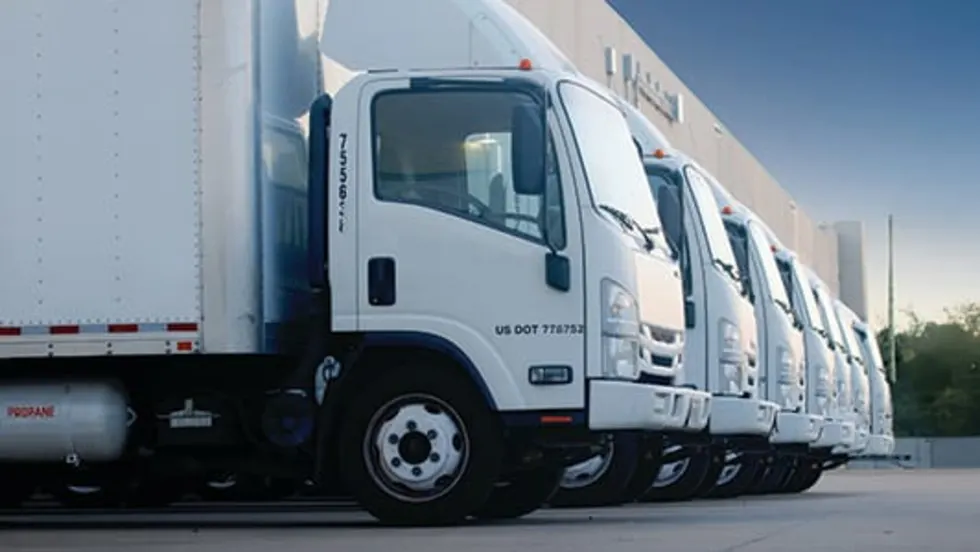
Qualified commercial fleets can receive $7,500 per eligible propane autogas vehicle and up to $10,000 for new refueling site prep. Learn how the program works and see whether your fleet qualifies.
Read More →
EV Charging Use Is Outpacing Infrastructure Growth
ChargePoint’s 2026 Charging Forward Report points to rising charger use, higher-powered charging, commercial vehicle electrification, and energy-management technology. Here’s what fleets should know.
Read More →
Merchants Fleet Reports 290M EV Miles as Fleets Navigate Changing Electrification Market
From millions in operating savings to hundreds of millions of EV miles, Merchants Fleet’s latest report reveals what’s working and what’s changing in fleet electrification.
Read More →
The EV Breakdown Nobody's Talking About: Why Most Electric Vehicle Roadside Calls Aren't Mechanical Failures
Here's why EV breakdowns are widely misunderstood.
Read More →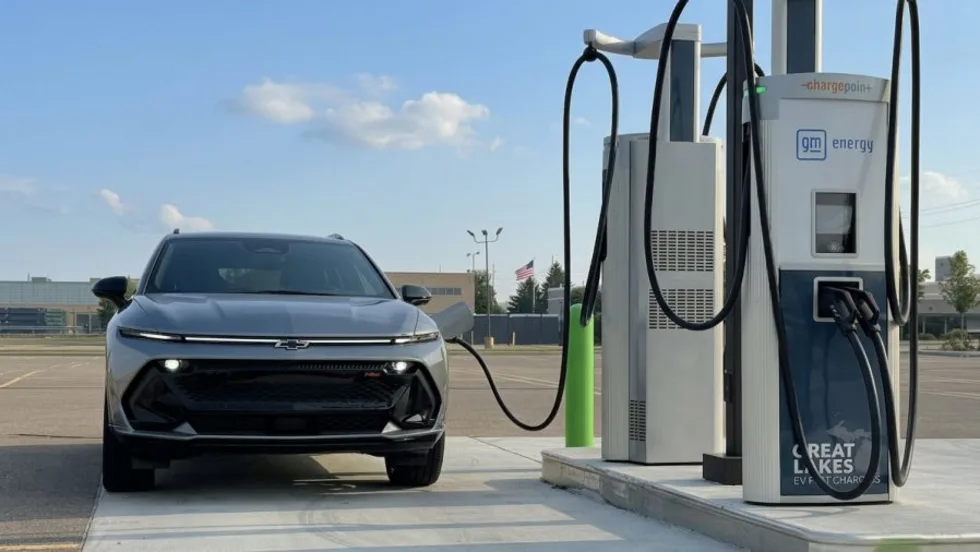
ChargePoint Now Available in Energy Pass
ChargePoint and additional planned charging network integrations were added to GM's Energy Pass.
Read More →

First Look: Slate Auto's Electric Fleet Pickup
Could an affordable, modular EV pickup make electrification more practical for fleets?
Read More →
Slate Debuts Colorful, Unique EV Models
A recent media and client event, studded with electric vehicles dressed up on platforms, planted a new position for the manufacturer in the wider EV market. Fleets will find cost-saving advantages.
Read More →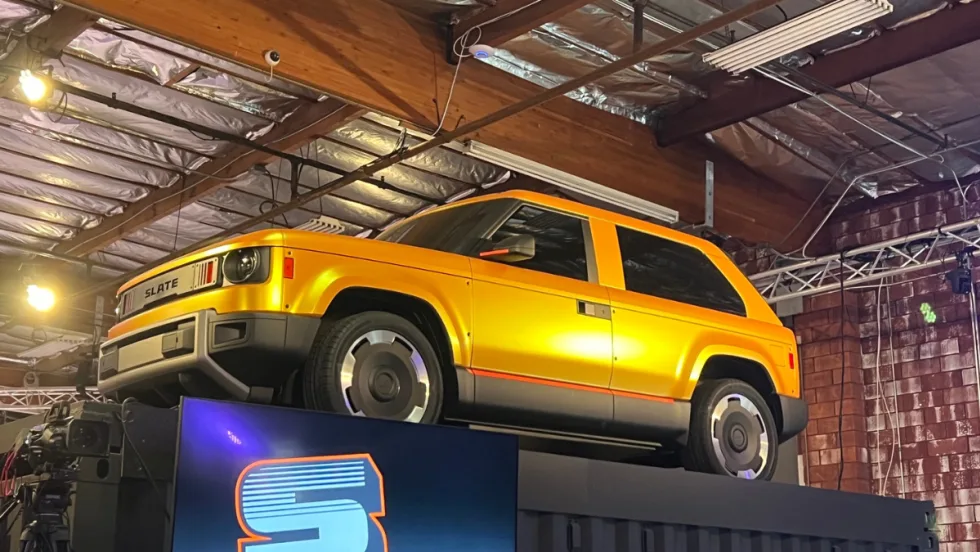
Slate Electric SUV, Pickup Switchable Model Aims For Light-Duty Fleets
Everything about this EV is counterintuitive and understated, making it stand out from the crowd.
Read More →
Inspiration Mobility Acquires Key Electrada Assets
Inspiration Mobility Group has acquired select assets of Electrada, adding the fleet electrification provider's team, technology, and charging infrastructure development capabilities to its energy management business.
Read More →