




Getting Drivers to Care About Fuel Economy
Tips alone won’t move the needle — fleet managers need to communicate fuel-saving habits in a way that creates real behavior change.
April 22, 2025

When fuel usage is seen as a personal metric, not a vague fleet goal, it becomes something drivers are more likely to care about.
Automotive Fleet
3 min to read
Editor's Note: this piece was originally posted April of 2025 and has been updated for continued relevance.
Fuel-saving tips are everywhere. Drive slower. Don’t idle. Keep your tires inflated. But if you’re managing a fleet, you already know that the real challenge isn’t what to tell drivers — it’s how to get them to actually do something.
You all know this, but I’m going to say it again: The biggest variable in fuel economy isn’t the truck or van — it’s the person behind the wheel. And the key to unlocking fuel savings lies in the way you communicate, engage, and follow up with your drivers.
Here are a few tips on how to move from good advice to achieving measurable change.
Start with Why
Most drivers aren’t thinking about fuel economy when they hit the road. They’re thinking about the job. That’s why your first step is to connect fuel savings to something that matters to them.
Instead of saying, “Cut idling time,” try: “The more we save on fuel, the more we can invest in better equipment — or even performance bonuses.” Fuel savings should be framed as a way to make their work better, not just the company’s bottom line.
Make Fuel Efficiency Personal
If you have access to telematics or fuel card data, break it down to the driver level. Show each driver their MPG numbers and how they compare to the fleet average. Personalized feedback is powerful — especially when paired with a simple question: “Want to beat your own best score next month?”
When fuel usage is seen as a personal metric, not a vague fleet goal, it becomes something drivers are more likely to care about.
Gamify It
Nothing sparks behavior change like a little friendly competition. Create a monthly challenge with simple incentives: a gift card, a shout-out, or even just bragging rights. Track and reward improvements in MPG, reductions in idle time, or efficient driving scores.
Gamification makes fuel-saving fun — and when it’s fun, it sticks.
Involve a Driver Leader
Fleet managers can set the tone, but peer-to-peer influence often drives results. Identify a well-respected driver and make them your “Fuel Captain.” This person can help communicate tips, share best practices, and provide reminders in a way that feels collaborative rather than top-down.
When drivers lead the message, other drivers listen.
Focus on One Habit at a Time
Rather than overwhelm your team with a long checklist of tips, zero in on one fuel-saving behavior each month. For example:
- “This month: No idling longer than 30 seconds.”
- “Next month: Ease off the gas — no jackrabbit starts.”
This makes change manageable and gives each habit time to take root.
Make Feedback Instant
If your vehicles display real-time MPG readouts, coach your drivers to watch them. Seeing how their driving directly affects fuel use — right there on the dashboard — is a powerful motivator.
When feedback is immediate, the connection between action and result becomes much clearer.
Tie It to Something Bigger
Fuel efficiency isn’t just a cost issue, it can be part of your organization’s ESG goals or sustainability commitments. Some drivers will respond to the environmental impact more than financial metrics. Let them know that their efforts matter beyond the gas pump.
Celebrate the Wins
When drivers improve, say so. Highlight progress in team meetings. Post results on a digital board. Give shout-outs in group texts. Recognition reinforces good habits and helps build a culture of accountability.
It’s Not About Tactics — It’s About People
Fuel-saving strategies only work when people buy in. That’s why communication matters. Make it personal. Make it engaging. Make it continuous.
When drivers understand the “why,” have ownership of the “how,” and are recognized for the results, they won’t just save fuel — they’ll build a better-performing fleet.
Subscribe to Our Newsletter
More Fuel
Fuel Prices Surge in September | September Fuel Update
September brought major fuel price swings, including diesel crossing $6 a gallon. Here’s how gas and diesel prices changed throughout the month, and where they stood heading into October.
Read More →
Turning Fleet Payment Data into Executive Insights
Ramel Lindsay of U.S. Bank Voyager discusses how fleets can transform payment and transaction data into actionable intelligence to reduce costs, improve oversight, and support executive decision-making.
Read More →
Why the IRS Raised Its Mileage Rate in the Middle of 2026
Fuel-price volatility drove the rare increase to 76 cents per mile, the fifth midyear adjustment since 2000.
Read More →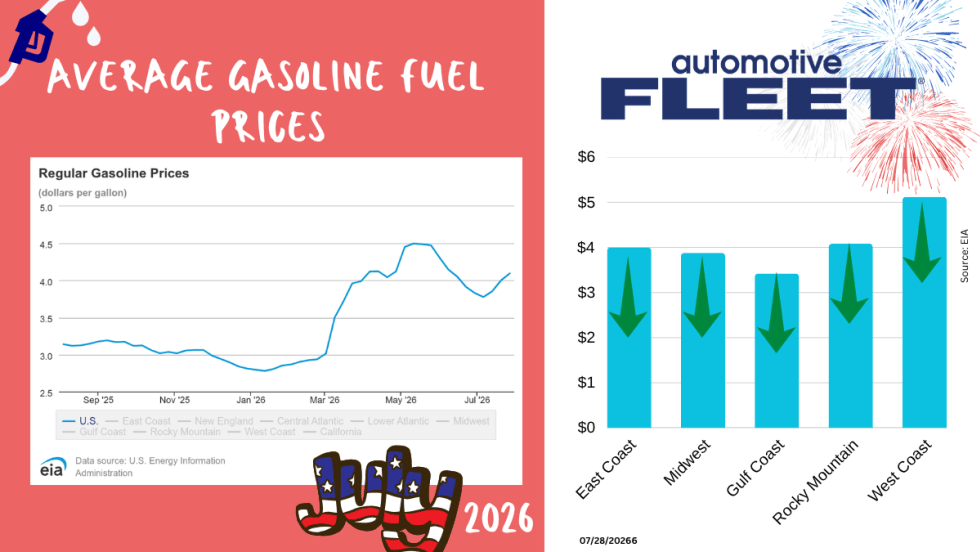
July Fuel Update: Prices Keep Rising in Light of More Conflict
Gas prices continue to rise as more and more conflicts do, too.
Read More →
Bob Adamsky on Fuel Volatility: "Don't Panic, Have a Plan."
When it comes to up and down fuel prices, Adamsky has a message for fleets: “Don’t panic.”
Read More →
How Fleets Can Gain Control of Non-Fuel Spend
Fuel often gets the spotlight, but non-fuel expenses can have a major impact on fleet costs. Ramel Lindsay of U.S. Bank Voyager discusses how fleets can gain better visibility and control over these often-overlooked expenditures.
Read More →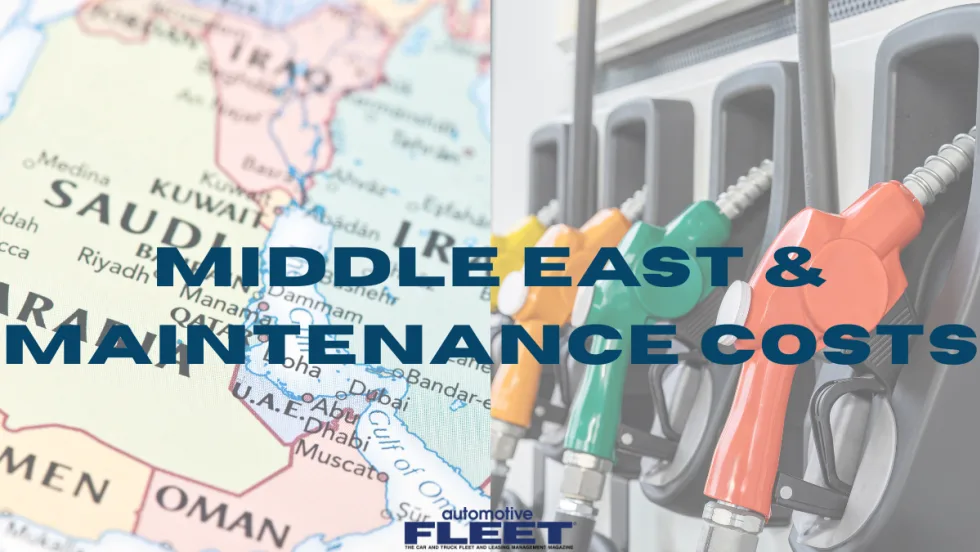
Fuel is Just the Start: How Middle East Tensions are Driving Up Fleet Maintenance Costs
The Middle East conflict is doing more than pushing up fuel prices. It’s also raising the cost of key maintenance products your fleet depends on, from motor oil to tires to windshield wipers. Here’s what you need to know about this budget-busting situation.
Read More →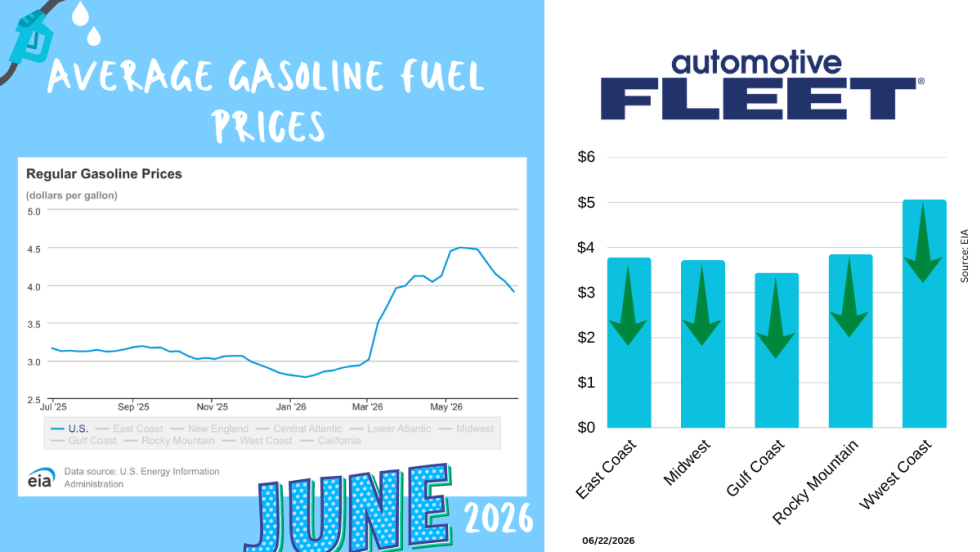
June Fuel Update: Prices Fall Below $4
Drivers are finally getting some relief at the pump. The national average gas price has dropped below $4 a gallon for the first time in months, with prices falling in 47 states as oil markets react to developments in U.S.-Iran negotiations.
Read More →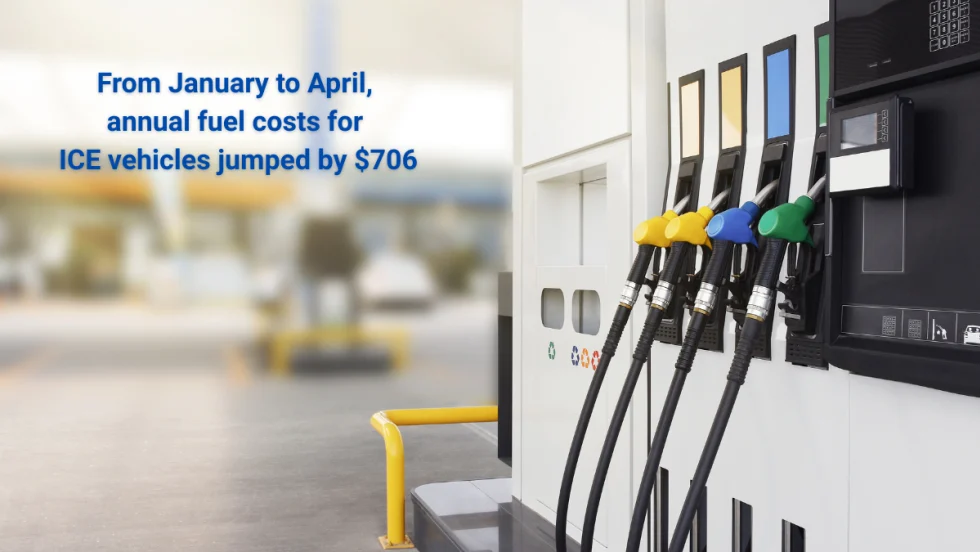
Study: How 2026's Gas Price Hikes Affect Different Vehicle Types
New data from iSeeCars reveals how rising fuel costs have affected different vehicle segments as gasoline prices climbed nearly 46% over the past four months.
Read More →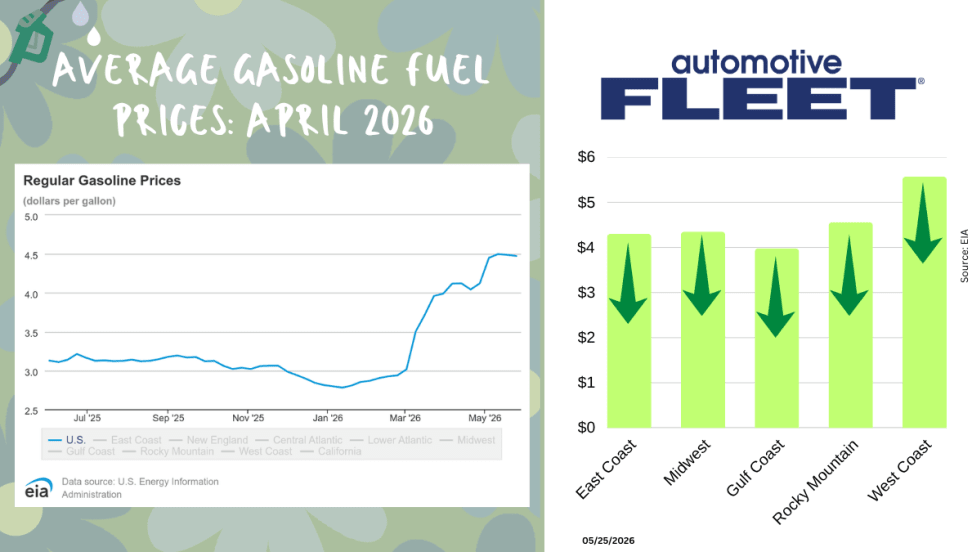
May Fuel Update: All Regions Experience Declines
Gas prices are finally easing in much of the country, but experts warn global tensions could quickly reverse the trend as the national average remains well above last month’s levels.
Read More →