





More News: Telematics is No Longer Avoidable
Why MotorTrend Named Blazer EV SUV of the Year
MotorTrend lists three main reasons for selecting the Chevrolet Blazer, made available earlier this spring, after undergoing technological evaluation and analysis.
October 30, 2023
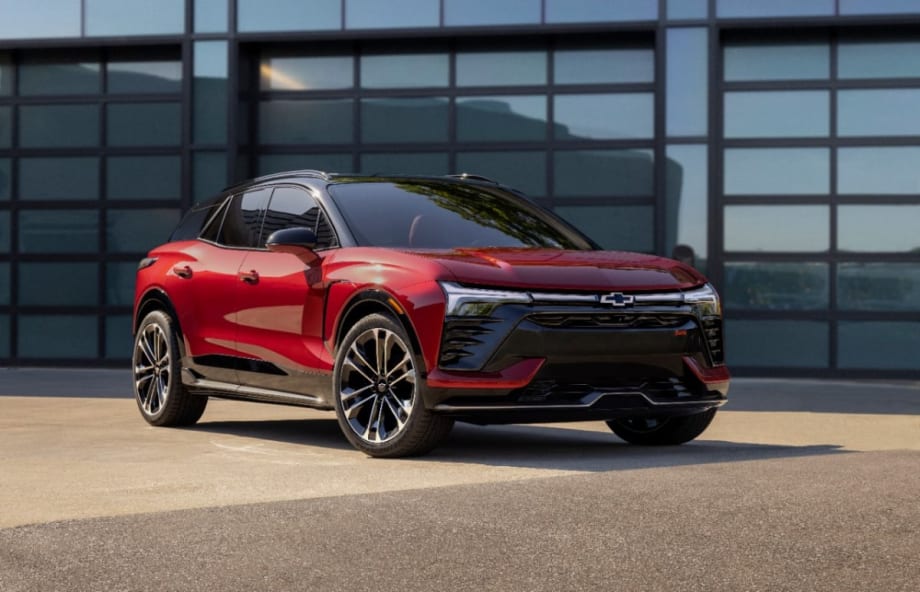
"This is a fully realized electric vehicle, not a quick and dirty project,” said MotorTrend Editor Scott Evans.
Photo: Chevrolet
3 min to read
In their assessment released Oct. 25, MotorTrend cited the Blazer EV’s “overall product excellence” and saw the potential to make “electric driving realistic for more people.”
"Chevrolet really paid attention to what worked and what didn't in the Bolt EV and applied those learnings here," MotorTrend Editor Scott Evans said in the article. "This is a fully realized electric vehicle, not a quick and dirty project."
1. Battery & Engineering
The Blazer EV tested was the RS trim, which first offers powertrain diversity in having two battery-pack sizes available along with front-, rear-, and all-wheel-drive configurations. Its midsize lithium-ion battery is paired with a dual-motor AWD system producing 288 hp and 333 lb-ft of torque, good for a 6.0-second 0-60 time.
MotorTrend also recorded a 131-foot 60-0 stop and 27.4-second, 0.63-g lap around their figure eight. These results are comparable to those of a normal crossover and the gas-powered Blazer RS.
The Blazer EV SS will pack dual motors making 557 hp and 648 lb-ft, which should deliver a sub-4.0-second 0-60 blast. It also features a one-pedal driving function, which uses the motors as generators to slow the vehicle while charging the battery. Ultium batteries are built for sustainability and longevity, with a max charge rate of 190 kW.
Their chemistry mix uses 70% less cobalt than the Bolt EV's batteries. Chevrolet warranties the Blazer EV's battery for eight years or 100,000 miles—three years and 40,000 miles longer than it does the Blazer's gasoline engines.
EPA ratings for the dual-motor RS test vehicle come in at 103/88/96 mpg-e city/highway/combined and 279 miles of range. In the road-trip range test, which included a 70-mph average and typical accessory use, it covered 239 miles. That's 23 miles more than the dual-motor Hyundai Ioniq 5 and 2 better than average.
2. Pricing & Safety
In their assessment of the pricing for the Blazer, MotorTrend notes that the numbers are considerably higher than the ICE Blazer's, but does fall in line with other electric SUVs.
2LT AWD
$56,715
RS AWD
$60,215
RS Rear-drive
$61,790
MotorTrend also mentions that estimating the safety of a Blazer EV is difficult due to no Ultium-based vehicle having been crash-tested yet. However, it's equipped or available with all of Chevrolet's latest driver assists and active safety systems, including:
Front automatic emergency braking with pedestrian detection.
lane departure warning
lane keep assist
standards automatic high beams
featured adaptive cruise control (available on RS Trim).
GM's super cruise hands-free driving system, which allows for hands-off driving on major highways and freeways as well as fully automatic lane changes, will be optional.
3. Style & Dimensions
Riding on a wheelbase nearly an inch longer than the Chevrolet Tahoe's yet about 18 inches more compact nose to tail, the Blazer EV's stance is buffed up by short overhangs. Its width is slightly more than the Corvette Z06's. It's two inches shorter in height than the gas Blazer, yet there's enough ground clearance that the EV avoided scraping its underside during the off-road test course.
Physical controls remain for HVAC functions, keeping the tech interface generally user-friendly—perhaps an over-the-air update away from excellence.
Seat pressure and proximity sensors eliminate the need for a start button. The long wheelbase enables abundant space, as well, with a huge rear seat and a large cargo area. Lastly, the Blazer has an 11.0-inch digital gauge display beside a massive 17.7-inch infotainment touchscreen.
More Vehicle Research
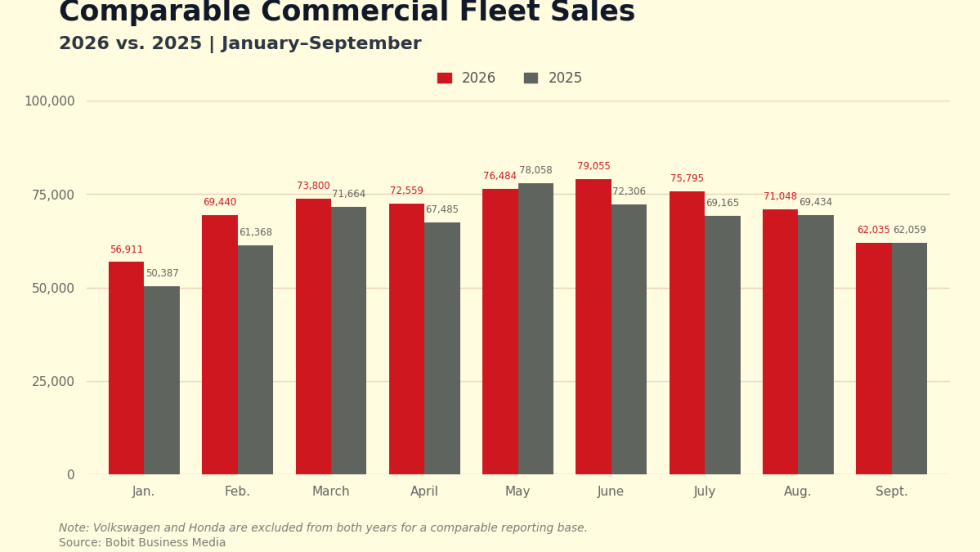
Commercial Fleet Sales Rise 5.8% Through September 2026
September commercial fleet sales were essentially unchanged from a year earlier, slowing year-to-date growth while keeping volume ahead of 2025.
Read More →
Hall of Fame Inductee: John Dmochowsky
The longtime Mondelēz International fleet executive joins the Automotive Fleet Hall of Fame.
Read More →
Hall of Fame Inductee: Lee Miller
After more than four decades at Boehringer Ingelheim, Lee Miller leaves a legacy built on fleet expertise.
Read More →
Hall of Fame Inductee: Mark F. Petersen
From managing fleets of thousands of vehicles to advancing safety and mentoring fellow professionals, Mark F. Petersen made his mark across both the corporate and supplier sides of fleet.
Read More →
When Charger Downtime Becomes a Fleet Availability Problem
As EV deployments move beyond pilot programs, charger reliability can directly affect vehicle readiness, driver productivity and route scheduling.
Read More →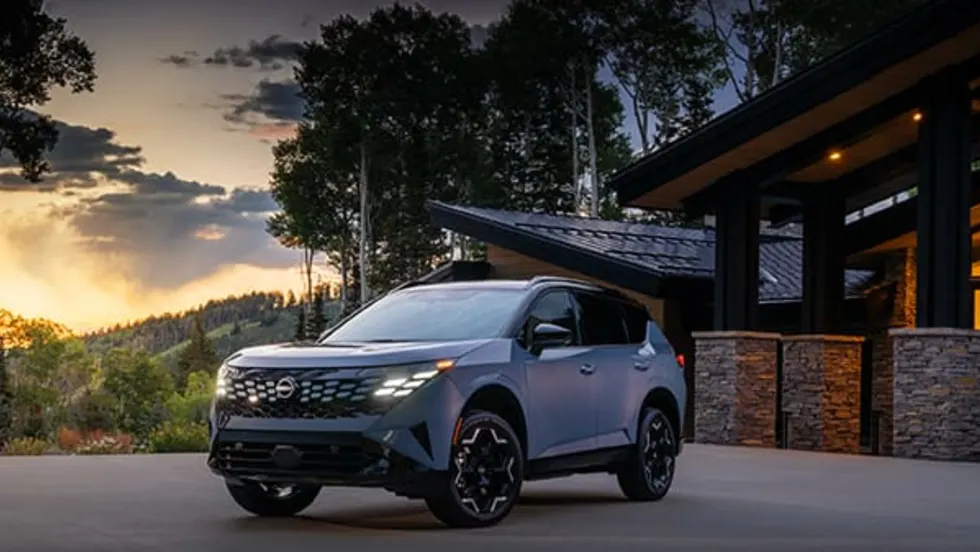
2027 Nissan Rogue Hybrid Adds e-POWER, Standard AWD
The new Rogue Hybrid uses Nissan’s e-POWER system with dual electric motors, offers an estimated 40 mpg and starts at $35,490.
Read More →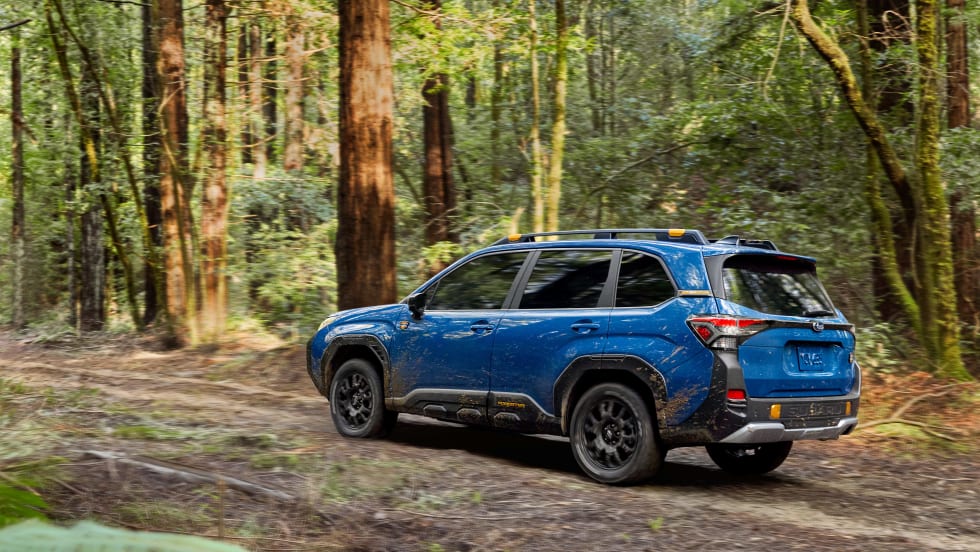
2027 Subaru Forester Adds First Wilderness Hybrid
The 2027 Forester lineup starts at $29,995 and adds a Wilderness Hybrid with 194 combined horsepower and 9.3 inches of ground clearance.
Read More →
EV Realty Names Henrik Holland President as Charging Platform Expands
The former Prologis Mobility and Shell executive will help expand EV Realty’s truck charging business and move its power-first infrastructure model into autonomous vehicle depots and other fleet sectors.
Read More →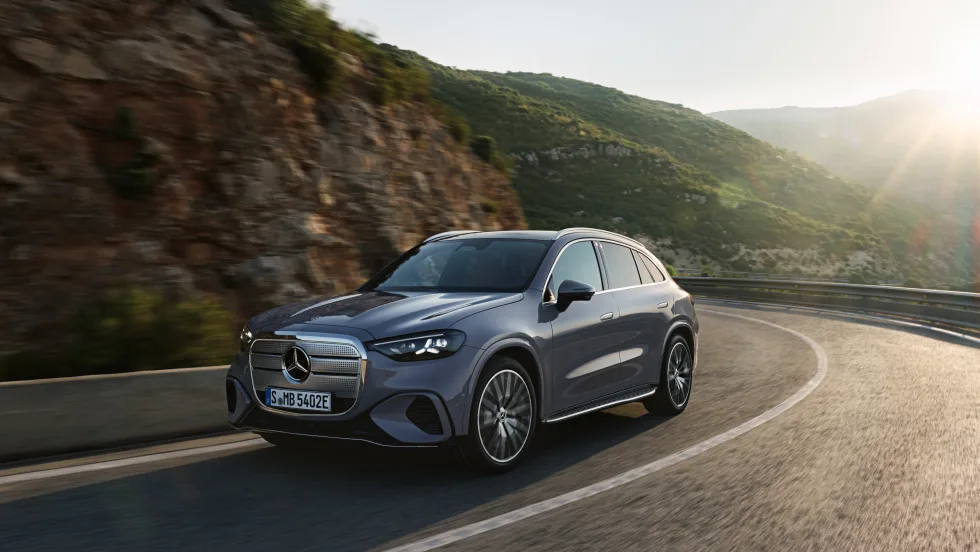
Mercedes-Benz Introduces Electric GLC With Up to 350 Miles of Range
The GLC 400 4MATIC Electric features an 800-volt architecture, 330-kW DC fast charging and a 94-kWh battery, along with Mercedes-Benz's new MB.OS operating system.
Read More →
Fleet Has a Talent Pipeline Problem, not a Talent Problem
Where will the next generation of fleet leaders come from, and what does the industry need to do differently to find them?
Read More →