




Joint Partnership Creates Low-Emission, High-Efficiency Engine Solution
As part of the partnership’s green mission, the combination of Stanadyne’s direct injection fuel pump and injector system and Katech’s vapor lock technology to create one of the first medium-duty engine systems that can deliver propane autogas at a constant 350-bar pressure directly into the engine.

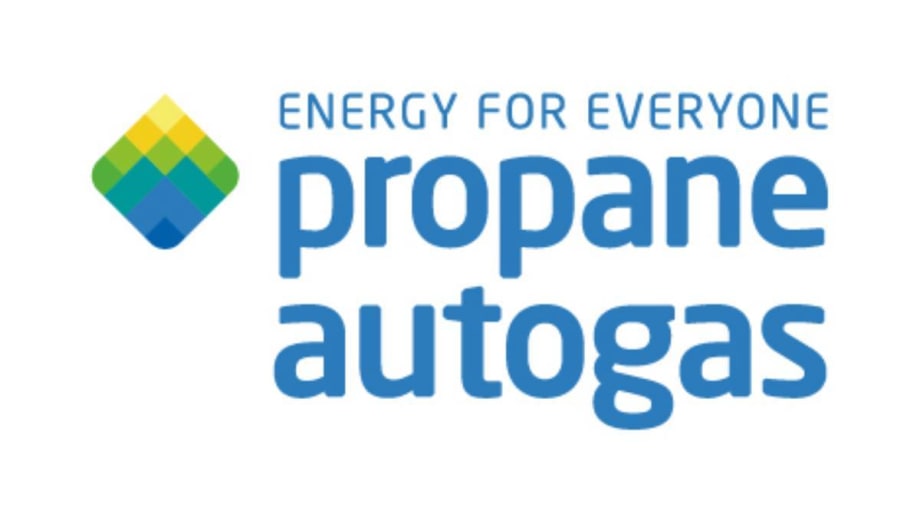
The engine technology overcomes vapor lock, a common technical issue when liquified gases vaporize, which can interrupt fuel pump operation.
Photo: PERC / Stanadyne / Katech Engineering
The Propane Education & Research Council (PERC), in partnership with Stanadyne and Katech Engineering, announced on Sept. 14 that fleet owners looking for a low-emission engine solution will soon have new technology to turn to.
The innovation combines Stanadyne’s direct injection fuel pump and injector system with Katech’s vapor lock technology to create one of the first medium-duty engine systems that can deliver propane autogas at a constant 350-bar pressure directly into the engine.
This has been part of the three company’s combined decarbonization mission.
“The direct liquid injection system for high-vapor pressure gases such as propane autogas has been technically elusive until this joint partnership between PERC, Katech, and Stanadyne materialized,” said PERC director of research and sustainability, Dr. Gokul Vishwanathan in a recent news release. “This technology will be a significant enabler for high-efficiency and low-emission propane and renewable propane-powered engines and hybrids for the on-road and off-road markets.”
The engine technology overcomes vapor lock, a common technical issue when liquified gases vaporize, which can interrupt fuel pump operation. By finding a solution, the new technology improves engine performance and efficiency.
The combined system fueled a standard 6.6L GDI engine during a 250-hour performance and durability test.
The tests successfully demonstrated that the technology works with existing engines and that propane autogas can be a low-carbon, high-performance replacement for gasoline and diesel engines.
“Internal combustion engines are the workhorses of our economy, and this advancement in technology will help them run much more sustainably using renewable fuels,” said Stanadyne President David Zimmerman. “The opportunity to partner with PERC and Katech on this initiative aligns with our commitment to developing solutions bridging the significant adoption gap between fossil-fueled propulsion and low-carbon and zero-carbon fueled vehicles.”
The new technology will help fleet owners exceed the ultra-low emissions mandates going into place in 2027. Compared to diesel, propane autogas reduces harmful nitrogen oxide emissions by 96% and provides a 5% to 10% reduction in carbon dioxide emissions.
The engine technology can also utilize renewable propane, which has a carbon intensity four times lower than conventional diesel.
“In the short term, this engine technology provides medium-duty fleet owners with a decarbonization solution to meet their immediate goals,” said Gavin Hale, director of business development at PERC. “But the real breakthrough is the long-term impact this will have to provide fleets with exactly what they need—a powerful engine that exceeds sustainability goals and reduces fuel and operation costs to provide the lowest total cost of ownership of any energy source.”
More Green Fleet
New Propane Autogas Program Offers Fleet Compensation
Qualified commercial fleets can receive $7,500 per eligible propane autogas vehicle and up to $10,000 for new refueling site prep. Learn how the program works and see whether your fleet qualifies.
Read More →
EV Charging Use Is Outpacing Infrastructure Growth
ChargePoint’s 2026 Charging Forward Report points to rising charger use, higher-powered charging, commercial vehicle electrification, and energy-management technology. Here’s what fleets should know.
Read More →
Merchants Fleet Reports 290M EV Miles as Fleets Navigate Changing Electrification Market
From millions in operating savings to hundreds of millions of EV miles, Merchants Fleet’s latest report reveals what’s working and what’s changing in fleet electrification.
Read More →
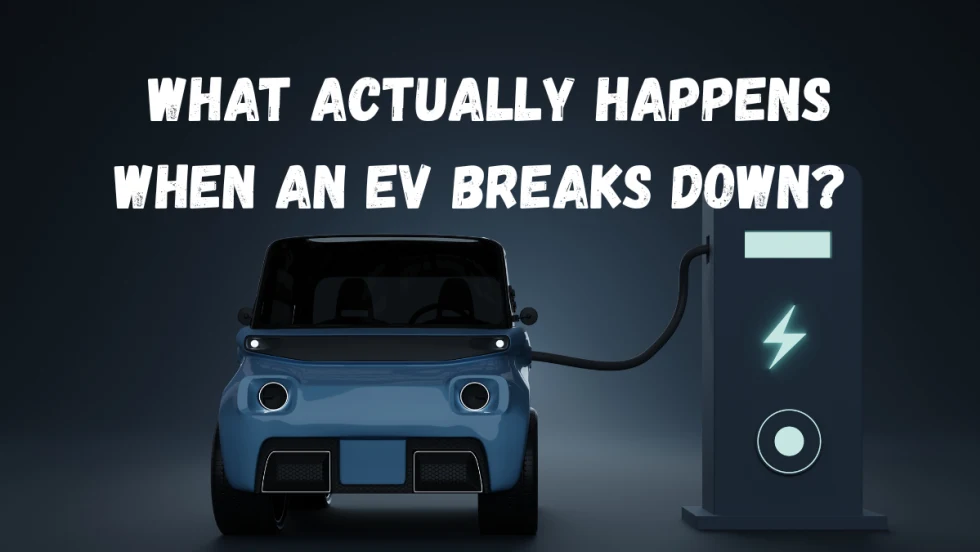
The EV Breakdown Nobody's Talking About: Why Most Electric Vehicle Roadside Calls Aren't Mechanical Failures
Here's why EV breakdowns are widely misunderstood.
Read More →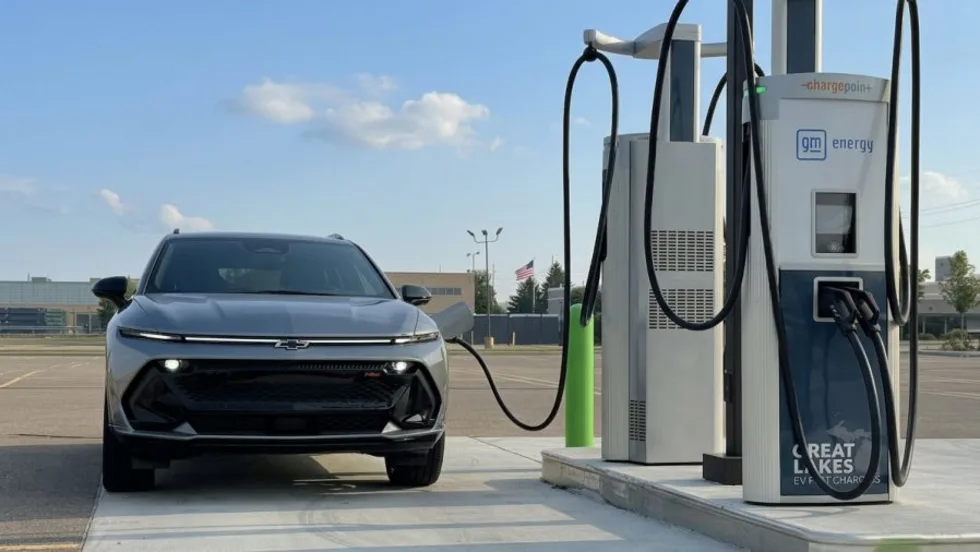
ChargePoint Now Available in Energy Pass
ChargePoint and additional planned charging network integrations were added to GM's Energy Pass.
Read More →

First Look: Slate Auto's Electric Fleet Pickup
Could an affordable, modular EV pickup make electrification more practical for fleets?
Read More →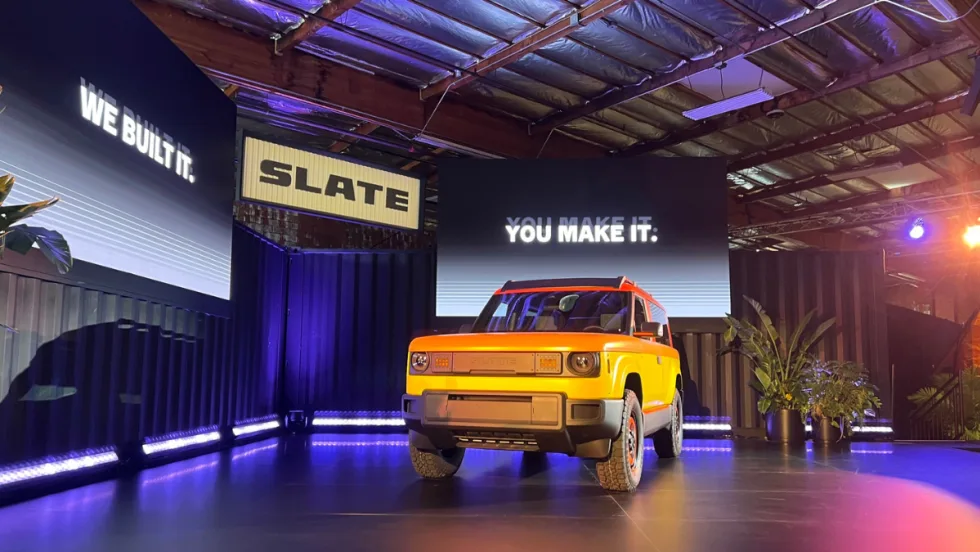
Slate Debuts Colorful, Unique EV Models
A recent media and client event, studded with electric vehicles dressed up on platforms, planted a new position for the manufacturer in the wider EV market. Fleets will find cost-saving advantages.
Read More →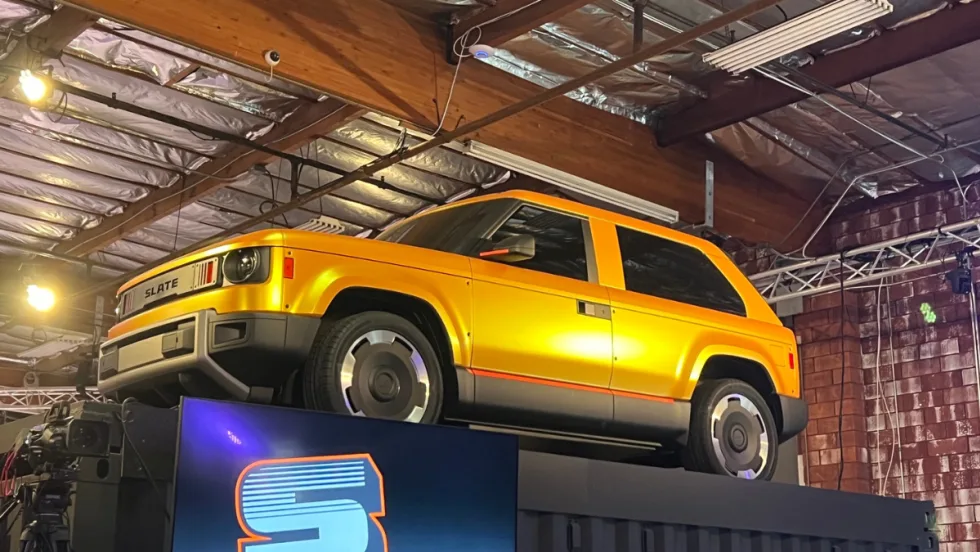
Slate Electric SUV, Pickup Switchable Model Aims For Light-Duty Fleets
Everything about this EV is counterintuitive and understated, making it stand out from the crowd.
Read More →
Inspiration Mobility Acquires Key Electrada Assets
Inspiration Mobility Group has acquired select assets of Electrada, adding the fleet electrification provider's team, technology, and charging infrastructure development capabilities to its energy management business.
Read More →