





Vans Off-Road: Ford Pro Teases 2023 Ford Transit Trail Van
The Death of the Small Compact Van
The last of a dying breed of compact vans is discontinued. Where does that leave fleets?
September 7, 2022
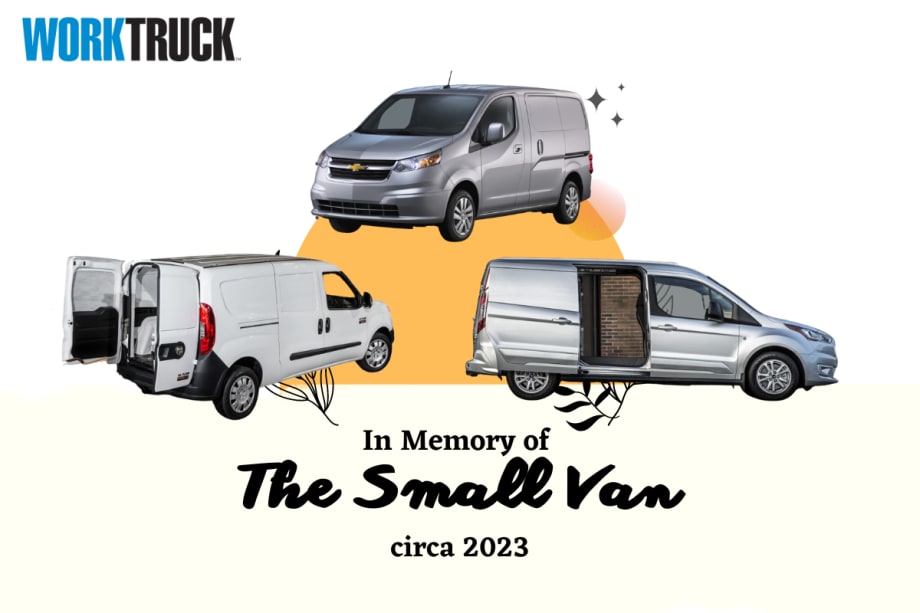
The small van has been dealt the death blow with the recent announcement of the end of the Ram ProMaster City van.
Photo: Work Truck/Canva
4 min to read
For decades, small vans have been a staple of commercial fleets. These compact cargo vans provided a cost-effective and efficient way of transporting goods and services.
But, in recent years, there has been a sharp decline in the popularity of small cargo vans, as fleets continually opt for larger cargo vans for load capacity options.
While the death of the small van may seem minor, it can have major implications for fleets that operate in urban areas or require the benefits that a compact cargo van offers.
Will fleets soon see the death of small commercial vans?
As more OEMs remove them from their lineups, that seems to be the case.
What Vans Will Be Taken off the Market?
If the fleet industry is seeing the death of the small van, it’s been a slow one, playing out over the last four years.
It started in 2018 when GM cut the Chevrolet City Express small van (produced by Nissan) from its roster. Three years later, Nissan said goodbye to commercial vans, ceasing North American sales of the full-size NV200 and the smaller NV Cargo in 2021.
This year, the trend is snowballing. Three more OEMs recently announced production would stop on their small van models:
Ford Motor Company will stop selling the Ford Transit Connect in the United States by the end of 2023.
Mercedes-Benz will end U.S. sales of its Metris minivan following the 2023 model-year.
Stellantis will discontinue the Ram ProMaster City after the 2022 model-year.
The ProMaster City could have been the holdout among a dying breed, but Stellantis was simply the last to announce its compact cargo van’s departure.
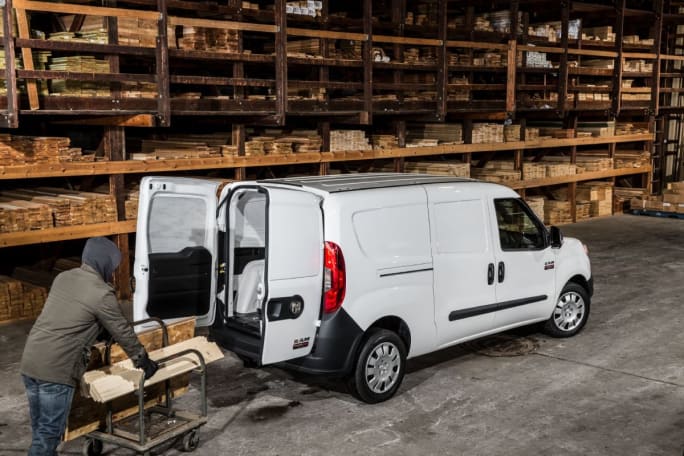
The Ram ProMaster City was the last in the line of small vans to announce the cease of production. The 2022-MY van offered 178 horsepower standard and up to 131.7 cubic feet of cargo space. Available in both the cargo van and wagon models, the vans featured a max payload of 1,900 pounds.
Photo: Ram Trucks
Why Are Automakers Killing Small Cargo Vans?
Ken Hampel, product operations manager, Full-Size Commercial Vans at GM, said the trend reflects U.S. demand.
“Anecdotally, I have seen a shift in demand from small vans to full-size vans,” he said.
Additionally, Dave Sowers, head of Ram Commercial, shared details as to why the Ram ProMaster City production is concluding.
“We decided to conclude ProMaster City production as we continue to pivot towards an electrified future with a wide range of products designed to meet the needs of small businesses, work truck fleets, and demanding buyers whose commercial vehicle may be his or her company’s lifeblood. We don’t discuss future product plans. However, Ram will offer fully electrified solutions in most of its segments by 2025, and a full portfolio of electrified solutions for all its segments no later than 2030,” Sowers said.
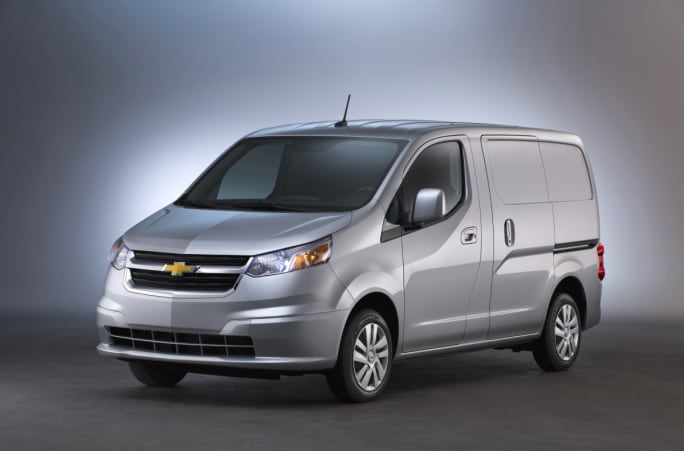
All-new for the 2015 model-year and last manufactured for the 2019 model-year, the Chevrolet City Express van boasted a 2.0L four-cylinder engine that achieved 131 horsepower and 139 lb.-ft. of torque.
Photo: General Motors
All three of the most recent OEMs stopping production of small commercial vans have seen demand drop over the last few years. Even sales of the Ford Transit Connect, which has dominated market share in this segment, saw a 25% decline between 2020 and 2021.
Amid declining demand, some automakers are shifting focus to full-size electric commercial vans. That shift could also explain the small utility van’s death, with funds being reallocated to investments in the new technology.
For instance, Ford already has the E-Transit on the market. Mercedes has plans to begin production on the eSprinter, the electric version of its full-size Sprinter van, in 2023. And GM intends for its new BrightDrop division to sell electric cargo vans to commercial clients.
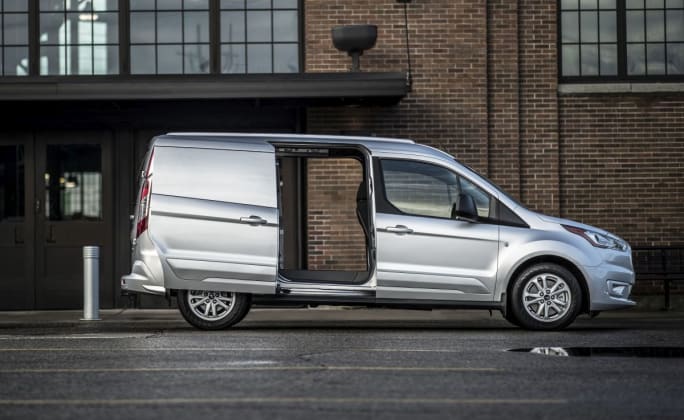
The Ford Transit Connect was available in cargo van and passenger wagon with its last updates in 2020. It is powered by a 2.0L four-cylinder engine with an optional 2.5L iVCT I-4 gasoline engine for fleet customers.
Photo: Ford
Why Do Fleets Still Need Small Cargo Vans?
Larger cargo vans may have higher cargo and load capacity for fleets looking to haul larger, heavy goods. But, a compact cargo van can offer the perfect interior space for smaller businesses when compared with larger commercial vehicles.
Often operating on city streets and needing the fuel economy that doesn't kill a fuel budget, the smaller van, like the Ford Transit Connect, is ideal for tighter city driving. And these are often the best cargo van for the small business fleet just getting started.
Plus, these smaller versions of the cargo van often come with a lower price tag, too.
What Can Fleets That Rely on a Compact Cargo Van Do?
Fleets that have opted for compact vans for their fuel efficiency may find some relief in larger electric models, depending on their application.
Hampel said large vans that run on traditional fuel could be a good fit for fleets finding a replacement for small vans and can reduce downtime costs by way of dependability as well.
“Full-size vans are workhorses and are truly built for reliability and durability, which is so important for fleets,” Hampel said. “For fleet managers, durability is everything. We try to engineer our vans and other vehicles to help mitigate downtime and maintenance needs. We find that when our customers retire a full-size van, they often want to replace it with another full-size van.”
Still considering buying a compact cargo van? You may just need to go electric. But until that's your only option, we've got a few more tips to help you spec and buy the van you need. A don't forget about the compact truck as another option for your changing work truck fleet needs!
Topics:Compact VansvansGeneral MotorsChevrolet City ExpressFord Transit ConnectNissan NV200Ram ProMaster CityVehicle Research
Originally posted on Work Truck Online
Subscribe to Our Newsletter
More Vehicle Research
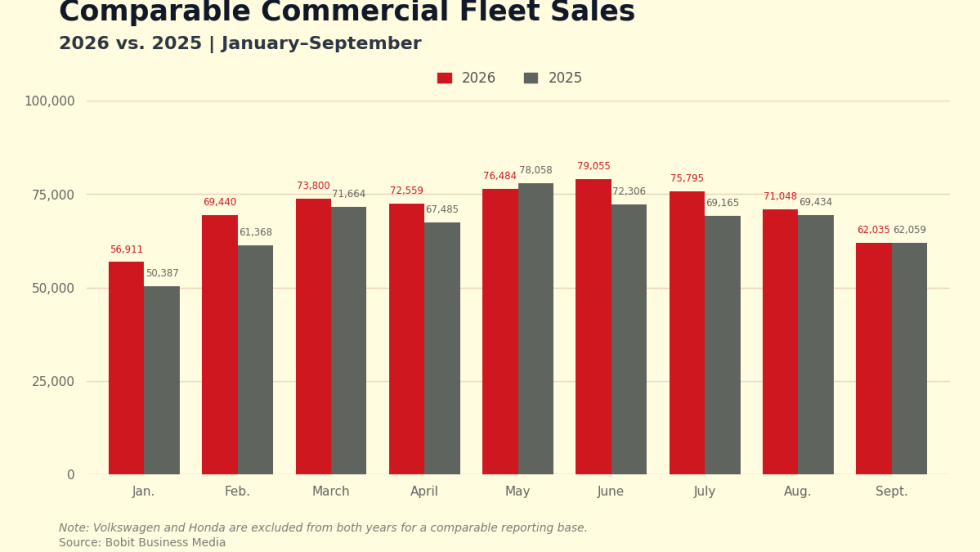
Commercial Fleet Sales Rise 5.8% Through September 2026
September commercial fleet sales were essentially unchanged from a year earlier, slowing year-to-date growth while keeping volume ahead of 2025.
Read More →
Hall of Fame Inductee: John Dmochowsky
The longtime Mondelēz International fleet executive joins the Automotive Fleet Hall of Fame.
Read More →
Hall of Fame Inductee: Lee Miller
After more than four decades at Boehringer Ingelheim, Lee Miller leaves a legacy built on fleet expertise.
Read More →
Hall of Fame Inductee: Mark F. Petersen
From managing fleets of thousands of vehicles to advancing safety and mentoring fellow professionals, Mark F. Petersen made his mark across both the corporate and supplier sides of fleet.
Read More →
When Charger Downtime Becomes a Fleet Availability Problem
As EV deployments move beyond pilot programs, charger reliability can directly affect vehicle readiness, driver productivity and route scheduling.
Read More →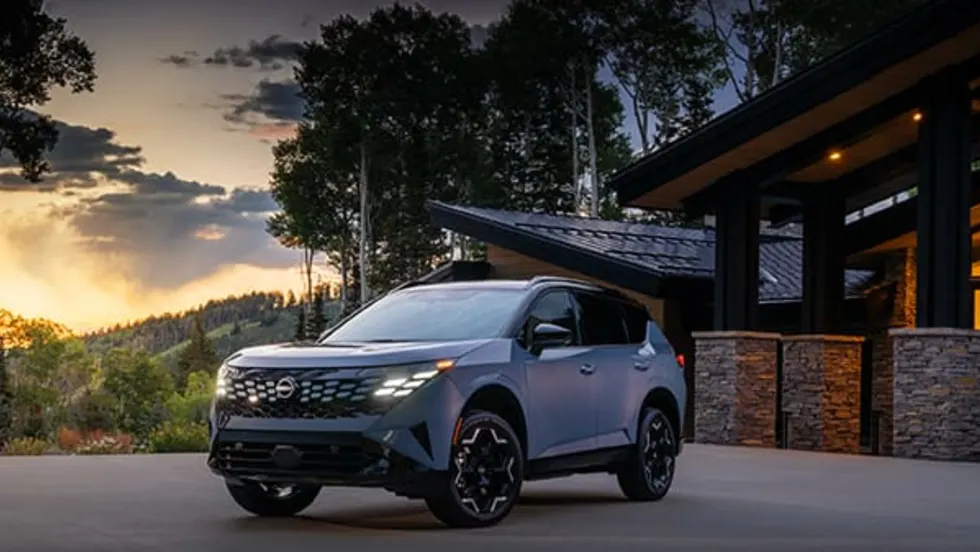
2027 Nissan Rogue Hybrid Adds e-POWER, Standard AWD
The new Rogue Hybrid uses Nissan’s e-POWER system with dual electric motors, offers an estimated 40 mpg and starts at $35,490.
Read More →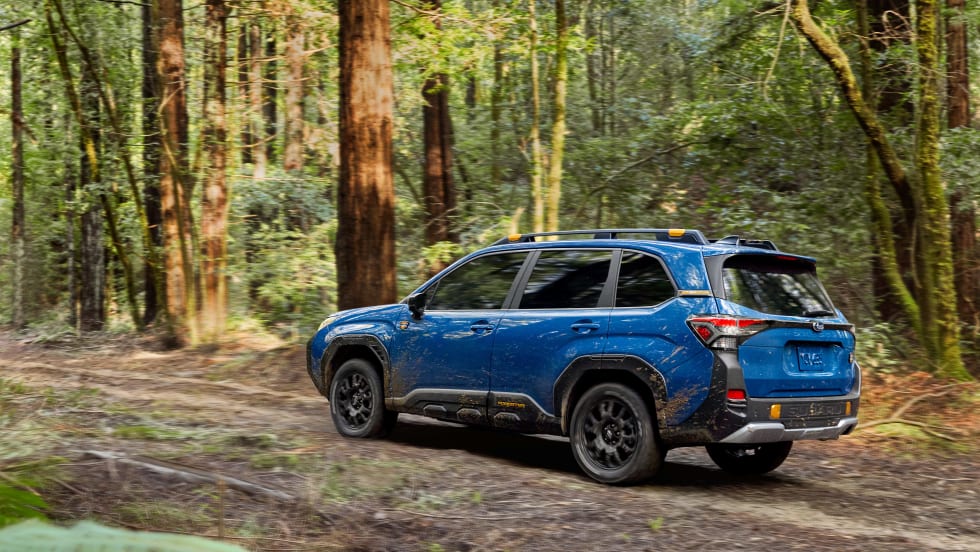
2027 Subaru Forester Adds First Wilderness Hybrid
The 2027 Forester lineup starts at $29,995 and adds a Wilderness Hybrid with 194 combined horsepower and 9.3 inches of ground clearance.
Read More →
EV Realty Names Henrik Holland President as Charging Platform Expands
The former Prologis Mobility and Shell executive will help expand EV Realty’s truck charging business and move its power-first infrastructure model into autonomous vehicle depots and other fleet sectors.
Read More →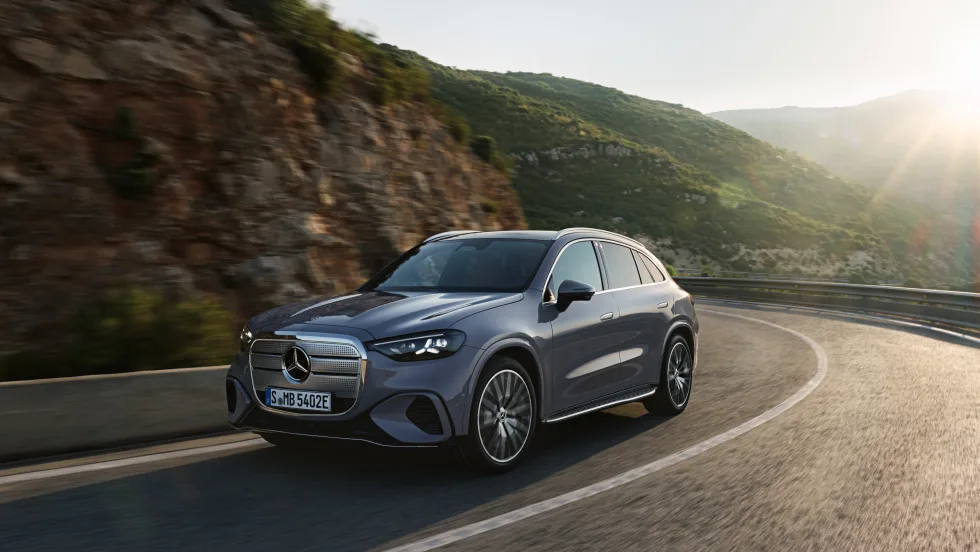
Mercedes-Benz Introduces Electric GLC With Up to 350 Miles of Range
The GLC 400 4MATIC Electric features an 800-volt architecture, 330-kW DC fast charging and a 94-kWh battery, along with Mercedes-Benz's new MB.OS operating system.
Read More →
Fleet Has a Talent Pipeline Problem, not a Talent Problem
Where will the next generation of fleet leaders come from, and what does the industry need to do differently to find them?
Read More →