


 MENU
MENU SEARCHMENUSEARCH
Loading data...
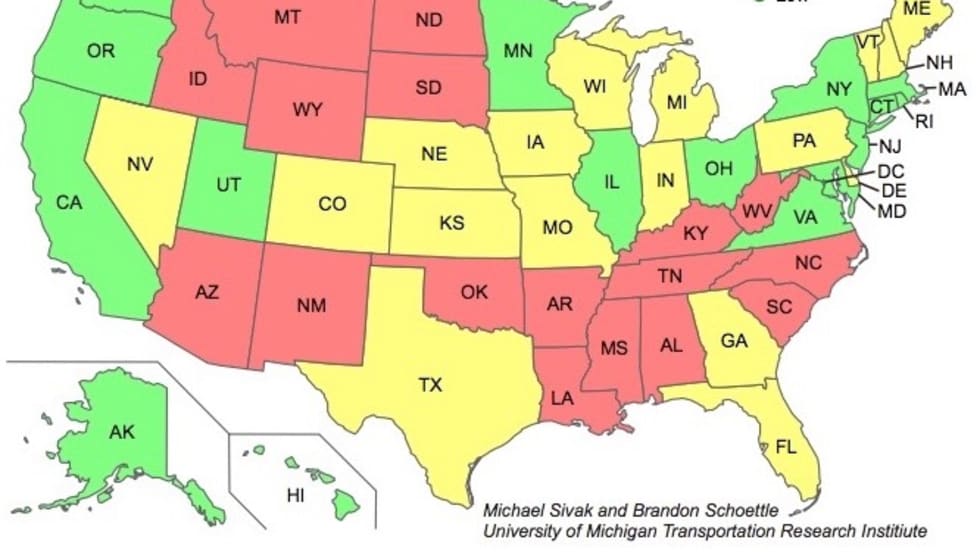
Montana, Mississippi and North Dakota have the highest fatality rates from road crashes per 100,000 people, researchers found.
Read More →



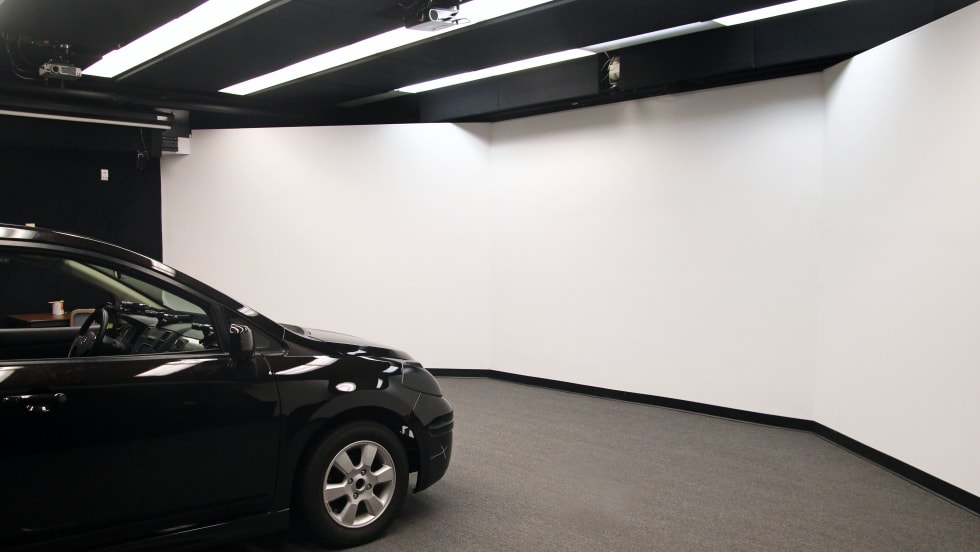
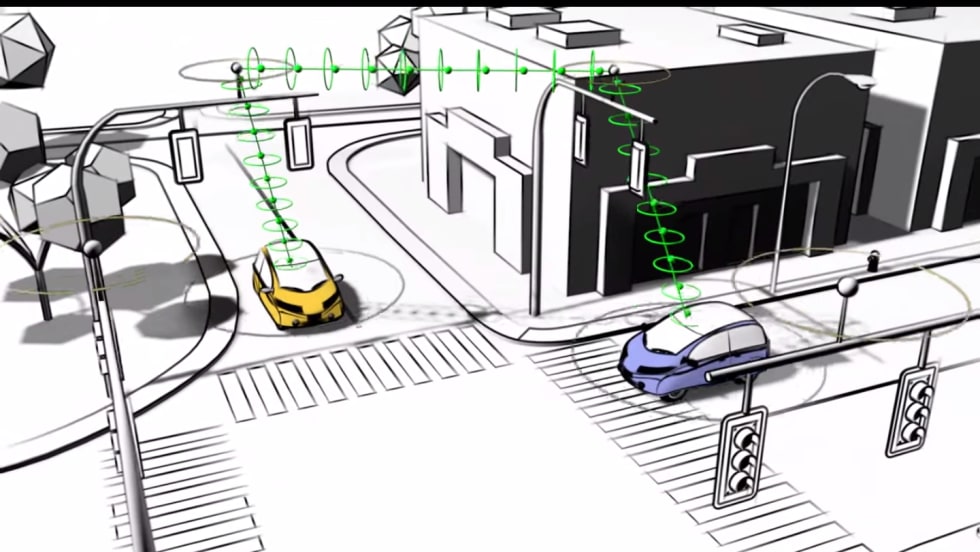
Daily commuting and work related traveling has increased slightly while total travel time per person has decreased over the past 11 years, according to a study by the University of Michigan's Transportation Research Institute.
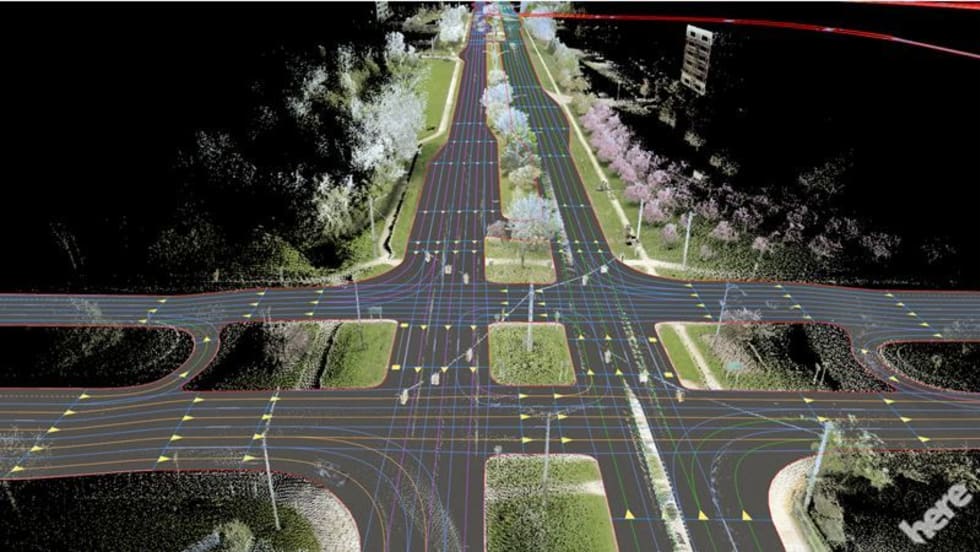
Read More →Nokia business unit Here has begun offering its high-definition mapping data to automotive suppliers in parts of the U.S., France, and Germany to advance automated driving technology, according to the company.
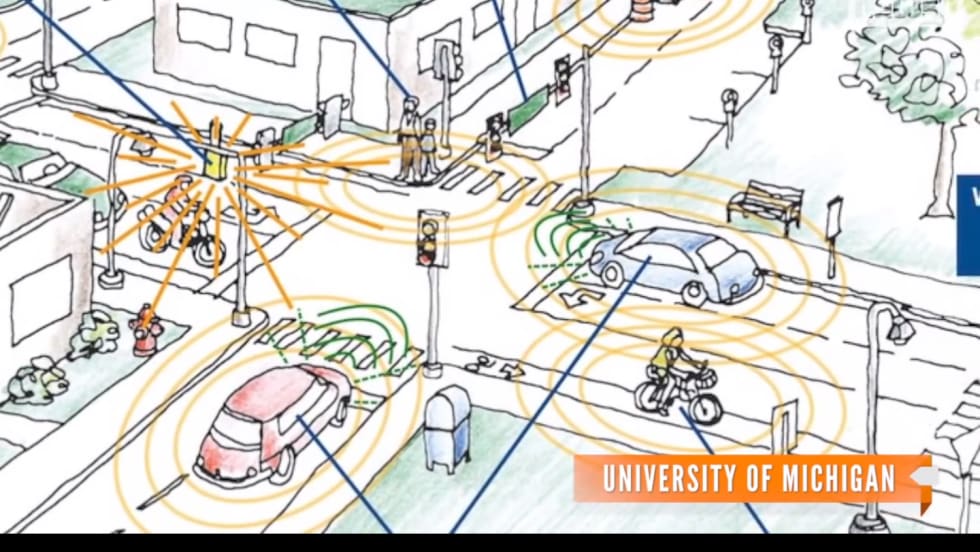
Read More →The University of Michigan has opened Mcity, a 32-acre simulated town to allow automakers to test autonomous vehicles.
Read More →All headlights in the U.S. auto market must still comply with an old rule requiring lights to have both low and high beams – a regulatory roadblock for some adaptive headlight systems.
Read More →Emergency response agencies can use the additional information to fine-tune how they dispatch first responders to the scene of a crash.
Read More →The University of Michigan’s Transportation Research Institute is busy examining the human factor in automated driving, including how drivers respond when vehicle control is transferred back to them.
Read More →The University of Michigan campus will soon be home to a 32-acre testing facility for connected and automated vehicle technologies.
Read More →The 32-acre facility will feature merge lanes, stoplights, intersections, roundabouts, road signs, a railroad crossing, building facades and more.
Read More →General Motors and the University of Michigan will continue their collaborative automotive research efforts through 2017, the automaker has announced.
Read More →