





Related News: Used Vehicle Supply Falls, Inventory Up
Vehicle Inventory Holds Steady Amid Upward Momentum
While inventory is growing, vehicles are moving off lots faster than they were a year ago.
September 12, 2025
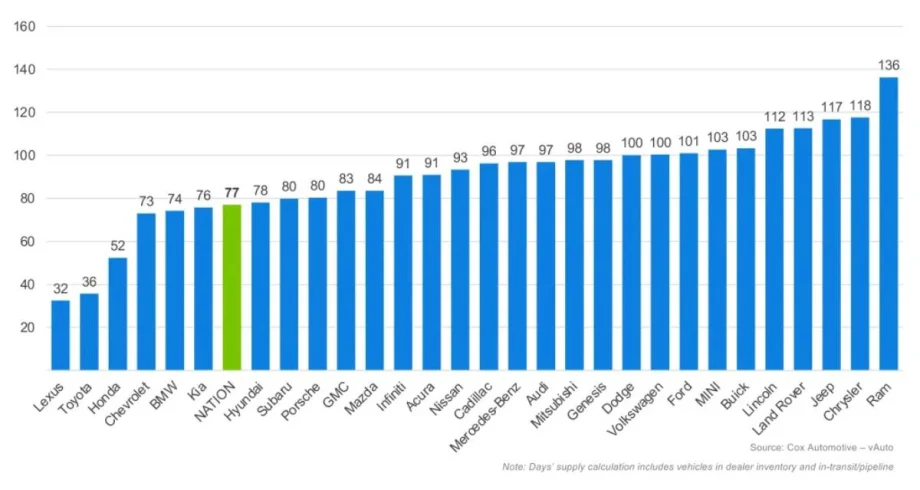
Days’ supply rose to 77, up 4.1% from August, but down 10% year over year, indicating that while inventory is growing, vehicles are moving off lots faster than they were a year ago.
Graphic: Cox Automotive
3 min to read
New-vehicle inventory is gradually increasing as next-model-year vehicles arrive and measures to encourage electric vehicle purchases take effect.
Sales in August were higher compared to previous months and the previous year; new-vehicle inventory and days’ supply have declined year over year, based on Cox Automotive’s analysis of vAuto Live Market View data released Sept. 11.
As of early September, the total U.S. supply of unsold new vehicles stands at 2.76 million units, marking a 4.8% increase month over month, but still 3.9% below last year’s levels. This modest rise in inventory suggests a stabilizing supply chain, although not yet a full recovery to pre-pandemic norms.
Days’ supply rose to 77, up 4.1% from August, but down 10% year over year, indicating that while inventory is growing, vehicles are moving off lots faster than they were a year ago. This dynamic reflects a more balanced market, with automakers showing discipline in uncertain times and consumer demand holding steady.
The average listing price climbed to $48,697, a slight 0.2% increase from August, and up 4% compared to September 2024. This continued upward trend in pricing reflects both inflationary pressures and a continued shift in consumer preference toward higher-trim models and larger vehicles.
The sales pace was also healthy in August, according to the vAuto data, with new-vehicle sales up 0.7% month over month and a robust 6.7% increase year over year. This growth is driven by the urgency of electric vehicle sales as the market rushes to capitalize on expiring tax credits, while dealers capitalize on increased traffic with eye-popping incentives offered on EVs.
Inventory Trends: A Tale of Two Halves
The first half of 2025 saw a clear decline in inventory from January through May, driven by an initial rush on sales amid widespread media coverage of potential tariff-induced price hikes. Consumers moved quickly to secure vehicles before anticipated cost increases, leading to a sharp drawdown in available supply.
From May onward, however, the inventory story shifted into a steady state. A big part of the ongoing downward pressure on supply can be attributed to manufacturers' failure to replenish their EV models, coupled with their highly disciplined approach to underperforming models and those directly affected by tariffs. Meanwhile, more successful models have been slowly recovering in inventory, suggesting a strategic recalibration by automakers to focus on profitability and demand alignment.
Brand-Level Inventory Discipline and Potential Strategic Shifts
Within the Stellantis portfolio, niche players like Fiat and Alfa Romeo are shrinking inventory. Whether this signals a broader strategic shift or a potential wind-down of these brands in the U.S. remains to be seen. Their reduced presence could open the door for Stellantis to reallocate resources toward more competitive segments or emerging technologies.
The same could be said for low-volume, import-focused brands like MINI, Infiniti, and Jaguar (Jaguar is in the midst of a strategic rethink; days’ supply is more than twice the industry average). Meanwhile, brands like Toyota, Honda, and Kia are seemingly holding production in balance with demand. Chevrolet and Mazda are showing strong inventory discipline as well.
Looking Ahead
Although inventory levels remain below last year’s benchmarks, the upward momentum in sales and pricing reveals a resilient and adaptive market.
The first half of 2025 saw big inventory drawdowns as consumers rushed to purchase vehicles ahead of anticipated tariff-driven price hikes, while the latter half is beginning to show disciplined manufacturer replenishment strategies and selective focus on profitable, in-demand models.
As we approach the final quarter of the year, attention will center on how automakers recalibrate production, respond to cost pressures, and leverage promotional activities, all while consumers weigh new incentives amid rising retail prices.
More Vehicle Research
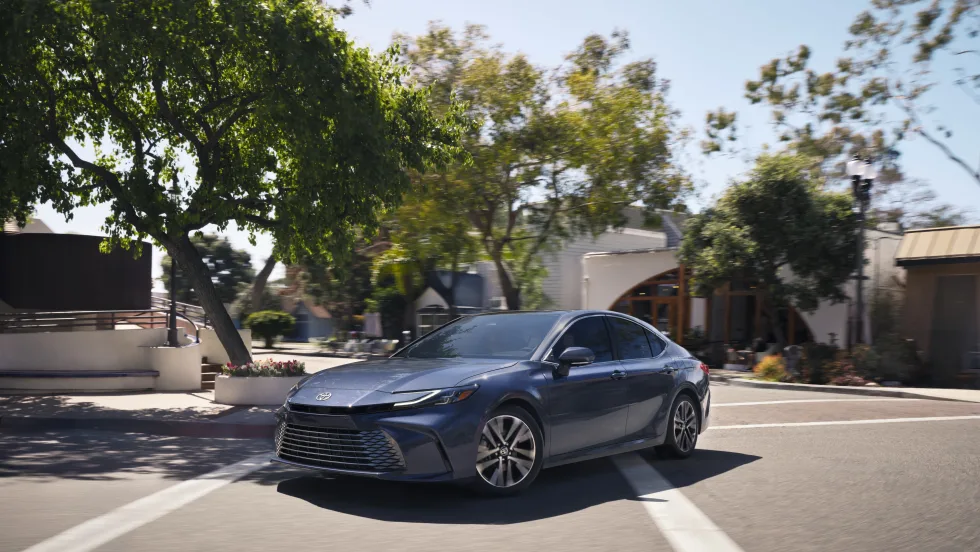
2027 Toyota Camry Offers Hybrid Powertrain Across Five Grades
The 2027 Toyota Camry is a carryover with new pricing.
Read More →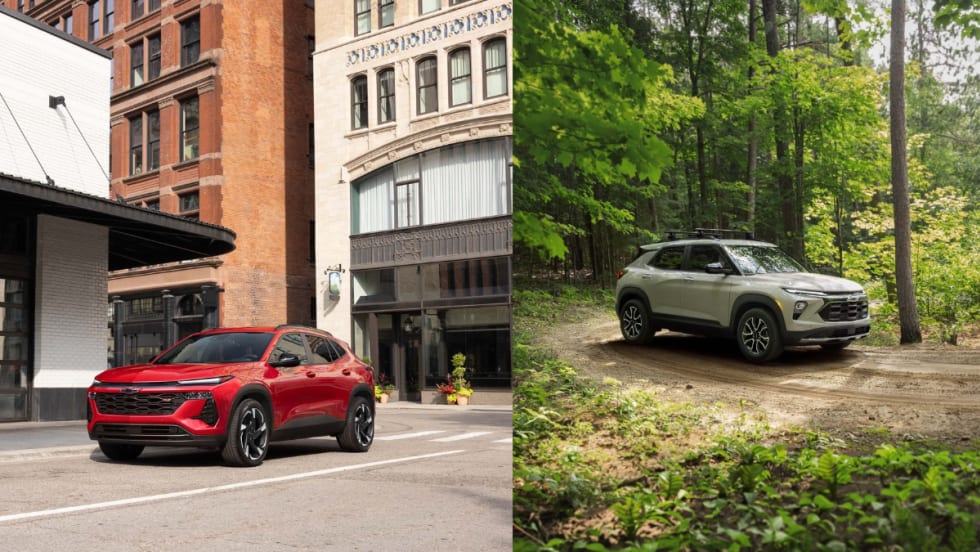
Chevrolet Updates 2027 Trax and Trailblazer with More Standard Safety Features
Chevrolet is updating two of its smallest SUVs with added driver-assistance technology, redesigned interiors, and revised trim options. The changes could add more safety equipment as standard for commercial fleets, while a new Trailblazer configuration adds another all-wheel-drive option.
Read More →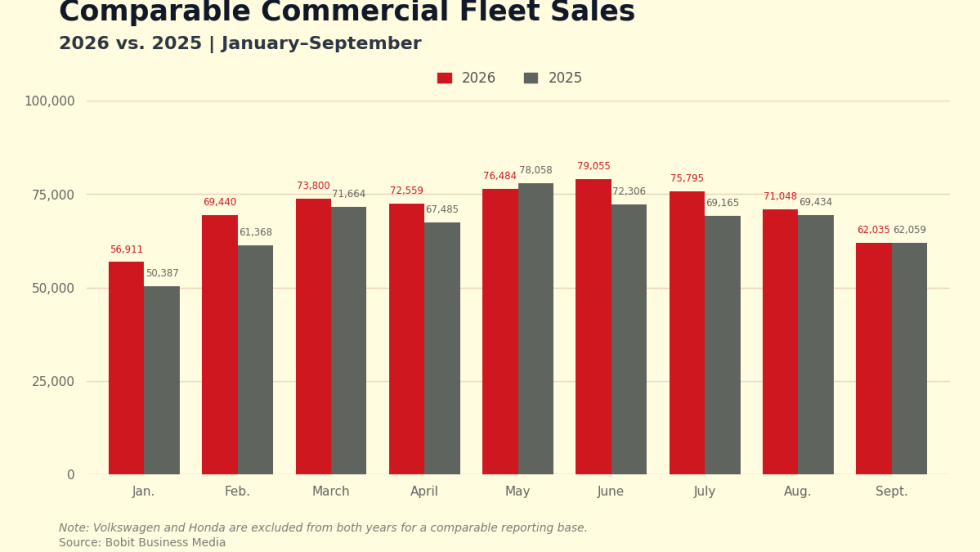
Commercial Fleet Sales Rise 5.8% Through September 2026
September commercial fleet sales were essentially unchanged from a year earlier, slowing year-to-date growth while keeping volume ahead of 2025.
Read More →
Hall of Fame Inductee: John Dmochowsky
The longtime Mondelēz International fleet executive joins the Automotive Fleet Hall of Fame.
Read More →
Hall of Fame Inductee: Lee Miller
After more than four decades at Boehringer Ingelheim, Lee Miller leaves a legacy built on fleet expertise.
Read More →
Hall of Fame Inductee: Mark F. Petersen
From managing fleets of thousands of vehicles to advancing safety and mentoring fellow professionals, Mark F. Petersen made his mark across both the corporate and supplier sides of fleet.
Read More →
When Charger Downtime Becomes a Fleet Availability Problem
As EV deployments move beyond pilot programs, charger reliability can directly affect vehicle readiness, driver productivity and route scheduling.
Read More →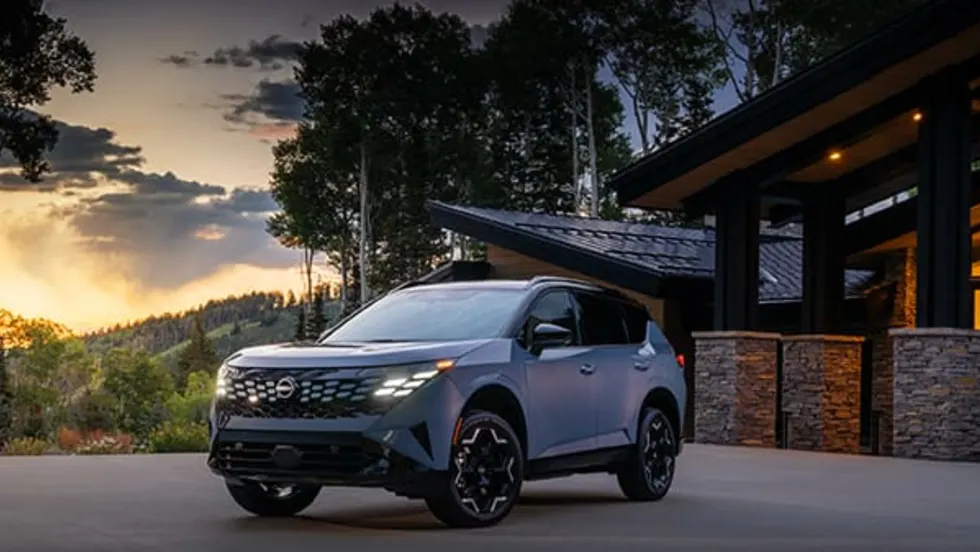
2027 Nissan Rogue Hybrid Adds e-POWER, Standard AWD
The new Rogue Hybrid uses Nissan’s e-POWER system with dual electric motors, offers an estimated 40 mpg and starts at $35,490.
Read More →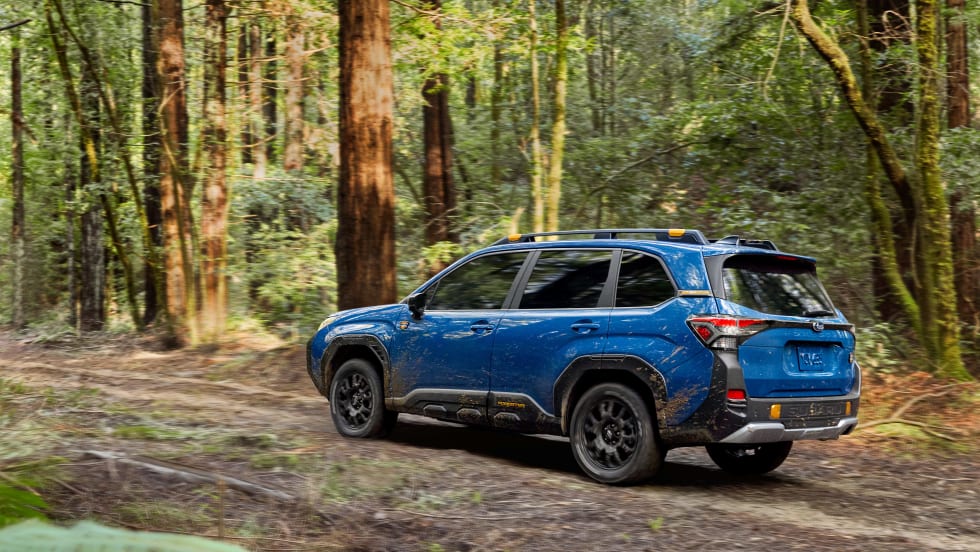
2027 Subaru Forester Adds First Wilderness Hybrid
The 2027 Forester lineup starts at $29,995 and adds a Wilderness Hybrid with 194 combined horsepower and 9.3 inches of ground clearance.
Read More →
EV Realty Names Henrik Holland President as Charging Platform Expands
The former Prologis Mobility and Shell executive will help expand EV Realty’s truck charging business and move its power-first infrastructure model into autonomous vehicle depots and other fleet sectors.
Read More →