





Want More? Fueling Savings: How Commercial Fleets are Lowering Fuel Spend
Remote Fuel Site Controller Allows for Stronger, More Secure Site Management
A closer look at the new solution from Dover Fueling Solutions that allows you to control your fuel sites from afar on a single platform. Plus, how it protects your fuel from suspected theft.
July 31, 2024

Fleet operators can remotely monitor and manage their fueling devices from any location using a PC, tablet, or mobile device.
Photo: Dover Fueling Solutions
3 min to read
Dover Fueling Solutions, recently launched its PetroVend Synergy Fuel Site Controller, or PetroVend Synergy FSC. The singular platform is aimed at supporting commercial fleet operations with onsite fueling.
Consolidating to a Streamlined System
PetroVend Synergy FSC consolidates multiple functionalities, including advanced Proprietary Card File (PCF) capabilities, into a streamlined package.
By integrating previously separate systems into one comprehensive solution, PetroVend Synergy FSC can simplify operations and reduce points of failure, leading to cost savings for fleet customers.
Fleet operators can now remotely monitor and manage their fueling devices from any location using a PC, tablet, or mobile device by watching transactions in real-time.
When combined with DX Fleet, a required subscription for use of the platform, PetroVend Synergy FSC provides real-time visibility into site operations, transactions, and alerts, allowing for proactive issues management from afar.
“With PetroVend Synergy FSC, we are delivering a comprehensive solution to key challenges fleet operators face every day,” DFS Fleet Product Management Senior Manager Michael Boyd said. “By integrating remote monitoring, advanced PCF capabilities and streamlined hardware, PetroVend Synergy FSC sets a new industry benchmark for operational excellence and cost-effectiveness.”
Customizing Solutions for Fleet Customers
PetroVend Synergy FSC's enhanced PCF capabilities allow fleet managers to set specific fueling rules based on vehicle type, time of day, and fuel type, ensuring precise control over fuel distribution and site operations and enhancing overall efficiency.
PetroVend Synergy FSC streamlines hardware requirements by integrating dispenser communications into the controller. This simplifies installation and maintenance.
Protecting Fueling Sites From Misuse
There are several security features built into the PCF capabilities to prevent unauthorized access and fuel theft, Boyd told Automotive Fleet.
One of these features is mileage reasonability, which asks users for odometer readings from the vehicles at the time of fueling. A range can be set in the system to validate whether the vehicle has attempted to fuel too many times or can be used to track vehicle maintenance schedules.
Another security feature is incorrect PCF entries, which allows limits to be implemented if users don’t enter the correct credentials a set number of times. For example, a limit can include additional prompts or even disabling the card.
The limit will also trigger an alert in the system that can be tracked.
Pump sentry alerts are another security feature built into the controller. Pump sentry is triggered when the system sees three zero-quantity transactions at a pump sequentially. This could look like someone trying to siphon fuel from the pump.
The alarm is tracked in the system and is one of the major reasons the DX Fleet dashboard keeps records of zero-quantity transactions.
What's Next for PetroVend Synergy FSC
PetroVend Synergy FSC will soon support Automatic Vehicle Identification (AVI), which captures vehicle identification data without drivers needing to do anything. The solution will transition AVI to a software-based integration, significantly simplifying the process.
According to Boyd, AVI for PetroVend Synergy FSC will launch mid-2025.
The solution will also expand its capabilities to include fleet card processing, starting with Wex integration. This feature will enable operators to manage multiple fleet cards seamlessly, further enhancing efficiency and growth.
The previous generation of Dover's fuel site controller forced additional third-party integration and devices to facilitate connectivity to fleet networks for authorization. With the adoption of the Synergy platform, those capabilities are available in-house to authorize and drive network traffic safely.
Customers will no longer need to create additional accounts with other companies or purchase hardware on-site to employ fleet networks, Boyd said.
More Fuel
Fuel Prices Surge in September | September Fuel Update
September brought major fuel price swings, including diesel crossing $6 a gallon. Here’s how gas and diesel prices changed throughout the month, and where they stood heading into October.
Read More →
Turning Fleet Payment Data into Executive Insights
Ramel Lindsay of U.S. Bank Voyager discusses how fleets can transform payment and transaction data into actionable intelligence to reduce costs, improve oversight, and support executive decision-making.
Read More →
Why the IRS Raised Its Mileage Rate in the Middle of 2026
Fuel-price volatility drove the rare increase to 76 cents per mile, the fifth midyear adjustment since 2000.
Read More →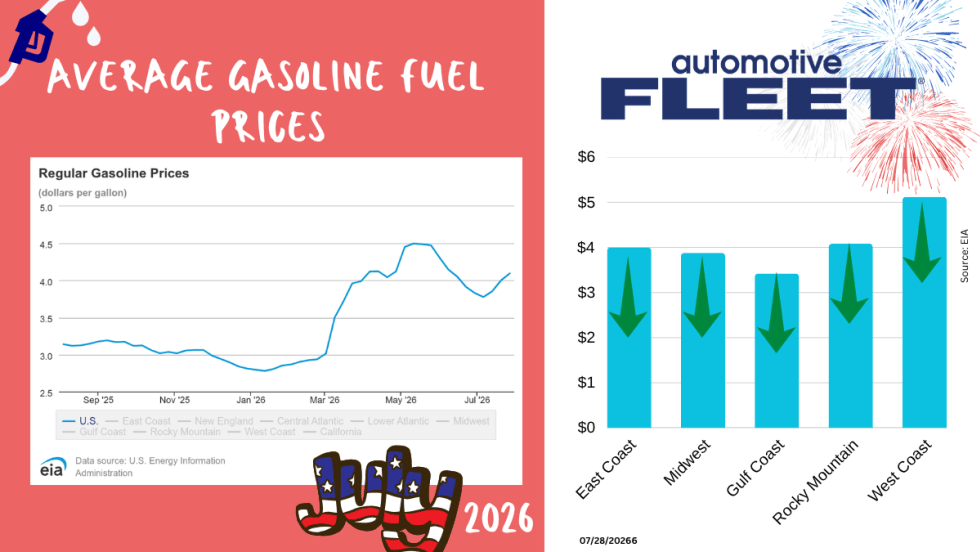
July Fuel Update: Prices Keep Rising in Light of More Conflict
Gas prices continue to rise as more and more conflicts do, too.
Read More →
Bob Adamsky on Fuel Volatility: "Don't Panic, Have a Plan."
When it comes to up and down fuel prices, Adamsky has a message for fleets: “Don’t panic.”
Read More →
How Fleets Can Gain Control of Non-Fuel Spend
Fuel often gets the spotlight, but non-fuel expenses can have a major impact on fleet costs. Ramel Lindsay of U.S. Bank Voyager discusses how fleets can gain better visibility and control over these often-overlooked expenditures.
Read More →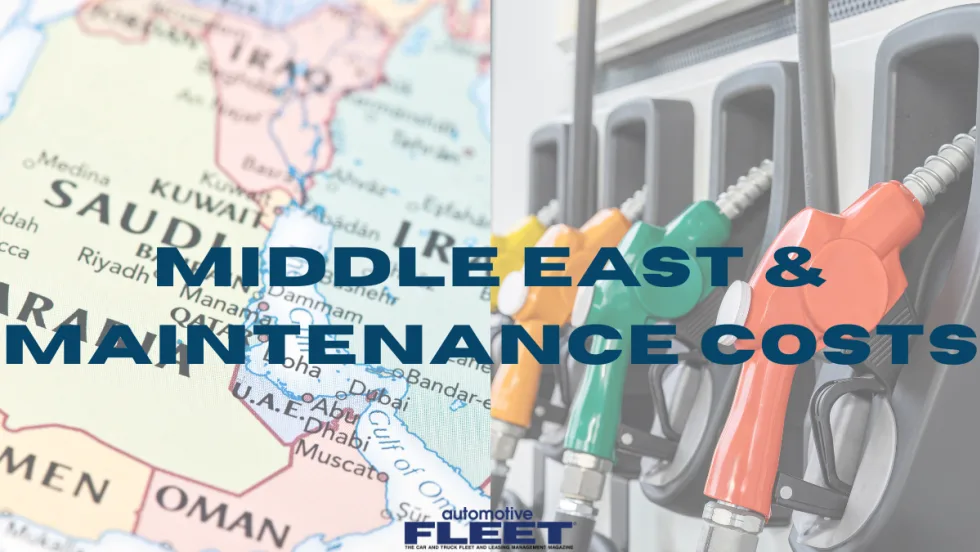
Fuel is Just the Start: How Middle East Tensions are Driving Up Fleet Maintenance Costs
The Middle East conflict is doing more than pushing up fuel prices. It’s also raising the cost of key maintenance products your fleet depends on, from motor oil to tires to windshield wipers. Here’s what you need to know about this budget-busting situation.
Read More →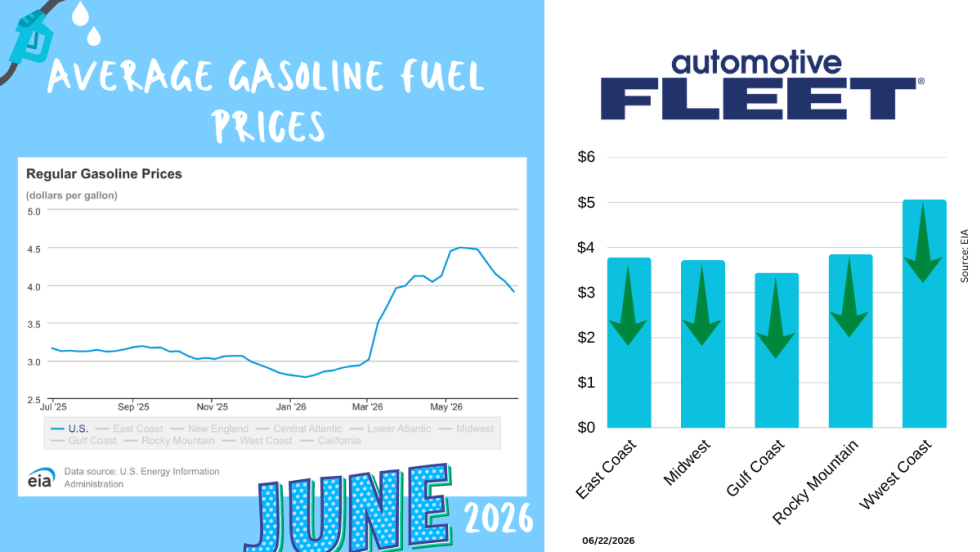
June Fuel Update: Prices Fall Below $4
Drivers are finally getting some relief at the pump. The national average gas price has dropped below $4 a gallon for the first time in months, with prices falling in 47 states as oil markets react to developments in U.S.-Iran negotiations.
Read More →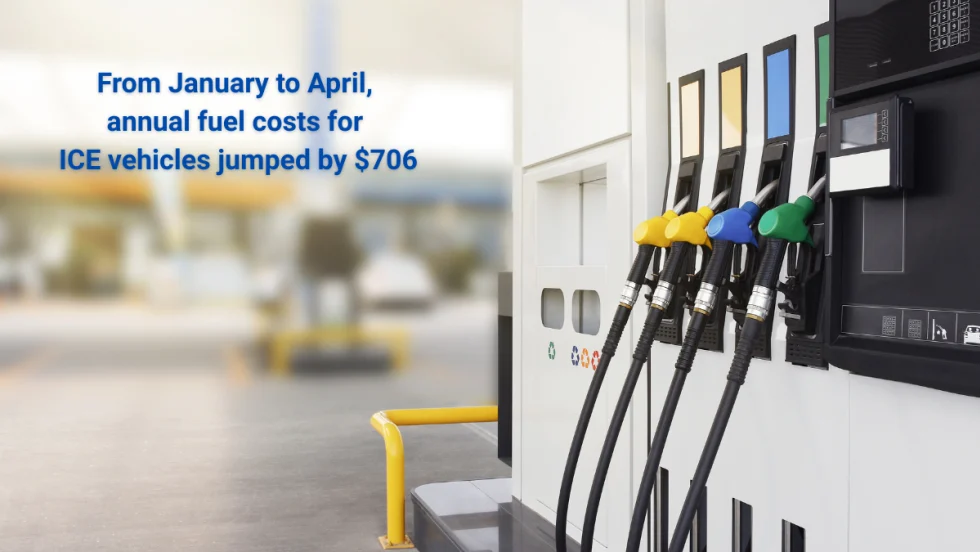
Study: How 2026's Gas Price Hikes Affect Different Vehicle Types
New data from iSeeCars reveals how rising fuel costs have affected different vehicle segments as gasoline prices climbed nearly 46% over the past four months.
Read More →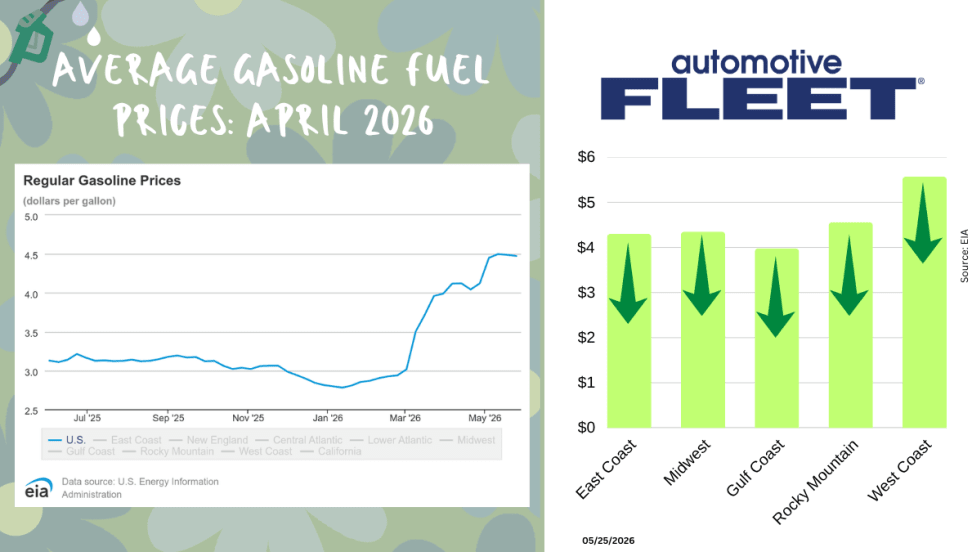
May Fuel Update: All Regions Experience Declines
Gas prices are finally easing in much of the country, but experts warn global tensions could quickly reverse the trend as the national average remains well above last month’s levels.
Read More →