




Mercedes-Benz Starts Building Sprinter Vans for Amazon at New Plant
Mercedes-Benz Vans opened its new Sprinter assembly plant in South Carolina today, and began delivering cargo vans to Amazon, which has ordered 20,000 vehicles that Element Fleet Management will offer to small businesses with commercial leases.


Mercedes-Benz introduced the first U.S.-made Sprinter in South Carolina and delivered the vehicle to Amazon.
Photo by David Cullen.
Mercedes-Benz Vans opened its new Sprinter assembly plant in South Carolina today, and began delivering cargo vans to Amazon, which has ordered 20,000 vehicles that Element Fleet Management will offer to small businesses with commercial leases.
Mercedes-Benz also launched the U.S. version of its 2019 Sprinter at the media event. The van is entering its third-generation with an optional factory telematics system, revamped interior, MBUX (Mercedes Benz User Experience) connected vehicle system, and a 2,0-liter, four-cylinder gasoline engine for U.S. buyers. The plant will produce about 1,700 Sprinter varients, including the Freightliner Sprinter.
The new plant, which has been under construction for more than two years, offers three times as much space and allows Mercedes-Benz to shift Noth American production of its Sprinter to North Charleston to avert a 25% tariff on light trucks imported into the U.S. known as the "chicken tax." The tariff was imposed in 1964 under President Lyndon B. Johnson as retaliation for tariffs by France and West Germany on U.S. chicken.
Previously, Mercedes-Benz built vans sold in North America in Dusseldorf, Germany, and then partially disassembled them and shipped them through Rotterdam, The Netherlands, to the U.S. in knock-down kits. They arrived through the Port of Charleston and were reassembled at the current plant's location.
"The U.S. is already the second largest market for our Sprinter," said Volker Mornhinweg, head of Mercedes-Benz Vans. "With the new, state-of-the-art production site in South Carolina, we will be able to supply our customers in North America even faster and with more flexibility in the future."
Germany remains the company's top market for Sprinter sales.
The new assembly plant now covers 222 acres with nearly 10 million square feet. New facilities include a body shop, paint shop, and final assembly area. The production and office building now cover 41 acres with 1.8 million of square feet that's supplemented with additional logistics space.
Mercedes-Benz invested $500 million in the project, which included a $16 million grant from the state's Department of Commerce, a state job development tax credit, and a Charleston County tax agreement.
Several van equipment providers such as Knapheide and Auto Truck Group have also build new facilities to support the plant.
The opening of the expanded plant coincides with the new order for 20,000 Sprinter cargo vans for Amazon's Delivery Service Partner program announced earlier this year. Mercedes-Benz will deliver the vehicles by the end of 2019.
"We're proud to partner with Mercedes-Benz Vans to contribute to local economies through the order of Amazon-branded Sprinter vans produced at their new plant," said Dave Clark, Amazon's senior vice president of worldwide operations. "Thanks to the tremendous response to Amazon's new program, we are excited to increase our original order of branded Sprinter vans to 20,000 vehicles so new small businesses will have access to a customized fleet to power deliveries of Amazon packages."
The vans will be offered with commercial leases through Element Fleet Management so operators can "keep their startup costs low," according to the companies. Amazon evaluated other full-size vans and has opted to forgo the Mercedes Pro telematics system for a third-party solution, Clark said.
"We did a very thorough vetting of the options available in the marketplace," Clark said. "We found it was a great partnership, the right vehicle at the right time. It was the right timing of the plant opening, the right vehicle, and the quality of the teams."
More Vehicle Research
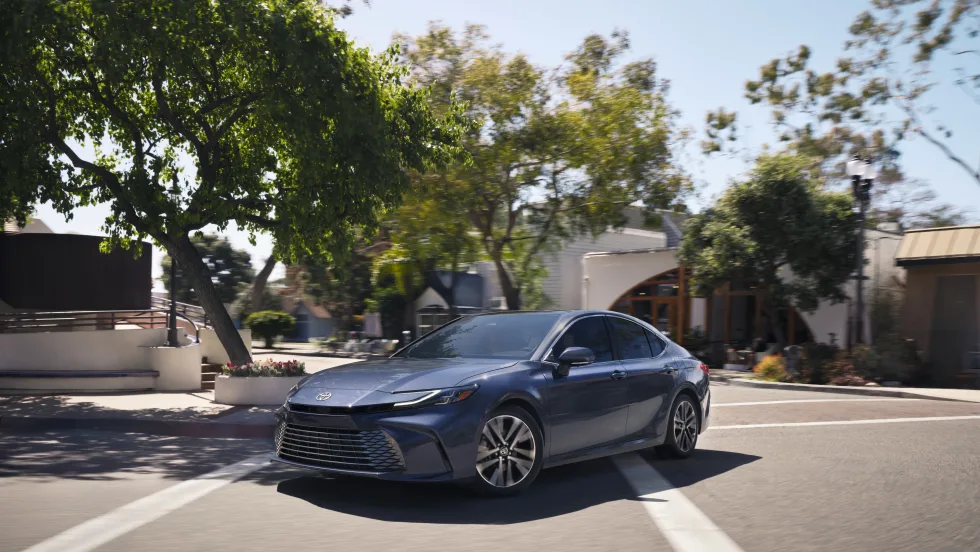
2027 Toyota Camry Offers Hybrid Powertrain Across Five Grades
The 2027 Toyota Camry is a carryover with new pricing.
Read More →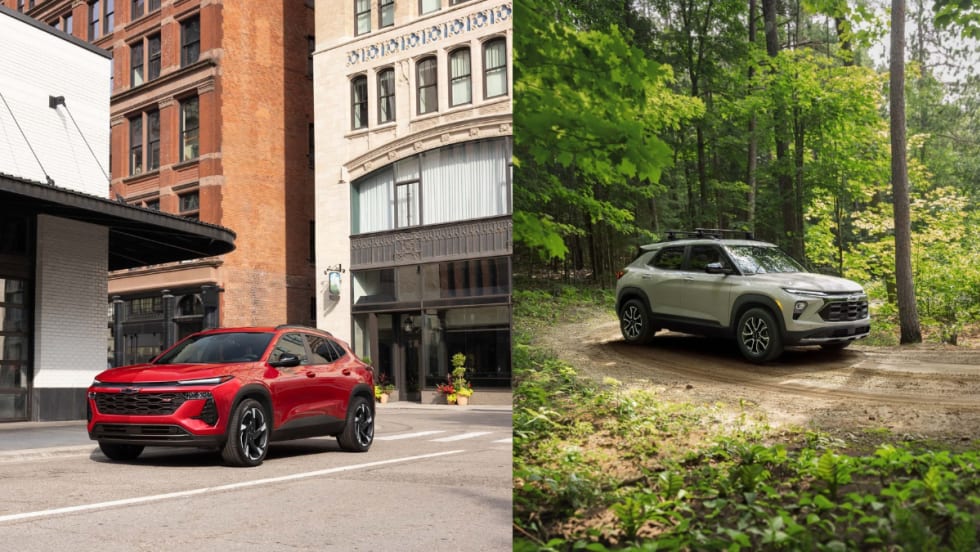
Chevrolet Updates 2027 Trax and Trailblazer with More Standard Safety Features
Chevrolet is updating two of its smallest SUVs with added driver-assistance technology, redesigned interiors, and revised trim options. The changes could add more safety equipment as standard for commercial fleets, while a new Trailblazer configuration adds another all-wheel-drive option.
Read More →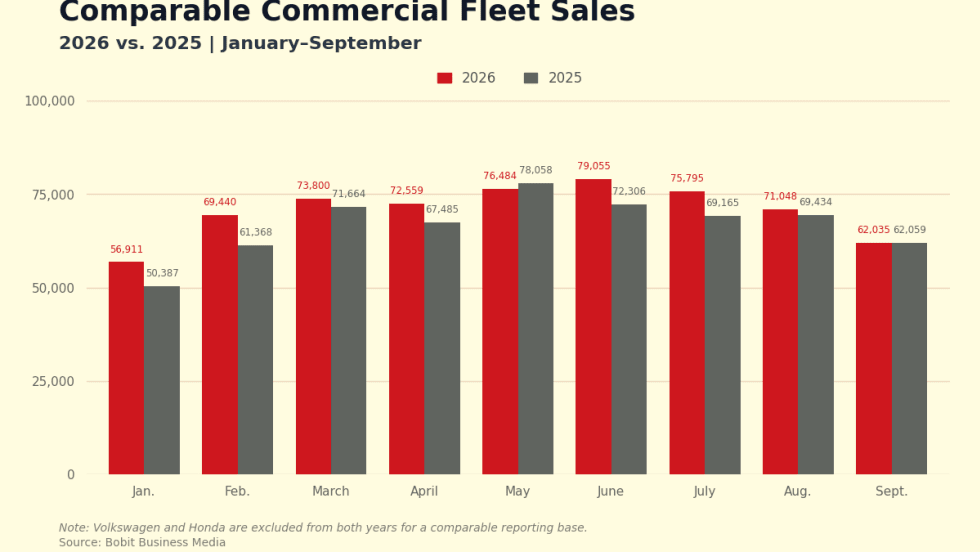
Commercial Fleet Sales Rise 5.8% Through September 2026
September commercial fleet sales were essentially unchanged from a year earlier, slowing year-to-date growth while keeping volume ahead of 2025.
Read More →
Hall of Fame Inductee: John Dmochowsky
The longtime Mondelēz International fleet executive joins the Automotive Fleet Hall of Fame.
Read More →
Hall of Fame Inductee: Lee Miller
After more than four decades at Boehringer Ingelheim, Lee Miller leaves a legacy built on fleet expertise.
Read More →
Hall of Fame Inductee: Mark F. Petersen
From managing fleets of thousands of vehicles to advancing safety and mentoring fellow professionals, Mark F. Petersen made his mark across both the corporate and supplier sides of fleet.
Read More →
When Charger Downtime Becomes a Fleet Availability Problem
As EV deployments move beyond pilot programs, charger reliability can directly affect vehicle readiness, driver productivity and route scheduling.
Read More →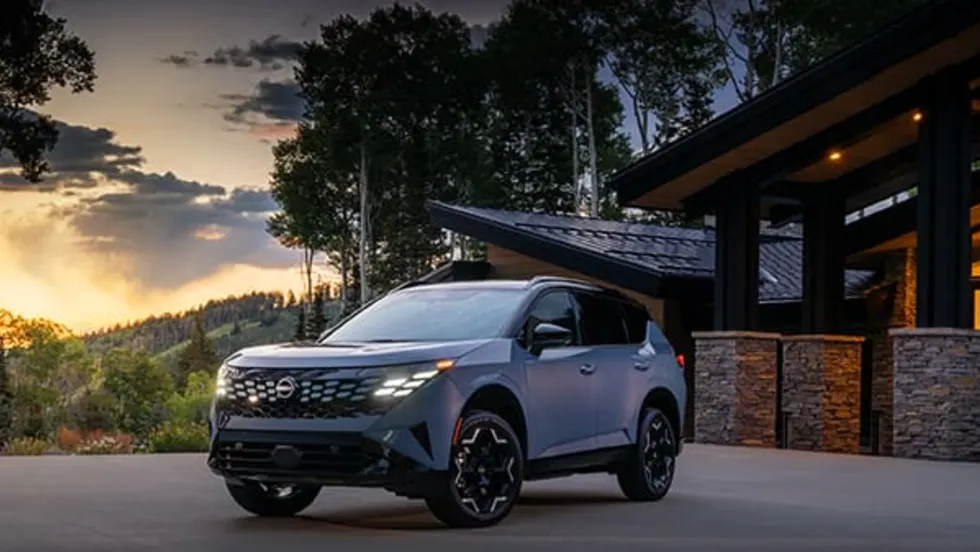
2027 Nissan Rogue Hybrid Adds e-POWER, Standard AWD
The new Rogue Hybrid uses Nissan’s e-POWER system with dual electric motors, offers an estimated 40 mpg and starts at $35,490.
Read More →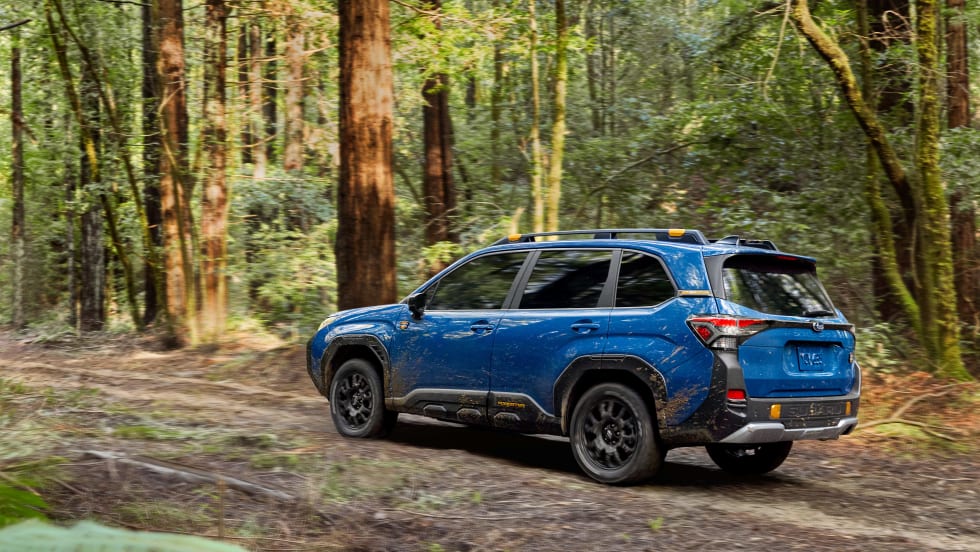
2027 Subaru Forester Adds First Wilderness Hybrid
The 2027 Forester lineup starts at $29,995 and adds a Wilderness Hybrid with 194 combined horsepower and 9.3 inches of ground clearance.
Read More →
EV Realty Names Henrik Holland President as Charging Platform Expands
The former Prologis Mobility and Shell executive will help expand EV Realty’s truck charging business and move its power-first infrastructure model into autonomous vehicle depots and other fleet sectors.
Read More →