




How Toyota & Daimler Hino-Fuso Merger Could Affect Truck Lineups
Hino could benefit from Daimler and Fuso’s technological resources in areas like telematics, hybrid drivetrains, or battery-electric upgrades down the line.
June 20, 2025

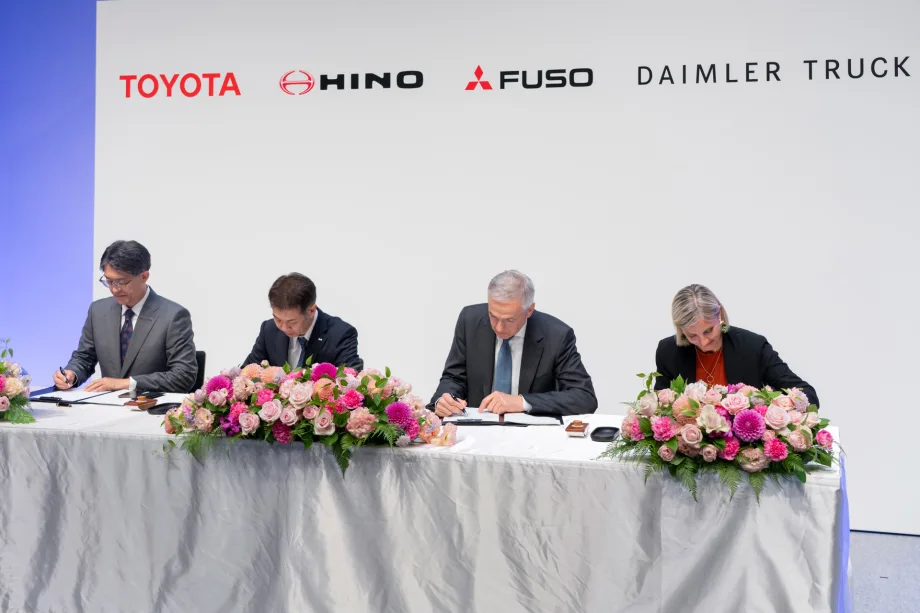
On June 10, Toyota, Mitsubishi, and Daimler executives signed the agreement to integrate Mitsubishi Fuso and Hino Motors.
Photo: Toyota
3 min to read
Toyota Motor Corporation and Daimler Truck AG have finalized the merger of their respective Japanese truck subsidiaries, Hino Motors Ltd. and Mitsubishi Fuso Truck and Bus Corporation.
The newly formed holding company, headquartered in Tokyo and expected to begin operations in April 2026, will be jointly owned (25% each) by Toyota and Daimler Truck, and led by current Fuso CEO Karl Deppen. The remaining 50% of shares will be publicly traded on the Prime Market of the Tokyo Stock Exchange.
According to company statements, the agreement integrates Mitsubishi Fuso and Hino Motors “on an equal footing,” with a focus on development, procurement, and production efficiencies. The companies have committed to retaining both brand identities and existing sales networks.
The merger is also seen as a strategic response to rising competition from Chinese OEMs and as a means to accelerate investments in zero-emission and autonomous vehicle technologies.
Hino-Fuso Merger’s Domestic & Global Footprint
In terms of market presence, Hino and Fuso have historically held small shares in the U.S. commercial truck market. In 2022, Hino accounted for approximately 2.0% of Class 4–7 truck sales in the U.S., while Fuso’s presence is based on legacy units in operation, having ceased new truck sales in the U.S. and Canada in 2020.
The merger positions the new company with an anticipated annual sales volume exceeding 200,000 units.
In 2024, Hino delivered 125,556 commercial vehicles globally, most of which were in Asia, while Daimler Truck’s Asia division, which includes Fuso, reported 125,234 commercial vehicle sales in the same year. Daimler Truck reported total sales of 460,409 units in 2024.
For fleet operators in North America, the implications center on potential consolidation of truck models where Hino and Fuso previously overlapped and new opportunities in electrification.
How the Merger Could Affect U.S. Product Availability
While both Hino and Mitsubishi Fuso have relatively small footprints in the U.S. truck market, the merger could bring opportunities for enhanced product offerings.
Hino could benefit from Daimler and Fuso’s technological resources in areas like telematics, hybrid drivetrains, or battery-electric upgrades down the line.
In the Class 3–5 cabover segment, there is considerable overlap between Hino’s current M Series and Fuso’s former Canter lineup. There could be some consolidation or reintroduction of select Fuso features under the Hino nameplate beginning in the 2026–2027 model years.
Electrification may be the most significant area of impact. The Fuso eCanter was a Class 4 electric truck that had limited U.S. deployments.
While Hino’s electric versions of its M and L Series are still in early development, the eCanter could be either rebranded under Hino or integrated into its existing distribution network.
Overall, U.S. fleets can expect minimal changes in the short term. However, by 2027 and beyond new product lineup is likely to emerge that combines Fuso’s engineering strengths with Hino’s established U.S. infrastructure.
More Vehicle Research

Hall of Fame Inductee: John Dmochowsky
The longtime Mondelēz International fleet executive joins the Automotive Fleet Hall of Fame.
Read More →
Hall of Fame Inductee: Lee Miller
After more than four decades at Boehringer Ingelheim, Lee Miller leaves a legacy built on fleet expertise.
Read More →
Hall of Fame Inductee: Mark F. Petersen
From managing fleets of thousands of vehicles to advancing safety and mentoring fellow professionals, Mark F. Petersen made his mark across both the corporate and supplier sides of fleet.
Read More →
When Charger Downtime Becomes a Fleet Availability Problem
As EV deployments move beyond pilot programs, charger reliability can directly affect vehicle readiness, driver productivity and route scheduling.
Read More →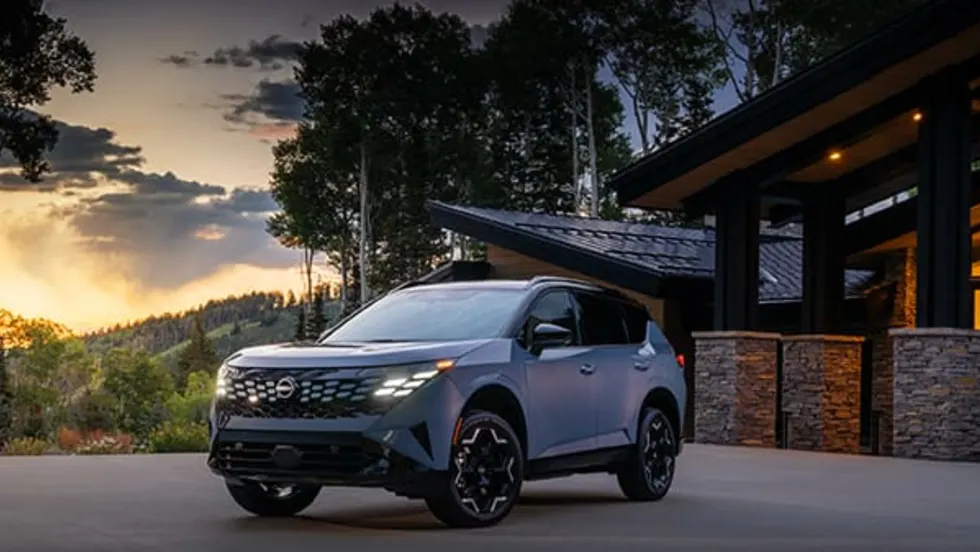
2027 Nissan Rogue Hybrid Adds e-POWER, Standard AWD
The new Rogue Hybrid uses Nissan’s e-POWER system with dual electric motors, offers an estimated 40 mpg and starts at $35,490.
Read More →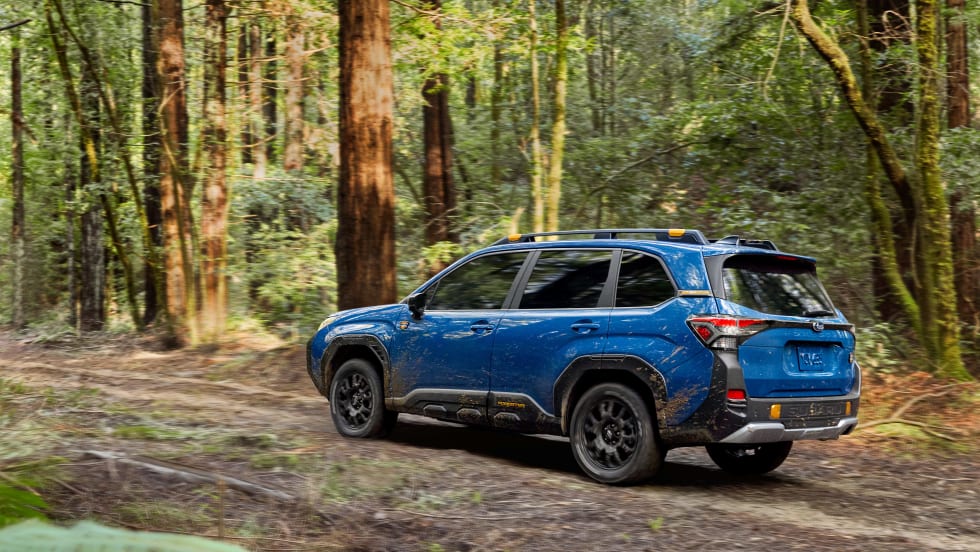
2027 Subaru Forester Adds First Wilderness Hybrid
The 2027 Forester lineup starts at $29,995 and adds a Wilderness Hybrid with 194 combined horsepower and 9.3 inches of ground clearance.
Read More →
EV Realty Names Henrik Holland President as Charging Platform Expands
The former Prologis Mobility and Shell executive will help expand EV Realty’s truck charging business and move its power-first infrastructure model into autonomous vehicle depots and other fleet sectors.
Read More →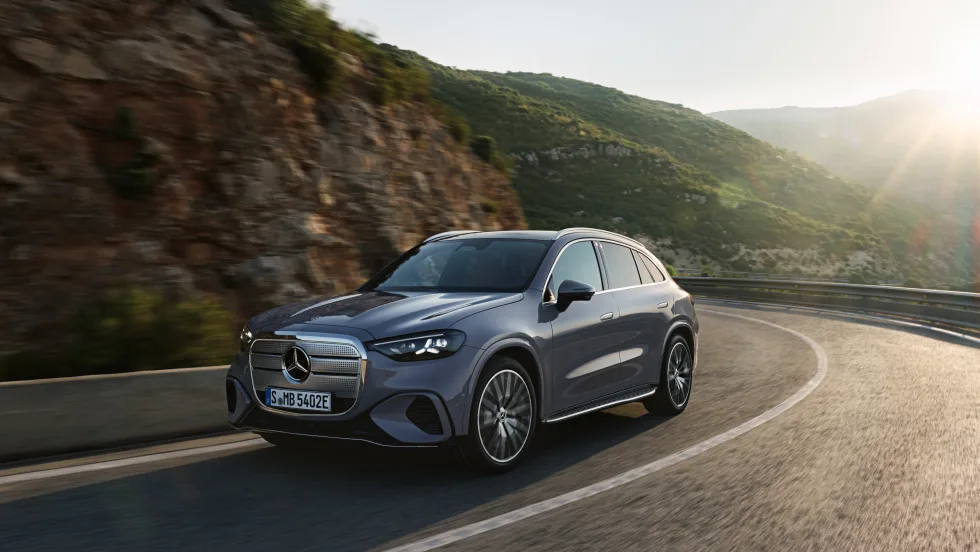
Mercedes-Benz Introduces Electric GLC With Up to 350 Miles of Range
The GLC 400 4MATIC Electric features an 800-volt architecture, 330-kW DC fast charging and a 94-kWh battery, along with Mercedes-Benz's new MB.OS operating system.
Read More →
Fleet Has a Talent Pipeline Problem, not a Talent Problem
Where will the next generation of fleet leaders come from, and what does the industry need to do differently to find them?
Read More →
Fleet Hacks: What Are You Still Doing Manually?
From daily recaps to repeatable workflows, fleet professionals share how AI can cut through busywork while keeping human judgment at the center.
Read More →