




GM Accelerates Car Production Cuts
General Motors will cease production at five of its assembly plants, including three that produce passenger cars it plans to discontinue amid the shift in consumer preference for trucks and utility vehicles, the company announced.


GM will halt production at five of its assembly plants in response to slowing car sales.
Photo via Crisco 1492/Wikimedia.
General Motors will cease production at five of its assembly plants, including three that produce passenger cars it plans to discontinue amid the shift in consumer preference for trucks and utility vehicles, the company announced.
The car factories include one in Lordstown, Ohio, that makes the Chevrolet Cruze compact car; the Detroit-Hamtramck plant that produces the Chevrolet Volt, Buick LaCrosse, and Cadillac CT6; and a plant in Oshawa, Ontario, that makes the Chevrolet Impala. GM is also halting operations at transmission plants in Baltimore and Warren, Mich.
"The actions we are taking today continue our transformation to be highly agile, resilient and profitable, while giving us the flexibility to invest in the future," said Mary Barra, chairman and CEO. "We recognize the need to stay in front of changing market conditions and customer preferences to position our company for long-term success."
With the move, GM is expected to cut more than 14,000 jobs, including a 15% reduction to salaried and salaried contract staff.
Outside of North America, GM also plans to close its South Korea assembly plant in Gunsan, along with two additional plants, by the end of 2019.
The moves will generate cash savings of about $6 billion and cost reductions of $4.5 billion, as well as a lower capital expenditure annual run rate of almost $1.5 billion.
GM has previously announced that it will streamline its car lineup, by discontinuing three Chevrolet cars including the Impala and Sonic, along with several Cadillac cars, including the ATS. With the current announcement, GM appears to be taking a more aggressive approach to streamlining its car lineup.
More Vehicle Research
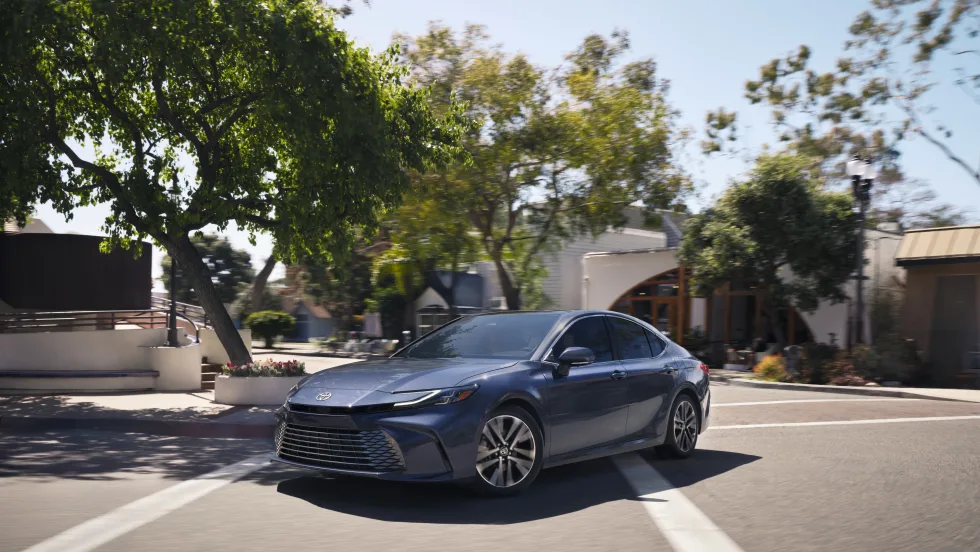
2027 Toyota Camry Offers Hybrid Powertrain Across Five Grades
The 2027 Toyota Camry is a carryover with new pricing.
Read More →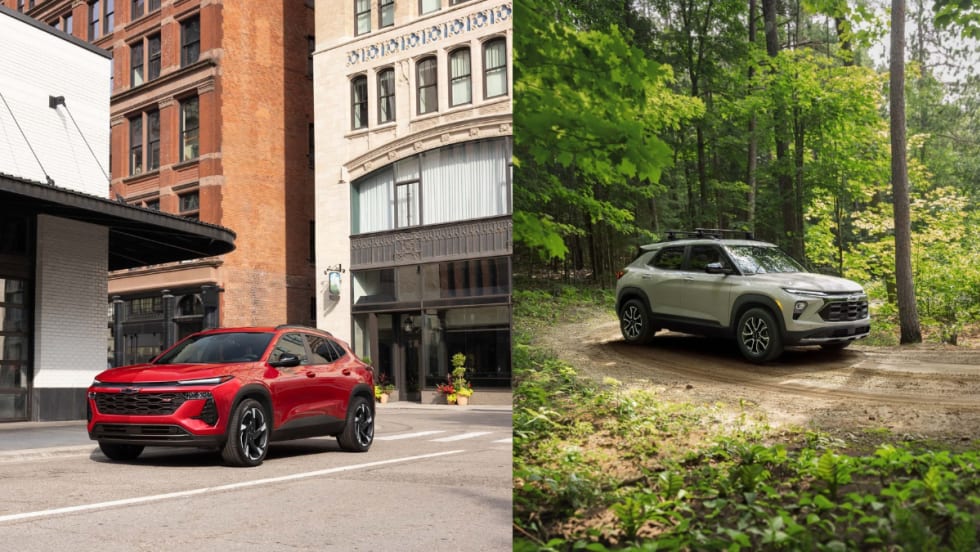
Chevrolet Updates 2027 Trax and Trailblazer with More Standard Safety Features
Chevrolet is updating two of its smallest SUVs with added driver-assistance technology, redesigned interiors, and revised trim options. The changes could add more safety equipment as standard for commercial fleets, while a new Trailblazer configuration adds another all-wheel-drive option.
Read More →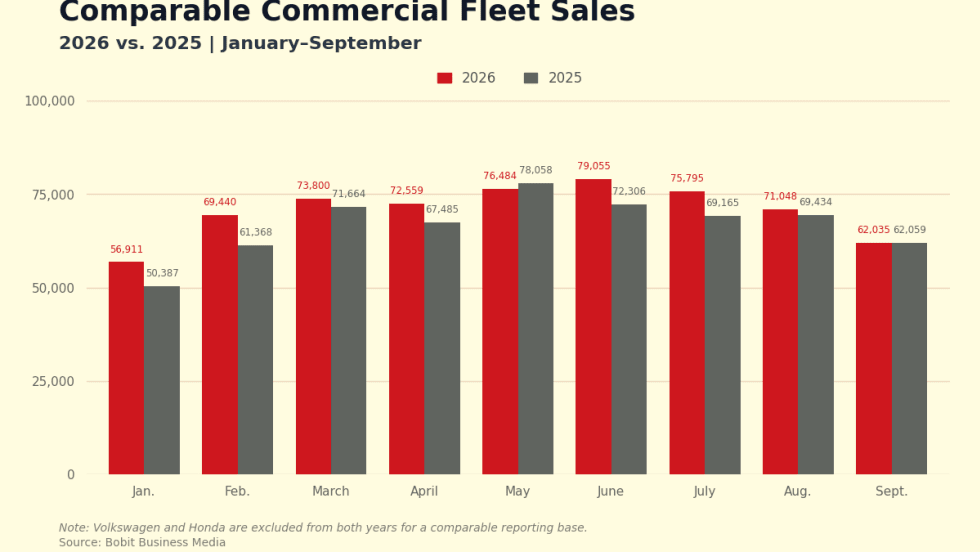
Commercial Fleet Sales Rise 5.8% Through September 2026
September commercial fleet sales were essentially unchanged from a year earlier, slowing year-to-date growth while keeping volume ahead of 2025.
Read More →
Hall of Fame Inductee: John Dmochowsky
The longtime Mondelēz International fleet executive joins the Automotive Fleet Hall of Fame.
Read More →
Hall of Fame Inductee: Lee Miller
After more than four decades at Boehringer Ingelheim, Lee Miller leaves a legacy built on fleet expertise.
Read More →
Hall of Fame Inductee: Mark F. Petersen
From managing fleets of thousands of vehicles to advancing safety and mentoring fellow professionals, Mark F. Petersen made his mark across both the corporate and supplier sides of fleet.
Read More →
When Charger Downtime Becomes a Fleet Availability Problem
As EV deployments move beyond pilot programs, charger reliability can directly affect vehicle readiness, driver productivity and route scheduling.
Read More →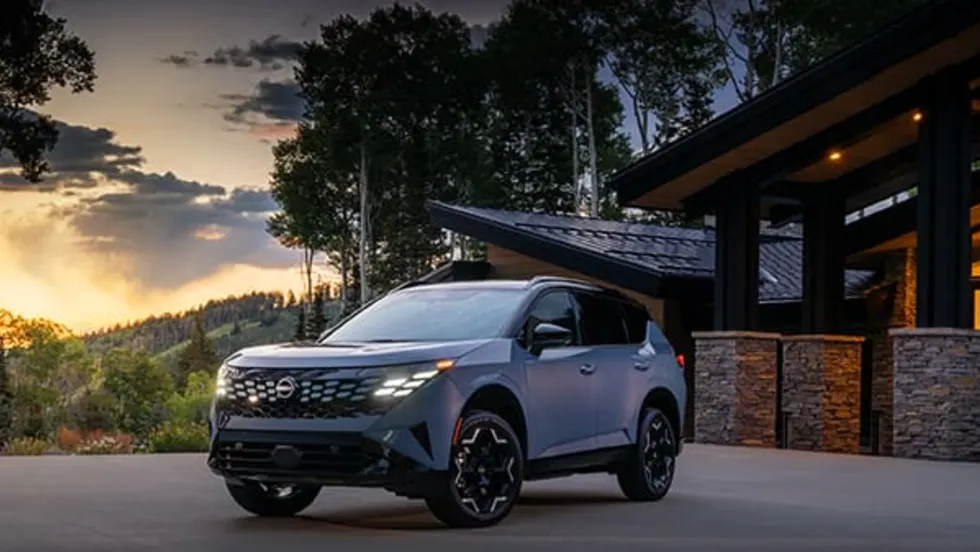
2027 Nissan Rogue Hybrid Adds e-POWER, Standard AWD
The new Rogue Hybrid uses Nissan’s e-POWER system with dual electric motors, offers an estimated 40 mpg and starts at $35,490.
Read More →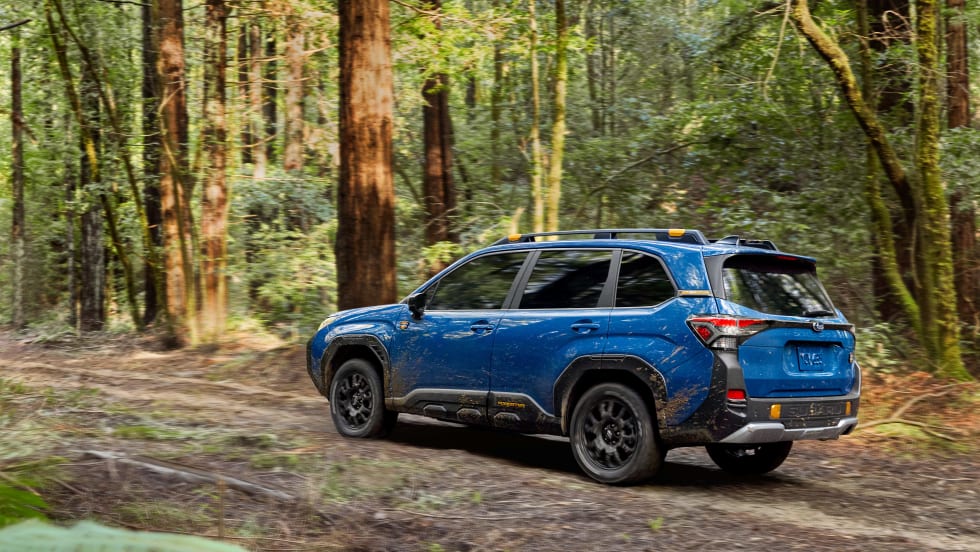
2027 Subaru Forester Adds First Wilderness Hybrid
The 2027 Forester lineup starts at $29,995 and adds a Wilderness Hybrid with 194 combined horsepower and 9.3 inches of ground clearance.
Read More →
EV Realty Names Henrik Holland President as Charging Platform Expands
The former Prologis Mobility and Shell executive will help expand EV Realty’s truck charging business and move its power-first infrastructure model into autonomous vehicle depots and other fleet sectors.
Read More →