





Similar News: Choosing a Fuel Card for Your Fleet: 6 Features to Considert
Fuel Cards Evolve: Survey Finds Fleet Managers Prioritize Cost Control, Data Integration, and EV Readiness
A new survey of U.S. fleet managers reveals how fuel cards are evolving into essential tools for cost control, data integration, and EV readiness—while security and adoption gaps remain.
July 21, 2025
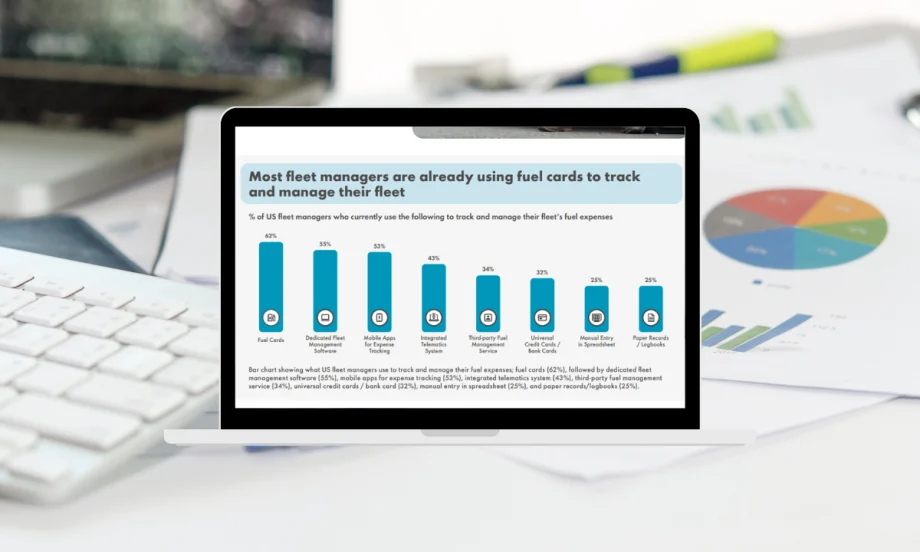
Fuel cards lead the way: 62% of fleet managers use them to track and manage expenses—more than any other tool, including fleet software, apps and telematics systems.
Photo: Shell | Automotive Fleet
3 min to read
As fleet operations become more complex, a recent survey of U.S. fleet managers highlights the expanding role of fuel cards in managing costs, improving data visibility and supporting emerging technologies like electrification.
Insights from 260 U.S. Fleet Managers
In early 2025, Shell Fleet Solutions surveyed 260 U.S.-based fleet managers to better understand how they manage fuel expenses and operational complexity. According to the results, 62% of fleets currently use fuel cards, with adoption rates higher among larger fleets (70%) compared to small businesses (60%).
Among all surveyed managers, 95% said fuel cards provide valuable insights into fleet efficiency, making them a top tool for data-driven decision-making — not just transaction tracking.
Key Benefits: Expense Control and Efficiency
Fleet managers rank easier fuel expense tracking (49%), improved budgeting (47%) and the ability to set spending limits (43%) as the most common advantages of fuel card use. Larger fleets also emphasized security and integration:
55% cited better control over unauthorized fuel usage
47% noted integration with fleet management systems
45% valued wide station network access
Small businesses, meanwhile, were more likely to focus on the cost-control features of fuel cards.
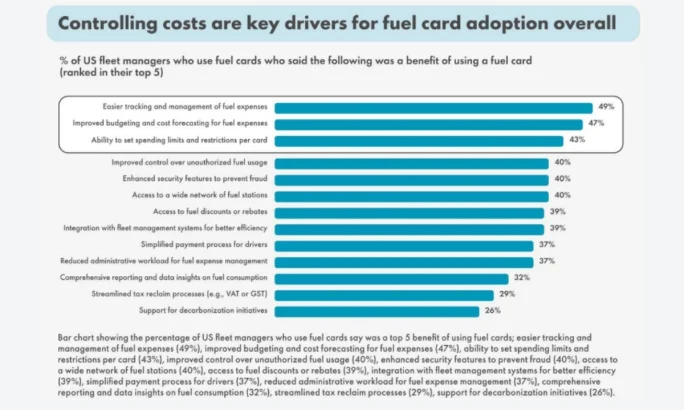
Fleet managers rank easier fuel expense tracking (49%), improved budgeting (47%) and the ability to set spending limits (43%) as the most common advantages of fuel card use.
Photo: Shell
Data and Cost Challenges
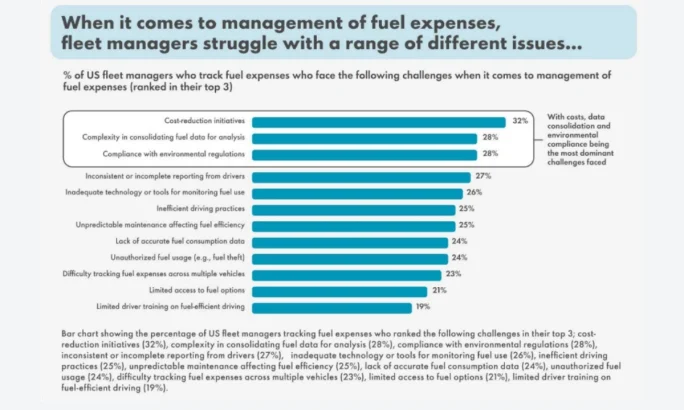
The top challenges facing fleet managers include cost-reduction initiatives (32%), complexity in consolidating fuel data for analysis (28%) and compliance with environmental regulations (28%).
Photo: Shell
The top challenges facing fleet managers include:
Cost-reduction initiatives (32%)
Complexity in fuel data consolidation (28%)
Compliance with environmental regulations (28%)
Larger fleets reported more issues with data complexity and cost control, while small fleets struggled more with driver reporting and accountability
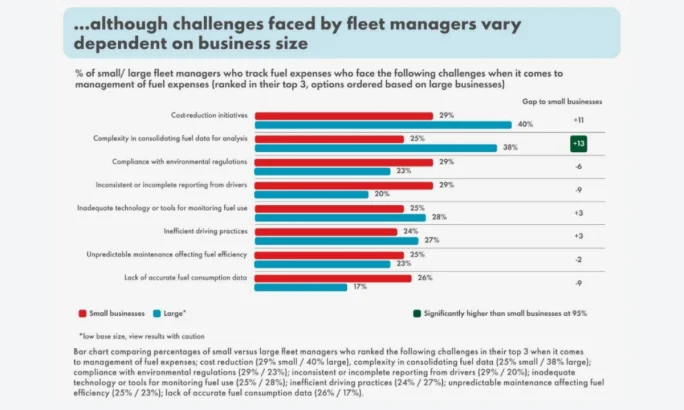
Larger fleets reported more issues with data complexity and cost control, while small fleets struggled more with driver reporting and accountability.
Photo: Shell
Despite the growing use of digital tools, 25% of fleet managers still track fuel expenses using spreadsheets and another 25% record expenses by hand, underscoring the need for further digitization.
Security: A Persistent Barrier
While most fleet managers view fuel cards as beneficial, security remains a leading concern.
78% of managers agree that a lack of advanced security features is a deterrent
75% say general security risks make them hesitant to adopt digital card tools
Non-users also cited limited acceptance networks (18%) and administrative effort (17%) as additional barriers.
Fuel Card Technology Responds
In response to these concerns, newer fuel card platforms now include:
Advanced encryption and secure data transmission (AES and TLS)
Biometric authentication via mobile apps
Level III data collection, including odometer readings, driver ID and vehicle VINs
Expanded station access, with the Shell Card Business Flex accepted at 95% of U.S. fueling sites
Futureproofing Fleets for EV Integration
The Shell Card Business Flex also supports EV charging at public and residential stations, helping fleets transition to electrification while maintaining unified billing and data reporting. Additional support is available through Shell’s Accelerate to Zero program, designed to guide large fleets toward long-term sustainability goals.
The report makes clear that fleet managers increasingly see fuel cards as multifunctional platforms:
Cost management
Operational insight
Security and compliance
EV readiness
Yet, adoption gaps remain, especially among smaller fleets and managers wary of digital risks. As tools evolve to address these concerns, fuel cards are poised to become a cornerstone of integrated fleet management.
More Fuel
Fuel Prices Surge in September | September Fuel Update
September brought major fuel price swings, including diesel crossing $6 a gallon. Here’s how gas and diesel prices changed throughout the month, and where they stood heading into October.
Read More →
Turning Fleet Payment Data into Executive Insights
Ramel Lindsay of U.S. Bank Voyager discusses how fleets can transform payment and transaction data into actionable intelligence to reduce costs, improve oversight, and support executive decision-making.
Read More →
Why the IRS Raised Its Mileage Rate in the Middle of 2026
Fuel-price volatility drove the rare increase to 76 cents per mile, the fifth midyear adjustment since 2000.
Read More →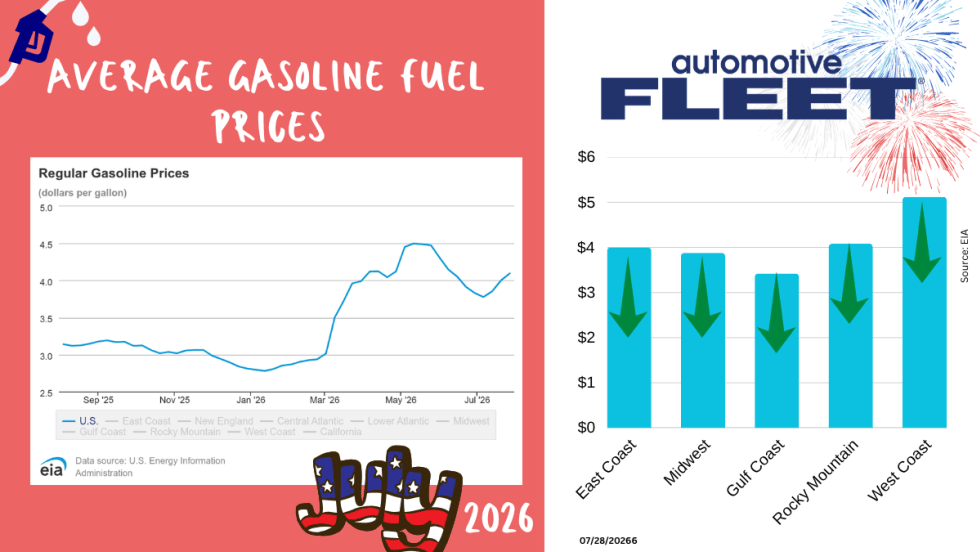
July Fuel Update: Prices Keep Rising in Light of More Conflict
Gas prices continue to rise as more and more conflicts do, too.
Read More →
Bob Adamsky on Fuel Volatility: "Don't Panic, Have a Plan."
When it comes to up and down fuel prices, Adamsky has a message for fleets: “Don’t panic.”
Read More →
How Fleets Can Gain Control of Non-Fuel Spend
Fuel often gets the spotlight, but non-fuel expenses can have a major impact on fleet costs. Ramel Lindsay of U.S. Bank Voyager discusses how fleets can gain better visibility and control over these often-overlooked expenditures.
Read More →
Fuel is Just the Start: How Middle East Tensions are Driving Up Fleet Maintenance Costs
The Middle East conflict is doing more than pushing up fuel prices. It’s also raising the cost of key maintenance products your fleet depends on, from motor oil to tires to windshield wipers. Here’s what you need to know about this budget-busting situation.
Read More →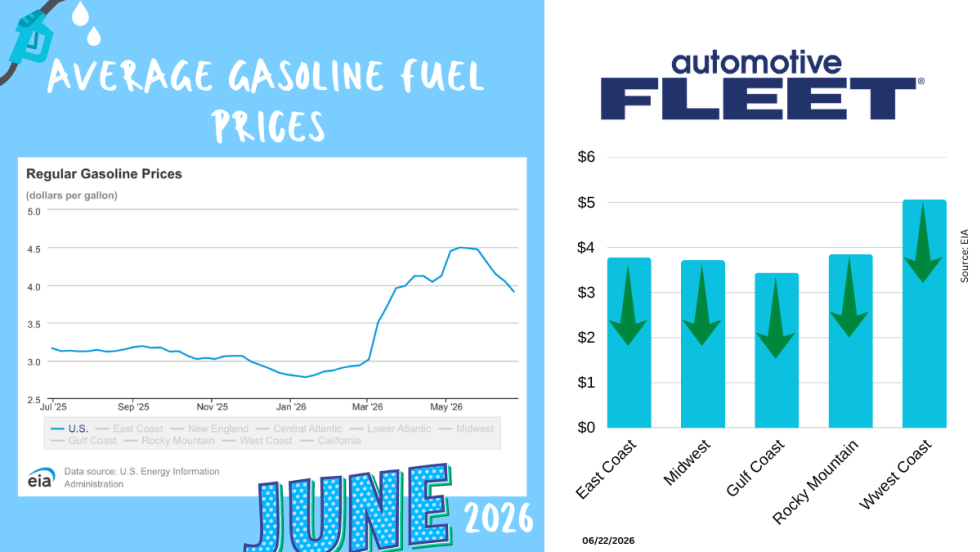
June Fuel Update: Prices Fall Below $4
Drivers are finally getting some relief at the pump. The national average gas price has dropped below $4 a gallon for the first time in months, with prices falling in 47 states as oil markets react to developments in U.S.-Iran negotiations.
Read More →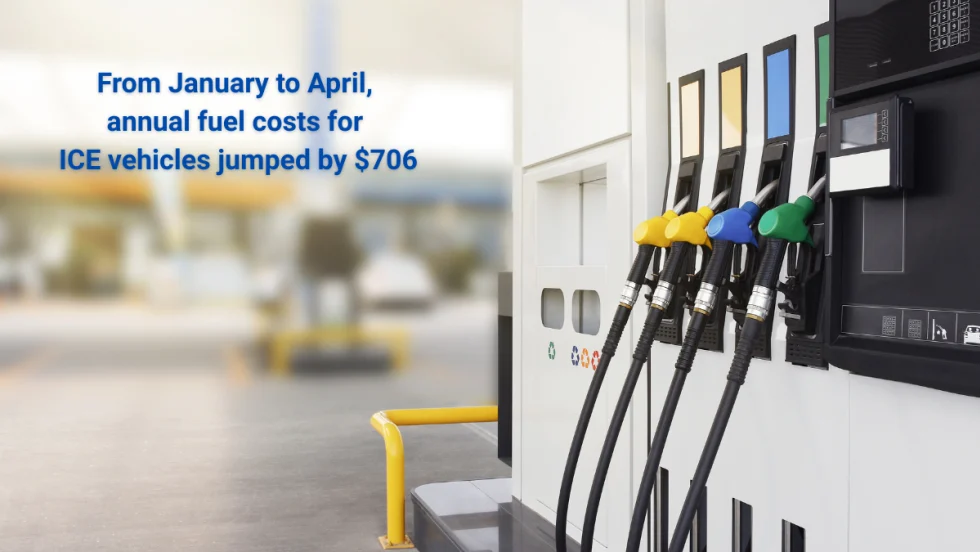
Study: How 2026's Gas Price Hikes Affect Different Vehicle Types
New data from iSeeCars reveals how rising fuel costs have affected different vehicle segments as gasoline prices climbed nearly 46% over the past four months.
Read More →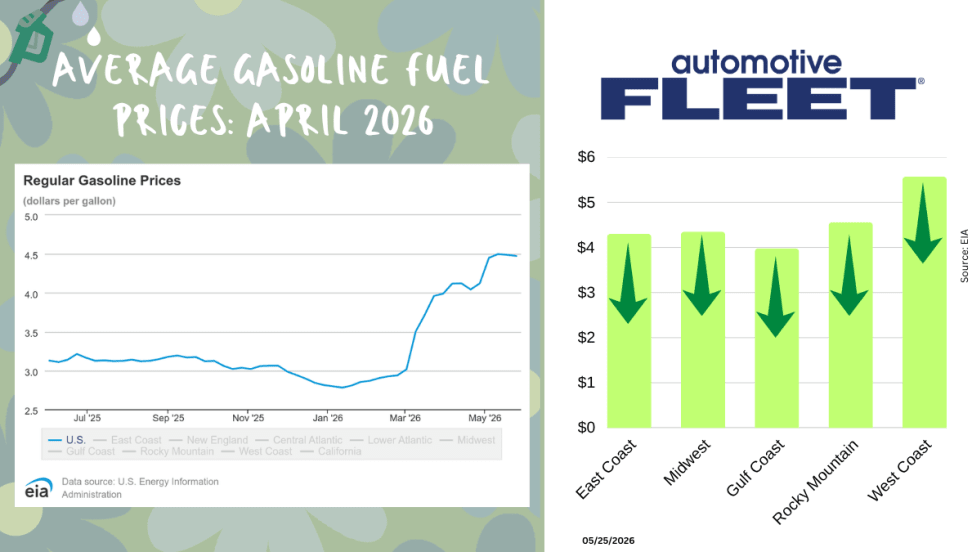
May Fuel Update: All Regions Experience Declines
Gas prices are finally easing in much of the country, but experts warn global tensions could quickly reverse the trend as the national average remains well above last month’s levels.
Read More →