





Related: Oil Market Turbulence Is Complicating Fleet Cost Planning
Tips from Fleet Managers on Saving Fuel Costs
Fleet leaders share practical strategies to reduce fuel spend through smarter policy, routing, and driver guidance.
April 27, 2026
Fuel savings start long before the pump—smart policies, in-network choices, and routine maintenance help high-performing fleets control costs at scale.
Credit: Automotive Fleet
3 min to read
The difference between average and high-performing fleets often comes down to how they manage fuel, not just how much they pay for it.
Automotive Fleet surveyed fleet managers about their top fuel-saving tips, and a common misconception became clear: the lowest retail prices do not equal the lowest actual fleet cost. Policy, planning, and behavior are the clear ways to win at the pumps.
Here are three tips from fleet managers on how to reduce fuel spend by focusing on these key areas:
Practical fueling guidance
Maintenance
Tip #1: Administer a Clear Fuel Policy — That Allows Flexibility
Jamie McKay of Aptive Pest Control says fuel savings begin with a structured policy, not individual decisions. A manager-controlled system removes guesswork and controls behavior.
“Clarity removes guesswork, and consistency ensures the policy actually drives results,” said McKay. “Have a clear process in place — and hold drivers accountable to it.”
How is this actionable? By setting simple rules, like requiring only unleaded fuel, but at the same time by avoiding complications for drivers.
Balance Flexibility with Control
Drivers should have:
Freedom to choose convenient fuel stations v
Clear boundaries (fuel type, network compliance)
This boosts adoption and reduces friction.
“The right balance is flexibility for drivers with accountability for the fleet,” McKay continued. However, “Fuel policies only work if they are consistently reinforced across the organization.”
Monitoring and coaching matter. Weekly audits catch exceptions. Fuel cards and telematics add visibility.
Tip #2: Guide In-Network Fueling (And Don’t Wait Until the Tank is Empty!)
David Hayward, director of fleet management at ABM, guides drivers toward preferred in-network brands or stations and gives them the freedom to choose chains they are familiar with and trust.
Hayward emphasizes practicality and simplicity for the drivers. "From there, the advice is simple: choose the lowest-cost in-network station that is already on the route, and do not wait until the tank is nearly empty to make that decision,” Hayward advised. “This also helps the fleet by keeping purchases in-network and reducing unnecessary detours or convenience buys.”
Network pricing reflects negotiated discounts and actual transaction pricing.
Aligning fueling with driver behavior will relieve pressure on drivers to search extensively for the lowest price, as managers can guide them toward a brand within the network.
“Plan ahead, stay in network, and leave yourself enough flexibility to choose the best-value stop on your route,” Hayward finished.
Tip #3: Vehicle Maintenance (Tire Pressure Matters!)
Charles Schott, fleet director at Rollins, doesn’t overlook the basics.
Maintenance boosts fuel efficiency. Checking tire pressure—especially as seasons shift—helps prevent underinflation, reduce fuel consumption, and extend tire life. Make it routine for drivers.
“During the fall and colder weather, tires will need a 3-4 PSI boost to keep tire pressure within range. Low tire pressure reduces fuel economy as well as increases tire wear,” said Schott. “Maintain and check your tire pressure, either on your dashboard or using a handheld gauge.”
Small maintenance habits can deliver measurable gains for fleets.
To sum up, fuel savings aren’t about finding cheap gas. They hinge on strong systems, behavior, and data, organized around these core pillars:
Policy and accountability
In-network fueling guidance
Route-integrated fueling decisions
Maintenance discipline
Fleets that simplify drivers' expectations while strengthening backend controls are best positioned to reduce fuel spend at scale.
Subscribe to Our Newsletter
More Fuel
Fuel Prices Surge in September | September Fuel Update
September brought major fuel price swings, including diesel crossing $6 a gallon. Here’s how gas and diesel prices changed throughout the month, and where they stood heading into October.
Read More →
Turning Fleet Payment Data into Executive Insights
Ramel Lindsay of U.S. Bank Voyager discusses how fleets can transform payment and transaction data into actionable intelligence to reduce costs, improve oversight, and support executive decision-making.
Read More →
Why the IRS Raised Its Mileage Rate in the Middle of 2026
Fuel-price volatility drove the rare increase to 76 cents per mile, the fifth midyear adjustment since 2000.
Read More →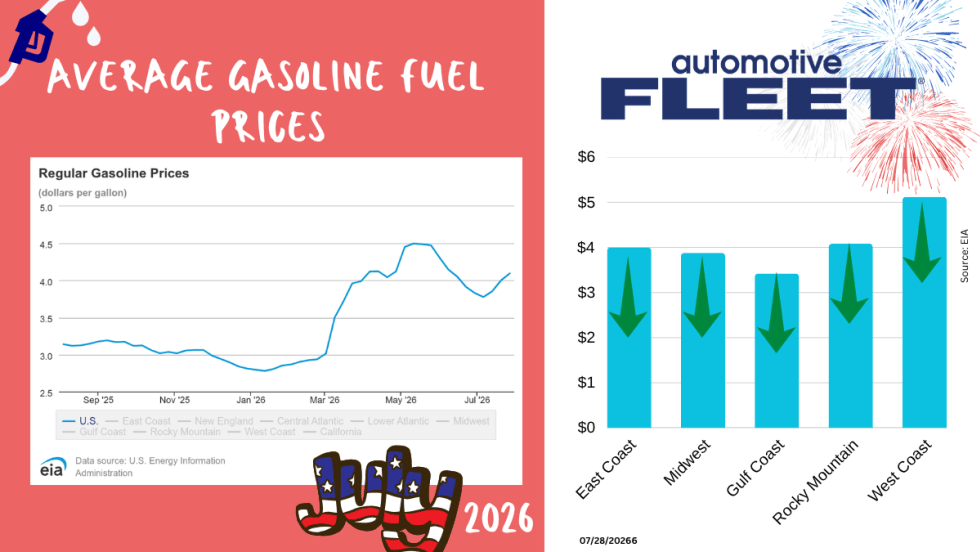
July Fuel Update: Prices Keep Rising in Light of More Conflict
Gas prices continue to rise as more and more conflicts do, too.
Read More →
Bob Adamsky on Fuel Volatility: "Don't Panic, Have a Plan."
When it comes to up and down fuel prices, Adamsky has a message for fleets: “Don’t panic.”
Read More →
How Fleets Can Gain Control of Non-Fuel Spend
Fuel often gets the spotlight, but non-fuel expenses can have a major impact on fleet costs. Ramel Lindsay of U.S. Bank Voyager discusses how fleets can gain better visibility and control over these often-overlooked expenditures.
Read More →
Fuel is Just the Start: How Middle East Tensions are Driving Up Fleet Maintenance Costs
The Middle East conflict is doing more than pushing up fuel prices. It’s also raising the cost of key maintenance products your fleet depends on, from motor oil to tires to windshield wipers. Here’s what you need to know about this budget-busting situation.
Read More →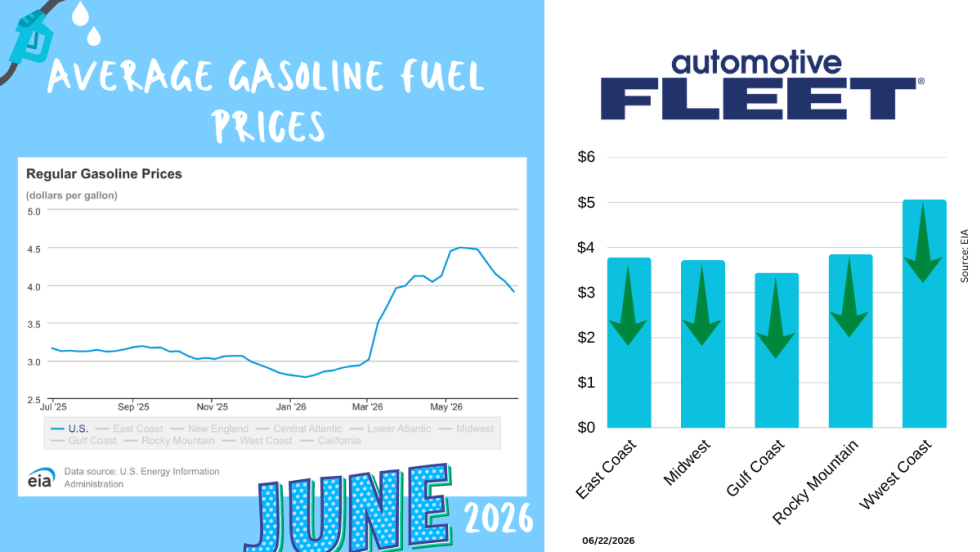
June Fuel Update: Prices Fall Below $4
Drivers are finally getting some relief at the pump. The national average gas price has dropped below $4 a gallon for the first time in months, with prices falling in 47 states as oil markets react to developments in U.S.-Iran negotiations.
Read More →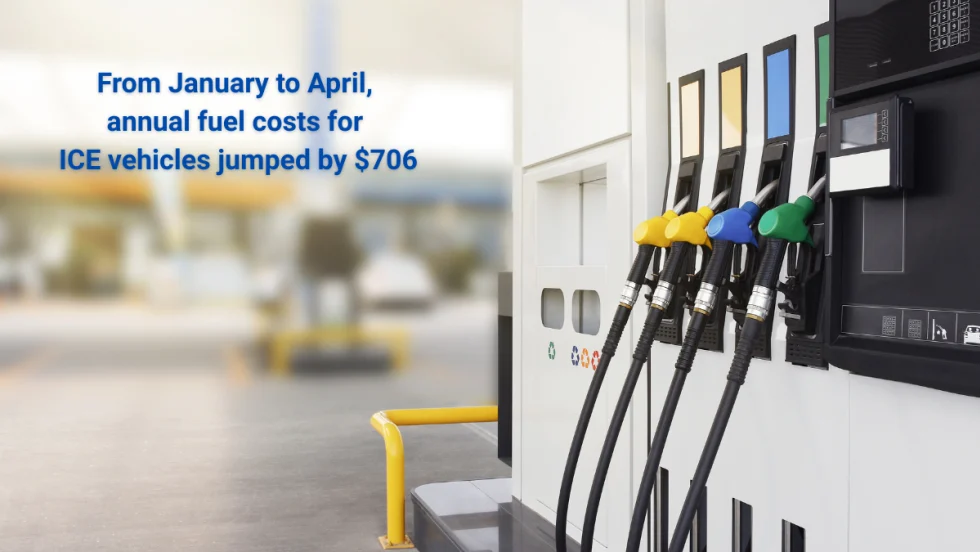
Study: How 2026's Gas Price Hikes Affect Different Vehicle Types
New data from iSeeCars reveals how rising fuel costs have affected different vehicle segments as gasoline prices climbed nearly 46% over the past four months.
Read More →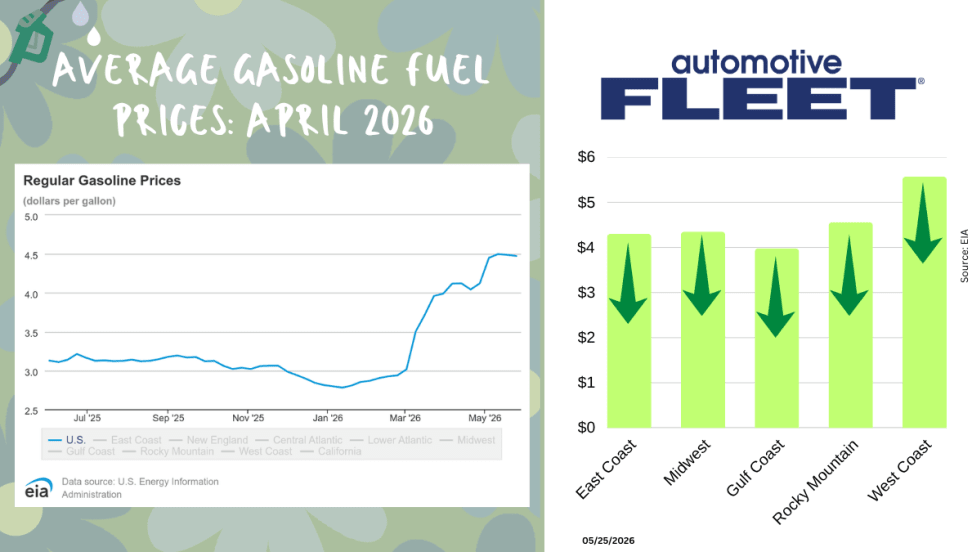
May Fuel Update: All Regions Experience Declines
Gas prices are finally easing in much of the country, but experts warn global tensions could quickly reverse the trend as the national average remains well above last month’s levels.
Read More →