





Related: Feds Schedule Hearings on Trump's Fuel Economy Plan
FCA: Fuel Economy Rules Should Change to Reflect SUV Popularity
Fiat Chrysler Automobiles and Ford Motor Co. came out against President Trump's bid to relax strict fuel economy standards approved during the Obama administration, but said the initial rules didn't consider increasingly popular utility sales and continuing lower fuel prices.
September 25, 2018
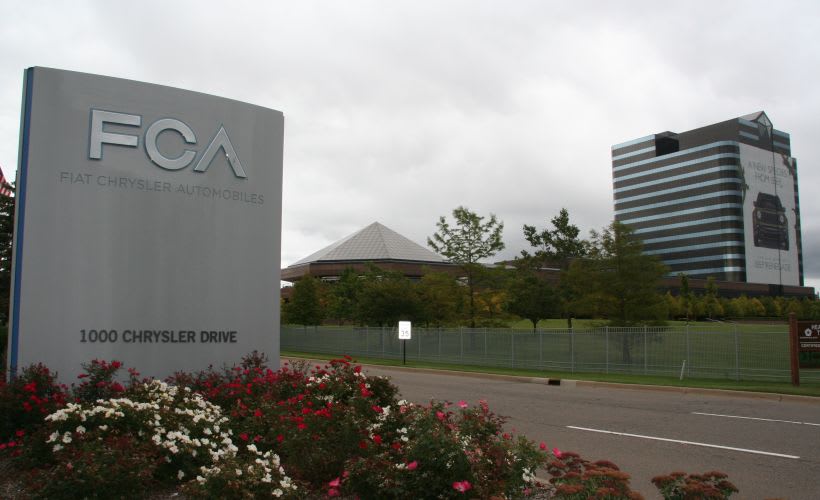
Fiat Chrysler Automobiles and Ford Motor Co. have said they support changing strict fuel economy standards approved during the Obama administration.
Photo courtesy of FCA.
3 min to read
Fiat Chrysler Automobiles and Ford Motor Co. came out against President Trump's bid to relax strict fuel economy standards approved during the Obama administration, but said the initial rules didn't consider increasingly popular utility sales and continuing lower fuel prices, the automaker said in feedback submitted as part of the public review.
The U.S. Environmental Protection Agency and National Highway Traffic Safety Administration began hearings this week, including one in Dearborn, Michigan on Tuesday, on Trump's SAFE (Safer Affordable Fuel-Efficient) Vehicles rule that would roll back fuel efficiency and greenhouse gas emissions standards for vehicles produced from the 2021 to 2026 model years. It would freeze Corporate Average Fuel Economy (CAFE) standards at 2020 levels for those model years. The EPA is also proposing to withdraw a waiver granted to California for the greenhouse gas and zero emissions vehicles sections of the regulations.
"In model year 2016, for the first time since the new standards were put in place, the industry as a whole could not comply with the fleet standards without using credits," said Steve Bartoli, FCA's vice president of global fuel economy, in submitted comments. "FCA supports the policy choice in favor of ongoing fuel economy improvements in the fleet, but that policy needs to be based on market realities as they have evolved since 2012."
Ford's global director of sustainability and vehicle environmental matters, Bob Holycross, echoed the sentiment, saying in his testimony that the company does not support "standing still," reports the Detroit News.
"We need a consistent, stable regulatory framework in which to make these capital-intensive investments, including policies that will help drive demand for emerging technologies," he said.
Part of why automakers have had difficulty complying with current standards without using credits is due to the higher SUV sales, because these vehicles require more energy, according to FCA.
Original forecasts showed cars increasing from 50% to 57% of annual vehicle sales by 2025. Instead, car sales fell to 36% of total sales in 2017, while sales of SUVs increased from 30% to more than 40%. Gasoline prices were predicted to be more than $4 per gallon by 2018, and today's national average price reached $2.85 on Sept. 24, according to AAA.
"A utility or crossover vehicle with the same powertrain and technology as a sedan with the same footprint will require more energy — a trade-off consumers are willing to make for the versatility of a crossover or SUV. This is a primary contributing factor to the growing industry compliance gap," according to an FCA release.
Consumers have also been reluctant to purchase the range of electrified or hydrogen-powered vehicles produced by manufacturers. In the past decade, automakers have nearly tripled the number of available electrified vehicles such as gasoline-electric hybrids, plug-in hybrid electric vehicles, battery-electric vehicles, and fuel cell vehicles. The combined market share of these vehicles has remained nearly flat at 3% and 1.5% for the most strongly electrified vehicles.
General Motors and other manufacturers haven't made their comments public about Trump's proposed rule.
More Vehicle Research
2027 Toyota Camry Offers Hybrid Powertrain Across Five Grades
The 2027 Toyota Camry is a carryover with new pricing.
Read More →
Chevrolet Updates 2027 Trax and Trailblazer with More Standard Safety Features
Chevrolet is updating two of its smallest SUVs with added driver-assistance technology, redesigned interiors, and revised trim options. The changes could add more safety equipment as standard for commercial fleets, while a new Trailblazer configuration adds another all-wheel-drive option.
Read More →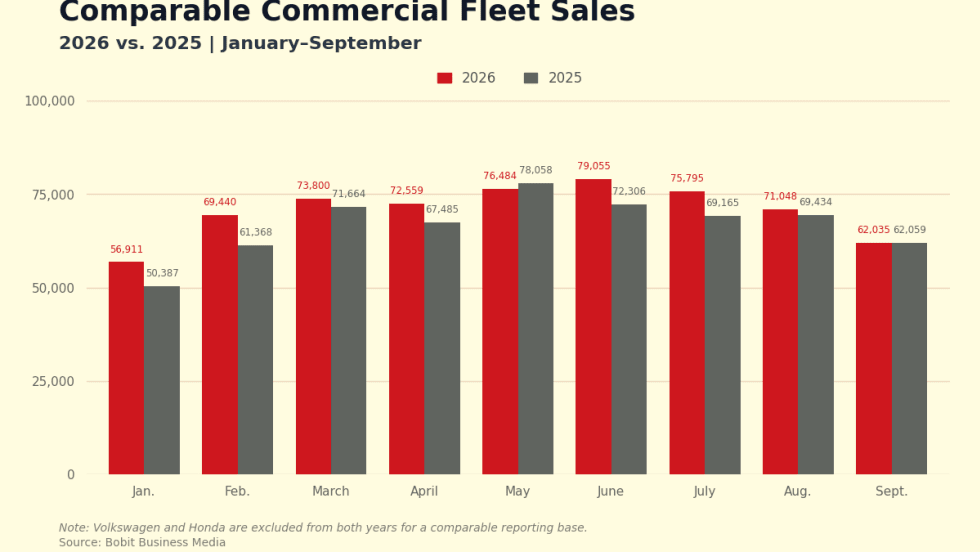
Commercial Fleet Sales Rise 5.8% Through September 2026
September commercial fleet sales were essentially unchanged from a year earlier, slowing year-to-date growth while keeping volume ahead of 2025.
Read More →
Hall of Fame Inductee: John Dmochowsky
The longtime Mondelēz International fleet executive joins the Automotive Fleet Hall of Fame.
Read More →
Hall of Fame Inductee: Lee Miller
After more than four decades at Boehringer Ingelheim, Lee Miller leaves a legacy built on fleet expertise.
Read More →
Hall of Fame Inductee: Mark F. Petersen
From managing fleets of thousands of vehicles to advancing safety and mentoring fellow professionals, Mark F. Petersen made his mark across both the corporate and supplier sides of fleet.
Read More →
When Charger Downtime Becomes a Fleet Availability Problem
As EV deployments move beyond pilot programs, charger reliability can directly affect vehicle readiness, driver productivity and route scheduling.
Read More →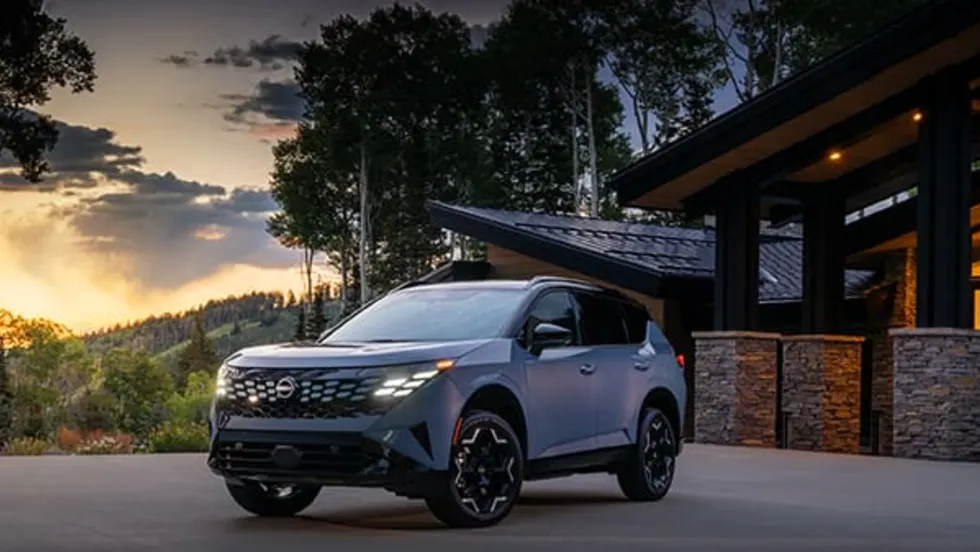
2027 Nissan Rogue Hybrid Adds e-POWER, Standard AWD
The new Rogue Hybrid uses Nissan’s e-POWER system with dual electric motors, offers an estimated 40 mpg and starts at $35,490.
Read More →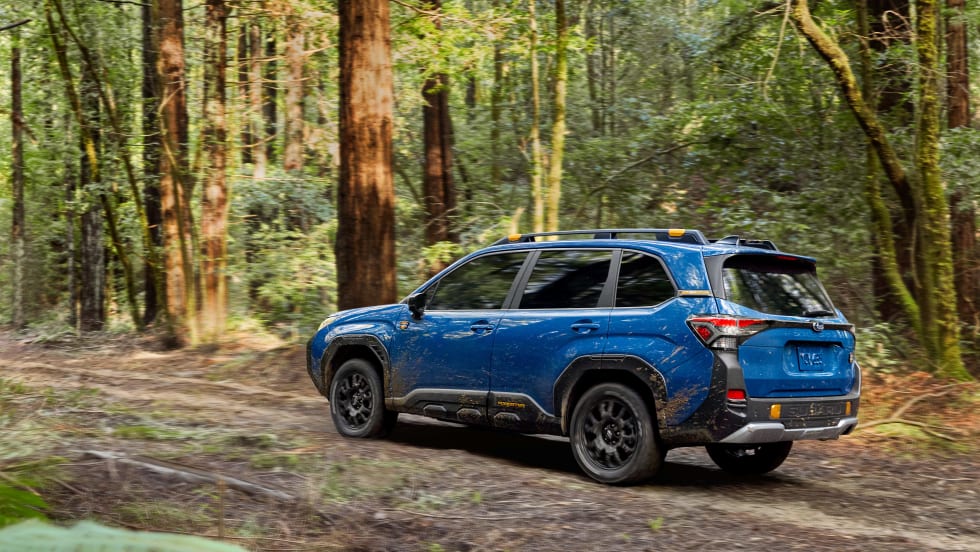
2027 Subaru Forester Adds First Wilderness Hybrid
The 2027 Forester lineup starts at $29,995 and adds a Wilderness Hybrid with 194 combined horsepower and 9.3 inches of ground clearance.
Read More →
EV Realty Names Henrik Holland President as Charging Platform Expands
The former Prologis Mobility and Shell executive will help expand EV Realty’s truck charging business and move its power-first infrastructure model into autonomous vehicle depots and other fleet sectors.
Read More →