





Similar Story: High Gas Prices Lead to Lower Vehicle Satisfaction
ACSI Report: Overall Customer Vehicle Satisfaction Slips
A new study from the American Customer Satisfaction Index Automobile Study shows a sharp decline in customer satisfaction with smaller luxury and mass-market brands, putting downward pressure on the industry as a whole.
August 31, 2022

GM takes the lead in legacy domestic manufacturers, Ford slipped 1%, though it outpaces Stellantis, while Subaru and Toyota topped mass-market vehicles in the study.
Logo via Subaru
3 min to read
Customer satisfaction with today's crop of auto models is moving in reverse, according to data from the American Customer Satisfaction Index (ACSI) Automobile Study 2021-2022 released on Aug. 23.
Overall customer satisfaction with automobiles slid 1.3% to a score of 77 (out of 100). A sharper 4% decline was noted with the group of smaller luxury and mass-market nameplates, which puts downward pressure on the industry as a whole, according to ACSI.
Japanese and Korean manufacturers improved 1 point, moving into a first-place tie with European manufacturers at 79. Legacy U.S. automakers continue to trail the competition despite a steady score of 77.
Among legacy domestic manufacturers, GM took the lead, climbing 1% to 78. Ford slipped 1% to 76, though it outpaces last-place Stellantis, which dipped 1% to 75.
Luxury nameplates grew their lead over mass-market vehicles after surging 2.6% to 80; the latter remained stable with an ACSI score of 77.
“For the auto industry this year, it’s all about luxury brands, with the driver experience improving nearly across the board,” says Forrest Morgeson, assistant professor of marketing at Michigan State University and director of research emeritus at the ACSI. “Luxury plates Acura and Infiniti make a splash with massive customer satisfaction gains, but most mass-market brands falter. Fuel economy is a concern for consumers with high prices at the pump, while chip shortages make mainstream plates hard to come by. Customers may be facing long wait times or settling for models that don’t match their needs.”
Subaru shared the top spot with Toyota (up 1%), despite slipping 1% to an ACSI score of 80.
Four mass-market nameplates scored 78: Chevrolet (up 3%), Hyundai (down 1%), Mazda (down 1%), and Ram (down 3%).
After leading the industry last year, Honda plunged 6% to 77, same as Buick (unchanged), Nissan (down 1%), and Volkswagen (unchanged). Ford (down 3%), GMC (down 3%), Jeep (unchanged), and Kia (down 1%) all scored 76, while Dodge stumbled 5% to a score of 74.
Despite small gains, Chrysler (up 3%) and Mitsubishi (up 1%) share last place at 72.
Among mass-market vehicles, customers are most satisfied with comfort, dependability, driving performance, and vehicle safety. However, the latter benchmark dipped 1% year over year.
Drivers are least happy with warranties and gas mileage, which slipped 1% and 3% each.
Lexus laid claim to luxury market, but Acura and Infiniti zoomed into contention. Lexus took sole possession of first place in the luxury segment and the industry overall, after improving 4% to an ACSI score of 84.
Acura and Infiniti surged 8% and 9%, respectively, moving into a three-way tie for second with Audi (up 3%) at 82. Cadillac improved 4% to 80, matching Tesla (unchanged) and just ahead of Mercedes-Benz, which increased 1% to 79.
At the bottom of the category, BMW plunged 5% to 77, but outperformed Volvo (76) and Lincoln (75), each retreating 1%.
In terms of the driving experience, luxury vehicles improved almost across the board. Drivers were most pleased with comfort (84), up 2% year over year, and very pleased with interior and vehicle safety, both elements up 1%.
Only two benchmarks sat below 80: warranties (up 1% to 79) and gas mileage (unchanged at 76).
The ACSI Automobile Study 2021-2022 is based on interviews with 4,708 customers, chosen at random and contacted via email between July 2021 and June 2022. The ACSI study and rankings are based on customers’ opinions of their own vehicles, and results are reported on a 100-point scale.
More Vehicle Research
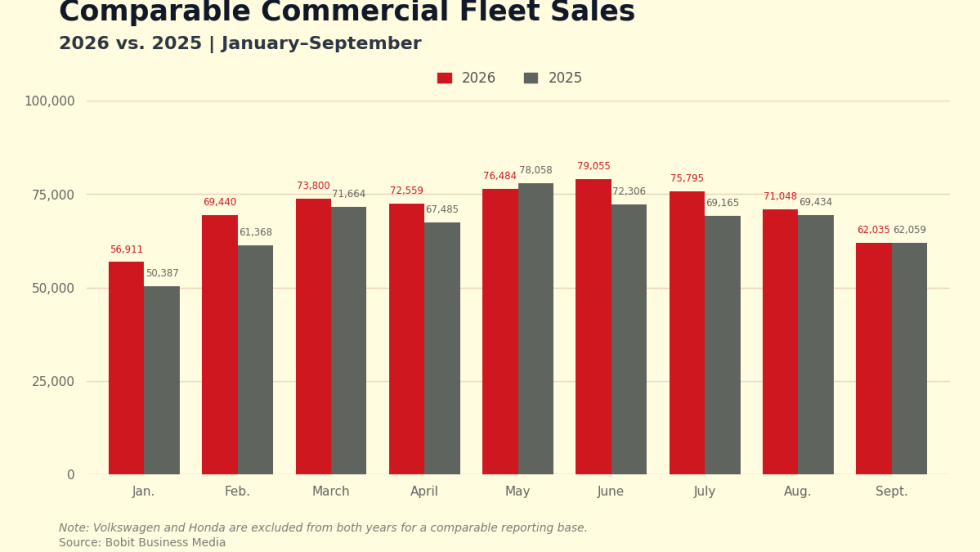
Commercial Fleet Sales Rise 5.8% Through September 2026
September commercial fleet sales were essentially unchanged from a year earlier, slowing year-to-date growth while keeping volume ahead of 2025.
Read More →
Hall of Fame Inductee: John Dmochowsky
The longtime Mondelēz International fleet executive joins the Automotive Fleet Hall of Fame.
Read More →
Hall of Fame Inductee: Lee Miller
After more than four decades at Boehringer Ingelheim, Lee Miller leaves a legacy built on fleet expertise.
Read More →
Hall of Fame Inductee: Mark F. Petersen
From managing fleets of thousands of vehicles to advancing safety and mentoring fellow professionals, Mark F. Petersen made his mark across both the corporate and supplier sides of fleet.
Read More →
When Charger Downtime Becomes a Fleet Availability Problem
As EV deployments move beyond pilot programs, charger reliability can directly affect vehicle readiness, driver productivity and route scheduling.
Read More →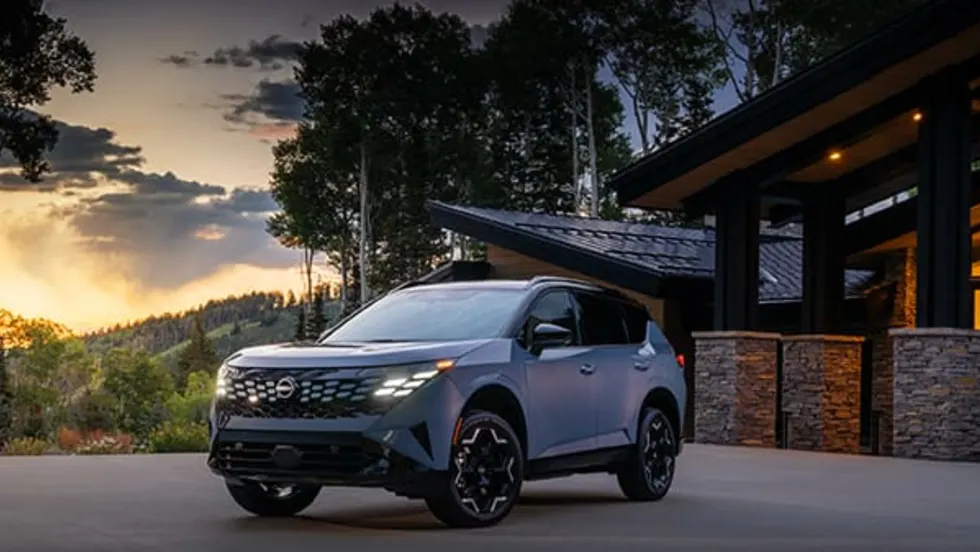
2027 Nissan Rogue Hybrid Adds e-POWER, Standard AWD
The new Rogue Hybrid uses Nissan’s e-POWER system with dual electric motors, offers an estimated 40 mpg and starts at $35,490.
Read More →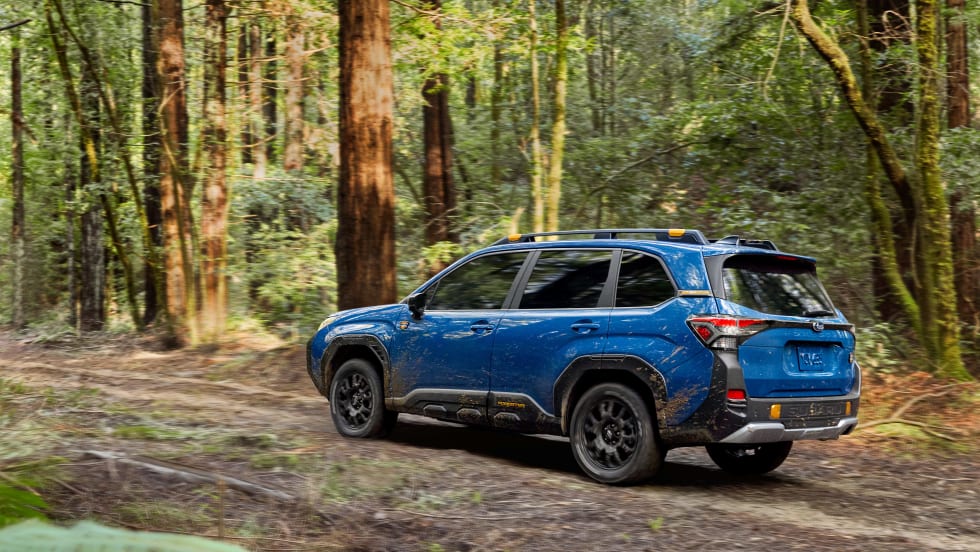
2027 Subaru Forester Adds First Wilderness Hybrid
The 2027 Forester lineup starts at $29,995 and adds a Wilderness Hybrid with 194 combined horsepower and 9.3 inches of ground clearance.
Read More →
EV Realty Names Henrik Holland President as Charging Platform Expands
The former Prologis Mobility and Shell executive will help expand EV Realty’s truck charging business and move its power-first infrastructure model into autonomous vehicle depots and other fleet sectors.
Read More →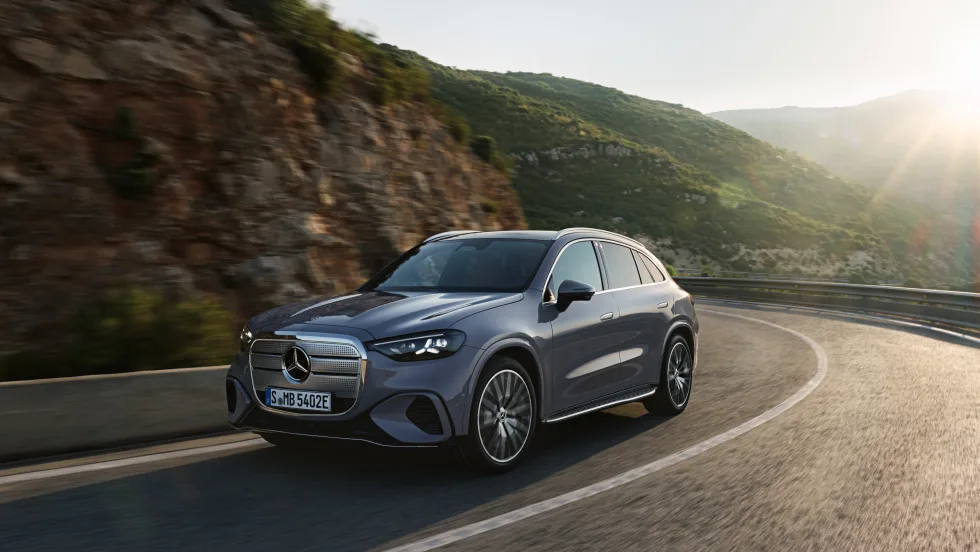
Mercedes-Benz Introduces Electric GLC With Up to 350 Miles of Range
The GLC 400 4MATIC Electric features an 800-volt architecture, 330-kW DC fast charging and a 94-kWh battery, along with Mercedes-Benz's new MB.OS operating system.
Read More →
Fleet Has a Talent Pipeline Problem, not a Talent Problem
Where will the next generation of fleet leaders come from, and what does the industry need to do differently to find them?
Read More →