




Telematics is No Longer Avoidable
We are a digital and connected society, and that interconnectedness is only intensifying. It is incumbent on fleet operators to have as much transparency and insight into their businesses as possible.


Above and beyond geolocation, new and updated processes — including electrification, generative AI, autonomous technology, and remote operations — require a connected fleet.
Photo: Automotive Fleet
Are you still resisting installing a telematics system in your fleet?
You might be pushing back because you see your drivers as family. You trust them, so you don’t think they need to be tracked. You might cite the driver shortage — your pool of eligible driver applicants would shrink by the number of applicants who’d have a Big Brother reaction to telematics. Or that telematics systems don’t return an adequate ROI.
If your drivers are like my family, you’d want to track them. Yes, I’m joking (mostly). But ask any fleet operator who had maintained that “family” ideal and talk to them after they’d installed telematics and gained actual visibility into their drivers’ actions.
Applicants declining a job because they don’t want to be tracked should make you think they aren’t suitable. And whether a system is worth the money, the percentage of fleets that install one and then abandon telematics entirely is very low, according to Clem Driscoll’s latest survey of telematics in fleets.
Driscoll’s survey also finds that geolocation — knowing where your workers are — is still the number one reason to employ telematics. But there are many more reasons to be connected today.
Connectivity Accelerates
The pandemic changed how we conduct business and caused the accelerated adoption of technology, the growth of e-commerce, a rethinking of the supply chain, and expanded options to work remotely. Those trends depend on connectivity.
Tech buzz acronyms like IoT and AI also rely on connectivity. Generative AI (like ChatGPT) has untapped promise to shorten processes and alleviate staff hours. If these applications involve fleets, connectivity is intrinsic.
An electrified fleet depends on connectivity to manage the state of charge and charging, along with vehicle and driver performance. Even if you’re not yet into EVs but are looking for ways to lower your fleet’s carbon emissions, the task is much easier with a connected fleet.
These needs will only intensify as stricter emissions regulations arise and organizations ratchet their decarbonization efforts.
New systems in which the vehicle is a payment device (replacing a fleet fuel card) rely on connectivity, as does usage-based insurance. And as vehicles begin their slow path to autonomy, they’ll also need to be connected.
Your top salesperson may initially resist being tracked, but she may appreciate how location mixed with customer data can better define her most profitable stops. Data tied to location can connect customers, warehouses, stores, job sites, and workers, creating greater efficiencies and uncovering new revenue streams.
Transparency and Insights Essential
Consider the issues affecting your fleet — including record-high new vehicle prices, continued supply chain disruptions, and driver and technician shortages, compounded by macro issues such as expanding labor unrest, a recurring government shutdown threat — and the constant risk of a recession.
Meanwhile, fatalities per vehicle miles traveled have spiked after the pandemic. Preventing one fatality — or one nuclear verdict — is incumbent on fleet operators who now have more tools to prevent them.
Black Swan events? We’ve almost come to expect them. This uncertain future necessitates as much transparency and insight into your business as possible.
We are a digital and connected society, and that interconnectedness is only intensifying. Declining to harness the power of connectivity is a disservice to the organization.
So yes, it’s time to get connected if you aren’t already.
More Blog Posts

How to Win a Fleet Manager Award: Make Your Nomination Count
Strong fleet accomplishments can go unrecognized when the nomination doesn’t make the case. Here’s what judges need to see.
Read More →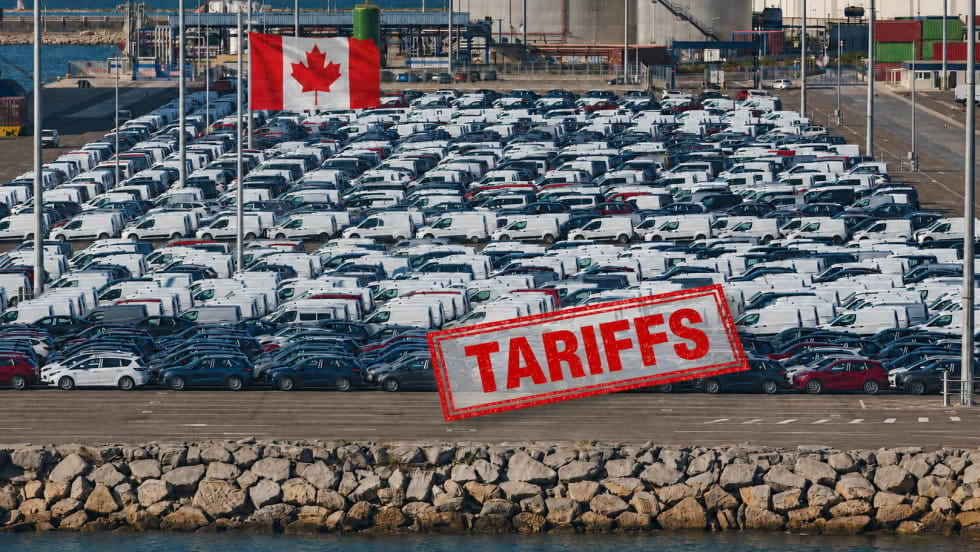
The Only Certainty with the New Tariff Threat Is Uncertainty
Trump’s Canadian tariff threat will not move production overnight, but the uncertainty could influence ordering and pricing now. Longer term, forces beyond tariffs may determine which North American plants survive.
Read More →
What Does It Mean to Embody the Spirit of Fleet?
Presented alongside Fleet Manager of the Year, Fleet Visionary, and Fleet Hall of Fame at AFLA, the new Mike Antich Spirit of Fleet Award is unique in that it recognizes service to the overall profession. Just like Mike.
Read More →
What Separates Great Fleet Managers From Everyone Else?
What do Visionary candidates with fewer than 10 years of experience have in common with Hall of Fame nominees with a lifetime under their belts?
Read More →
The Next Fleet War Won't Be Won on Specs Alone
The 2026 Stellantis Pro One Fleet Preview was less about vehicles and more about what happens after you buy them.
Read More →
Navigating Brundlefly and Fleet AI at 2026 NAFA I&E
AI is becoming the operating layer for fleets. In Cleveland, the buzz was about harnessing AI in an increasingly complex, permanently disrupted environment.
Read More →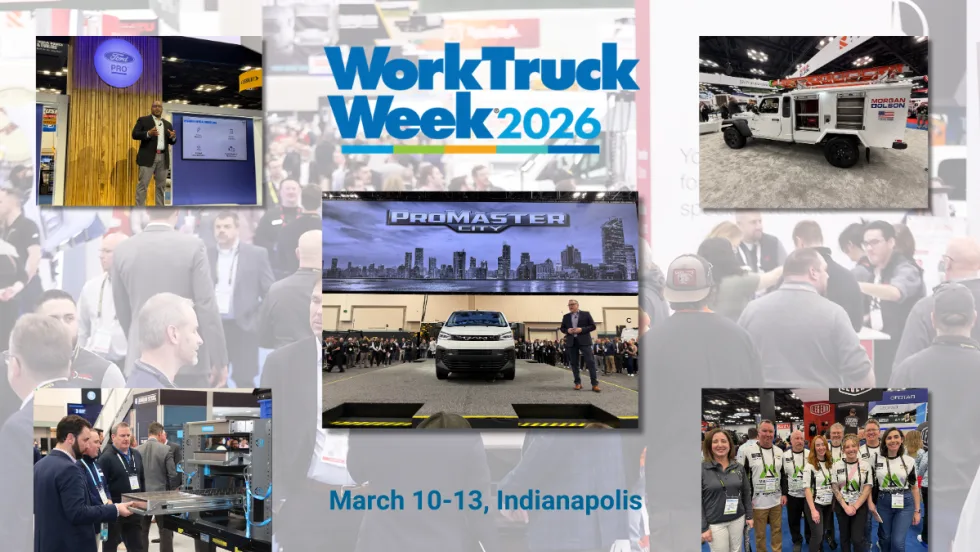
8 Trends: Work Truck Week 2026 Reveals a Fleet Industry in Reset Mode
Walking the show floor this year, the new focus was around “practical innovation” and pragmatic solutions. And oh yeah, a new small van.
Read More →
The Moment AI Became Operational
“AI isn’t assisting us anymore. It’s doing the work,” said CEO Neil Cawse at Geotab Connect 2026. What does this mean for fleet managers?
Read More →
For Mike Antich, it Was Always About the People
He stood tall in the industry in so many ways, but he measured success by the people he served.
Read More →
Solving the Flexible-Lean Fleet Paradox
The lean fleets of yesterday are the fragile fleets of today. Where do we find the balance?
Read More →