




Collaboration Between Procurement & EHS Can Yield Dramatic Spend Reductions
Procurement underperforms in cross-collaboration initiatives with other corporate spend categories, such as Environment, Health & Safety (EHS) and supply-chain management.

A key collaboration opportunity is in the area of fleet safety.
Photo: Bobit
For the past several decades, procurement has emerged as the engine of change in fleet management, resulting in dramatic changes in asset acquisition and the supplier selection process. However, procurement underperforms in cross-collaboration initiatives with other corporate spend categories, such as Environment, Health & Safety (EHS) and supply-chain management.
A key collaboration opportunity is in the area of fleet safety. The annual accident rate for commercial fleets is around 20%, with some industries, such as pharmaceuticals, even higher. I’ve always accepted this statistic as a cost of doing business, but have reassessed my position.
The magnitude of the problem is best illustrated by using a manufacturing analogy that views a fleet-related accident as a defect. Ask yourself what industry would view a 20% or more defect rate as acceptable? Universally, industries with a 20% defect rate would view it as a crisis.
The silver lining is that these defects – fleet accidents – are a controllable expense. This is where procurement can play a major role. This is fertile ground for procurement-driven initiatives. Of the 20% of fleet vehicles involved in an accident, about 40% were involved in preventable accidents. If 40% of all accidents are preventable, this represents a huge opportunity to reduce fleet costs.
Industry studies show that accidents represent 14% of a fleet’s total expenses, although it is probably even higher since these studies do not take into account soft costs such as downtime, lost employee productivity, etc. Hypothetically, if fleets could eliminate all preventable accidents, the percentage of this expense category compared to total fleet spend would drop to about 8%.
It is impossible to reduce all preventable accidents, but simply cutting in half the number of preventable accidents would yield substantial cost savings. In today’s fleet management world, there are few areas where such dramatic cost reductions can be achieved.
The Power of Cross-Collaboration
There are many opportunities for procurement to collaborate with other corporate departments to increase fleet driver safety and reduce both direct and indirect accident-related costs.
This desire for collaboration isn’t one-sided, as many other corporate functions likewise want to collaborate on fleet initiatives. For instance, corporate risk management is becoming more influential in the types of vehicles added to fleet selectors. Some corporate risk management departments dictate that only models with NHTSA 5-Star ratings can be added to a fleet selector.
Another department with great potential for cross-collaboration opportunities is EHS, which is responsible for employee safety issues elsewhere in the company, such as the factory floor and workstation ergonomics. In recent years, EHS has been extending its reach into fleet because company drivers are one of the largest sources of workers’ comp claims.
For instance, driver-related ergonomics issues that result in workers’ comp claims are on the rise at truck fleets. OSHA requires an employer to provide a workplace free from recognized hazards and OSHA considers company vehicles to be a workplace. Vehicle ergonomics has a direct bearing on driver productivity, employee satisfaction, and frequency of workers’ comp claims.
Perhaps the most important benefit of optimized ergonomics is that it can increase accident avoidance. Poor ergonomics increases driver discomfort, which increases fatigue, a key contributor to preventable accidents. Not all ergonomic expenses are related to accidents.
Over the years, work vehicles have evolved into mobile offices equipped with a variety of in-cab devices. These devices and equipment take space, creating an increasingly cramped cab environment, restricting a driver’s body movement, which can potentially lead, in the long-term, to ergonomic-induced injuries. Also, non-ergonomic keyboards mounted inside the cab are contributing to an upturn in disability claims for carpel tunnel syndrome injuries.
Resolving ergonomic deficiencies can have a significant impact on the bottom line by improving driver productivity, reducing workers comp costs, and reducing fatigue-induced operator errors. Procurement can contribute to improving ergonomics through its purchases. When total cost of ownership (TCO) is calculated, the cost-avoidance benefits of ergonomics must be monetized and the value factored into calculating a vehicle’s TCO.
Assessing Third-Party Contractor Fleets
Procurement can play a strong role in bolstering a corporate safety culture for both internal end-users and external third-party contractors by collaboratively working with other departments that have overlapping safety interests.
A collaborative approach with EHS is a logical extension for procurement when it is tasked with selecting third-party contractors, many of whom operate independent vehicle fleets. A collaborative venture with EHS allows procurement to assess potential safety risks with prospective third-party contractors early on during the RFP process.
By employing EHS corporate safety guidelines, procurement can verify prior to hiring whether a contractor is aligned to corporate standards as set forth by EHS and outside regulatory agencies, such as OSHA. In the event of a serious vehicle accident, a contractor’s failure to follow safety protocols may potentially result in vicarious liability exposure for the company employing them.
Procurement underutilizes its influence on overall corporate safety through its purchasing decisions for internal fleet customers and its hiring decisions for third-party contractors. Procurement should be the first layer of a corporate safety culture ensuring contactor compliance with corporate safety standards.
The reality is some contractors sometimes fall short of a company’s compliance standards and vehicle safety performance expectations. Since it initiates the RFP process, procurement is well-positioned to also initiate compliance discussions and corporate safety requirements.
More Blog Posts

Fleets Want Trust Restored with Suppliers
During this period of ongoing supply constraints, the trust that fleet managers had with OEMs, upfitters, and dealers has been strained. Fleet managers say they have had too many experiences over the past three years coping with erroneous information, adjusting to multiple price increases, and feeling betrayed by inadequate transparency from suppliers.
Read More →
Scheduled Replacement Cycles Are Becoming a Distant Memory
The ongoing difficulty in sourcing replacement vehicles is forcing companies to extend the service lives of vehicles that are unable to be replaced, which, inevitably, increases unscheduled maintenance expenses.
Read More →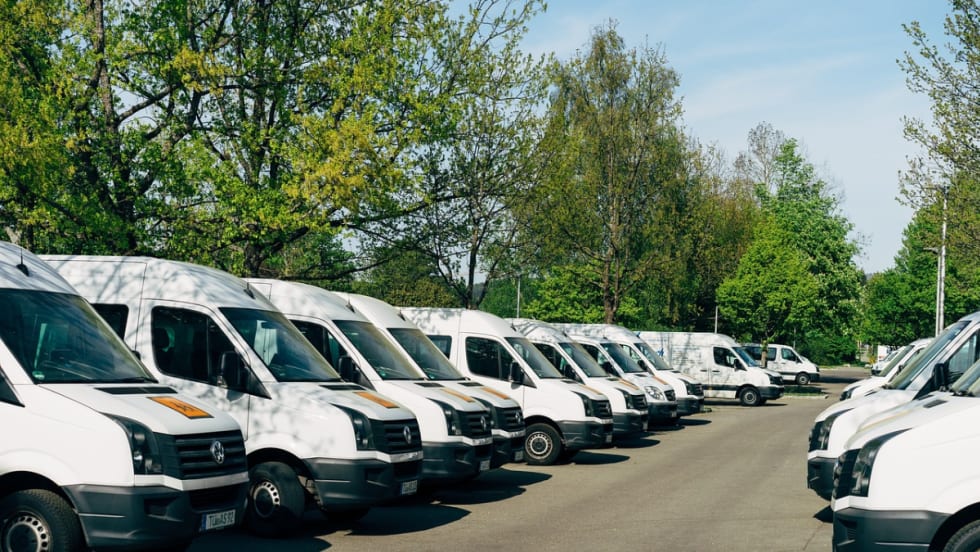
Fleet Simplification is the Antidote to Asset Variability
Fleet simplification identifies asset functions to uncover commonality among the equipment and assets. Simplification increases operational efficiency as end-users become accustomed to the controls, displays, and operation of less diverse units.
Read More →
The Dangers of Static Fleet Policies
A fleet policy is a living document, flexible enough to adapt to evolving business priorities, developing industry trends, and changing industry best practices and standards.
Read More →
Short-Term vs. Long-Term Cost Reductions
Corporate procurement staff are often driven by short-term, immediate cost reductions. However, a longer perspective to soft cost savings is critical because fixating on short-term results will hurt a company in the long run.
Read More →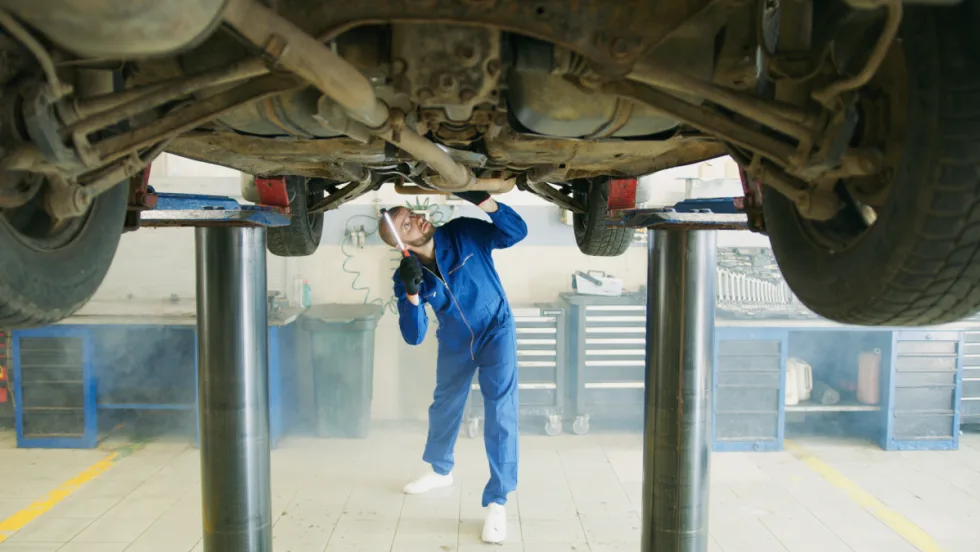
Uptick in Unscheduled Maintenance Increasing Vehicle Downtime
Fleet data analysis can identify recurring downtime issues. It’s important to determine the root causes of downtime so procedures can be developed to minimize such problems.
Read More →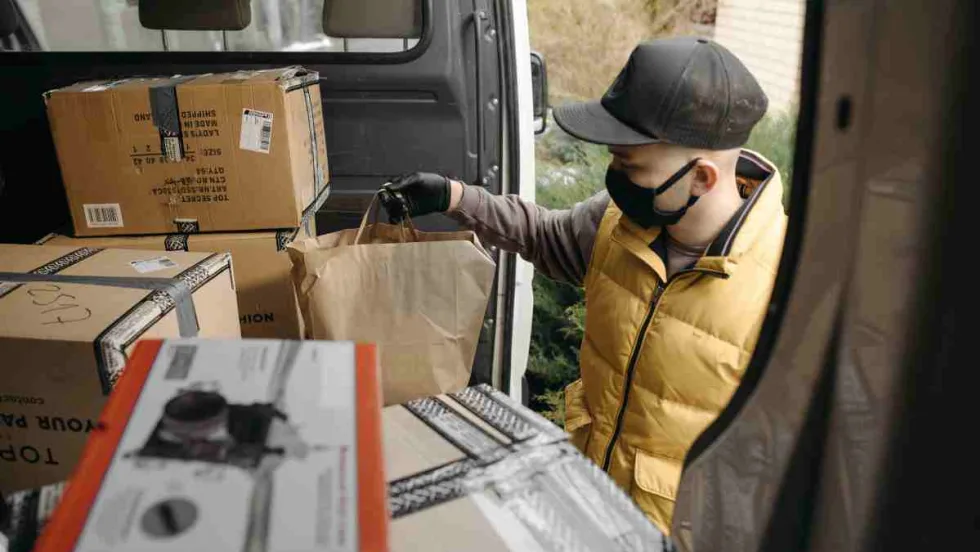
Eliminate Needless Curb Weight to Maximize ICE & EV Efficiencies
Vehicle weight relates directly to fuel economy. In today’s era of electrification, there is also a direct correlation between vehicle weight and battery range.
Read More →
Tech Dependence Risks Dumbing Down Fleet Manager Expertise
The line between creative thinking and problem solving and doing what the data indicates is thin. To lead in fleet management, you need to balance understanding the fundamentals and embracing what smart technology offers.
Read More →
Leverage the Synergy of Safe Driving to Achieve Sustainability and Cost Goals
Safe driving, emission reductions, and cost containment can all be achieved at the same time.
Read More →
The Playbook for Fleet Manager Success
There are many paths to success — most of them involve being flexible, open-minded, and willing to learn.
Read More →