





Read More: Tips to Improve Cargo Management
Eliminate Needless Curb Weight to Maximize ICE & EV Efficiencies
Vehicle weight relates directly to fuel economy. In today’s era of electrification, there is also a direct correlation between vehicle weight and battery range.
December 6, 2022

Not only does overloading consume additional fuel and decreases battery range, it also causes unnecessary vehicle wear and tear
Photo: Pavel Danilyuk
4 min to read
There's a direct correlation between vehicle weight and fuel economy. Likewise, in today’s era of electrification, there is also a direct correlation between vehicle weight and battery range.
Payload is the central component for most work truck functions, but sometimes volume is a more important consideration, especially for cargoes such as packaged snack foods, foam furniture filling, or delivering polystyrene packaging materials. In these fleet applications, volume is much more important. Regardless, internal combustion engine (ICE) vehicles get better fuel mileage and EVs get better battery range when not loaded with unnecessary weight. An extra 100 lbs. in a vehicle could reduce mpg up to 2% for an ICE vehicle or range degradation with an EV.
Drivers are the Culprits
Typically, the chief culprits responsible for accumulating unnecessary weight are drivers. Reducing the overall weight of a vehicle improves its overall efficiency, whether powered by gasoline or electricity. In the case of electricity, lighter vehicles can travel farther distances. Lighten the load and you will extend EV range. Too much unnecessary weight can tax the EV’s battery and diminish driving range. Check the trunk, the frunk, and rear cargo area to make sure you’re not lugging around gear that isn’t necessary for your journey. When possible, avoid hauling heavy items and cargo not necessary for the job. Every little bit counts, and lightening the load for ICE or EV vehicles will reap benefits.
Over the course of a vehicle’s service life, drivers accumulate a “payload” of dated sales materials, point of sale demos, and seldom-used tools carried in trunks, storage bins, and back seats. You’d be surprised how quickly pounds add up, especially when heavy tools and materials are carried. Not only are trunks filled with work-related materials, but they are also used for personal storage. I heard of one rep who bought in bulk boxes of one-gallon bottled water (a cumulative 16 gallons per box) and would leave the two or three boxes in the trunk because they were too heavy to carry into her home. She would remove from the trunk a gallon or two at a time, whenever water was needed. In the meantime, she hauled this unnecessary weight while conducting company business. Another fleet manager told me of one of his drivers, who was an avid bowler and would carry the team’s bowling balls in the trunk of his vehicle.
EVs are Heavier than Comparable ICE Units
EVs tend to weigh a lot more than internal combustion engine vehicles. This extra curb weight is mostly due to the batteries. Powering a van weighing up to 3.5 tons at freeway speeds for 100 miles takes a huge amount of energy that is stored in a battery pack. These batteries are really heavy. This means that most electric vans have a higher unladen weight and that creates a variance in what theey carry compared to their diesel equivalents.
Heavier vehicles, such as EVs, create more wear and tear on roads and bridges. Tires for electric vehicles carry a heavier load and have to withstand high instant torque, leading to faster tire wear. Every additional pound of weight in a vehicle requires an engine to work harder burning more fuel or a battery to exert more energy. By eliminating unnecessary items, there would be less demand on the engine, increasing fuel economy and help to preserve battery range. The greater the payload the more the motor has to work to offset the weight.
Fleet managers should institute a program to instruct drivers on a quarterly basis to remove all unnecessary items from their vehicles. This constant re-communication is critical because it is amazing how quickly drivers revert to old habits. Ask field managers to enforce these fuel savings or battery conservation tips and discourage drivers from using their vehicles as “rolling warehouses” to carry everything they may possibly need – just in case.
It is important to ask drivers to eliminate all unnecessary equipment and shelving, and carry only needed items. If given leeway, drivers will carry everything they can conceivably fit in a vehicle. It is important to develop guidelines as to what can be carried in vehicles relative to tools, passengers, and payload. Not only does overloading consume additional fuel and decreases battery range, but it also causes unnecessary vehicle wear and tear.
Spec'ing Lighter Weight Vehicles
When you make a concerted effort, individual weight savings start to add up. In addition, proper specifications can eliminate a lot of weight before a vehicle goes into service. For instance, an ICE truck with an oversized fuel tank adds unnecessary weight. Unless the vehicle is used in an area where fuel isn't easily accessible, why carry around three or four days' worth of fuel? A gallon of gasoline weighs 6 lbs. and a gallon of diesel fuel weighs 7 lbs. Factor in the weight of the fuel tank itself, and carrying 50 extra gallons of fuel could mean needlessly hauling up to 400 lbs. Similarly, look closely at upfit equipment. In terms of upfitted vehicles,, some upfit packages themselves can weigh between 500-600 pounds. Consider available lighter upfit packages that can still get the job done. Examine if lighter weight bodies using high-tensile steel or composites would be appropriate for the fleet application. Every pound deleted from curb weight can be directly converted into revenue-generating payload.
Let me know what you think.
Subscribe to Our Newsletter
More Blog Posts

Fleets Want Trust Restored with Suppliers
During this period of ongoing supply constraints, the trust that fleet managers had with OEMs, upfitters, and dealers has been strained. Fleet managers say they have had too many experiences over the past three years coping with erroneous information, adjusting to multiple price increases, and feeling betrayed by inadequate transparency from suppliers.
Read More →
Scheduled Replacement Cycles Are Becoming a Distant Memory
The ongoing difficulty in sourcing replacement vehicles is forcing companies to extend the service lives of vehicles that are unable to be replaced, which, inevitably, increases unscheduled maintenance expenses.
Read More →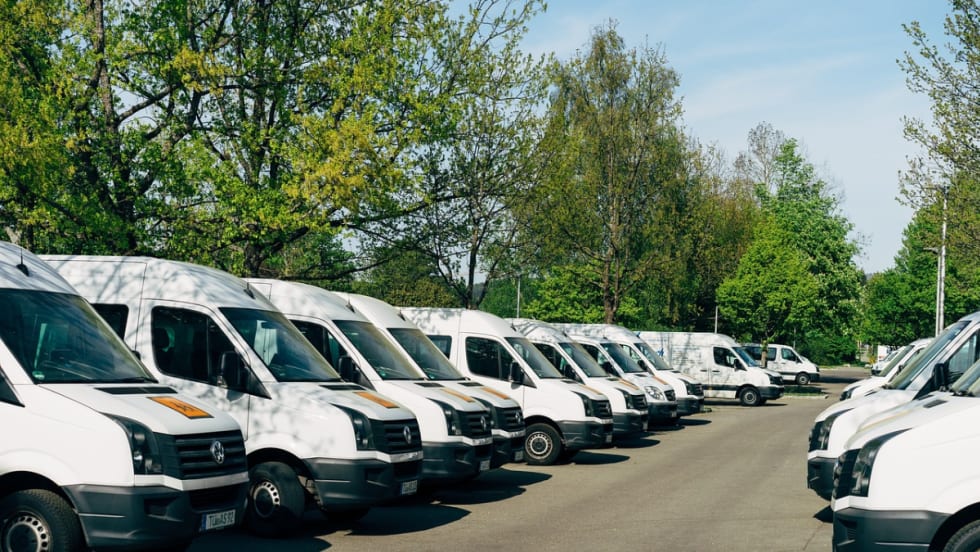
Fleet Simplification is the Antidote to Asset Variability
Fleet simplification identifies asset functions to uncover commonality among the equipment and assets. Simplification increases operational efficiency as end-users become accustomed to the controls, displays, and operation of less diverse units.
Read More →
The Dangers of Static Fleet Policies
A fleet policy is a living document, flexible enough to adapt to evolving business priorities, developing industry trends, and changing industry best practices and standards.
Read More →
Short-Term vs. Long-Term Cost Reductions
Corporate procurement staff are often driven by short-term, immediate cost reductions. However, a longer perspective to soft cost savings is critical because fixating on short-term results will hurt a company in the long run.
Read More →
Uptick in Unscheduled Maintenance Increasing Vehicle Downtime
Fleet data analysis can identify recurring downtime issues. It’s important to determine the root causes of downtime so procedures can be developed to minimize such problems.
Read More →
Tech Dependence Risks Dumbing Down Fleet Manager Expertise
The line between creative thinking and problem solving and doing what the data indicates is thin. To lead in fleet management, you need to balance understanding the fundamentals and embracing what smart technology offers.
Read More →
Leverage the Synergy of Safe Driving to Achieve Sustainability and Cost Goals
Safe driving, emission reductions, and cost containment can all be achieved at the same time.
Read More →
The Playbook for Fleet Manager Success
There are many paths to success — most of them involve being flexible, open-minded, and willing to learn.
Read More →
Drivers are the First Line of Defense in Controlling Fleet Costs
Fleet policy begins and ends with the fleet manager, a living and continually updated document, and no exceptions.
Read More →