





Watch Now: Supply Chain Hurdles to Inflation: 15 Trends Impacting Fleet Managers in 2023
Fleets Want Trust Restored with Suppliers
During this period of ongoing supply constraints, the trust that fleet managers had with OEMs, upfitters, and dealers has been strained. Fleet managers say they have had too many experiences over the past three years coping with erroneous information, adjusting to multiple price increases, and feeling betrayed by inadequate transparency from suppliers.
September 7, 2023

During this period of ongoing supply constraints, the trust that fleet managers had with OEMs, upfitters, and dealers has been strained.
Photo: Canva
4 min to read
The past three years have taken an emotional toll on fleet managers as a result of the deterioration of trust between buyers and sellers. Today, the law of supply and demand is not working in the favor of fleet managers since they have lost their negotiating leverage.
A fleet manager’s buying power has diminished as vehicle acquisition prices have increased and fleet incentives have decreased. In fact, a growing number of managers fear that fleets may not see a return to strong incentives for some time to come.
In addition, there continue to be long lead times; canceled or deferred orders; and random price increases despite signed sales orders.
This has been the new norm over the past three years, exacerbating inflation, making it impossible for fleets to plan strategically, and creating missed revenue opportunities for companies unable to expand their businesses due to asset constraints.
Plus, fleet managers complain of dealers price gouging for emergency out-of-stock orders. I’ve had fleet managers tell me they will no longer do business with dealerships who have taken advantage of them during these sourcing constraints.
The New Era of Fleet Allocation Ordering
During this period of ongoing supply constraints, the trust that fleet managers had with OEMs, upfitters, and dealers has been strained. Fleet managers say they have had too many experiences over the past three years coping with erroneous information, adjusting to multiple price increases, and feeling betrayed by inadequate transparency from suppliers.
Here’s how one fleet manager put it: “I didn’t even get an allocation for vans and that is a big part of my fleet. I placed orders in 2022 and waited 10 months only to get a note telling me that the orders were canceled and that I would have to reorder 2023s at a $5K increase.”
OEM allocations continue to be an issue. Even large fleets that have been ordering from the same manufacturer for many years have received allocations far below their needs.
Orders have been canceled without warning. This makes asset management extremely challenging, especially for fleets that have been loyal buyers to an OEM.
For most fleets, there continues to be a shortfall in replacement orders that are needed to maintain traditional replacement schedules.
In 2023, ordering was slightly better with the average fleet taking delivery of about 50%-60% of its orders, but there continues to be a replacement vehicle deficit since 40% to 50% of the vehicles needed to be replaced that were not replaced. This has driven up overall fleet costs in 2023 with higher acquisition costs, elevated interest rates, and a spike in unscheduled maintenance.
Longer service lives and higher mileage negatively impact depreciation when the vehicle is remarketed. One silver lining for some fleets is the opportunity to source vehicles from different OEMs.
However, this can cause dissatisfaction on the part of some drivers who are partial to one brand or another. Also, some OEMs are so tight with inventory that they are hesitant to take on new customers.
Managing a fleet is challenging enough. These disruptions are making fleet professionals react and recreate entire processes. This can be overwhelming as there is constant pressure from internal customers to reduce costs and provide vehicles.
As one fleet manager told me: Managing success in the chaos isn’t easy. The trick is keeping up with these disruptions without burning out. But this is easier said than done.
Some of long-time fleet managers say they are contemplating leaving their jobs due to the added pressure, especially if they are at or near retirement age.
But it is not all one-sided. Other fleets say they have strong supplier relationships and lines of communication with OEMs and upfitters that have helped tremendously in gathering information that helps them better forecast and know when they will have access to inventory and ultimate delivery.
Time Heals All Wounds
The only way to reestablish trust is for a collective understanding of the issues between each party (suppliers and fleets) and a collective search for solutions, sometimes on an individual vehicle level.
There should be no blaming and there should be a sole focus on helping each party achieve their targets. This will involve lots of work, but with the right partners, it is easier to get it done.
Both suppliers and customers need to go the extra mile or two, but it is worthwhile since it strengthens the business relationship.
How do we repair the damage that was done to business trust? There is no magic bullet, but I believe that time heals all wounds. We need to return to our normal ordering cycles and order-to-delivery expectations need to be fulfilled to the satisfaction of all parties for trust to reemerge.
In the final analysis, we can’t just focus on the issues and challenges that make our jobs difficult, we have to look at them as opportunities to improve.
Subscribe to Our Newsletter
More Blog Posts

Scheduled Replacement Cycles Are Becoming a Distant Memory
The ongoing difficulty in sourcing replacement vehicles is forcing companies to extend the service lives of vehicles that are unable to be replaced, which, inevitably, increases unscheduled maintenance expenses.
Read More →
Fleet Simplification is the Antidote to Asset Variability
Fleet simplification identifies asset functions to uncover commonality among the equipment and assets. Simplification increases operational efficiency as end-users become accustomed to the controls, displays, and operation of less diverse units.
Read More →
The Dangers of Static Fleet Policies
A fleet policy is a living document, flexible enough to adapt to evolving business priorities, developing industry trends, and changing industry best practices and standards.
Read More →
Short-Term vs. Long-Term Cost Reductions
Corporate procurement staff are often driven by short-term, immediate cost reductions. However, a longer perspective to soft cost savings is critical because fixating on short-term results will hurt a company in the long run.
Read More →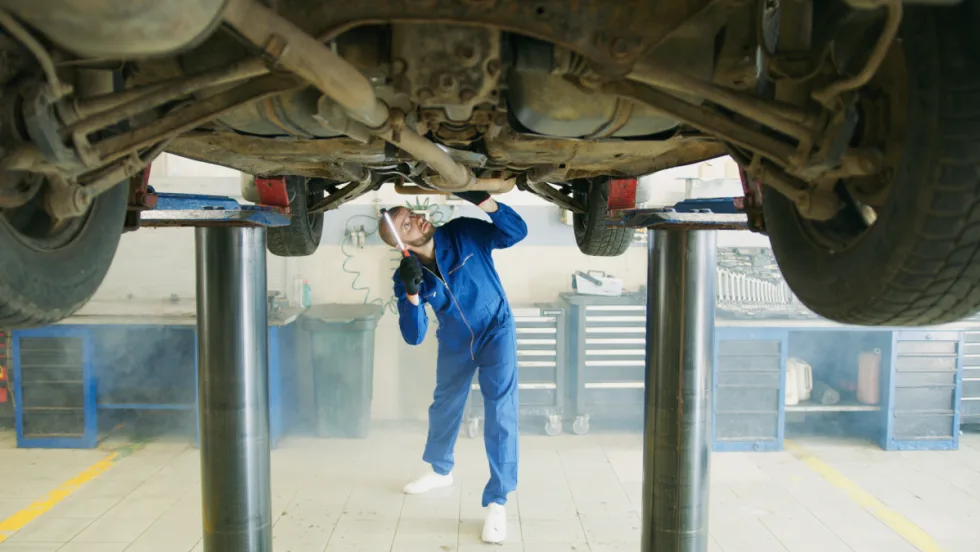
Uptick in Unscheduled Maintenance Increasing Vehicle Downtime
Fleet data analysis can identify recurring downtime issues. It’s important to determine the root causes of downtime so procedures can be developed to minimize such problems.
Read More →
Eliminate Needless Curb Weight to Maximize ICE & EV Efficiencies
Vehicle weight relates directly to fuel economy. In today’s era of electrification, there is also a direct correlation between vehicle weight and battery range.
Read More →
Tech Dependence Risks Dumbing Down Fleet Manager Expertise
The line between creative thinking and problem solving and doing what the data indicates is thin. To lead in fleet management, you need to balance understanding the fundamentals and embracing what smart technology offers.
Read More →
Leverage the Synergy of Safe Driving to Achieve Sustainability and Cost Goals
Safe driving, emission reductions, and cost containment can all be achieved at the same time.
Read More →
The Playbook for Fleet Manager Success
There are many paths to success — most of them involve being flexible, open-minded, and willing to learn.
Read More →
Drivers are the First Line of Defense in Controlling Fleet Costs
Fleet policy begins and ends with the fleet manager, a living and continually updated document, and no exceptions.
Read More →