





How Siemens Is Using Telematics and Vehicle Selection to Electrify Its Fleet
Which Fleet Types Have the Highest Severe Speeding Rates?
New research from SambaSafety finds significant differences in speeding rates across fleet industries, even as nearly 90% of surveyed fleets report using telematics.
November 6, 2026
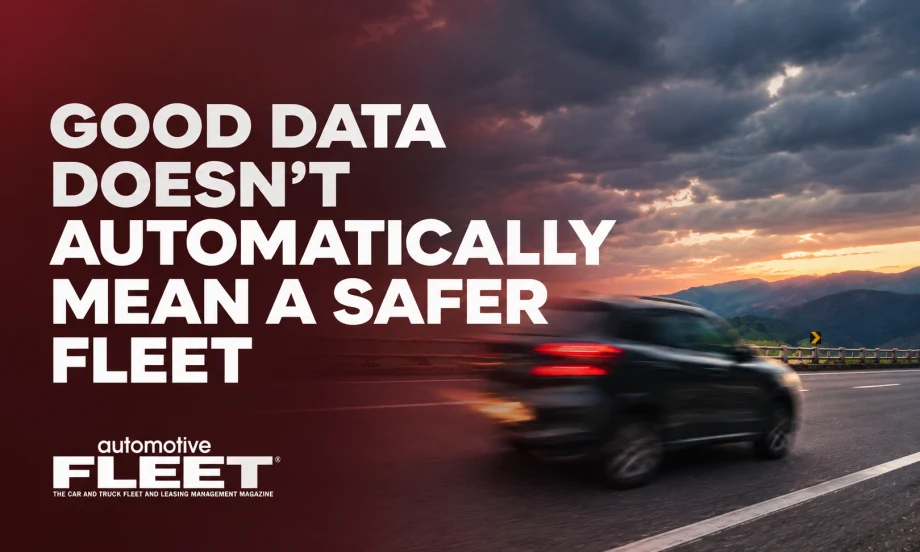
As severe speeding rates vary widely across fleet industries, new research from SambaSafety highlights why collecting telematics data is only the first step toward improving driver safety. Construction fleets recorded more than five times the severe speeding rate of transportation and warehousing fleets.
Credit:
Automotive Fleet
3 min to read
- Research by SambaSafety reveals significant disparities in severe speeding rates among different fleet industries.
- Nearly 90% of fleets surveyed are utilizing telematics to monitor and manage speeding behaviors.
- Despite widespread adoption of telematics, notable inconsistencies in speeding rates persist within fleet sectors.
*Summarized by AI
Nearly 90% of surveyed fleets use telematics technology, but new research suggests widespread adoption does not necessarily translate into consistent safety.
According to SambaSafety's 2026 Telematics Report, construction fleets recorded the highest median rate of severe speeding events, with 254 events per 100,000 miles. Transportation and warehousing fleets recorded the lowest rate among the six categories presented, at 48 events per 100,000 miles.
So how can fleet managers actually use the data telematics provides to identify and address safety risks?
Which Fleet Industries Have the Highest Speeding Rates?
SambaSafety analyzed telematics data from more than 95,000 drivers across 245 fleets, covering approximately 500 million miles and 135.1 million driver behavior events between January and July 2026.
The report defines severe speeding as traveling at least 21 mph above the posted speed limit or exceeding 85 mph.
The median severe speeding rates by industry were:
Fleet Industry | Severe Speeding Events per 100,000 Miles |
Construction | 254 |
Mining, Oil & Gas | 154 |
Administrative, Support & Waste Management | 108 |
Manufacturing | 93 |
Wholesale Trade | 79 |
Transportation & Warehousing | 48 |
Construction fleets recorded more than five times the severe speeding rate of transportation and warehousing fleets. Mining, oil and gas fleets had the second-highest rate, followed by administrative, support and waste management.
Operating environments, vehicle applications, and driving patterns may influence event rates.
Telematics Adoption Approaches 90%
Alongside the driver behavior analysis, SambaSafety surveyed fleet operators, insurance professionals, and brokers about telematics adoption and safety practices.
Nearly 90% of surveyed fleets reported using telematics, with 46% having used the technology for six years or longer.
Improving safety was the most commonly cited reason for using telematics, identified by 83% of respondents. Asset tracking followed at 74%, while 55% cited reducing crashes or claims.
Widespread adoption has not eliminated safety challenges. Applying that information and knowing how to interpret it in a way that actually makes a difference is another skill to be developed.
More than half of surveyed fleets (53%) reported difficulty interpreting or acting on telematics data, while 47% said they still manually manipulate data to prepare reports.
Fleet managers may face challenges beyond installing and maintaining telematics systems, particularly when translating driver behavior information into real change.
Are Fleets Using Telematics Data to Improve Driver Training?
Despite those high adoption rates, only 26% of surveyed fleets reported using telematics data to assign legitimate driver training.
Among fleets that combined telematics with driver training, 78% reported reductions in crashes or claims, while 89% reported improved safety.
These results are self-reported and do not establish that combining telematics and training directly caused the improvements.
The report also identified differences in training practices across industries. For example, 23% of surveyed construction fleets used telematics data to assign driver training, while 33% reported providing no driver training.
The findings point to an opportunity for fleet managers to examine how they respond to speeding alerts and other driving events, including whether that information informs coaching, training or other decisions.
When Does Severe Speeding Occur Most Often?
The timing of severe speeding events also stood out in SambaSafety's analysis.
The report found that 41% of severe speeding events occurred between 6 a.m. and noon, compared with 23% during the afternoon, 19% in the evening, and 17% overnight.
SambaSafety noted that driving exposure may contribute to these patterns, but findings do not establish that morning scheduling pressures cause speeding.
Which begs a better question: what patterns can you see that might nudge you to look closer?
What Next?
Telematics technology is widely available, but the ability to translate its data into safety improvements varies.
For fleet managers, the industry comparisons offer a starting point for evaluating speeding trends within their fleets. But they also must be interpreted well.
As telematics adoption approaches 90%, the next challenge may be less about collecting data and more about determining how fleets actually use it.
Subscribe to Our Newsletter
More Safety
When a Cyberattack Hits Your Fleet: What Happens Next?
“You have two opportunities to test your plans: when you choose or when the threat actor chooses.” A cybersecurity expert reveals what fleet managers need to know before a cyberattack puts their operations at risk — and why the decisions made in the first moments can shape the entire recovery.
Read More →
Tips for Driving Safely on Halloween Night
This video features a reminder from the Connecticut Department of Transportation (DOT) and the Connecticut Police Chiefs Association, urging drivers to prioritize safety this Halloween.
Read More →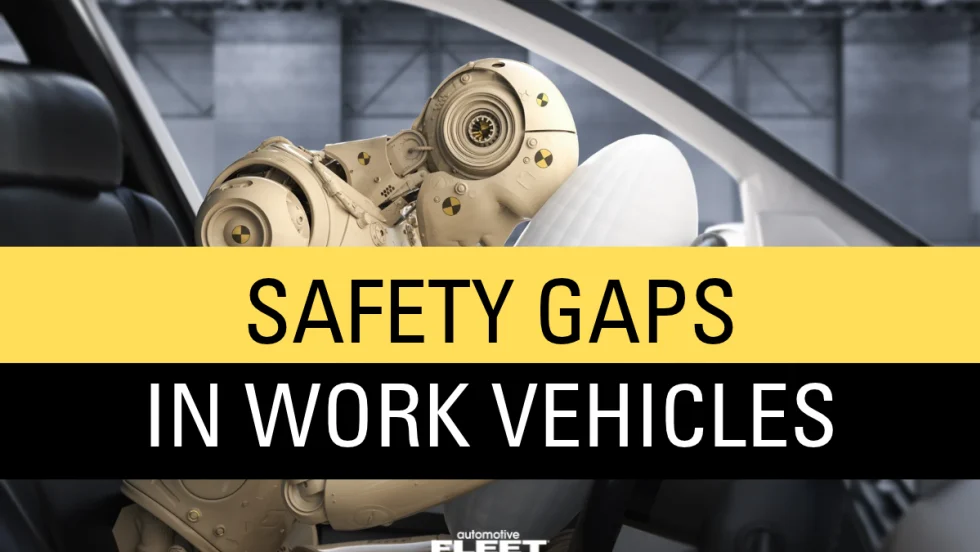
IIHS Crash Avoidance Tests Reveal Safety Gaps in Cargo Vans and Work Trucks
New IIHS crash avoidance ratings show uneven performance among cargo vans and heavy-duty pickups, with most struggling to avoid vehicle-to-vehicle collisions.
Read More →
What’s Next for Fleet? Safety, AI & Industry Recognition | AF News Recap
Could your company's culture be encouraging distracted driving? This week, we're exploring how workplace expectations affect driver safety, what AI, EVs, and autonomous vehicles could mean for the future of fleet management, and how fleet professionals can strengthen their award nominations.
Read More →
Does Your Fleet's Culture Encourage Distracted Driving?
What happens when the people responsible for enforcing safety rules are the ones setting the wrong example? The answer may reveal why some of the biggest risks to fleet drivers have little to do with what's written in the employee handbook.
Read More →
Sponsored•October 1, 2026
Fleet Manager’s Ultimate Playbook: Navigating the New Standard in OEM Connectivity
Rising operating costs, driver safety concerns, and unplanned downtime are putting unprecedented pressure on modern fleets. Discover how fleet managers use embedded OEM connectivity and real-time vehicle data to cut TCO, prevent downtime, and protect drivers without aftermarket telematics hardware.
Read More →
From Driver Well-Being to EV Charging | AF News Recap
Mental health belongs in the fleet safety conversation. This week, we’re looking at five ways fleets can support employee well-being before a crisis, plus Holman’s expansion in Mexico, new one-day Fleet Forward passes, and why EV charging demand is outpacing infrastructure growth.
Read More →
Nexar-Nauto Merger Aims to Give Fleets Better Safety Intelligence Through Larger Driving Dataset
Stefan Heck tells Automotive Fleet that combining more than 10 billion miles of driving history with Nexar's AI models will give fleets deeper insights into driver risk and roadway conditions than either company could provide independently.
Read More →
Don't Wait for a Crisis: 5 Ways to Build Mental Health Into Your Fleet Safety Program
For Suicide Prevention Month, fleet and safety leaders have an opportunity to put mental health where it belongs: at the center of workplace safety.
Read More →
How Camera Data Can Strengthen a Fleet’s Insurance Renewal
Insights from a commercial insurance carrier and a broker show how fleets can turn video telematic data, driver coaching, and improved claims results into a stronger case at insurance renewal.
Read More →