




Does Your Fleet's Culture Encourage Distracted Driving?
What happens when the people responsible for enforcing safety rules are the ones setting the wrong example? The answer may reveal why some of the biggest risks to fleet drivers have little to do with what's written in the employee handbook.
October 14, 2026

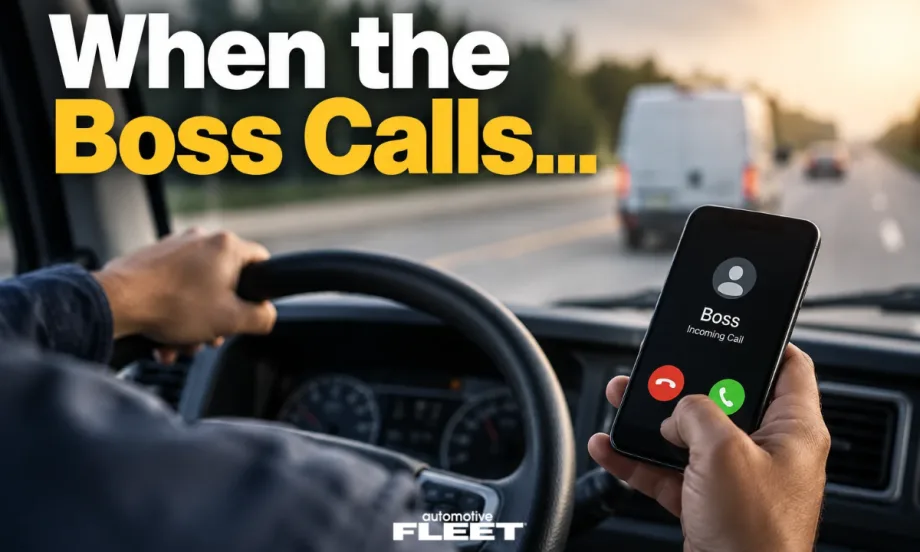
Workplace expectations can create pressure for drivers to stay connected, even when doing so conflicts with company safety policies. Fleet managers can help reduce that pressure by ensuring supervisors lead by example and employees know that safety takes priority over an immediate response.
Credit:
Automotive Fleet. This utilizes an AI-generated image. Refer to our Terms of Use.
8 min to read
- When safety enforcers set poor examples, it can undermine the effectiveness of fleet safety programs.
- Actual driver behavior, influenced by leadership, may pose larger risks than the rules outlined in handbooks.
- Leadership influence on safety culture is crucial in addressing and reducing distracted driving risks within fleets.
*Summarized by AI
Distracted-driving policies are standard in many fleet safety programs, but having a policy in place doesn't necessarily mean drivers follow it. From pressure to remain productive to supervisors who fail to lead by example, workplace expectations can sometimes undermine the very rules designed to keep drivers safe.
For Jacy Good and Steve Johnson, co-founders of the distracted-driving awareness organization Hang Up and Drive, the issue is deeply personal. Good lost both of her parents and was left partially paralyzed in a crash caused by a distracted driver. The pair have since dedicated their work to educating drivers about the consequences of distraction, delivering nearly 2,000 presentations over 16 years.
In this Q&A with Automotive Fleet, Good and Johnson discuss why distracted-driving policies fall short, the hidden risks of hands-free conversations, and how fleet managers can build a safety culture that encourages drivers to disconnect behind the wheel.
This interview has been edited for length and clarity.
Q: Many fleets already have distracted-driving policies in place, so why are drivers still choosing to answer calls, check messages, or multitask behind the wheel? What are policies failing to address?
Good & Johnson: Unfortunately, distracted driving is an issue that is hard to really appreciate until it touches you – it was simply not on our radar until the crash that upended our lives and, objectively, we can understand that this is how it is out there.
So many people have driven distracted hundreds of times and gotten away with it, so it’s easy to feel like a safe driver immune to this threat, even though the risk of causing devastation rises enormously every time it’s done. Professionals often believe that they need to (attempt to) multitask to keep up.
We think it is vitally important that employers help drivers understand the human factor behind their policies. Look me in the eyes and tell me what on your phone is more important than my parents’ lives or the use of half my body. The right on-site speaker or video can do the trick.
It’s not easy, but the stakes are too high not to work to get drivers to want to follow the policy, not just do it because of possible repercussions at work.
Q:Work-related calls can feel productive or necessary, particularly for employees who spend much of their day on the road. How can fleets challenge the idea that drivers should use windshield time to stay connected without making employees feel less productive?
Good & Johnson: One of the strongest arguments for unplugging behind the wheel comes from companies that enact cell phone bans for their drivers. Since our brains don’t truly multitask but rather toggle-task - bouncing attention between all the things we’re trying to do at one time - when we start doing just one thing at a time, we do a better, more efficient job at each thing we are trying to accomplish. When policies are in place and followed, companies and workers record increased productivity, so there’s a business case.
Ultimately, though, drivers will need to believe in their power to both harm and help the people they share the road with. One badly timed moment of unnecessary distraction can cause irreparable harm.
Q:Hands-free technology is often treated as the solution to phone distraction. What does the research on cognitive distraction tell us about the difference between having your hands free and actually having your attention on the road?
Good & Johnson: My crash was caused by a driver having a hands-free phone conversation. He was “there” enough to stop at the red light he came to, but not “there” enough to stay stopped. His left turn through that light killed my parents and left me paralyzed. I’m sure he thought he was doing the right thing with his phone in his lap, looking forward, and with his hands on the wheel.
Research has repeatedly shown that a hands-free phone conversation is a significant danger on par with driving at a .08 BAC (Blood Alcohol Concentration). It’s that simple.
Hands-free sounds safe on the surface, but the cognitive distraction of a phone call is far more significant than it feels, and it’s not because of what we’re doing with our hands.
Q: Not every conversation creates the same level of distraction. What kinds of conversations or mental demands are most likely to pull a driver's attention away from driving, and how should fleets account for those less visible risks?
Good & Johnson: It’s been proven with scans that a conversation with someone outside a person’s line of sight is about 50% more taxing on our brains than in-person – this is what makes the phone particularly dangerous behind the wheel. This extra cognitive demand decreases reaction time and one’s ability to assess what is going on around them.
That said, information about the driving task can ultimately increase safety when used properly. Policies at companies not yet ready to go with a 100% ban should specify that any phone conversation must be work-related and short, such as a rerouting to a new job, information about road or weather conditions, things that, if done quickly and within guidelines, may prove better than leaving a driver unprepared for something coming down the literal or figurative road.
Q: If a fleet manager wants to know whether their organization is unintentionally encouraging distracted driving, what behaviors or warning signs should they look for among supervisors, dispatchers, and drivers?
Good & Johnson: More than once after we’ve done a Hang Up and Drive presentation for drivers, we’ve had someone come up to us and say a version of, “Why should I follow the policy when I see my boss get into the car after work and immediately pick up the phone driving out of the lot?”
We have no great response to that, because he’s right. These policies need to apply top to bottom, and supervisors need to model what they’re asking of their drivers on and off company time. When supervisors, dispatchers, and drivers make quantity and speed the be-all, end-all goal, then you start to see corners cut, and it escalates fast.
A gas company in the Midwest hired us for seven speeches in several states, and before each one the safety lead told the story of their most recent company fatality, caused by a driver finishing the paperwork for the previous job while driving to the next.
Maybe every driver does it, and each time they think they’re saving 10 minutes. Maybe they believe they’re saving themselves and the company time. But one bad crash undoes all of that and so much more – loss of life, the cost of a vehicle, insurance, lawsuits, reputational cost, etc. As kids say these days, the math doesn’t math.
Jobs completed faster than expected might be a warning sign rather than an indication of a praiseworthy, efficient employee.
Q: How can fleets move distracted-driving training beyond annual reminders and statistics and actually change habits among employees who may have been using their phones while driving for years?
Good & Johnson: Tying the action to something that hits a driver’s heart is most likely to change behavior. A photo of a driver’s spouse, kid, or dog on the wheel or dash is enough for some people. In a video that’s part of our presentation, Jacy says, “I didn’t have my daddy to walk me down the aisle when I got married,” and we’ve seen many a burly man shed a tear in a room with fellow drivers because they imagine it will be one of the most meaningful moments of their own future.
A monthly check-in, having drivers state what and who they’re driving safely for, management that leads by example - it all changes the culture. We wish everyone would be perfect about this, but we meet people where they are, and we must accept incremental change as okay if it’s moving the needle in the right direction.
A driver with decades of experience and heavy phone use may not be willing to go cold turkey, but even getting someone to vow to only have a hands-free call on an open multilane highway on a day with good visibility, never in downtown or in the rain, for example…it adds up.
Q:If a fleet manager realizes there's a gap between the company's written policy and what employees experience on the road, what are the first three changes you would recommend making to create a genuinely distraction-free driving culture?
Good & Johnson: Companies that can afford monitoring should probably do it. We've seen drivers go from hating it to tolerating it to not minding it, and we’ve met several who were exonerated in crashes because of it.
Second, the policy could increase repercussions for violations. Typically, the more dangerous the workplace, the stricter the policy; mining companies, oil and gas, construction, etc., have policies that lead to termination after one offense. But if supervisors believe in the danger that science proves true, and they believe that a crash caused by something so preventable is unacceptable, then why not put teeth to the policy in line with that reality?
Finally, we come back to it every time; it’s about making people care. There is no shortage of speakers, videos, and heart-wrenching stories out there that can shape how a person thinks about distracted driving. Don’t wait for a crash to impact your life to care about this issue. The stakes are too high, and too permanent. We’ve devoted 16 years, nearly 2,000 events so far, to getting people to want to follow the laws and the policies. It’s a fight against human nature, but it’s winnable with the right approach.
Subscribe to Our Newsletter
More Safety

Sponsored•October 1, 2026
Fleet Manager’s Ultimate Playbook: Navigating the New Standard in OEM Connectivity
Rising operating costs, driver safety concerns, and unplanned downtime are putting unprecedented pressure on modern fleets. Discover how fleet managers use embedded OEM connectivity and real-time vehicle data to cut TCO, prevent downtime, and protect drivers without aftermarket telematics hardware.
Read More →
From Driver Well-Being to EV Charging | AF News Recap
Mental health belongs in the fleet safety conversation. This week, we’re looking at five ways fleets can support employee well-being before a crisis, plus Holman’s expansion in Mexico, new one-day Fleet Forward passes, and why EV charging demand is outpacing infrastructure growth.
Read More →
Nexar-Nauto Merger Aims to Give Fleets Better Safety Intelligence Through Larger Driving Dataset
Stefan Heck tells Automotive Fleet that combining more than 10 billion miles of driving history with Nexar's AI models will give fleets deeper insights into driver risk and roadway conditions than either company could provide independently.
Read More →
Don't Wait for a Crisis: 5 Ways to Build Mental Health Into Your Fleet Safety Program
For Suicide Prevention Month, fleet and safety leaders have an opportunity to put mental health where it belongs: at the center of workplace safety.
Read More →
How Camera Data Can Strengthen a Fleet’s Insurance Renewal
Insights from a commercial insurance carrier and a broker show how fleets can turn video telematic data, driver coaching, and improved claims results into a stronger case at insurance renewal.
Read More →
The Safest Fleets Aren’t the Ones with the Most Technology
You’ve made the telematics investment. Here’s how to capture the other half of its value and build the safest fleet on the road.
Read More →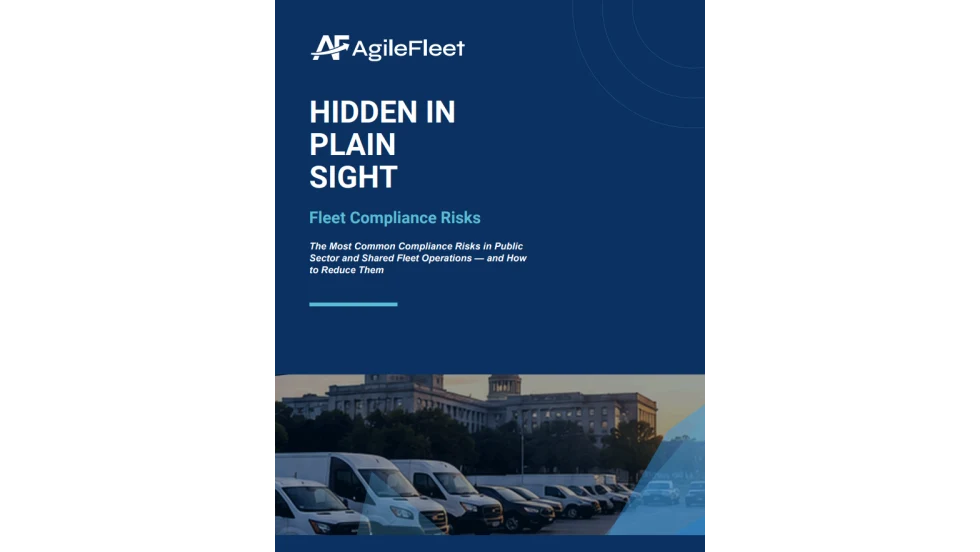
Sponsored•August 7, 2026
Hidden in Plain Sight: Fleet Compliance Risks
Fleet compliance isn't just about having policies — it's about consistently enforcing them. This practical guide reveals six hidden compliance risks common in public sector and shared fleet operations and outlines proven strategies to improve visibility, accountability, and audit readiness
Read More →
NETS Sets 2026 Fleet Safety Benchmark Conference for Indianapolis
The Sept. 15–17 program will feature fleet benchmarking data, case studies, emerging technologies, and implementation strategies while running alongside the NSC Safety Congress & Expo.
Read More →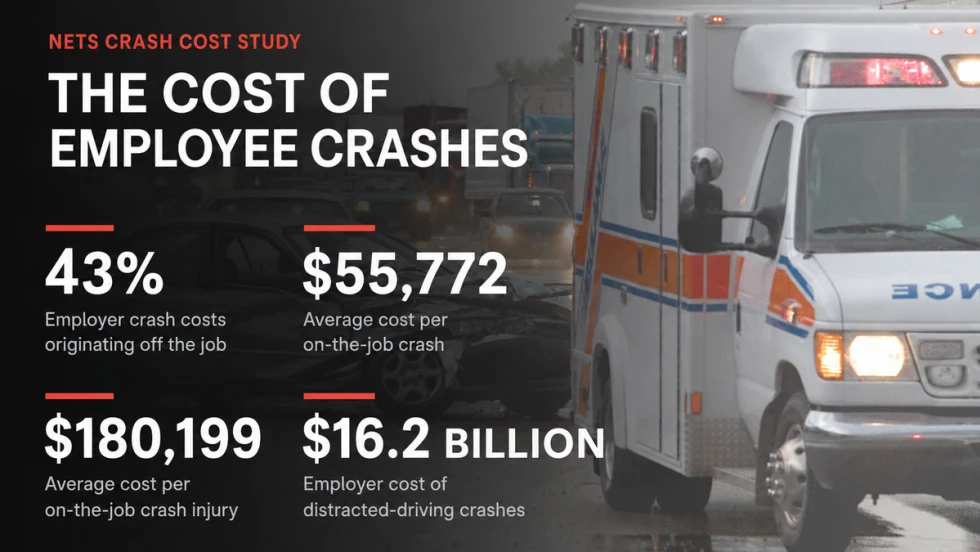
Off-the-Job Crashes Account for 43% of Employers’ $61.7 Billion Crash Burden
NETS quantifies costs dispersed across fleet, risk, HR, and other departments while providing new per-crash benchmarks for employers.
Read More →
Ram Recalls More Than 1.27 Million 1500 Pickups for Seat Belt Anchor Issue
The recall affects certain 2019-2026 Ram 1500 pickups that may have improperly attached second-row seat belt buckle anchors.
Read More →