




About the Author: Jason Kraus is the Vice President of Operations at Mike Albert Fleet Solutions, where he oversees purchasing and pricing while building strategic OEM partnerships across all vehicle technologies. With nearly 30 years of experience in various senior management roles, he transforms complex operational challenges into competitive advantages for clients. His expertise in P&L management and team leadership consistently delivers exceptional results in the evolving landscape of fleet management. He can be reached at jason.kraus@mikealbert.com or connect with him at linkedin.com/in/krausjason.
Unravelling the Tariff Tangle: Four Strategic Moves to Make Today
Fleet managers can navigate rising costs and supply chain disruptions with these strategic planning and smart technology tools.
by Jason Kraus
September 11, 2025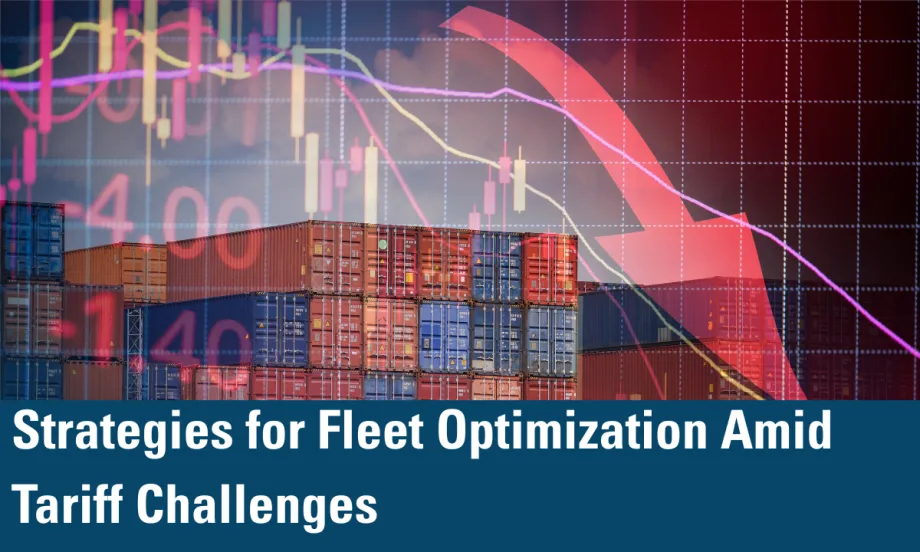
U.S. tariffs on imported vehicles and components are driving up fleet costs and reshaping procurement strategies. Fleet managers who act now can turn disruption into long-term resilience.
Image: Automotive Fleet
4 min to read
In today’s evolving economic climate, U.S. tariffs on imported vehicles and components are reshaping the cost structure of fleet operations. For fleet managers, this isn’t just about absorbing higher prices—it’s about rethinking strategy from the ground up.
Vehicles assembled outside the U.S. could see price hikes of $7,000 or more. Even domestically assembled vehicles aren’t immune, with potential increases of $3,000 or more depending on the components’ country of origin. Fleet managers who act now—prioritizing operational efficiency, flexibility, and data-driven decisions—will be better positioned to weather future disruptions.
Consider This
The current tariff structure affects nearly every aspect of fleet operations:
Increases of up to 25% on imported passenger vehicles and light trucks.
Cascading costs throughout the automotive supply chain.
Price volatility that makes long-term planning challenging.
Lower passenger/light-duty production by approximately 4% in 2025.
Supply constraints on components affecting specific vehicle segments or models.
Longer lead times may occur versus MY2025, especially for specialty configurations.
Increased complexity in procurement planning.
Greater dependency on alternative vehicle solutions.
Here are four actionable strategies to help protect your fleet from tariff-related uncertainty:
Avoid the “Wait and See” Trap
Delaying vehicle replacements may seem prudent, but it often leads to higher costs and operational disruptions. For example, during the COVID-19 pandemic, fleets that extended asset lifespans faced more frequent breakdowns and longer downtimes.
Strategic Moves:
Replace what must be replaced. Safety-critical or high-maintenance vehicles should not be deferred.
Evaluate what could be replaced. Vehicles nearing optimal cycling points may offer cost advantages if replaced now.
Use data to guide decisions. Metrics like total cost of ownership (TCO), roadside repairs, and resale proceeds are reliable indicators.
Negotiate price protection. Most OEMs offer price protection from the date orders are submitted, which can act as an insurance policy and allow you to schedule your orders as desired.
Maximize Your Telematics Investment
Telematics is a powerful tool for offsetting tariff-related cost increases. Fleets that fully implement telematics often report dramatic improvements, including up to 50% reductions in collisions. Whether you're new to telematics or already using it, now is the time to ensure you're getting full value.
Strategic Moves:
Audit your current usage. Are you leveraging all available features?
Optimize routes. Fleets can save 15–20% on fuel costs by reducing idling and improving driving habits.
Implement video systems. Road- and cab-facing cameras improve safety and reduce liability.
Use predictive maintenance. Prevent breakdowns and extend vehicle lifespans.
Recalculate TCO. Telematics data adds new dimensions to TCO modeling. Consider fuel use, maintenance adherence, and utilization patterns.
Embrace Procurement Flexibility
Tariffs are changing the economics of vehicle acquisition. Your preferred model may no longer offer the best value.
Strategic Moves:
Reevaluate specifications. Consider alternative manufacturers, models, and trim packages.
Diversify your fleet mix. Reducing dependency on specific vehicle types can insulate your fleet from supply chain shocks.
Consider different leasing products. This could include moving from an open-end fixed rate to float rate on upfit vehicles or vice versa, or from an open-end to a closed-end lease for cars and sport utilities.
Get Creative with Upfits
Upfitting provides a means to transform unconventional vehicles into productive fleet assets—especially when traditional options are limited. Furthermore, features like modular storage and ergonomic enhancements can reduce job-related injuries and workers' compensation claims.
Strategic Moves:
Explore atypical makes and models. Non-traditional vehicles can be transformed into functional workhorses, such as compact SUVs in place of compact vans.
Work with domestic vendors. This reduces exposure to tariffs on imported components.
Partner with a Fleet Management Company (FMC). FMCs can help design cost-effective, innovative upfit solutions.
Final Thoughts
Fleet management has always been about optimization under constraints. The constraints may have changed, but the principles remain: maximize utilization, minimize costs, and never compromise on safety or service. With the right strategy in place, the challenges tariffs face can become a catalyst for smarter operations. By acting decisively—replacing vehicles strategically, maximizing telematics, embracing procurement flexibility, and investing in creative upfits—fleet managers can use this disruption to build resilience and drive long-term value.
For more on this topic, check out The Fleet Manager’s Tariff Survival Guide. This free guide arms you with data-backed insights and real-world solutions from Mike Albert Fleet Solutions and is available for instant download here:
Subscribe to Our Newsletter
More State of the Fleet Industry

Is the Future of U.S. Fleets Already Unfolding Overseas?
2026 Fleet Forward Conference keynote speaker John Rossant examines how AI, autonomy, and electrification are converging, and why developments in China, Europe, and the Middle East could preview what’s coming for U.S. fleets.
Read More →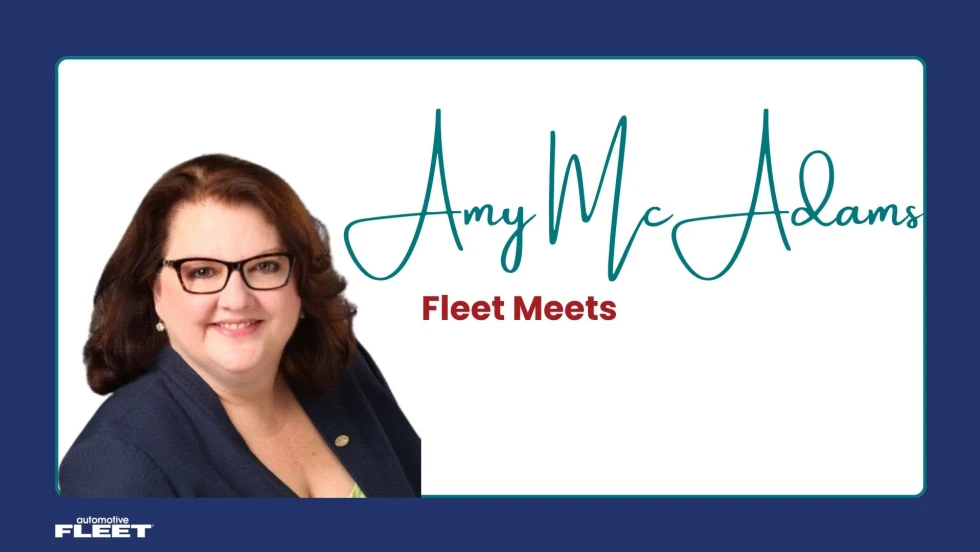
Fleet Meets: Amy McAdams
In this edition of Fleet Meets, Amy McAdams shares how an unexpected career move led to more than 15 years in fleet.
Read More →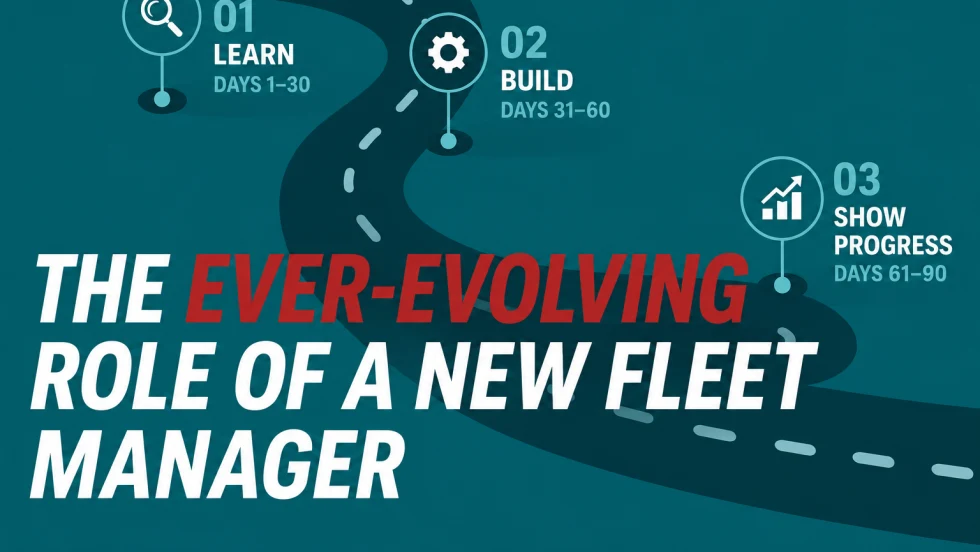
From Tactical to Strategic: A Fleet Manager's First 90 Days
The first 90 days as a fleet manager can be daunting, and the role has changed a lot over the years. What's important now?
Read More →
Fleet Industry Mourns the Passing of Donna Bibbo
Fleet leader Donna Bibbo passed away after a long battle with uterine cancer and a failing heart.
Read More →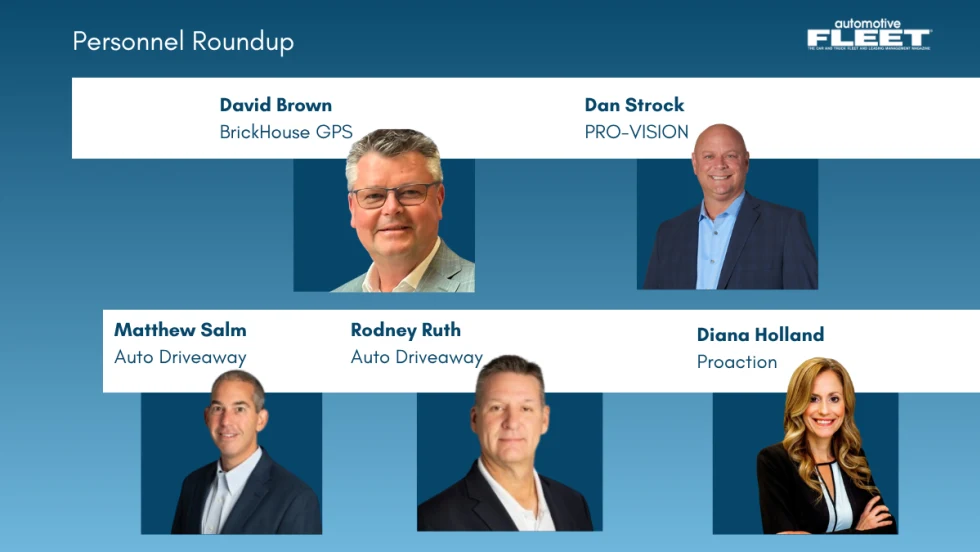
Personnel Update: BrickHouse GPS, PRO-VISION, Auto Driveaway, and Proaction
Check out the latest must-know fleet personnel updates from the last couple of months.
Read More →
‘Mike Just Gives Cars to People’ — And Other Misconceptions Fleet Managers Need to Fix
Most organizations misunderstand fleet. The best managers make sure that doesn’t happen.
Read More →
Why Union Leasing Rebranded to Moventum Fleet Management
Mark Hogland discusses Union Leasing’s transition to Moventum Fleet Management and how the rebrand reflects the company’s growing focus on strategic fleet management and lifecycle support.
Read More →
From Storm Response to Data Strategy: Fleet Trends to Watch | AF News Recap
In this AF news recap, host Faith Howell covers this week's most pressing industry updates.
Read More →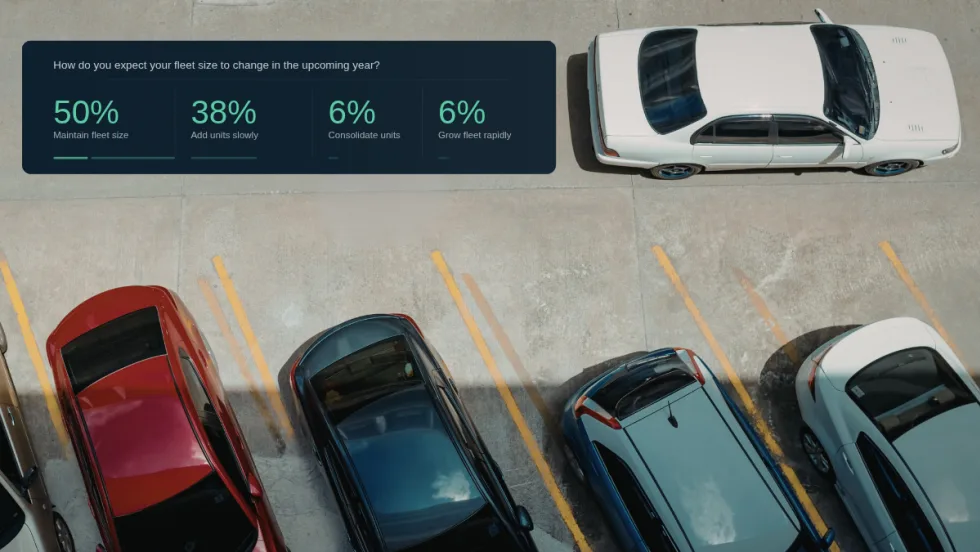
Report: 36% of Fleet Managers Are Delaying Replacements
Element’s 2026 Market Pulse Report finds fleets are slowing replacement cycles amid tariffs, economic uncertainty, and rising costs.
Read More →