




The Economics of ADAS: Fewer Crashes, Higher Repair Costs
IIHS data shows that crash-avoidance technology can increase individual repair costs while reducing overall losses. For fleets, downtime and calibration add another layer of cost.

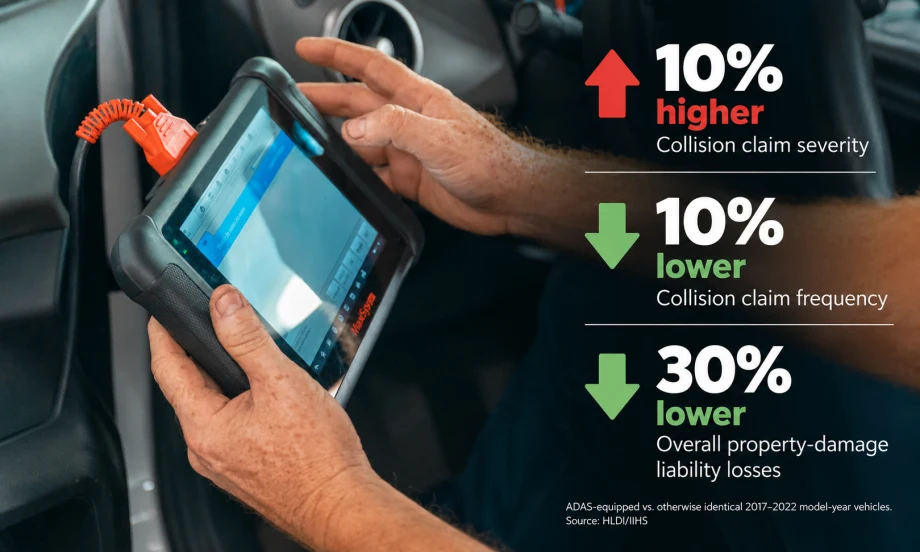
Collision claim severity was about 10% higher for ADAS-equipped vehicles in an HLDI comparison. But higher repair costs are only one side of the ADAS economics equation.
Automotive Fleet
Fleet managers often discover the cost of ADAS after a crash.
A damaged bumper can require new sensors, wiring, and calibration work that quickly pushes a repair bill beyond what the same job would have cost just a few years ago.
Yet research from the Insurance Institute for Highway Safety's Highway Loss Data Institute suggests that higher repair bills tell only part of the story. Vehicles equipped with advanced driver assistance systems crash less often, reducing total losses despite higher repair costs when collisions do occur.
IIHS compared identical 2017-2022 model-year vehicles with and without a bundle of driver assistance features. Collision claim severity — essentially the cost of the claim — was about 10% higher for vehicles equipped with the technology.
But those vehicles also crashed less often. Collision claim frequency was about 10% lower for ADAS-equipped vehicles, while property damage liability claim frequency was nearly 40% lower.
After combining frequency and severity, overall losses were about 5% lower for collision coverage and nearly 30% lower for property damage liability coverage.
For fleet managers, however, the equation extends beyond the insurance claim.
"The cost per claim is going up, yes, but you're having fewer claims overall and fewer injuries when something does happen," said Andrew De La Chapelle, business development manager at Mike Albert Fleet Solutions and a fleet safety and telematics veteran. "For a fleet, that's a net win."
Why the Average ADAS Crash Costs More
The additional cost begins with the equipment itself.
Today's bumpers, mirrors, and windshields can house cameras, radar, and other sensors supporting automatic emergency braking, blind spot detection, lane departure warning, and other safety systems.
Damage that once meant replacing sheet metal or plastic can now mean replacing electronics and recalibrating the systems connected to them.
De La Chapelle said an individual sensor can cost $300 to $1,000. Add cameras, wiring harnesses, and calibration, and a bumper repair that might once have cost around $2,000 could reach $2,500 to $3,000.
ADAS isn't the only reason repair costs are rising. IIHS notes that average vehicle repair prices have increased more than 40% since 2020, with larger vehicles, more sophisticated headlights, increasingly complex powertrains, and features once reserved for luxury vehicles all contributing to the increase.
Another Reason for Higher Average Claim Costs
Not all of the increase in claim severity appears to be tied directly to expensive sensors and electronics.
According to HLDI's analysis, crash-avoidance systems eliminate many of the low-speed collisions that typically generate smaller repair bills. With fewer fender benders in the claims pool, the remaining crashes tend to be more severe, pushing up the average cost per claim.
IIHS points to property damage liability claims as evidence. Claim severity was 15% higher for ADAS-equipped vehicles even though that coverage pays for damage to the other vehicle — meaning the sensors on the insured vehicle couldn't be responsible for that higher repair bill.
For Fleets, Downtime Makes the Difference
Repair cost may not be the biggest operational concern for fleets. De La Chapelle sees two ADAS-related bottlenecks: parts availability and calibration.
Some ADAS-equipped components, particularly mirrors containing sensors, can face lengthy backorders. De La Chapelle said waits can stretch three to five months in some cases.
A vehicle can therefore be mechanically drivable yet remain unavailable to the fleet because a safety-related component can't be sourced.
Then comes calibration. "Once ADAS-related parts are repaired, they can't just be bolted back on," De La Chapelle said.

Andrew De La Chapelle
ADAS cameras and sensors often need calibration after repair. De La Chapelle said some procedures require 15 to 20 feet of unobstructed, well-lit space in front of the vehicle. Independent repair facilities that lack the necessary space or equipment may need to send the vehicle elsewhere — often to a dealership — for calibration.
That creates another transportation step, another appointment, and potentially several more days without the vehicle.
"In many cases, downtime is becoming the bigger issue than the total on the repair invoice," De La Chapelle said.
Add parts delays, collision repair, and outsourced calibration together, De La Chapelle said, and what once took days can stretch into weeks.
Nobody Measures the Near Miss
That's the difficult side of the ADAS cost equation to quantify. The other side may be even harder.
Fleet managers receive invoices for sensors, calibration, rentals, and downtime. They don't receive invoices for crashes that automatic emergency braking prevented.
Yet those avoided crashes demonstrate the financial value of ADAS. IIHS's analysis demonstrates the effect through claim frequency. Even with collision claim severity approximately 10% higher, the reduction in frequency was enough to push overall collision losses about 5% lower.
The difference was much greater for property damage liability, where substantially lower claim frequency resulted in overall losses nearly 30% lower.
And repair costs represent only part of a fleet's crash exposure. IIHS notes that crash avoidance systems also produce substantial reductions in injury claim frequency. De La Chapelle points to the potential medical, workers' compensation, and litigation costs associated with serious fleet crashes as another reason not to evaluate ADAS solely through the repair invoice.
Visible Vs. Invisible Cost Savings
For fleets, the operational challenge is managing the additional complexity that comes with the technology. Parts delays can sideline vehicles; calibration requirements can add days to the repair process, and repair invoices are often higher than they were a decade ago.
But those costs are visible in a way the benefits often aren't. "No fleet manager gets a report showing how many accidents didn't happen," De La Chapelle said. "Nobody measures the near miss."
More Articles
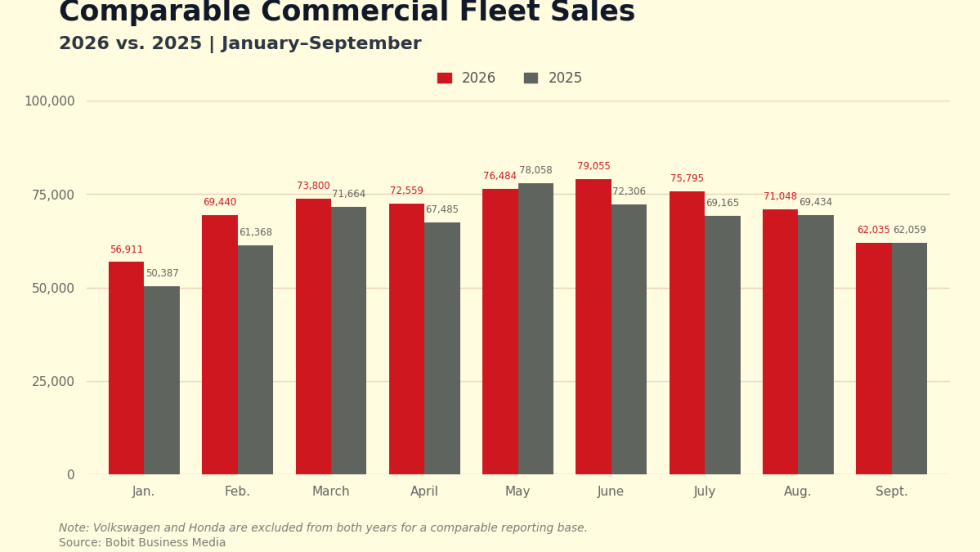
Commercial Fleet Sales Rise 5.8% Through September 2026
September commercial fleet sales were essentially unchanged from a year earlier, slowing year-to-date growth while keeping volume ahead of 2025.
Read More →

GM Launches OnStar Fleet Intelligence Platform With AI Assistant
The new platform brings vehicle data, order tracking, connected services and fleet analytics into one system, with an AI assistant that can answer fleet questions using natural-language prompts.
Read More →

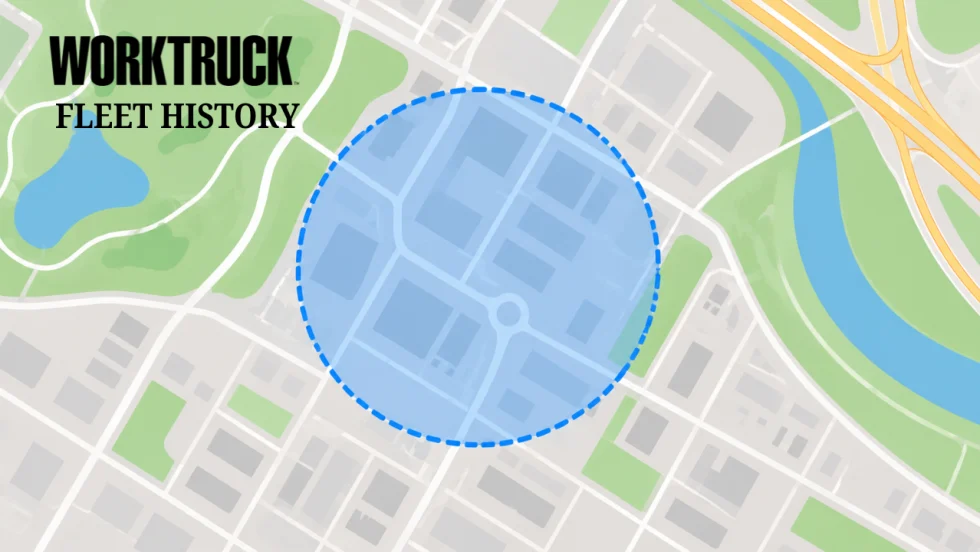
GeoFencing Adds to Your Truck Security Arsenal
Geofencing is a familiar fleet tool today, but its early adoption marked a major shift in vehicle tracking, route monitoring, and the debate over employee privacy.
Read More →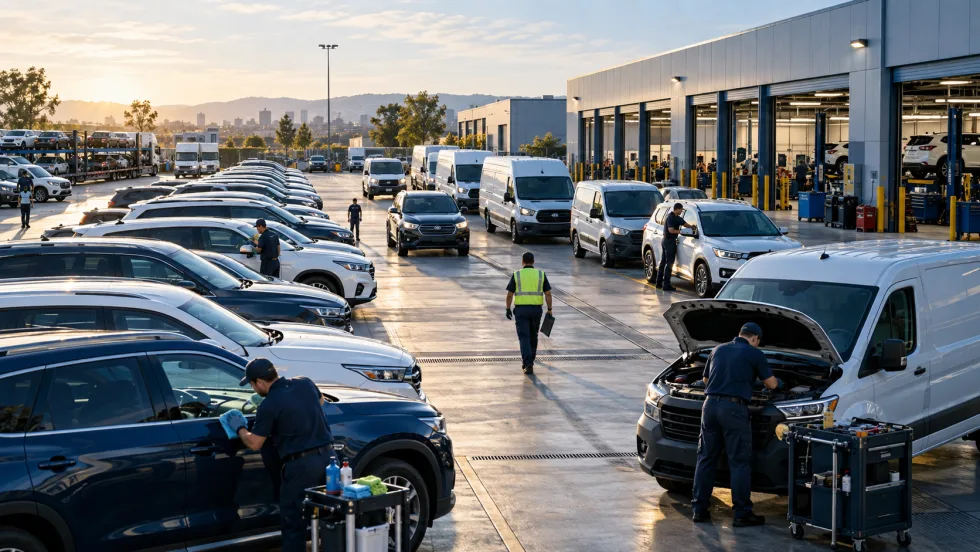
Fleet Operations, Unfiltered: Operators Share What Actually Works for Scale
Read More →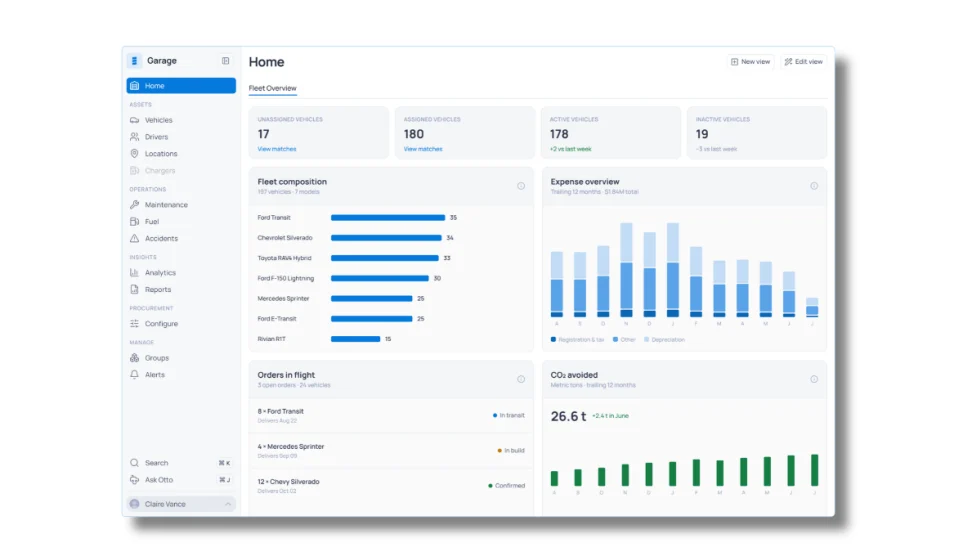
Inspiration Fleet Introduces Garage 2.0 Fleet Intelligence Platform
Fleet managers increasingly have access to data from vehicles, telematics, fuel, charging, and other systems, but those sources don't always communicate with one another. Inspiration Fleet's Garage 2.0 platform brings that information together while letting fleets keep working with different technology and service providers.
Read More →
Erin Gilchrist Receives Mike Antich Spirit of Fleet Award
Last week at AFLA in Vegas, Erin Gilchrist received the inaugural, brand-new Spirit of Fleet Award.
Read More →
Inside Inspiration Fleet’s New Platform for Connecting Fleet Data
Inspiration Fleet CTO Chris Getner explains how the new Garage 2.0 platform is designed to connect disparate fleet data and what that could mean for fleet managers in practice.
Read More →
Avis Budget Group Deploys Neology Toll Management Technology Across Major Brands
Neology’s neoFleet platform will manage toll transactions and toll-authority operations for vehicles across Avis, Budget, Payless, Budget Truck and Zipcar.
Read More →
Fleet Personal-Use Charges Edge Higher in 2026
Nearly eight in 10 surveyed fleets allow personal use of company vehicles, while just over half of respondents report charging employees for the privilege.
Read More →