





Auditing the Gray Fleet: How to Reduce Risk in Reimbursed Driver Programs
Company Vehicle or Reimbursement? How Fleets Are Rethinking Assignments
As fleet costs and insurance pressures rise, fleet managers are taking a closer look at which employees need company-provided vehicles and when a reimbursement program may make more sense.
November 16, 2026
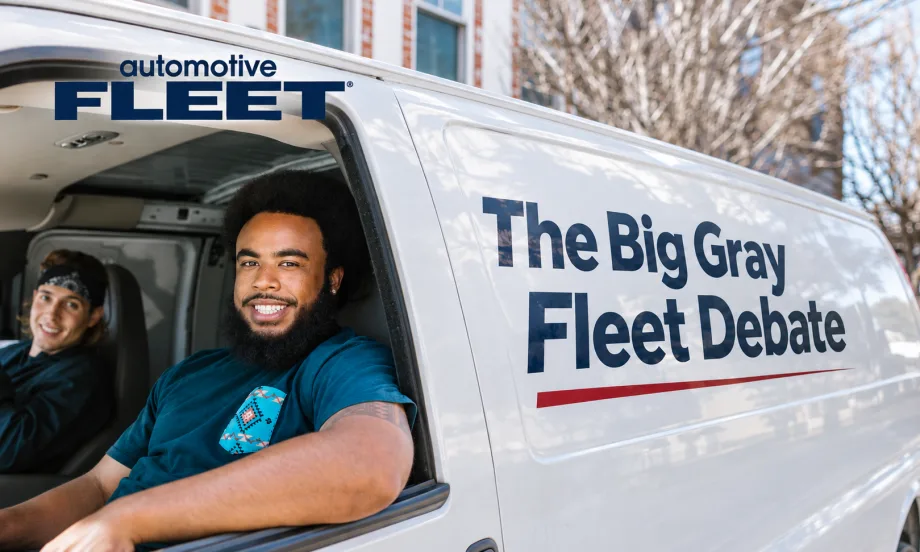
It's hard for fleet managers to decide between the gray fleet and a reimbursement program. This FFC session helped.
Credit:
Automotive Fleet
5 min to read
- Rising fleet costs and insurance pressures are prompting fleet managers to reassess vehicle assignments.
- Decision-making is focused on determining when a company-provided vehicle is necessary versus when personal vehicle reimbursement is more practical.
- Evaluating employee vehicle needs is becoming crucial in managing costs effectively.
*Summarized by AI
Does every employee who drives for work actually need a company vehicle?
For fleet managers navigating rising insurance costs and vehicle acquisition expenses, that question is becoming more relevant.
During a panel discussion at the 2026 Fleet Forward Conferenc, industry representatives explored how organizations are evaluating company-owned and leased vehicles alongside personal vehicle reimbursement programs, also known as gray fleets.
The discussion highlighted a shift toward making vehicle assignment decisions based on job requirements, annual mileage, cost and risk rather than relying on traditional fleet structures.
For some organizations, the answer isn't necessarily choosing between company vehicles and reimbursement programs. It's determining where each approach makes the most sense.
Which Drivers Actually Need a Company Vehicle?
Not every employee who drives for business has the same requirements.
For technicians transporting specialized equipment, heavily upfitted trucks or vans may be necessary to perform their jobs. However, employees traveling between customer locations or performing tasks that don't require additional equipment may have more flexibility.
According to Alan Wisniewski, director of fleet and partnerships at CarData, employees driving standard-specification vehicles at moderate annual mileage are often suitable candidates for reimbursement programs.
"The vehicles that are really a good fit for reimbursement programs are your non-upfit vehicles," Wozniwski said during the session.
He explained that these drivers typically travel enough miles to justify a structured reimbursement program but aren't accumulating exceptionally high annual mileage.
The decision also involves evaluating where employees are located, what they're driving for and whether their responsibilities require a dedicated company vehicle.
Rather than maintaining vehicle assignments simply because that's how an organization has historically operated, Wozniwski encouraged fleet managers to evaluate the purpose of each vehicle.
"Why does this vehicle exist? Not just, ‘this is how we've always done it,"’ he said.
How NCR Atleos Is Putting Reimbursement Into Practice
NCR Atleos, an ATM manufacturer and operator of a global ATM network, is one organization exploring how reimbursement can fit into its broader fleet operations.
Jose Rocha, fleet commodity manager at NCR Atleos, shared how the company introduced a personal vehicle reimbursement program in February 2025.
The distinction comes down to the work employees perform.
NCR Atleos technicians responsible for larger ATM repairs typically need company-provided vehicles because they transport equipment and components necessary for servicing machines.
However, some employees perform smaller repairs that don't require carrying large tools or equipment.
For those drivers, personal vehicles can be a practical alternative.
Rocha explained that the company started its reimbursement program with 20 drivers and hopes to expand participation to 200 employees across the United States.
Beyond the potential cost implications, the program offers administrative advantages.
When an employee leaves the organization, a company vehicle may need to be transported or reassigned to another location. A reimbursement arrangement can eliminate some of the logistical challenges.
"This is a lot easier to onboard and offboard," Rocha said, referring to drivers participating in the program.
What Is Driving the Shift Toward Reimbursement?
Cost and liability are among the factors influencing how companies evaluate their vehicle programs.
For companies facing capital constraints or rising vehicle acquisition expenses, reimbursement may provide an alternative to purchasing or leasing additional vehicles.
Insurance costs are another consideration.
The panel discussed how organizations are evaluating the liability associated with company-provided vehicles, particularly when those vehicles are available for personal use outside working hours.
However, transitioning employees to reimbursement programs does not eliminate an employer's potential liability when personal vehicles are used for business. Companies still need to evaluate their exposure based on applicable laws, insurance arrangements and the circumstances of vehicle use.
Employee preference can also influence the decision.
Some drivers may prefer selecting and maintaining their own vehicles rather than using a company-provided model.
Wozniwski noted that reimbursement arrangements can allow employees to choose vehicles that better accommodate their personal needs while receiving compensation based on the vehicle requirements of their jobs.
For fleet managers, these considerations make reimbursement a broader decision rather than simply an alternative way to compensate employees for mileage.
Accounting for Fuel Prices and Regional Cost Differences
Choosing between a company vehicle and reimbursement also requires understanding how vehicle operating costs change over time.
During the session, panelists discussed fixed and variable rate (FAVR) reimbursement programs, which account for different components of vehicle ownership.
Under a FAVR arrangement, fixed costs generally include expenses such as depreciation and insurance, while variable costs include fuel, maintenance and tires.
The structure allows reimbursement amounts to reflect differences in vehicle operating costs based on location and mileage.
Wozniwski explained that CarData's program updates the fuel component monthly using government fuel data.
This can help address concerns from employees whose driving expenses fluctuate as gasoline prices change.
Regional differences also matter.
An employee operating a vehicle in one part of the country may face different insurance, depreciation and fuel costs than someone performing a similar role elsewhere.
For organizations with geographically dispersed driving populations, these variations can complicate the comparison between reimbursement and company-provided vehicles.
Fleet managers evaluating reimbursement programs should consider the full cost of each arrangement, including how expenses may change over time, rather than focusing exclusively on the initial monthly payment.
Finding the Right Vehicle for the Job
Although reimbursement programs offer potential benefits, they aren't necessarily appropriate for every fleet or every driver.
In fact, Wozniwski said approximately 70% of CarData's customer base operates a dedicated fleet alongside a reimbursement program.
That combination reflects the different needs within many organizations.
A company may require dedicated vehicles for technicians, delivery drivers or employees transporting specialized equipment while reimbursing sales representatives or other employees whose responsibilities involve traveling between locations.
For NCR Atleos, the reimbursement program represents one component of a larger strategy rather than a complete transition away from company vehicles.
The broader takeaway from the FFC discussion is that vehicle assignments should reflect how employees actually use their vehicles.
By examining job responsibilities, mileage, operating costs and vehicle requirements, fleet managers can determine where company-provided vehicles remain essential and where reimbursement may offer a practical alternative.
Ultimately, the goal isn't necessarily to reduce the number of company vehicles. It's to ensure that every vehicle arrangement supports the work being performed while making effective use of resources.
Subscribe to Our Newsletter
More Operations

Fleetio, ASE Launch Scholarship Program for Automotive Technicians
The second annual program will award 15 scholarships totaling $35,000 to support ASE certification, testing fees, and equipment costs.
Read More →
Reading the Global Signals: What AI and the Energy Transition Mean for Fleets Now
How can fleet managers navigate a never-ending, changing industry landscape?
Read More →
90% Use Telematics. Are Fleets Getting Safer? | AF News Recap
This week, we're breaking down which industries have the highest rates, how Jamie McKay manages 2,400 vehicles, what's happening with the 2027 fleet awards, and why software-defined vehicles could introduce new costs.
Read More →
What's Best Handled by an FMC, and What's Better Done Directly?
Fleet managers continue to rely on FMCs for essential services but are taking a closer look at where working directly with suppliers can improve efficiency and responsiveness.
Read More →
Fleet Meets: Erin Gilchrist
Meet Erin Gilchrist, the inaugural Mike Antich Spirit of Fleet Award winner, as she shares insights on leadership, mentorship, the power of industry connections, and why people remain at the heart of fleet's future.
Read More →
How 2026 Fleet Visionary Jamie McKay Manages 2,400 Vehicles Across 37 States
How do you keep 2,400 vehicles running across 37 states? Fleet Visionary Award winner Jamie McKay shares how collaboration, flexibility, and a few simple strategies help her tackle fleet management challenges at Aptive Pest Control.
Read More →
Managing Fleet Costs in an Era of Permanent Volatility
Fleet operating costs have risen more than 20% since 2020, raising a key question: When does extending a vehicle's service life stop making financial sense?
Read More →
The Next Evolution of Fleet Management: Autonomous Operations
This opening keynote session at the Fleet Forward Conference highlights the future of autonomous driving for fleets.
Read More →
How to Reduce the Total Cost of Risk From Catalytic Converter Theft
A stolen catalytic converter can cost fleets far more in downtime and lost productivity than in repairs. A total-cost-of-risk approach can help fleet managers quantify their exposure and prioritize theft prevention.
Read More →
Personal-Use Charges Rise as Vehicle Values Fall | AF News Recap
Personal-use charges are climbing, wholesale used-vehicle values are declining, and commercial fleet sales growth is slowing. This week, we're breaking down the latest fleet data, plus how Element Fleet Management is helping Waymo prepare for its first Canadian robotaxi market.
Read More →