





2027 Toyota Camry Offers Hybrid Powertrain Across Five Grades
Toyota Fleet Briefs Fleet Leaders on Rapidly Growing Fleet Service Program, Successes of Hybrids, and Supply
During the annual Toyota Fleet Executive Meeting, fleet leaders learned about Toyota’s legacy of driving fuel efficiency with hybrids, its investments in U.S. production, the early success of Toyota Fleet Service Advantage, and much more.
November 10, 2026
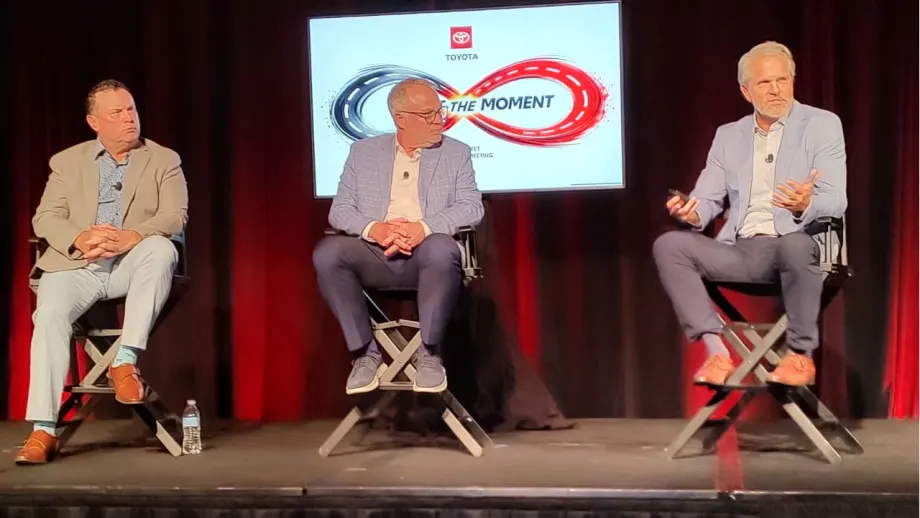
Kevin Curran, general manager, Fleet Sales, Toyota North America, shown on the left, is joined on stage by Kert Wilson and Scott Allan (shown speaking) during the annual Toyota Fleet Executive Meeting to discuss production capacity, manufacturing growth, the success of Toyota hybrids, and much more.
Credit:
Wayne Parham
8 min to read
- The company's focus on hybrid technology underscores its commitment to fuel efficiency and modernization of its fleet vehicles.
- Toyota Fleet Service Advantage is experiencing early success, reflecting positive reception from fleet leaders.
*Summarized by AI
At the annual Toyota Fleet Executive Meeting, fleet leaders learned about the high demand for Toyota vehicles, the successes of its hybrid vehicles, investments in U.S. manufacturing, and a new dealership service program to help fleets.
Kevin Curran, general manager, Fleet Sales, Toyota North America, offered a simple analogy for the annual event, held just outside Phoenix, Arizona. This was his third year hosting the meeting, but before his first year he was curious about the event and a confidant told him, “This is your family reunion.”
With that, as he tells it, Curran said he then asked, “Who is in the family?”
The answer was simple. All of Toyota’s fleet customers.
“I love the way that’s put, because while it’s a business, you see the same people, and we’re serving the community, we’re serving the businesses, and we’re serving each other,” he said. “We just feel blessed that we have this community of companies and fleet management companies that really love our product, and we love having them represent our product. That is what they are doing; they’re taking their Toyotas and putting their people in and their brand on it, and they are serving their communities.”
He said the magic of the event is listening to what those fleets have to share and learning how Toyota can better serve them.
“There are so many positives that have come out of this,” he said.
The Legacy of the Toyota Prius
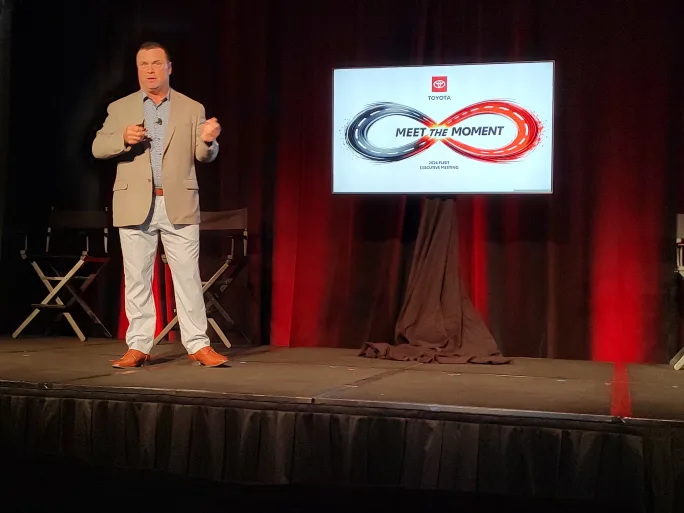
Kevin Curran, general manager of National Fleet Operations at Toyota North America, details the success of the Toyota Prius since its introduction into the U.S.
Credit:
Wayne Parham
Curran opened the family-reunion meeting by walking the attendees through the history of the Toyota Prius, the company’s iconic hybrid vehicle that launched in Japan in 1997 and then in the U.S. in 2000. In his overview, he began in 1993, when a gallon of gas cost $1.07.
At that point, the Prius might not have been needed in the U.S. yet. However, when it launched in 2000, gas prices were still fairly low, but soon would start climbing By, 2008, a gallon of gas cost $3.25 in the U.S.
“A lot of time and energy went into the original Prius, but what was the moment it was waiting for? And it wasn't obvious to everyone. It was years in the making, and it wasn't chasing a moment. It was anticipating a moment,” Curran said. “It was doing the work with data and trends, and listening to the consumers, and listening to what the environment was having to say, because people were getting much more environmentally conscious at the time.”
“That moment happened a few years later when gas prices spiked,” he added. “And guess what? We were ready with the Prius. We were anticipating a moment that no one saw coming, or maybe no one thought they saw coming, but a lot of people, that dedicated Toyota team did, and I'm blessed to be standing in front of you talking about big moments with our best partners.”
Toyota Hybrids: Best-In-Class MPG
Moving forward to today, Toyota leads in fuel economy with hybrids. Attendees learned how six Toyota hybrid powertrain vehicles lead their classes in miles-per-gallon efficiency.
Those are:
- Toyota Prius — 57 combined mpg
- Toyota Camry — 51 combined mpg
- Toyota Corolla HV — 50 combined mpg
- RAV4 HV — 39 combined mpg
- Toyota Sienna — 36 combined mpg
- Toyota Grand Highlander — 36 combined mpg
U.S. Supply & Demand
Moving past celebrating the success of Toyota’s hybrid vehicles, Kert Wilson, senior manager, Fleet Sales, Toyota North America, briefed the Toyota Fleet family on supply, demand, and the investments to grow production in the U.S.
“Day supply is the industry standard for gauging vehicle available supply versus demand. And while it's not fleet-specific, it's a really good gauge of, again, how much supply we have to meet demand, especially for Toyota. So, it calculates how many days it would take to sell out of the vehicle if shipments completely stop,” Wilson explained.
In 2020, the industry was at a 57-day supply. Toyota was at a 46-day supply, and the Big Three, who are referenced a lot because they generally have a higher day supply, were at a 60-day supply, he said.
“So honestly, there was a lot of parity in the industry prior to COVID. Well, COVID happened and disrupted everything,” Wilson continued.
By 2022 and 2023, the industry had mostly recovered after COVID, with the industry at a 45-day supply, and the Big Three at a 66-day supply. Toyota, at that point, was still recovering at a 26-day supply.
“We were launching all new vehicles pretty much in every single segment that we have: the new Camry, the new Sienna, the new Tacoma. So, the reality is, we have never been able to catch up with production because as production increased, our sales rate continued to increase,” Wilson added.
Today, the industry is at about a 50-day supply, while the Big Three are at almost 70 and Toyota at 22. The RAV4, a common fleet staple, has extremely high demand, and Wilson pointed out that Toyota basically cannot even measure it as a day-supply number, more practically in hours. The Sienna is also in short supply, about three days.
“We just can't simply meet demand,” Wilson continued. “The irony is we've continued to build and sell more RAVs and more Siennas. So, we're going to sell more than we did last year. And our plan for 2028 is to continue to sell more. But again, we just cannot keep up with demand.”
But, once a fleet buys a Toyota, they get a solid return on investment and total cost of ownership. The average RAV4, as an example, holds about 80% of its value after three years.
“We do have some positive news to talk about. We've made some recent manufacturing investments,” Wilson concluded, as he turned to Scott Allan, senior manager, Fleet Operations, Toyota North America, to provide the details.
U.S. Manufacturing Investments
Allan began by sharing where Toyota stands in production capacity compared with other U.S. OEMs, which range from 65% to 75%. That, he noted, allows those other car makers to supply more if needed, while Toyota capacity is higher.
“You're probably wondering why it remains so difficult to keep these cars coming. And truly, it is a function of how much demand, the overwhelming demand that we've been experiencing since COVID, and it has just continued year after year after year,” Allan explained,
He assured the attendees that Toyota is doing all it can to grow production and provided an overview of U.S. manufacturing investments that are currently underway or are planned, including:
“The objective of all of this is to build more of everything that you need for your businesses, for your drivers, here in the U.S. That's the commitment. That's what we're striving for,” Allan said.
In summary, Allan explained, Toyota is investing more than $ 10 billion in manufacturing over the coming five years.
“And what that's going to do for all of us is it's going to bring, in the U.S. alone, that total investment to over $60 billion dollars. That's a big number. And again, the purpose here is to continue to build the products that we've all got to love over the years and bring more of those here to the U.S.,” he explained.
Toyota Fleet Service Advantage
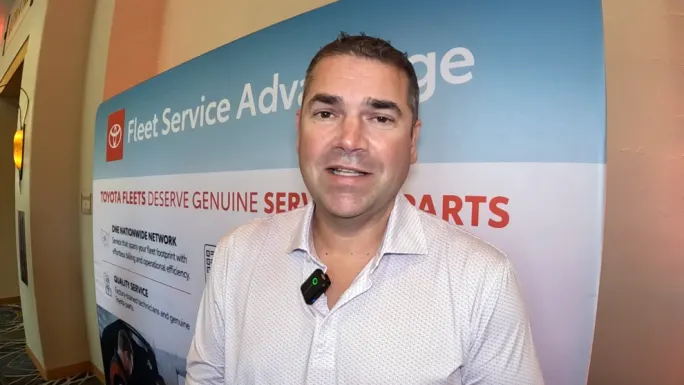
Michael A. Childs, manager, Sales Operations Support, Toyota North America, explains the benefits of Toyota Fleet Service Advantage and how it works.
Credit:
Wayne Parham
Toyota North America has launched a new service and maintenance program, Toyota Fleet Service Advantage (TFSA).
Michael A. Childs, manager, Sales Operations Support, Toyota North America, explained the benefits of Toyota Fleet Service Advantage and how it works.
“The goal of the program is simple: help drive fleet customers back to our dealerships. Make sure their Toyota vehicles stay a Toyota vehicle. We know it's important for our fleet customers to keep their vehicles 100% maintained, always ready to go, and be confident in their products,” Childs said.
He discussed the key benefits of TFSA, which include:
- Toyota quality technicians, technicians that are trained to work on Toyota vehicles and they know the ins and outs of them.
- Maintenance, warranty, service campaigns, recalls-all done in one place. There's no reason for your driver to go to multiple locations to get things done in their vehicles.
- Dealers use Toyota Genuine Parts, the right part for the vehicle, to make sure it stays on the road.
- Toyota dealerships are state-of-the-art facilities and a lot of new amenities in the dealerships.
“There's a strong relationship between our fleet management companies, our customers, and our drivers. We drive everything back to the dealerships, and the last part is our dealer engagement. Not only are our dealers delivering new products to your drivers, but also servicing the vehicles throughout their ownership,” he explained.
And the new program is growing rapidly since it launched about four months ago.
“We've had over 800 customers come in and use the TFSA program, and 198 unique companies that have had their drivers come in. Currently, we have three fleet management companies fully enrolled and are working on the rest as we speak. We’re looking forward to getting those additional FMCs on board here shortly.”
Childs shared that there are now 262 dealers enrolled in TFSA, of the 1,237 dealers across the nation. He pointed out that means 20% of dealers are already participating in TFSA, just in the opening four months.
“We'll continue to push this number. We have these numbers coming in each week as more and more dealers come on board,” Childs said. “Drivers are already taking advantage of the program. We're excited about the momentum we've created, and more importantly, the opportunity to continue expanding the program and making the Toyota Dealer Network an even greater resource for our fleet drivers.”
More Vehicle Research
NAFA Launches CAFM Scholarship Program for Fleet Professionals
The new program will award up to four scholarships annually to help eligible fleet professionals cover the cost of Certified Automotive Fleet Manager certification.
Read More →
Your Fleet Experience Deserves a Vote in the 2027 Fleet Awards
Cars, trucks, vans, SUVs, and upfits. Help choose the 2027 fleet award winners and unlock early-access resources for voters. Ballots close December 31.
Read More →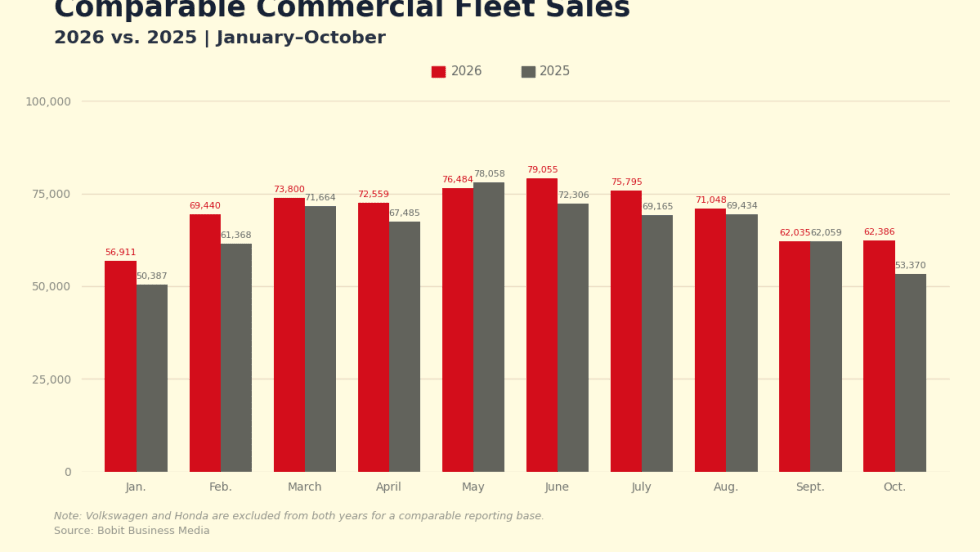
Commercial Fleet Sales Rebound 16.9% Through October
October's stronger results lifted commercial fleet sales growth to 6.7% through the first 10 months of 2026.
Read More →
Which Vehicles Earn Your Fleet’s Vote? Voting Opens for 2027 Fleet Vehicle of the Year
Which vehicles earn your fleet’s vote? Cast your ballot to unlock early access to our analysis of ownership costs across 55 vehicle nameplates.
Read More →
Crash Tests, Catalytic Converter Theft & Fleet Safety | AF News Recap
A stolen catalytic converter can cost a fleet far more than the replacement part. This week, we're exploring how to reduce theft-related risk, what fleet managers learned from live IIHS crash testing, the 2027 Jeep Compass's new safety features, and why supporting original industry reporting matters.
Read More →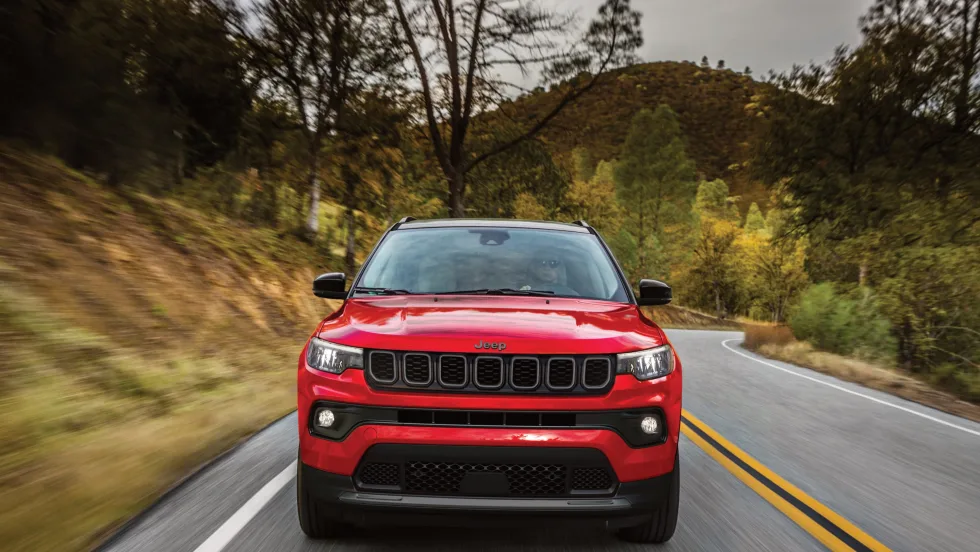
2027 Jeep Compass Adds Standard Driver-Assistance Features, Starts at $31,985
The 2027 Jeep Compass adds standard adaptive cruise control across the lineup, along with additional technology and equipment options on select trims.
Read More →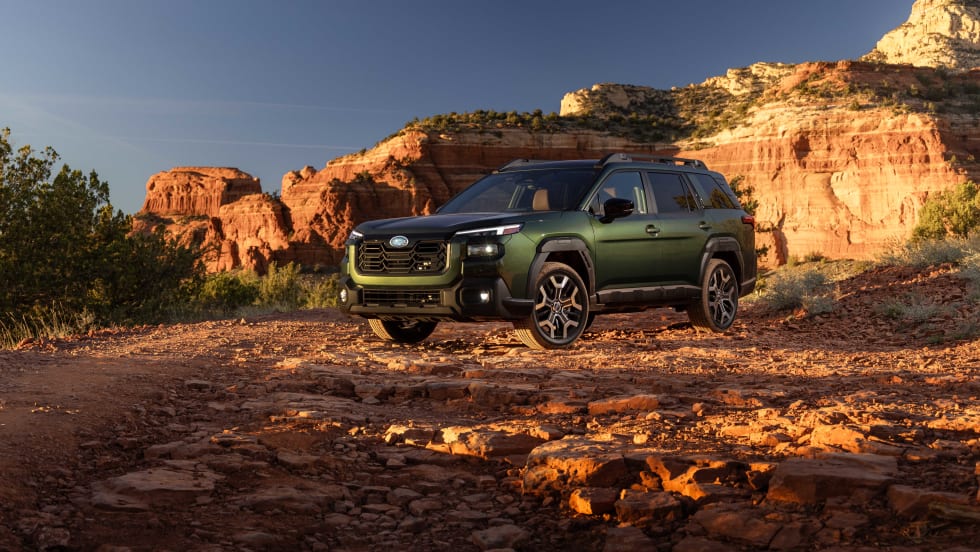
2027 Subaru Outback Adds Base Trim, Lowers Pricing Across Lineup
The 2027 Outback starts at $32,995, with price reductions on several trims and expanded availability of hands-free driver-assistance technology.
Read More →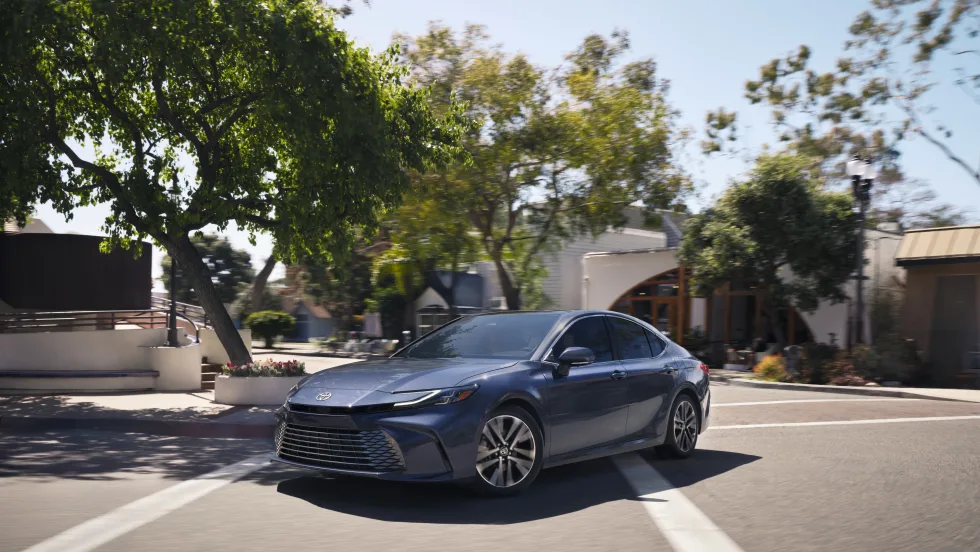
2027 Toyota Camry Offers Hybrid Powertrain Across Five Grades
The 2027 Toyota Camry is a carryover with new pricing.
Read More →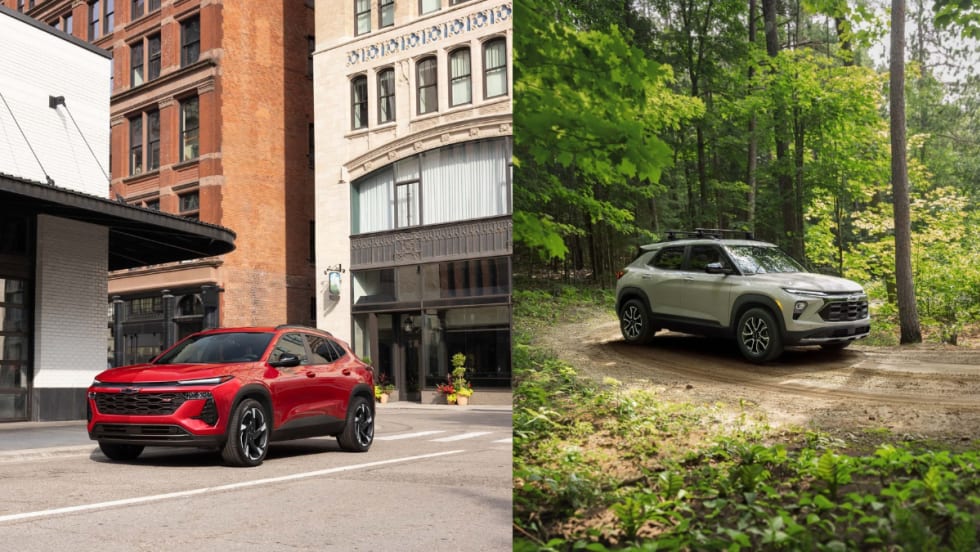
Chevrolet Updates 2027 Trax and Trailblazer with More Standard Safety Features
Chevrolet is updating two of its smallest SUVs with added driver-assistance technology, redesigned interiors, and revised trim options. The changes could add more safety equipment as standard for commercial fleets, while a new Trailblazer configuration adds another all-wheel-drive option.
Read More →
Hall of Fame Inductee: John Dmochowsky
The longtime Mondelēz International fleet executive joins the Automotive Fleet Hall of Fame.
Read More →