




From Tactical to Strategic: A Fleet Manager's First 90 Days
The first 90 days as a fleet manager can be daunting, and the role has changed a lot over the years. What's important now?

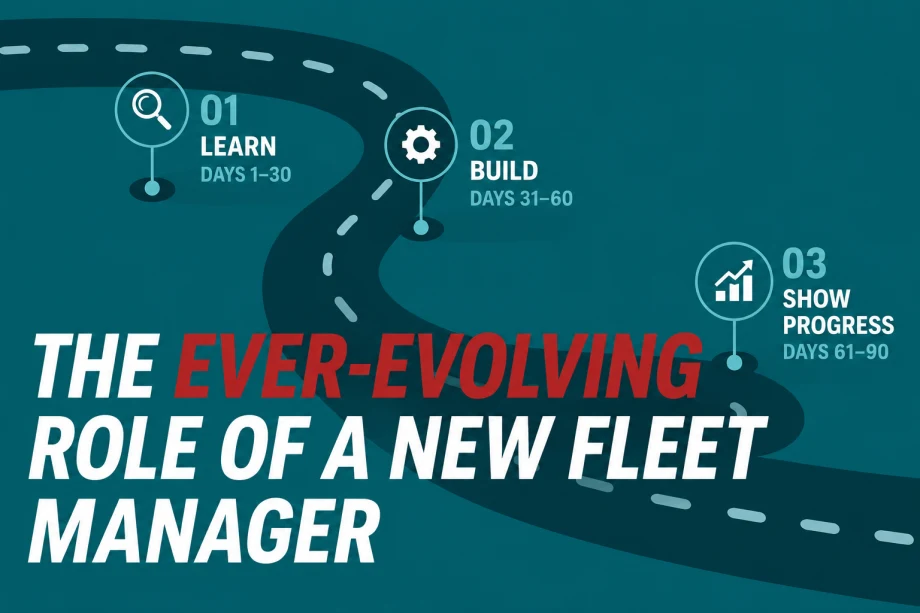
Your first 90 days as a fleet manager need a roadmap to success. Here's how one industry veteran and one new fleet manager suggest a plan to make goals actionable, measurable, attainable, and clear.
Automotive Fleet
- The role of a fleet manager has evolved significantly, requiring adaptation to new challenges and technologies.
- Strategic planning is now crucial, as fleet managers must focus beyond day-to-day operations to long-term goals.
- The first 90 days are critical for establishing frameworks that integrate modern solutions and efficiency.
*Summarized by AI
Landing a fleet leadership role can be exciting, but also overwhelming. Today's fleet managers aren't simply responsible for keeping vehicles on the road. They're expected to manage risk, control costs, analyze data, collaborate across departments, and deliver measurable business results.
New fleet leaders are emerging faster than ever as the industry continues to discover new talent and grow. The reality is that the role has changed, and today’s fleet managers are responsible for things that weren’t previously as prevalent.
While every organization is different, the first 90 days can determine how quickly a new fleet manager builds trust, identifies opportunities, and establishes a long-term strategy.
Industry veteran Erin Gilchrist says today's fleet managers are essentially "running a business within a business," making those first few months more important than ever.
The Fleet Manager's Role Has Changed
Expectations for fleet managers have changed drastically over the last 3-5 years. It used to be about just vehicles and costs per mile; now, fleet managers are expected to think a bit more strategically.
Fleet now intersects with finance, safety, legal issues, HR, operations, and even customer service. Success has now moved past basic maintenance costs.
“It’s no longer just vehicles, maintenance, and ordering,” said Gilchrist. “It’s risk, cost, compliance, people, data, customer experience, and strategy all at once. Leadership wants fleet to be proactive, predictable, and measurable…even when the operation is non-compliant, disengaged, and the fleet department is typically under-resourced. Successful fleet managers have moved from a tactical to a strategic approach.”
Days 1–30: Learn Before You Lead
Resist the urge to change everything immediately. It’s important to find a source of truth to keep you grounded. Even imperfect data is better than no baseline at all, which could be found in:
- Fleet inventory
- Driver assignments
- Vehicle locations
- Titles and registrations
- Existing reports
Understanding the existing fleet’s ecosystem will give you a solid foundation to build on. Fleet managers can map out vendors, internal stakeholders, approval workflows, contracts, and existing policies.
Erin also recommends mapping out "who owns what (RACI)."
Note: RACI is a common project management framework that defines who is Responsible, Accountable, Consulted, and Informed for a given process.
This process will also reveal the biggest pain points and the questions that help solve them:
- Where is downtime highest?
- What frustrates drivers?
- Where are approval bottlenecks?
- Which compliance issues require immediate attention?
The first month is also an opportunity to understand something broader than the fleet itself: the organization's vision and mission. Knowing what the company is ultimately trying to accomplish provides context for the decisions a fleet leader will have to make in the months ahead.
Cesar Ayala is a former United States Marine who now serves as fleet manager for O'Connell Landscape. During his military career, Ayala served as a motor transportation operations chief. He transitioned into the fleet industry three years ago. He manages just under 500 vehicles in his fleet.
"One approach that has helped me manage competing priorities is the analogy of 'glass balls and rubber balls.' When you’re the lone ranger managing fleet operations, you have to be willing to make sound decisions, prioritize the workload, and stand behind those decisions," said Ayala.
Some responsibilities are glass balls; they simply cannot be dropped. Others are rubber balls. They may need to be deprioritized temporarily, but they will bounce back and can be addressed later.
The challenge for a new fleet leader is knowing which is which.
"When fleet priorities are aligned with the organization’s mission, those decisions become much clearer," Ayala noted.
Days 31–60: Build Structure
A simple structure goes a long way. Create the routines that make the basics solid. Communication prevents small issues from becoming larger problems, so creating systems early sets the right foundation.
This could be weekly vendor meetings, regular branch check-ins, safety conversations, and other updates from executives. Communication prevents the small issues from becoming larger problems. Gilchrist calls the process of working with HR, legal, ops, risk, and finance individuals a “fleet isn’t the enemy” narrative, and instead a “coaching, partnership, enablement, what's in it for the field” narrative.
Gilchrist pointed out that once the operation is assessed, the next step is to make sure everyone follows the same process. The second month is where fleet managers build consistency with how things like maintenance are handled. Goals for reducing downtime, measuring performance, and building relationships should be clear.
For maintenance, establishing a clear preventative maintenance (PM) routine that’s consistent across all drivers will help remove any confusion for them or vendors. Erin recommends answering a few key questions early: Where should drivers take vehicles for repairs? Who has authority to approve maintenance? How are preventive maintenance intervals tracked, and what happens when vehicles fall out of compliance?
Documenting the process and communicating it to everyone involved helps ensure maintenance is measured consistently, and the process runs smoothly. Measure the process through KPIs like downtime, cost per mile, PM compliance, safety events, fuel trends, et cetera. Leaders want measurable progress.
Ayala and his team perform a lot of maintenance and repairs on their own. "One of the most important lessons I’ve learned is knowing when to keep a repair in-house and when to outsource it. The goal is to keep operations moving while balancing downtime, internal capacity, and responsible spending."
Days 61–90: Show Progress
Leaders don't expect perfection, but they do expect momentum. Gilchrist suggests developing a fleet roadmap and quick wins; those wins need to be visible. They could be:
- Maintenance approval cleanup
- Tightened fuel controls
- Assignment accuracy improved
- Better reporting cadence
Visible wins build confidence, and clear communication with other leaders about where you need support is key. Get clear on your asks, priorities, and investments. Make leadership’s job in supporting you easy by presenting priorities clearly, connecting requests to ROI, explaining business impact, and showing measurable improvements.
By this point, the first 90 days should begin producing a clearer roadmap: what must be protected, what needs improvement next, and what can wait. In other words, fleet managers should have a much better understanding of which responsibilities are the glass balls and which ones can bounce.
The Biggest Misconception About Fleet Leadership
Success as a new fleet manager isn’t about writing better policy or selecting the right technology. Success depends more on building trust, good influence, gaining field buy-in, aligning departments, and creating a shared vision.
“It’s about people and influence,” said Gilchrist. “If you can’t get buy-in from the field, align leadership, and build cross-functional trust, the best policies and tools in the world won’t matter. Fleet leaders today are basically running a cross-functional operating system while the operation keeps moving. Most organizations still treat fleet like a support function while expecting enterprise-level outcomes. Fleet leaders need to flip the script and position their fleets as revenue generators, not cost centers.”
The first 90 days aren't about fixing every issue. They're about laying the foundation for long-term success.
More State of the Fleet Industry

Is the Future of U.S. Fleets Already Unfolding Overseas?
Fleet Forward Conference keynote speaker John Rossant examines how AI, autonomy, and electrification are converging, and why developments in China, Europe, and the Middle East could preview what’s coming for U.S. fleets.
Read More →
Fleet Meets: Amy McAdams
In this edition of Fleet Meets, Amy McAdams shares how an unexpected career move led to more than 15 years in fleet.
Read More →
Fleet Industry Mourns the Passing of Donna Bibbo
Fleet leader Donna Bibbo passed away after a long battle with uterine cancer and a failing heart.
Read More →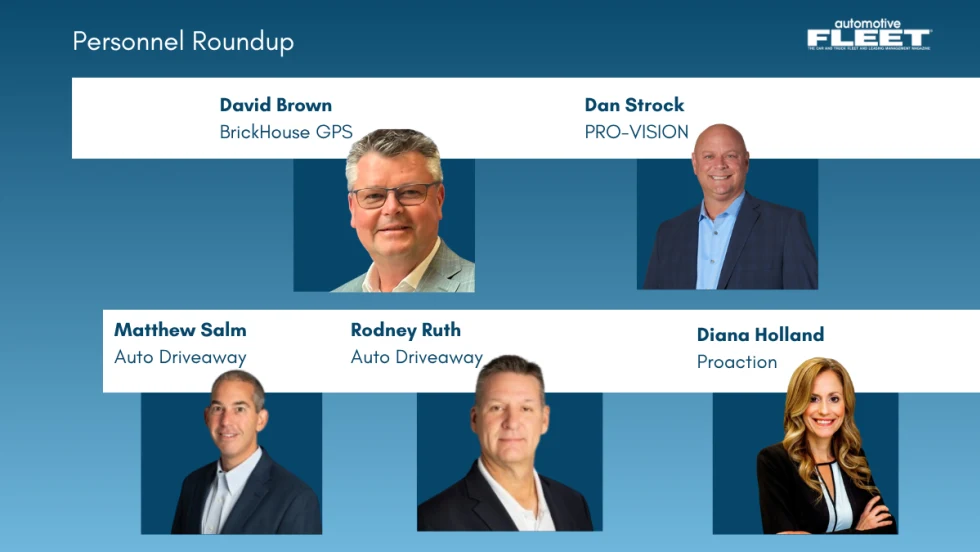
Personnel Update: BrickHouse GPS, PRO-VISION, Auto Driveaway, and Proaction
Check out the latest must-know fleet personnel updates from the last couple of months.
Read More →

‘Mike Just Gives Cars to People’ — And Other Misconceptions Fleet Managers Need to Fix
Most organizations misunderstand fleet. The best managers make sure that doesn’t happen.
Read More →
Why Union Leasing Rebranded to Moventum Fleet Management
Mark Hogland discusses Union Leasing’s transition to Moventum Fleet Management and how the rebrand reflects the company’s growing focus on strategic fleet management and lifecycle support.
Read More →
From Storm Response to Data Strategy: Fleet Trends to Watch | AF News Recap
In this AF news recap, host Faith Howell covers this week's most pressing industry updates.
Read More →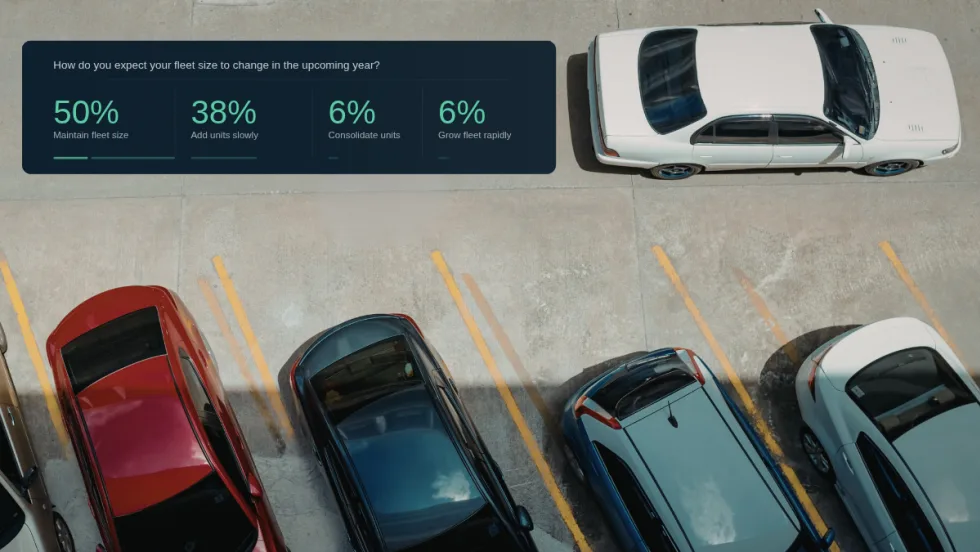
Report: 36% of Fleet Managers Are Delaying Replacements
Element’s 2026 Market Pulse Report finds fleets are slowing replacement cycles amid tariffs, economic uncertainty, and rising costs.
Read More →
California Adopts Sweeping New Autonomous Vehicle Regulations
Updated DMV rules open the door for heavy-duty AV testing and deployment while strengthening safety standards, emergency response coordination, and manufacturer accountability.
Read More →