




Should Fleets Establish an In-house Driver Advisory Board?
Fleet programs thrive when drivers are heard. See how one fleet leader built a driver advisory board that drives improvements, enhances safety, and strengthens supplier relationships.

A 360-degree feedback model is the key foundation to the advisory board approach, where all parties share experiences that lead to product and process improvements.
Image: Automotive Fleet
This perspective is shared by Oleg Cytowicz, based on his 36 years as a fleet manager.
Many of us in the fleet profession may have served on a Fleet Advisory Board hosted by various OEMs, FMCs, or industry-focused suppliers.
The information exchanged in these meetings is instrumental in driving improvements, providing important product and program changes, sharing future insights, and recognizing the board members as key customers. It also provides a space for 360-degree feedback, where all parties share experiences that lead to product and process improvements.
I took this advisory board approach and applied it to my fleet, creating an opportunity for my drivers to share their experiences and provide me with valuable insights into the programs and services I offered. Many times, we make changes to our programs with good intent but do not realize that these changes may negatively or counterproductively impact their day-to-day responsibilities.
The in-house approach enabled my “customers,” the corporate fleet drivers, to openly share their experiences with the fleet program. I used their insights to improve internal processes and shared the feedback with my suppliers to improve service levels for the products we used.
Advisory Board Criteria and First Steps
First, I wanted to make sure that all members had a clear description of their responsibilities on the board and the results I wanted.
I started by presenting my concept to end-user leadership, where I defined the board's purpose and benefits for the organization, the fleet program, and its drivers.
I described the time each board member would require and how often we would meet. I did not want to take a customer-facing employee away from their most important role: servicing our company’s customers. I provided a clear description of how each member would participate on the board, making sure I was very clear in these areas when presenting to leadership.
Selecting Advisory Board Members
With leadership's approval, I requested that they assist me in selecting the driver board members. I wanted to make sure I had representatives from all the divisions that make up my fleet and from every region of the country. I also wanted to make sure the board was balanced, with an equal number of females and males and a mix of experience within the organization.
Leadership also agreed to provide the identified board members with a time slot in their weekly team meeting to present fleet program initiatives, updates, upcoming deadlines, and gather any feedback from the drivers. I consistently emphasized the board's benefits and impact on the direction the fleet may take. I did not set term limits when I created the board.
Once the members had been identified, I wanted to ensure they understood their roles and the value they brought. I presented them with relevant educational content on the fleet program, what’s impacting it, and how it may affect the drivers.
To keep the discussions from slipping into a complaint forum, each board member was allotted time for regional status updates. The atmosphere remained positive.
The interesting takeaway? As the board members began sharing their experiences and interacting with colleagues, I began receiving several requests to be considered for future board member openings. Leadership also positively accepted the dialogue this generated among the drivers. The program was a win-win with positive results immediately.
Board Member Expectations and Outcomes
Board member expectations were simple: communicate to the drivers what was happening within the program on a weekly basis. I would send them a weekly update that they could share on their team call. If there were no status updates, they would simply report progress.
For instance, this approach was extremely helpful when communicating the year-end mileage deadline. Not only were the driver's receiving emails from me and our FMC, but they were also hearing it from their assigned fleet board members.
Leadership was aware of the upcoming deadline. The first year this communication strategy began, we reduced the number of non-compliant drivers. We found that the non-compliant drivers did not understand the program from the beginning.
I used mileage reporting as an example for a reason. I took the time to educate the board members as to why they report mileage each month. This practice not only drives compliance with payroll taxes but also assists the fleet department with relevant mileage data, which helps with vehicle replacement projections. As a result, educated board members shared that insight with their colleagues.
Keep in mind that you must not share any individual driver information with your advisory board members; you must uphold driver confidentiality at all costs. I’ll share additional educational material with board members.
Board Meeting Frequency and Logistics
I planned my meetings and calls with the advisory board by first selecting a date and time that worked best for most of us. In my situation, we chose a day in the third week of the month because the first week of each month was reserved for bill paying, and the last week was dedicated to the end-of-month closing, which is very important to the sales teams. The third week made sense.
I tried to keep the call under an hour unless more time was required to cover key subject material.
We agreed to meet monthly to establish the board process and to adjust as necessary. Originally, we planned a quarterly call, but the board members requested monthly calls first, and we did not adjust the schedule.
Meeting Structure and Sample Agenda
I structured the calls to maximize the content shared and to optimize the required time. I provided an overview of the meeting prior to the call, allowing members time to prepare communications or insights on the agenda topics.
Meeting Agenda:
Welcome and opening statement
Education content & learning opportunity
Updates and status on action items from previous calls (“old business”)
Reports from board members — notes from their regions, status on ongoing projects, and any issues with vehicles or programs.
Action items and reminders
Recognition and closing thoughts
I started my meetings with a learning opportunity, explaining an internal process to help board members better understand what fleet management is responsible for, such as the budgeting process, capital asset acquisition and management, or choosing types of vehicle leases, and how TCO plays into the management process.
We discussed collision costs, accident management, and safety programs. With new products and programs being introduced by OEMs and suppliers, the possibilities are endless — and you could bring in one of their reps to explain.
I tried to run the meeting in an informal “Roberts Rules” format, with an opportunity for questions or clarification after each agenda item. Oh, I didn’t ask members to make second motions; that would be a bit over the top.
Driving Improvements
The action items and reminders section is a great opportunity to share fleet-related data and areas for improvement. Display the fleet maintenance history data here and show the percentage of scheduled maintenance that is non-compliant. Use the data as a benchmark and provide a monthly update that highlights improvements.
Another example would be driver training modules. We ran them quarterly, and the overall completion rate can be shared as part of monthly improvement updates.
You have a great deal of flexibility here — use it to your advantage to communicate critical program information and support developing more efficient processes through an all-hands approach.
Recognizing Your Board
I always took the time to thank the board members for their time, effort, and support of the program. I tried to convey that they are the key reason the fleet program is so successful. Take the time to communicate back to the advisory board members, pointing out the great job they are doing.
Once again, using the 360-degree feedback model, gather the information and communicate it effectively to the parties who can drive improvements.
The Advisory board is a highly impactful, quick, and effective way to involve your fleet drivers, share information, and, most importantly, gather valuable feedback and insights. This type of advisory board system can help you communicate key objectives to your fleet, obtain critical information on supplier performance, and drive efficiency in your fleet operations.
Educate, communicate, listen — and recognize the advisory board's accomplishments and efforts.
More Vehicle Research
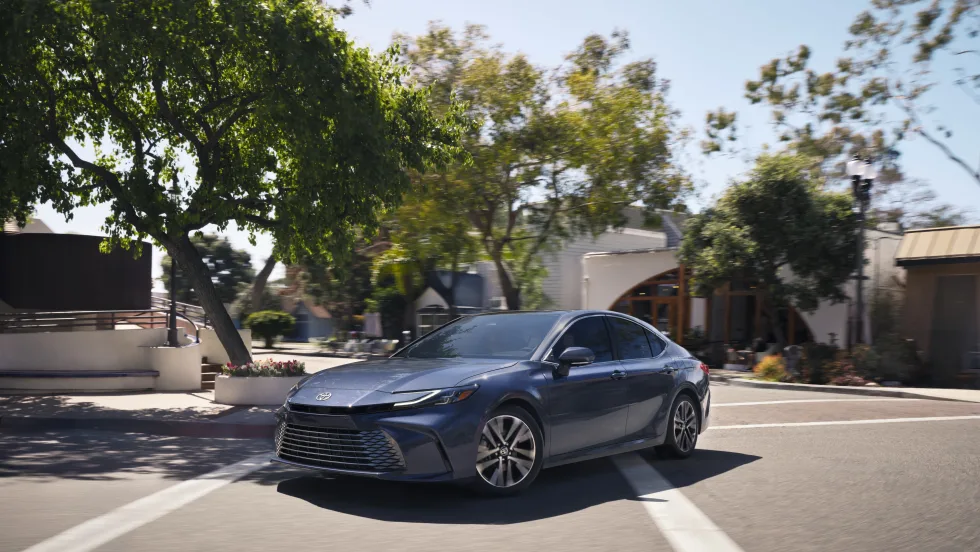
2027 Toyota Camry Offers Hybrid Powertrain Across Five Grades
The 2027 Toyota Camry is a carryover with new pricing.
Read More →
Chevrolet Updates 2027 Trax and Trailblazer with More Standard Safety Features
Chevrolet is updating two of its smallest SUVs with added driver-assistance technology, redesigned interiors, and revised trim options. The changes could add more safety equipment as standard for commercial fleets, while a new Trailblazer configuration adds another all-wheel-drive option.
Read More →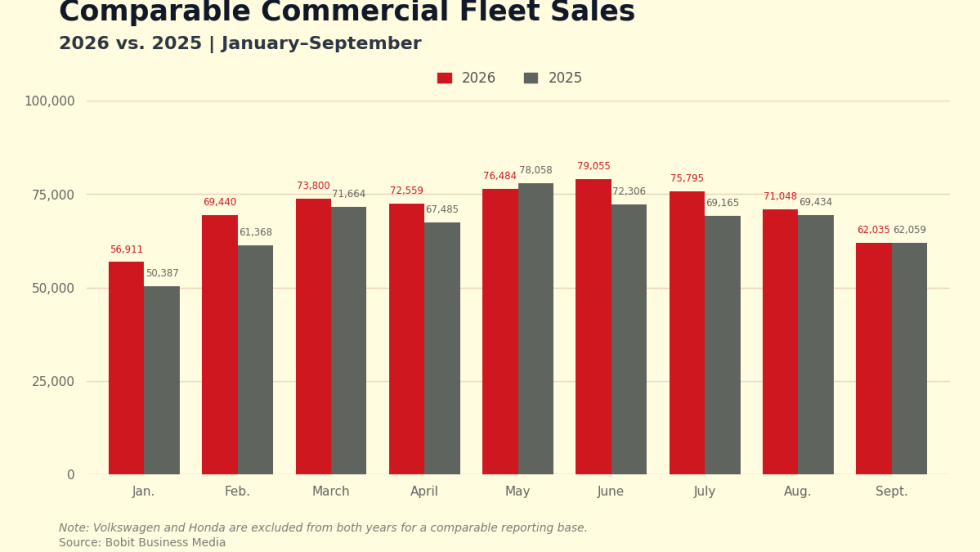
Commercial Fleet Sales Rise 5.8% Through September 2026
September commercial fleet sales were essentially unchanged from a year earlier, slowing year-to-date growth while keeping volume ahead of 2025.
Read More →
Hall of Fame Inductee: John Dmochowsky
The longtime Mondelēz International fleet executive joins the Automotive Fleet Hall of Fame.
Read More →
Hall of Fame Inductee: Lee Miller
After more than four decades at Boehringer Ingelheim, Lee Miller leaves a legacy built on fleet expertise.
Read More →
Hall of Fame Inductee: Mark F. Petersen
From managing fleets of thousands of vehicles to advancing safety and mentoring fellow professionals, Mark F. Petersen made his mark across both the corporate and supplier sides of fleet.
Read More →
When Charger Downtime Becomes a Fleet Availability Problem
As EV deployments move beyond pilot programs, charger reliability can directly affect vehicle readiness, driver productivity and route scheduling.
Read More →
2027 Nissan Rogue Hybrid Adds e-POWER, Standard AWD
The new Rogue Hybrid uses Nissan’s e-POWER system with dual electric motors, offers an estimated 40 mpg and starts at $35,490.
Read More →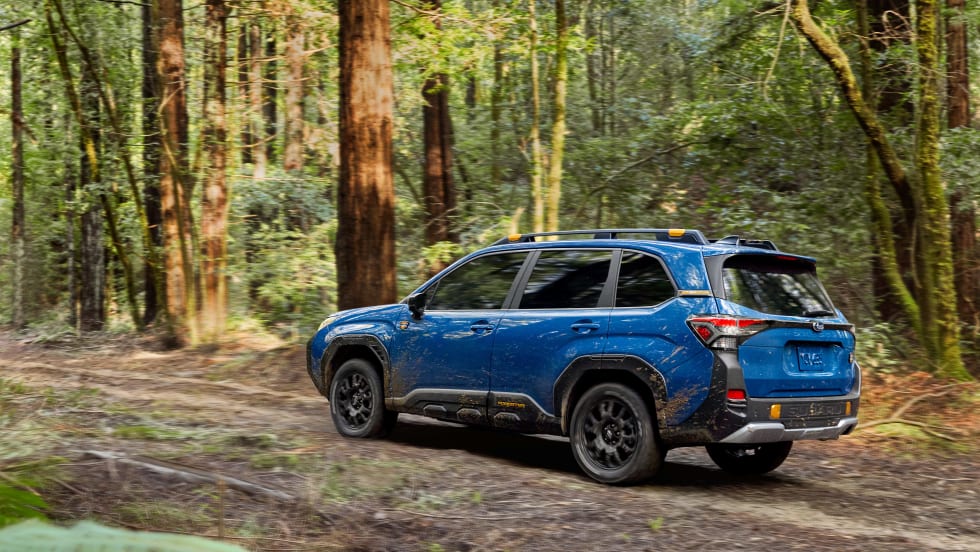
2027 Subaru Forester Adds First Wilderness Hybrid
The 2027 Forester lineup starts at $29,995 and adds a Wilderness Hybrid with 194 combined horsepower and 9.3 inches of ground clearance.
Read More →
EV Realty Names Henrik Holland President as Charging Platform Expands
The former Prologis Mobility and Shell executive will help expand EV Realty’s truck charging business and move its power-first infrastructure model into autonomous vehicle depots and other fleet sectors.
Read More →