




Making Sense of the Mess: Powertrain Options
A pragmatic approach for fleet managers to navigate powertrain choices in a chaotic landscape.
The industry faces what the North American Council for Freight Efficiency (NACFE) calls the “messy middle,” where fleets must weigh immediate operational realities against long-term sustainability goals.
Photo: Automotive Fleet
Today, the transition to cleaner fleets isn’t a straight road; it’s a labyrinth of competing technologies, shifting economics, and operational growing pains. And it doesn’t seem on track to get much easier anytime soon.
Having spent my early career optimizing fuel economy at Navistar (now International), where squeezing out an extra mile per gallon promised significant savings for our large fleet customers, I can appreciate firsthand how today’s electrification debate echoes past efficiency battles, but with much more drastic impacts.
The industry faces what the North American Council for Freight Efficiency (NACFE) calls the “messy middle,” where fleets must weigh immediate operational realities against long-term sustainability goals.
Here’s how to navigate this complex landscape while keeping options open.
The Messy Middle: More Than Just Batteries vs. Diesel
The messy middle isn’t just a choice regarding battery electric vehicles (BEVs). It’s a transitional phase where multiple powertrains compete for relevance, each with unique tradeoffs.
Hybrids (HEVs/PHEVs/HREVs)
Hybrids offer 10-20% fuel savings over conventional powertrains, with minimal infrastructure changes. For fleets running urban routes with frequent stops (e.g., delivery vans), regenerative braking and predictable charging downtime can nearly eliminate fuel costs today.
However, due to their smaller batteries, hybrids still rely on combustion engines, exposing fleets to volatile fuel prices while delaying putting off dreams of zero emissions.
Compressed Natural Gas (CNG)
CNG provides 15-30% lower emissions than diesel and has stable fuel costs in gas-rich regions. Waste management fleets like Republic Services have adopted CNG successfully. However, limited refueling infrastructure and methane leakage concerns create long-term uncertainty.
Hydrogen Fuel Cell Electric Vehicles (FCEVs)
FCEVs combine EV efficiency with rapid refueling, which is ideal for long-haul routes. Recent bankruptcies of burgeoning OEMs, hydrogen’s $16/kg production cost today, and sparse infrastructure make this a purely “future play” for most fleets.
Sustainable/Renewable fuels
Some engine builders like ClearFlame are designing them to be compatible with low-emission fuels with advanced waste-heat recovery and emissions tech, which continues to dominate fleet powertrain portfolios.
They’re reliable, familiar, and a necessary step, but efficiency gains have limited potential due to inherence losses of combustion engines.
Common Powertrain Tradeoffs for Fleets to Consider
Powertrain | Upfront Cost | Fuel Savings Potential | Infrastructure Needs | Best for… |
|---|---|---|---|---|
Diesel/Gas | Baseline | Baseline | Baseline | Edge case fleet operations not yet addressed by newer technology |
BEV | Low – High | 40-50% | Moderate | Light/medium-duty urban applications with access to low-cost electricity |
Hybrid | Moderate | 10-20% | Low | Emissions reduction without range anxiety |
CNG/LNG | Moderate | 20-30% | High | Existing natural gas infrastructure |
FCEV | High | 30-40% | High | Heavy-duty long haul when hydrogen falls below $7/kg |
Renewable fuels | Low - Moderate | Varies | Moderate | Meeting emissions goals |
The Strategic Imperative for Fleet Managers
Fleet managers must balance short-term priorities like safety, driver retention, and asset management with long-term planning for electrification. Here are three potential strategies for navigating this transition:
1. Wait-and-See Approach
Some fleets may delay action until total cost of ownership (TCO) parity is undeniable and infrastructure is fully developed. While this minimizes immediate risks, it also leaves fleets vulnerable to being outpaced by competitors who adopt earlier. For models like Ford’s EV Pro van, the MSRP already matches its gas equivalent, so that time is now.
2. Proactive Transition
Forward-thinking fleets are strategically advancing towards electrification and integrating more efficient powertrains. This approach includes piloting electric vehicles (EVs) in applications where they are most viable, such as ride-hailing and drayage. These initiatives are complemented by leveraging incentives, rebates, and innovative financing options to reduce capital expenditures.
By developing expertise at this stage, these fleets are positioning themselves as industry leaders for when the technologies fully mature.
3. Status Quo Preservation
More often than not, smaller fleets and those with limited resources opt to stick with what they know, hoping to squeeze out the most they can from the more conventional technology. While this approach may provide short-term stability, it risks leaving these fleets unprepared as the disruptions compound (e.g., connectivity integrations, upskilling needs, ecosystem partnerships). As a result, they put off dealing with the learning curve (read also as growing pains) of adopting the newer technology.
Why Early Action Matters
Electrification is not a passing trend to be ignored or indefinitely postponed. Larger fleets with sufficient resources are trying to iterate and figure out how best to capture all the potential benefits.
After all, no other technology can match the pace at which battery prices have fallen — they’ve seen an 89% decrease since 2010, according to BloombergNEF. Smaller players who delay risk being outpriced or acquired as market leaders gain even more market share.
Moreover, electrification offers more than just cost savings — it enhances operational efficiency, improves driver satisfaction, and stays ahead of zig-zagging regulatory demands for reduced emissions in transportation. Waiting too long to act could mean missing out on these benefits and then struggling to catch up after earlier adopters have baked in their lessons learned.
But none of this is easy. Unpredictable energy markets, characterized by shifting tariffs and fluctuating prices, introduce significant complexity and pose a risk to cost savings.
In 2023, diesel prices exhibited a variation of 40%, while electricity rates ranged from $0.08/kWh in Texas to $0.28/kWh in California. These discrepancies present challenges in maximizing asset value due to unpredictable costs, significantly impacting fleet managers’ financial planning.
A Path Through the Chaos
Start with electrification feasibility: Use tools like Brightmerge’s calculator to help model different scenarios. Electrification isn’t universally viable today. For example, a California-based maintenance technician dealing with unpredictable daily schedules in their heavily upfitted work truck might find BEVs impractical until reliable 5-min charging from 20-80% is ubiquitous. But even if BEVs aren’t workable now, you’ll baseline your infrastructure needs and financial tradeoffs.
Bridge with other cost-saving powertrains: Leverage transitional technology buys time while batteries improve. Years ago, Waste Management reduced diesel use by 80% with CNG, cutting costs without stranded assets. The same industry is taking steps towards EVs as battery costs improve.
Build strategic partnerships: Identifying the right partners early on is crucial for fleet managers to make sure they do not take on too much at once. Companies like MN8 already have charging infrastructure accessible to fleets, while others like Merchant’s Fleet provide access to vehicles — both helping to reduce capital spend while allowing fleets to ramp up the newer technology.
Planning for Tomorrow Starts With Realism Today
The messy middle demands pragmatism, not dogma. This phase is critical for shaping the future of moving people and goods, but the current tariff mayhem reminds us that external factors can disrupt even the best-laid plans. Success will require balancing immediate priorities with long-term vision, taking steps today to position your fleet for tomorrow’s realities.
While other powertrains may fit the bill better now, electrification’s trajectory makes it a permanent fixture for the long term. Fleets that skip the feasibility analysis risk playing catch-up in a winner-takes-all market.
As I learned optimizing those six mpg engines at Navistar, the biggest cost isn’t adopting early. It’s not considering your options.
More Green Fleet
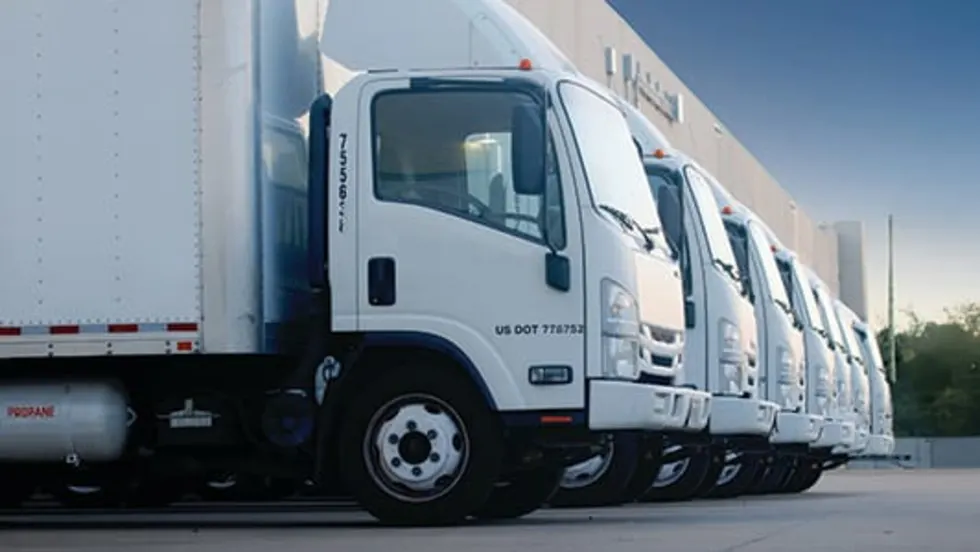
New Propane Autogas Program Offers Fleet Compensation
Qualified commercial fleets can receive $7,500 per eligible propane autogas vehicle and up to $10,000 for new refueling site prep. Learn how the program works and see whether your fleet qualifies.
Read More →
EV Charging Use Is Outpacing Infrastructure Growth
ChargePoint’s 2026 Charging Forward Report points to rising charger use, higher-powered charging, commercial vehicle electrification, and energy-management technology. Here’s what fleets should know.
Read More →
Merchants Fleet Reports 290M EV Miles as Fleets Navigate Changing Electrification Market
From millions in operating savings to hundreds of millions of EV miles, Merchants Fleet’s latest report reveals what’s working and what’s changing in fleet electrification.
Read More →

The EV Breakdown Nobody's Talking About: Why Most Electric Vehicle Roadside Calls Aren't Mechanical Failures
Here's why EV breakdowns are widely misunderstood.
Read More →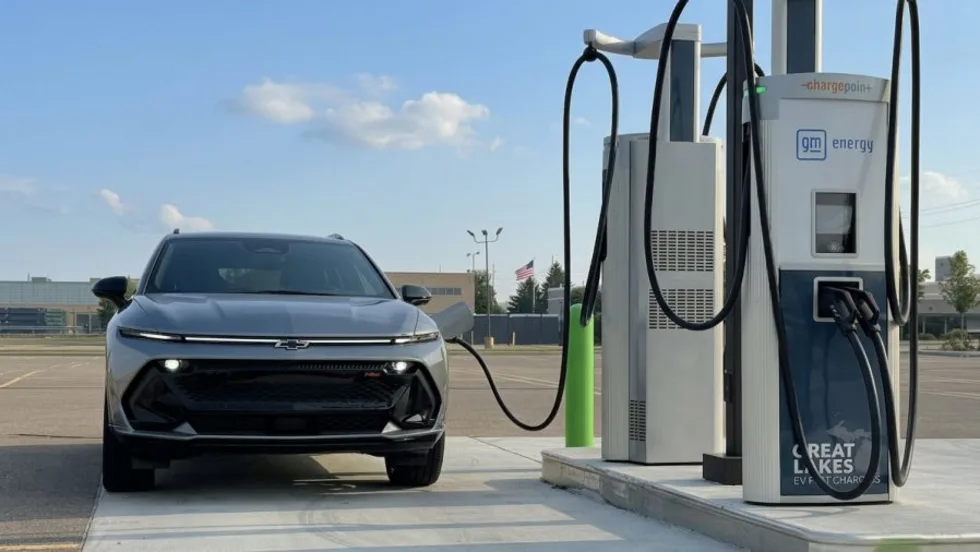
ChargePoint Now Available in Energy Pass
ChargePoint and additional planned charging network integrations were added to GM's Energy Pass.
Read More →

First Look: Slate Auto's Electric Fleet Pickup
Could an affordable, modular EV pickup make electrification more practical for fleets?
Read More →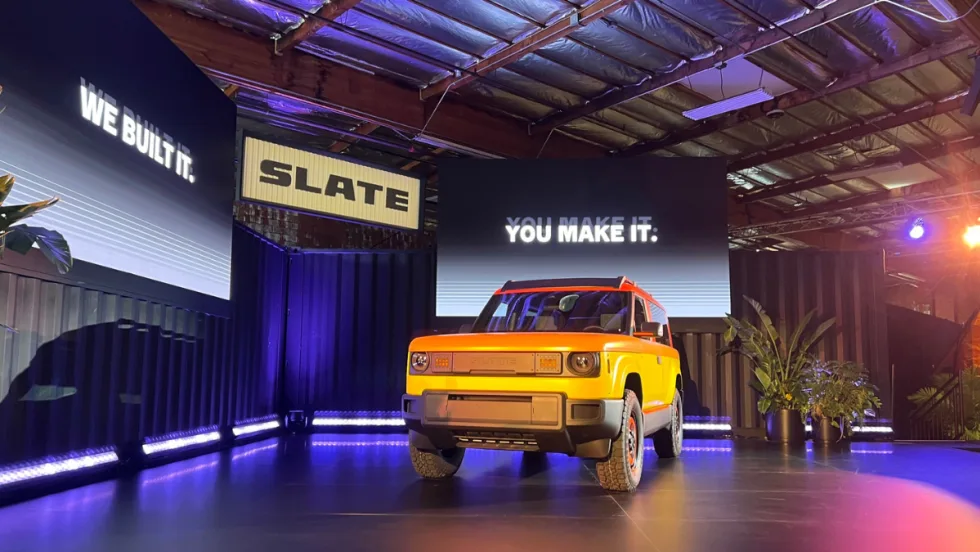
Slate Debuts Colorful, Unique EV Models
A recent media and client event, studded with electric vehicles dressed up on platforms, planted a new position for the manufacturer in the wider EV market. Fleets will find cost-saving advantages.
Read More →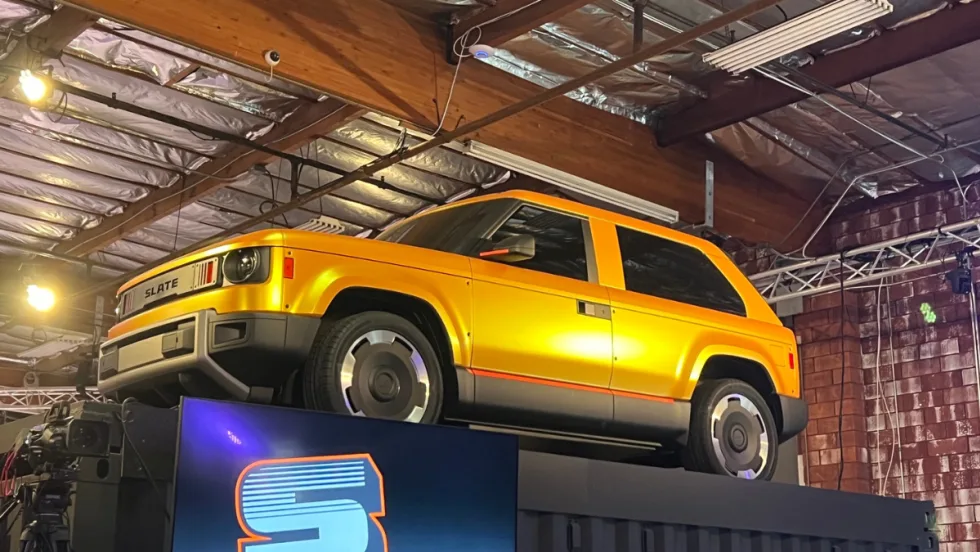
Slate Electric SUV, Pickup Switchable Model Aims For Light-Duty Fleets
Everything about this EV is counterintuitive and understated, making it stand out from the crowd.
Read More →
Inspiration Mobility Acquires Key Electrada Assets
Inspiration Mobility Group has acquired select assets of Electrada, adding the fleet electrification provider's team, technology, and charging infrastructure development capabilities to its energy management business.
Read More →