





Related Article:How Fleet Truck and Van Upfits Can Boost Revenue
How To Upfit Electric Work Trucks and Vans
The biggest challenge lies in balancing additional equipment and accessories with EV battery capacity and range.
December 8, 2025

Slate Auto displayed a prototype of its electric vehicle designed to convert between a pickup truck and an SUV, at the Fleet Forward Conference in San Diego, Oct. 21-23.
Photo: Martin Romjue / Automotive Fleet
6 min to read
- The process of upfitting electric work trucks and vans involves integrating additional equipment and accessories.
- Balancing the added equipment with the electric vehicle's battery capacity is a primary concern.
- Ensuring that the vehicle's range is maintained is crucial when adding new features to electric work vehicles.
*Summarized by AI

Drew Walker (L), head of fleet sales for Slate Auto, talks with an attendee in front of Slate's customizable electric pickup truck and SUV during the Fleet Forward Conference in San Diego on Oct. 22, 2025.
Photo: Jonathan Robbins / Bobit Business Media
If done right, upfitting an electric fleet vehicle can yield savings, smooth operations, and sturdy resale value for years to come.
But equipping an all-electric work truck, van, or delivery vehicle involves careful, regimented steps and a precise, well-defined plan for modification.
An expert panel at the 2025 Fleet Forward Conference on Oct. 22 included Brian A. Barber, VP of sales and marketing for Sortimo North America; Drew Walker, head of fleet sales for Slate Auto; Jonathan Culp, sales advocate for Fourward Upfitting; and Nick Davidson, social impact lead of net zero programs at McKinstry.
The experts shared some fleet-on-the-street lessons and strategies on transitioning from ICE fleets to everyday workhorse electric fleets.
Here are their collective insights and advice formatted into takeaways and tips:
Understanding Differences Between ICE and EV Upfits
EV upfitting is not a simple carryover from traditional internal combustion engine (ICE) vehicle practices. Every modification must account for the EV’s structural design, electrical wiring and architecture, and power performance.
No drilling zones: Technicians cannot drill into the base or floor of EVs where battery packs and high-voltage components are located. All attachment points must be verified to avoid catastrophic damage.
Range and performance: Every modification, such as weight, aerodynamics, lighting, and electrical draw, directly affects energy efficiency and range.
Preparation and safety: Upfitters must map out where the batteries and wiring run. Training technicians must be trained to work safely around high-voltage components
Front-end planning: EV upfits require more upfront analysis than ICE vehicles. Technicians must collaborate early with manufacturers, fleet managers, and upfit companies to identify what’s feasible.
Managing Weight, Payload, and Balance
One of the biggest challenges in EV upfitting is balancing payload with range. EVs are already heavier due to their batteries, which impacts how much additional weight they can carry.
Weight factors: A Silverado EV, for example, can weigh over 5,000 pounds, nearly 2,000 pounds more than its ICE counterpart. Every added pound reduces range and efficiency.
Smart load selection: Only mission-critical tools and parts should be carried. Each item should contribute to the technician’s productivity.
Vehicle balance: Unlike ICE vehicles that are front-heavy due to engines, EVs distribute weight differently. This affects gross axle weight ratings (GAWR) and requires careful planning of equipment placement.
Early collaboration: Fleets should involve upfitters and management companies early to evaluate each vehicle’s load requirements and conduct day-in-the-life analyses with technicians.
Lightweighting: Materials and Smart Design
Lightweighting consists of a central strategy for maximizing range and performance. By using modern materials and smarter designs, fleets can save energy and improve long-term durability.
Material selection: Aluminum is about one-third lighter than steel and highly resistant to corrosion. Every 100 pounds saved adds about four to six miles of range for EVs.
Composites: Composite materials offer superior impact absorption and energy dispersion, improving both safety and longevity.
Optimized design: Use built-in weld nuts, melt points, and structural attachment areas instead of adding unnecessary brackets.
Aerodynamics: External equipment like racks and ladders can increase drag and energy consumption, especially at highway speeds. Panelists recommended testing configurations and planning for a buffer in estimated range.
Power Management and Auxiliary Energy
As work vehicles, many EVs must power additional tools, lighting, or hydraulic systems. Fleet operators must ensure they safely and efficiently integrate these demands.
Understand electrical draw: Upfitters must calculate wattage and amperage needs for every tool or device. Use calculators and data sheets to assess realistic loads.
Supplemental power: Some fleets are adding separate auxiliary batteries or using vehicle-to-load (V2L) systems to power tools.
Operational planning: Power-hungry equipment should recharge while the vehicle itself is charging to prevent depletion during use.
Redundancy: Systems like liftgates can be powered by independent small batteries that connect to standard vehicle batteries if needed.
Managing Range in Extreme Temperatures
Temperature extremes, whether heat or cold, can reduce EV range by varying degrees. Fleet managers should follow several core best practices to optimize efficiency:
Preconditioning: Warm or cool the vehicle while it’s still plugged in, using grid power instead of stored energy.
Cabin sealing: Use sealed bulkheads instead of open steel partitions to contain heat or cool air within the cab.
Heated seats over heaters: Heating the driver directly consumes far less power than running cabin heat.
Driving discipline: Minimize unnecessary stops and door openings, which quickly deplete stored energy in cold environments.
Safety, Training, and Technician Awareness
Safety standards for EV upfitting must follow strict guidelines. High-voltage systems demand vigilance and comprehensive technician training.
Follow OEM guidance: Always use factory-approved attachment points and avoid no-drill zones, typically marked in orange.
Safety culture: Companies must reinforce use of protective gear and ensure all technicians are trained in high-voltage awareness.
Communication: Consistent, open feedback between upfitters, OEMs, and fleet managers ensures safe, standardized practices.
Collaborative planning: Upfitters must test designs and procedures before mass rollouts to prevent costly or hazardous errors.
Cooperating On Upfit Projects
Transitioning to EVs is as much about process as it is about technology. Stakeholders such as manufacturers, upfitters, fleet management companies, and operators need to choose and follow the same project timeline and plans.
Engage early: Align on vehicle specs, mission requirements, and upfit feasibility before purchase.
Joint feasibility studies: Verify all designs meet technical and safety parameters.
Thorough testing: Pilot, test, and verify prototypes before scaling across fleets.
Change management: Transitioning to EVs is a cultural shift that requires fleet operations to engage technicians and drivers on the processes, so they understand and trust the new technology.
Vendor relations: Choose partners willing to iterate, adapt, and troubleshoot together. Success with fleet electrification and upfits depends on all parties being flexible.
Balancing Cost, TCO, and Resale Value
Expenses remain one of the most consequential factors in EV upfitting. While upfront prices are higher, long-term savings can offset the initial investment.
TCO advantages: Lower fuel and maintenance costs close the gap between EVs and ICE vehicles within six to seven years of ownership.
Material longevity: Aluminum and composite interiors last longer and retain resale value better than steel counterparts.
Preserve structure: Avoid or minimize drilling whenever possible, since vehicles without structural modifications command higher resale prices.
Resale strategy: Using removable floors, wall liners, and modular shelving enables components to be transferred between vehicles, enhancing ROI.
Case Studies and Success Examples
The spread of fleet EVs offers success stories of upfitted electric work trucks and vans.
ABM Facility Services: The company deployed BrightDrop vans in California to meet state EV mandates. By conducting driver surveys and partnering with Inspiration Mobility, ABM developed flexible upfits and ensured adequate charging infrastructure.
McKinstry: The national construction and energy services company installed a liftgate on a Chevrolet Silverado electric pickup truck without removing the bumper. It extended the truck bed from 5.5 feet to 6 feet. The modifications balanced practical applications and add-ons with the integrity of the design.
Slate Auto: Designed modular vehicles that can convert between pickup, van, and SUV configurations, reducing remarketing risks and extending fleet lifespan.
Subscribe to Our Newsletter
More Upfitting
A Behind-the-Scenes Tour of a Fleet Upfit Facility
Get a behind-the-scenes look at how Driverge takes fleet vehicles from pilot builds to production and shipping.
Read More →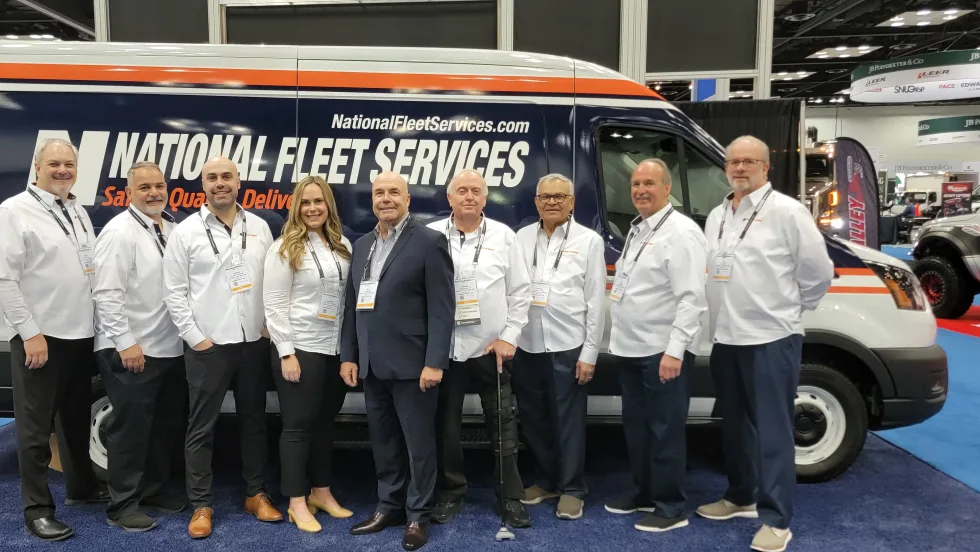
National Fleet Services Marks 30 Years of Fleet Upfitting Operations
Thirty years after its founding, National Fleet Services says its fleet assessments continue to uncover opportunities for more efficient, durable, and cost-effective vehicle upfits.
Read More →
Sponsored•July 2, 2026
How to Upfit, Equip, and Accessorize EVs for Work
From payload constraints and range tradeoffs to safety considerations and rising upfront costs, this conversation breaks down the realities of upfitting electric work trucks and vans.
Read More →
Driving Performance Across Trade Fleets: Upfit Standardization Strategies & Best Practices
Check out the best upfitting strategies and practices for trade fleets.
Read More →
John Poindexter Shares Product Launches, Growth Strategy for 2026
After a major acquisition, JB Poindexter’s CEO outlines what’s next, from smarter camera systems to early AI integration, and whether more deals are on the horizon.
Read More →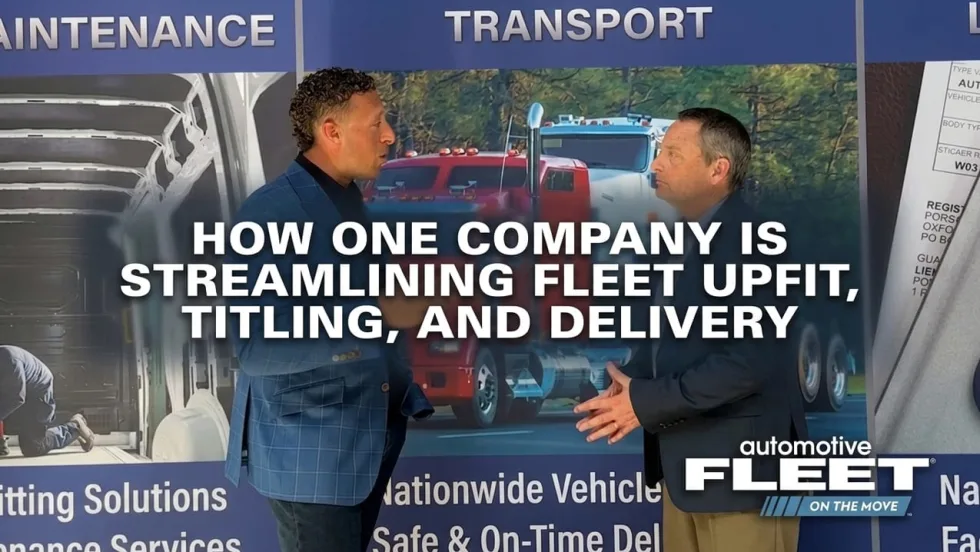
How One Company is Streamlining Fleet Upfit, Titling, & Delivery
Anew Solutions CEO Austin Schutte joins AF on the Move to discuss fleet upfitting, delivery logistics, and the importance of speed to completion in today’s fleet operations.
Read More →
Sortimo Presents New Upfitting Products
Sortimo detailed new racking systems, new floors, and more at Work Truck Week 2026.
Read More →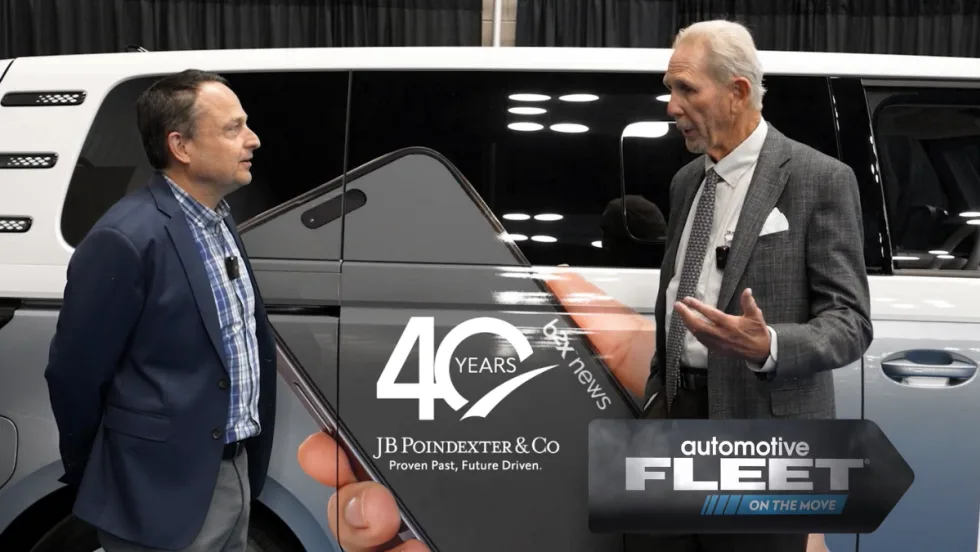
JB Poindexter’s CEO Talks Growth, Industry Disruption & What’s Next
John Poindexter, CEO of JB Poindexter & Co., discusses how his $2.5B enterprise is navigating technology transformation, acquisitions, and a fast-evolving commercial vehicle market.
Read More →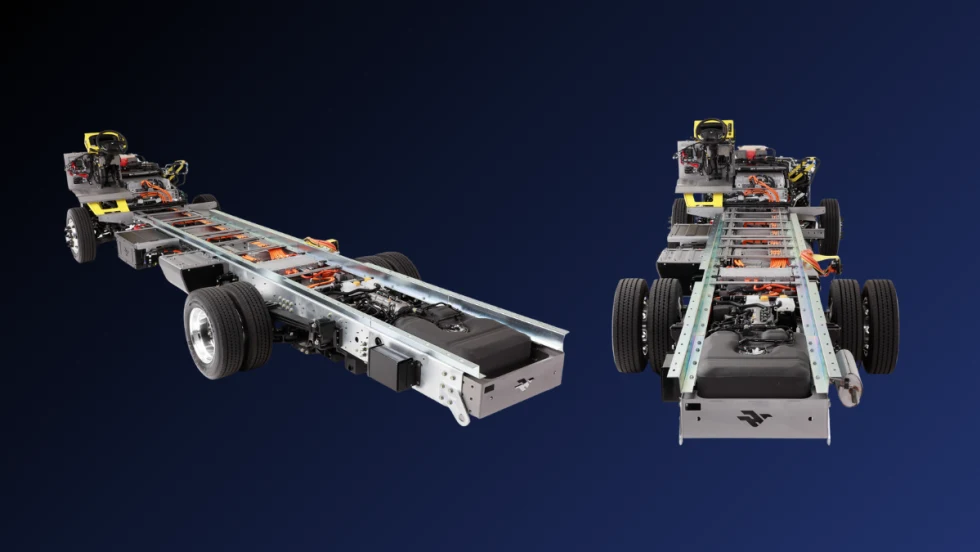
Harbinger Unveils Plug-In Hybrid Vehicle for Medium-Duty Fleets
The medium-duty truck company is expanding its American-made electric vehicle lineup to include a series hybrid model, offering up to 500 miles range.
Read More →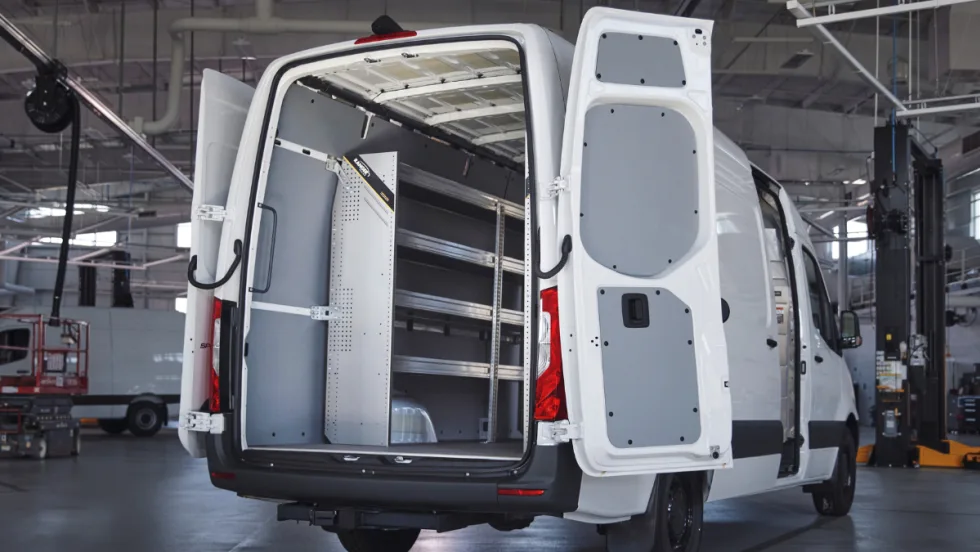
Mercedes and Ranger Design Launch New Program to Upfit Sprinters
The new program, called VanSolution, provides direct ordering of basic shelving solutions, eliminating the need for separate transactions with upfit providers.
Read More →