




Q3 Electric Vehicles Sales Hit Record High
EV buyers took advantage of the final federal tax credit days, while average prices edged up for new EVs and continued to decline for used models.

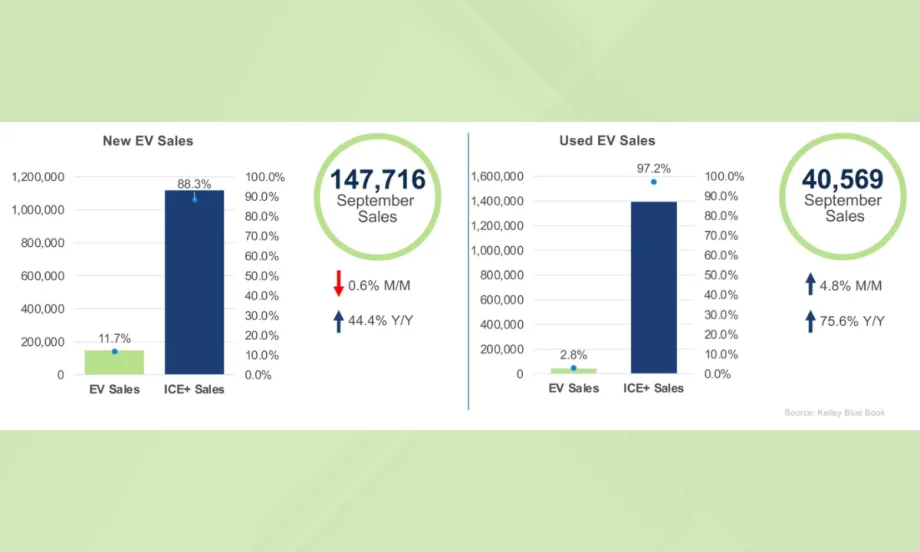
September new EV sales reached 147,716 units, up 44% year over year, while used EV sales climbed 76% to 40,569 units, underscoring continued market growth across both segments.
Graphic: Cox Automotive
September marked a third consecutive strong month for the electric vehicle (EV) market, pushing third-quarter sales to a record high, according to figures from Cox Automotive. Buyers moved quickly to take advantage of the final days of the federal EV tax credit, sustaining strong demand even as inventory levels tightened and incentives moderated across both new and used segments.
EV Sales — September
New EV Sales: Estimated September new EV sales reached 147,716 units, down 0.6% from August but up 44.4% year over year. EVs accounted for a record 11.7% of total vehicle sales. Several brands, including Tesla, Ford, Hyundai, Cadillac, Kia, GMC, and Rivian, recorded their highest monthly volumes of 2025.
Tesla led the market with 62,834 units sold, followed by Chevrolet (11,402), Ford (11,057), Hyundai (10,556), and Cadillac (7,570). Tesla’s sales rose 6.1% month over month, lifting its share of total EV sales to 42.5%. Cadillac posted the strongest growth among luxury brands, rising 25.5%, while GMC increased 48% on utility EV demand. Kia grew 15.6% in the non-luxury segment.
Used EV Sales:Used EV sales totaled 40,569 units in September, up 4.8% from August and 75.6% year over year, capturing 2.8% of the used vehicle market. Tesla remained the leader with 16,494 units (up 2.1%), followed by Chevrolet (3,541), Ford (2,566), Audi (2,135), and Volkswagen (1,980).
Tesla’s used-vehicle share slipped to 40.7%, while Audi and Volkswagen saw the largest gains, increasing 0.9 and 0.7 percentage points, respectively.
EV Prices — September
New EV Prices: The average transaction price (ATP) for new EVs rose to $58,124 in September, up 1.7% from August but 0.4% lower than a year earlier. The EV price premium over internal combustion engine (ICE) vehicles held steady at $9,070. Incentives declined to 15.3% of ATP, or about $8,890.
Luxury EVs made up 62% of total EV volume. A larger share of full-size electric trucks and SUVs pushed average prices higher. Toyota recorded the largest month-over-month ATP gain at 8.6%, followed by Volvo (up 6.4%) and Audi (up 4.8%). Tesla’s ATP dipped 0.6%, pulling down the overall average due to its high sales volume.
Among the top five EVs by sales — Tesla Model Y, Model 3, Hyundai Ioniq 5, Ford Mustang Mach-E, and Chevrolet Equinox EV — the Equinox EV had the lowest ATP at $40,096.
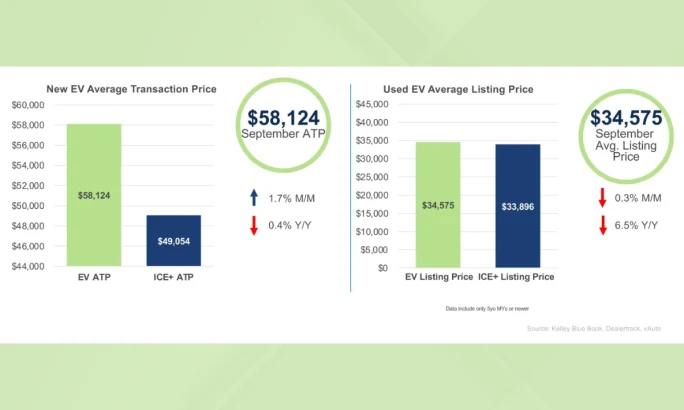
In September, the average transaction price for new EVs rose to $58,124, up 1.7% month over month, while the average used EV listing price fell slightly to $34,575 — narrowing the gap with ICE models.
Graphic: Cox Automotive
Used EV Prices: The average listing price for used EVs declined slightly to $34,575, down 0.3% month over month and 6.5% year over year. The gap between used EV and ICE+ prices narrowed to $679, moving closer to full parity.
Fourteen brands now price their used EVs below comparable ICE models, and 15 are under $30,000. Nissan models averaged near $20,000. Among the top sellers — Tesla Model 3, Model Y, Ford Mustang Mach-E, Volkswagen ID.4, and Tesla Model S — the ID.4 had the lowest average listing at $22,919.
EV Days’ Supply — September
New EV Inventory: EV days’ supply dropped to 47 days, the lowest in three years, down 32% month over month and 53.9% year over year. The gap between EV and ICE+ inventory widened to 45 days, the largest since 2021.
Across all makes, availability declined by an average of 26 days. Porsche saw the sharpest drop (down 65 days), followed by Ford (down 50) and Genesis (down 45). GMC maintained the highest supply at 123 days, while Toyota had the lowest at just 10 days.
Used EV Inventory: Used EV days’ supply fell to 30 days, the lowest since March 2022, and remained below ICE+ levels for the seventh time this year. Tesla (22 days), Chevrolet (26), and Nissan (28) had the tightest supply, while Ford (53) and GMC (62) maintained the highest. Toyota (down 18 days) and Volkswagen (down 16) experienced the steepest declines, with Genesis and Rivian leading the drop among luxury brands.
Note: Tesla and Rivian figures reflect vehicles sold through traditional dealerships, excluding direct-to-consumer models.
Market Outlook
With federal EV tax credits now expired, the market is entering a new phase driven by fundamentals rather than incentives. Continued adoption will depend on affordability, charging accessibility, and consumer confidence in battery life.
As used EV prices near parity with gasoline models, the long-term growth of the segment will rely on cost management, infrastructure expansion, and consistent vehicle availability.
Originally posted on Charged Fleet
More Green Fleet
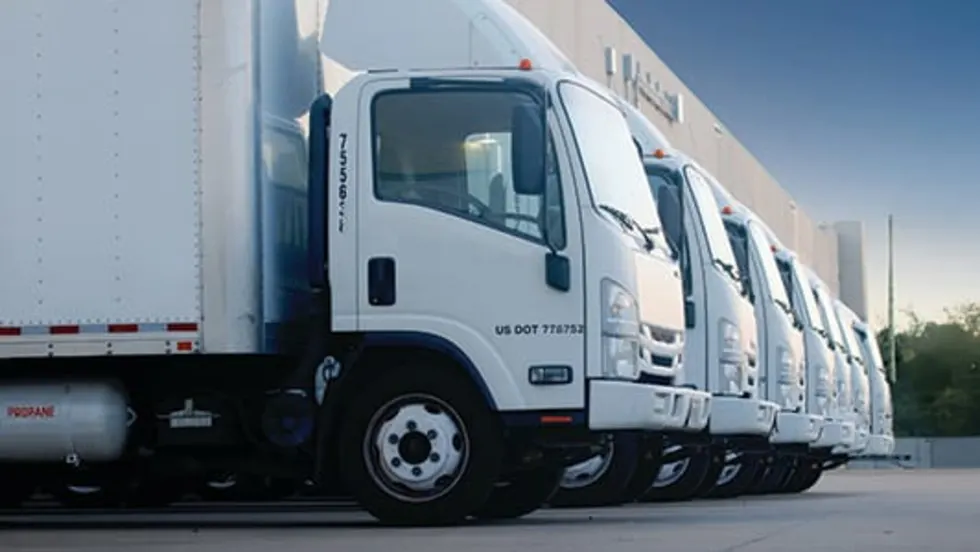
New Propane Autogas Program Offers Fleet Compensation
Qualified commercial fleets can receive $7,500 per eligible propane autogas vehicle and up to $10,000 for new refueling site prep. Learn how the program works and see whether your fleet qualifies.
Read More →
EV Charging Use Is Outpacing Infrastructure Growth
ChargePoint’s 2026 Charging Forward Report points to rising charger use, higher-powered charging, commercial vehicle electrification, and energy-management technology. Here’s what fleets should know.
Read More →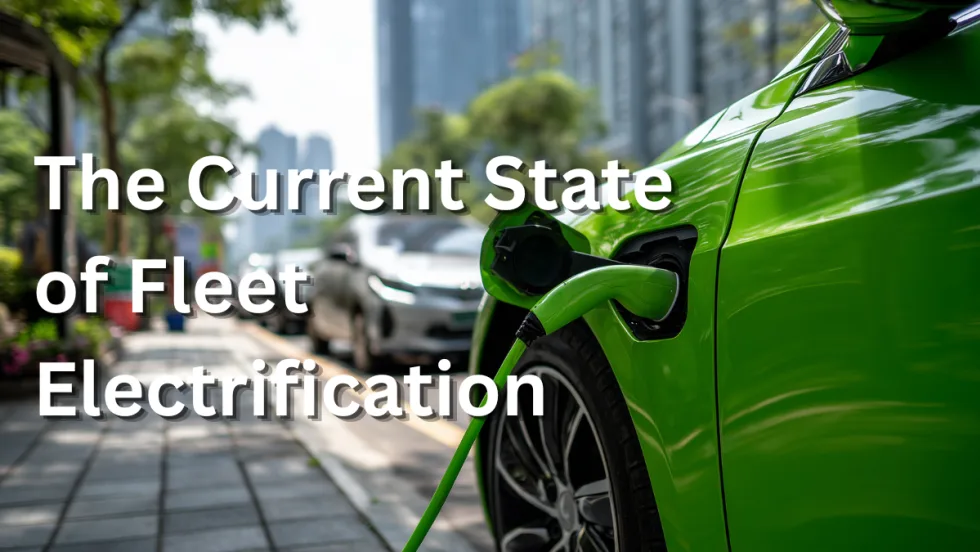
Merchants Fleet Reports 290M EV Miles as Fleets Navigate Changing Electrification Market
From millions in operating savings to hundreds of millions of EV miles, Merchants Fleet’s latest report reveals what’s working and what’s changing in fleet electrification.
Read More →
The EV Breakdown Nobody's Talking About: Why Most Electric Vehicle Roadside Calls Aren't Mechanical Failures
Here's why EV breakdowns are widely misunderstood.
Read More →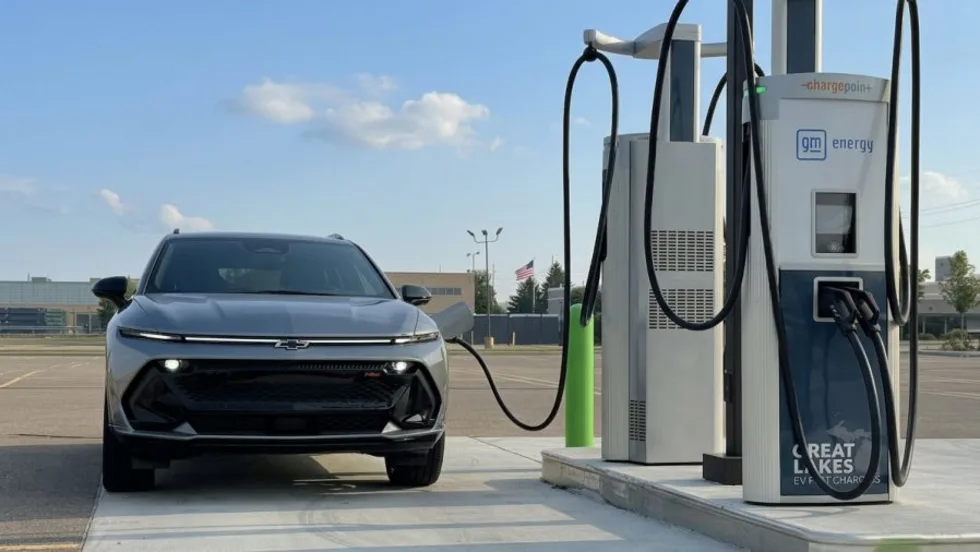
ChargePoint Now Available in Energy Pass
ChargePoint and additional planned charging network integrations were added to GM's Energy Pass.
Read More →

First Look: Slate Auto's Electric Fleet Pickup
Could an affordable, modular EV pickup make electrification more practical for fleets?
Read More →
Slate Debuts Colorful, Unique EV Models
A recent media and client event, studded with electric vehicles dressed up on platforms, planted a new position for the manufacturer in the wider EV market. Fleets will find cost-saving advantages.
Read More →
Slate Electric SUV, Pickup Switchable Model Aims For Light-Duty Fleets
Everything about this EV is counterintuitive and understated, making it stand out from the crowd.
Read More →
Inspiration Mobility Acquires Key Electrada Assets
Inspiration Mobility Group has acquired select assets of Electrada, adding the fleet electrification provider's team, technology, and charging infrastructure development capabilities to its energy management business.
Read More →