




Related: ATA's Workforce Development Subcommittee to Tackle Worker Shortages
Technician Shortage Worse Than Previously Thought
In a new report, the TechForce Foundation is predicting that demand for new vehicle technicians over the next ten years will be three times higher than was previously expected.
by Staff
October 30, 2017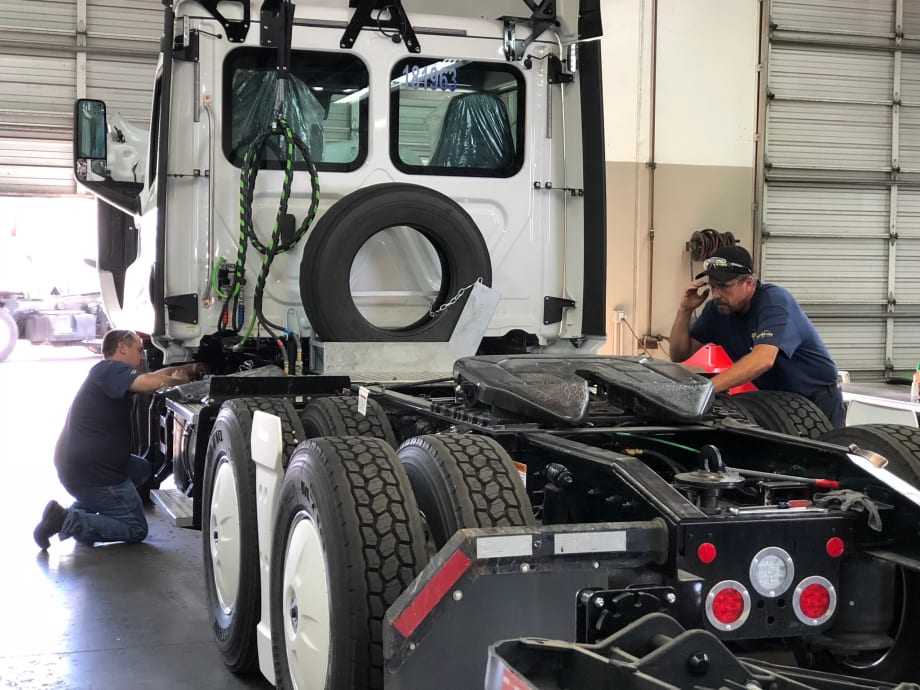
Photo: Steven Martinez
2 min to read
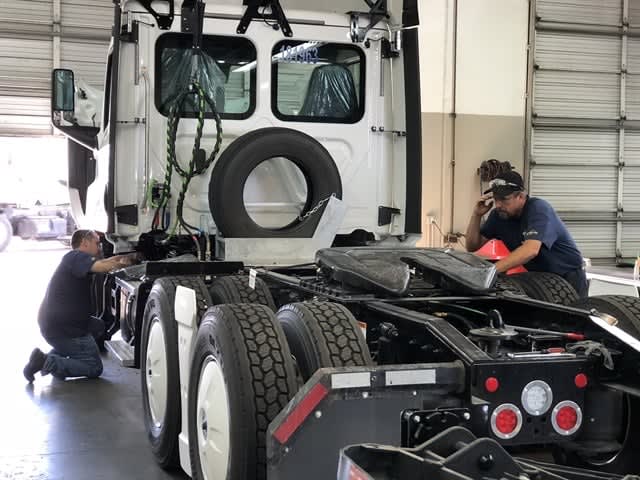
Photo: Steven Martinez
In a new report, the TechForce Foundation is predicting that demand for new vehicle technicians from 2016 to 2026 will be three times higher than was previously projected for the 2014 to 2024 period.
The TechForce Foundation, a nonprofit that supports technical education, has teleased its Transportation Technician New Entrant Demand report, which reveals the severity of the technician shortage.
Based on analysis of Bureau of Labor Statistics data, the report focuses on technicians that are joining the field, rather than on experienced technicians who move around but don’t add to the overall trained workforce.
“BLS had underestimated the replacement component of demand-- replacing existing technicians who have retired, been promoted, or decided to find a new career,” said Greg Settle, one of the co-authors of the report and TechForce's director of national initiatives. “That methodological problem has been rectified with the new projections just issued by BLS for the 2016-2026 period.”
Previously, BLS projections showed an average annual new entrant demand of 23,720 auto technicians for the 2014-2024 period. TechForce’s report has revised that number to show demand for 75,900 for the 2016-2026 decade. The demand for collision and diesel technicians is similar. The newly projected BLS average annual new entrant demand of 28,300 diesel technicians far exceeds the previously projected demand of 7,690.
The tech shortage has been exacerbated by a variety of conditions, including a growing economy, increased demand since the 2008 recession, and increased vehicle complexity, according to Settle. The authors of the report say that to alleviate the shortage, the industry needs to focus on recruiting younger people to the field and suggest changing the “grease monkey” image of the career.
“In order to solve the tech shortage, the industry needs to pool its resources and create and disseminate consistent public messaging highlighting the many and varied opportunities of a tech career,” said Jennifer Maher, CEO and executive director of TechForce. “Right now, the industry is suffering from inadequate, fragmented financing for the cause. It’s not enough for us to talk among ourselves, we have to pull together as an industry to first, resolve it, and then to stay ahead of it so we never wind up in this position again.”
More Maintenance

Sponsored•October 1, 2026
Fleet Manager’s Ultimate Playbook: Navigating the New Standard in OEM Connectivity
Rising operating costs, driver safety concerns, and unplanned downtime are putting unprecedented pressure on modern fleets. Discover how fleet managers use embedded OEM connectivity and real-time vehicle data to cut TCO, prevent downtime, and protect drivers without aftermarket telematics hardware.
Read More →
How Can Fleet Managers Tell Which Repairs Require Closer Review?
Fleetio’s Brianna Perry demonstrates how Service Advisor evaluates maintenance requests, identifies pricing anomalies, and provides the context fleet managers need to focus their attention on potential problems.
Read More →
Why Roadside Assistance Belongs in a Fleet Risk Strategy
Roadside assistance is more than a tow. See how the right partner can protect drivers, uncover fleet trends, and strengthen your risk strategy.
Read More →
Sponsored•August 7, 2026
Hidden in Plain Sight: Fleet Compliance Risks
Fleet compliance isn't just about having policies — it's about consistently enforcing them. This practical guide reveals six hidden compliance risks common in public sector and shared fleet operations and outlines proven strategies to improve visibility, accountability, and audit readiness
Read More →
How Maintenance Costs Compare Across 27 Fleet Vehicles
Vincentric’s three-year, 60,000-mile projections reveal wide differences for both scheduled and unscheduled maintenance among selected vehicle categories. Projected maintenance visits also play a factor.
Read More →
The EV Breakdown Nobody's Talking About: Why Most Electric Vehicle Roadside Calls Aren't Mechanical Failures
Here's why EV breakdowns are widely misunderstood.
Read More →
How Stellantis Plans to Get Ahead of Fleet Downtime
Keeping fleet vehicles on the road has become as important as buying them. Darren Bradshaw of Mopar North America explains how connected vehicle data, AI, and proactive service strategies are helping Stellantis reduce downtime and move closer to predictive maintenance.
Read More →
Merchants Fleet Expands Maintenance Network with Pep Boys
Merchants Fleet has expanded its relationship with Pep Boys, increasing the service provider's role within its national maintenance network. The move is intended to enhance maintenance coordination and support commercial fleets through Pep Boys' nationwide footprint.
Read More →
The Two Biggest Summer Downtime Threats for Fleets
A conversation with a maintenance expert reveals the two most common summer maintenance pains and how to prevent them.
Read More →
From Marine Corps Motor Pool to Managing 460 Fleet Vehicles
Cesar Ayala of O’Connell Landscape Maintenance shares how he transitioned from the Marine Corps to managing a 460-vehicle fleet—and the real-world challenges of maintenance, compliance, and driver management in California.
Read More →