




How Fleets Are Planning Smarter After Supply Chain Disruptions
Supply chain turbulence forced fleet managers to rethink everything from procurement timelines to stakeholder communication. Here's how those lessons are shaping smarter, more adaptive planning today.
May 5, 2025


Today’s fleet managers must think beyond the vehicle and plan for every link in the supply chain.
Photo: Automotive Fleet
3 min to read
The pandemic-era supply chain crisis did more than delay vehicles — it upended how fleets think about procurement, lifecycle planning, and operational agility. At the 2025 NAFA I&E in Long Beach, Calif., a panel of fleet experts explored how fleets are applying the lessons of that period to prepare for an uncertain future.
"Fleet procurement used to be transactional," said Charles Mathew, assistant director, order & upfit at Merchants Fleet. “Now it’s strategic, with scenario planning, risk modeling, and lessons borrowed from other supply-chain-driven industries.”
Fleets are learning to think like supply chain managers, not just vehicle buyers, he said.
Bottlenecks Aren’t Just About Vehicles
The ripple effects weren’t limited to vehicle production. “Upfitting delays hit just as hard,” said Shelby Simpson, manager, strategic partnerships at Adrian Steel. “It’s not always about missing parts; it’s about missing plans.”
Simpson emphasized that late engagement with upfitters creates a cascade of delays, with vehicles sitting unproductive and fleets footing the bill. To counter this, Simpson urged fleet managers to involve upfitters, OEMs, and FMCs earlier in the process.
“If your upfitter doesn’t know when vehicles are arriving — or what’s going on them — you’re creating a bottleneck.”
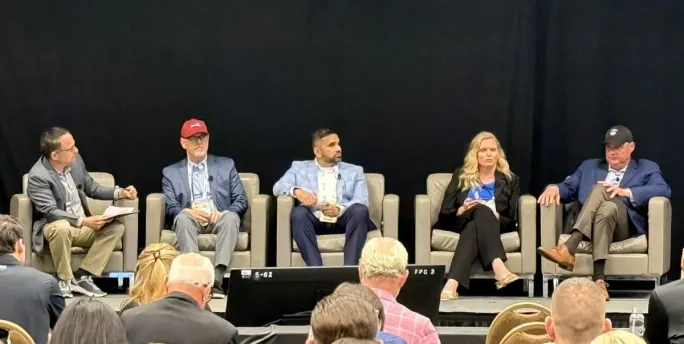
From left: Chris Brown of Automotive Fleet (moderator), Tim Mundahl of Merchants Fleet, Charles Mathew of Merchants Fleet, Shelby Simpson of Adrian Steel, and Justin Lambden of Stellantis discuss supply chain strategy during the 2025 NAFA I&E.
From Allocation Crunches to Agile Mindsets
Justin Lambden, national sales manager, large commercial fleet at Stellantis, noted the long-term positives that emerged from the crisis. “We collaborated more closely with fleets than ever before, and I think that made the relationships stronger,” he said.
He stressed that proactive communication — particularly around vehicle availability and production forecasting — has become essential.
Tim Mundahl, director of fleet consulting at Merchants Fleet, added that resilience requires a “continuous planning mindset.” Instead of building one 12- or 18-month plan, “you’re always updating based on what’s changing. It’s not just ‘Plan A.’ You need Plans B and C—financially, operationally, and logistically.”
Flexibility Is the New Standard
Fleet managers are adopting a more modular and adaptive mindset around vehicle specs, platforms, and suppliers. “You have to know your must-haves from your nice-to-haves,” said Mundahl. “That flexibility lets you move when a constraint hits, rather than freeze.”
Working across multiple OEMs and sourcing channels is part of that flexibility, even if it creates more complexity. “Yes, managing more relationships is harder,” said Mundahl. “But it also gives you leverage and options.”
Future-Proofing Means Starting Earlier
Planning ahead is now non-negotiable. “Treat upfitting as a strategic function,” said Simpson. “Don’t wait until your vehicles are serialized to start talking about parts, graphics, or telematics.”
She encouraged milestone tracking as a shared accountability tool between stakeholders. Mathew agreed: “Field-ready means different things to different fleets, but if your timeline doesn’t account for everything from GPS to decals, you’re going to see delays.”
Scenario Planning and Strategic Procurement
Contingency planning now goes beyond vehicle choice. Mathew advised fleets to categorize vehicle selectors into high-, mid-, and low-risk groups, so alternate plans can be activated quickly.
He also emphasized the importance of building out your network. “Obviously working with your OEM partners is key, but also your dealers,” he said. “You may have to tap into your national dealers because they may be able to fulfill some of your immediate requests.”
Advice for New Fleet Managers
The session closed with a moving moment: a new fleet manager in the audience asked how to find support in such a complex environment. “Raise your hand and find a mentor,” said Lambden, who encouraged the room to stand if they were willing to help. Dozens did.
“This is the biggest small industry I’ve ever seen,” he added. “You’re not in it alone.”
Subscribe to Our Newsletter
More State of the Fleet Industry
Is the Future of U.S. Fleets Already Unfolding Overseas?
Fleet Forward Conference keynote speaker John Rossant examines how AI, autonomy, and electrification are converging, and why developments in China, Europe, and the Middle East could preview what’s coming for U.S. fleets.
Read More →
Fleet Meets: Amy McAdams
In this edition of Fleet Meets, Amy McAdams shares how an unexpected career move led to more than 15 years in fleet.
Read More →
From Tactical to Strategic: A Fleet Manager's First 90 Days
The first 90 days as a fleet manager can be daunting, and the role has changed a lot over the years. What's important now?
Read More →
Fleet Industry Mourns the Passing of Donna Bibbo
Fleet leader Donna Bibbo passed away after a long battle with uterine cancer and a failing heart.
Read More →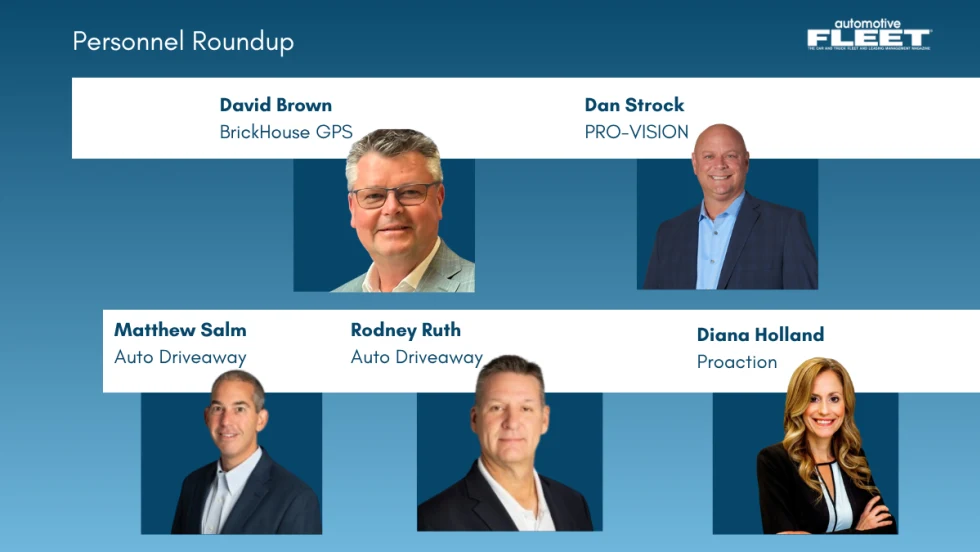
Personnel Update: BrickHouse GPS, PRO-VISION, Auto Driveaway, and Proaction
Check out the latest must-know fleet personnel updates from the last couple of months.
Read More →
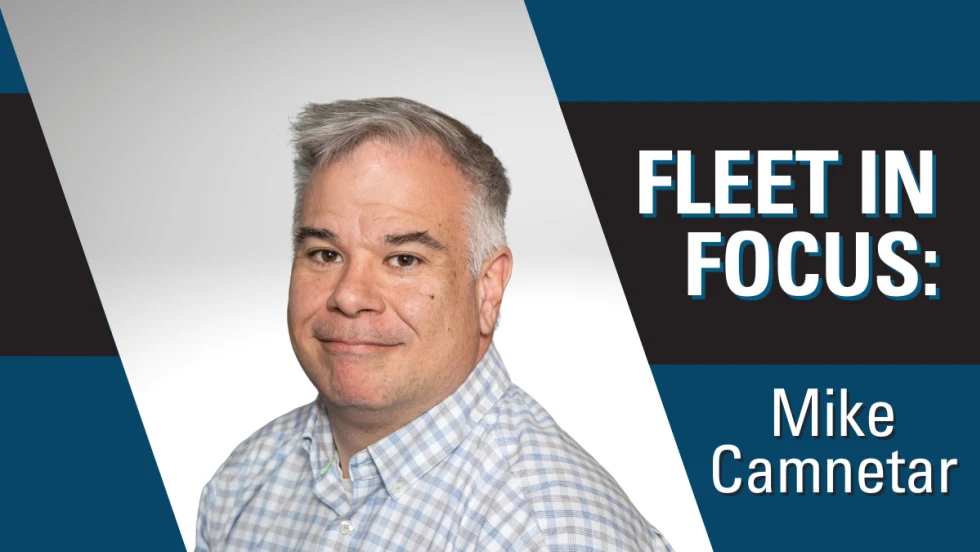
‘Mike Just Gives Cars to People’ — And Other Misconceptions Fleet Managers Need to Fix
Most organizations misunderstand fleet. The best managers make sure that doesn’t happen.
Read More →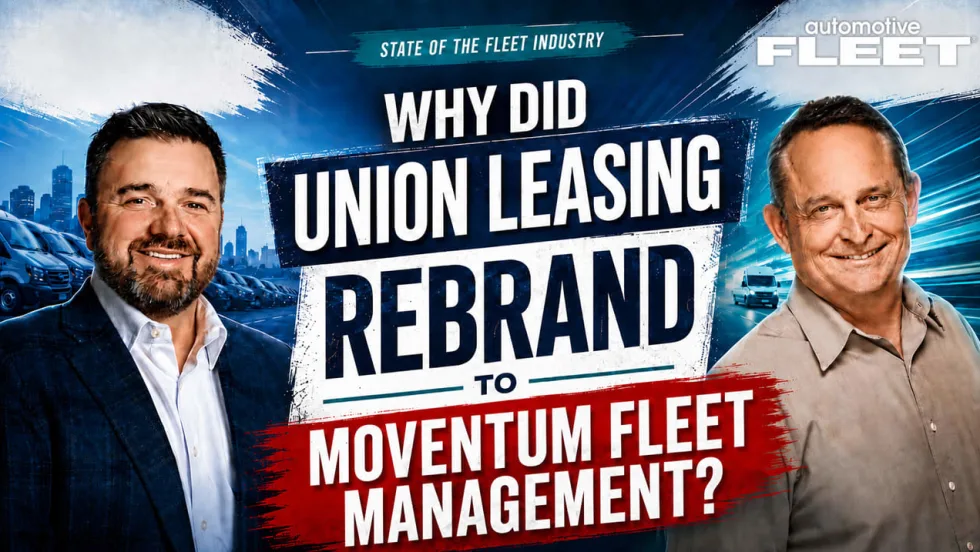
Why Union Leasing Rebranded to Moventum Fleet Management
Mark Hogland discusses Union Leasing’s transition to Moventum Fleet Management and how the rebrand reflects the company’s growing focus on strategic fleet management and lifecycle support.
Read More →
From Storm Response to Data Strategy: Fleet Trends to Watch | AF News Recap
In this AF news recap, host Faith Howell covers this week's most pressing industry updates.
Read More →
Report: 36% of Fleet Managers Are Delaying Replacements
Element’s 2026 Market Pulse Report finds fleets are slowing replacement cycles amid tariffs, economic uncertainty, and rising costs.
Read More →