




Creating an Eye-Catching Vehicle Wrap (Without Going Overboard)
Featuring a photo so detailed it reveals a mosquito's hairs, this startup mosquito pest control company's vehicle wrap stands out on the road, helping to market its brand and business.

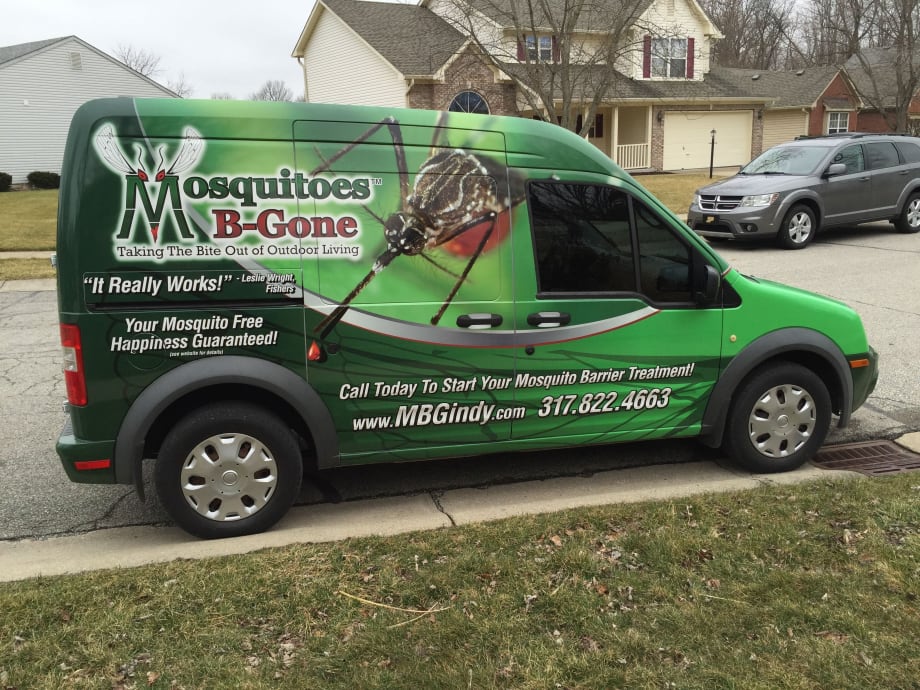
Mosquitoes B-Gone's vehicle wrap includes bright colors, mosquito graphics, and text such as its slogan, website, and phone number. Photo courtesy of Mosquitoes B-Gone.
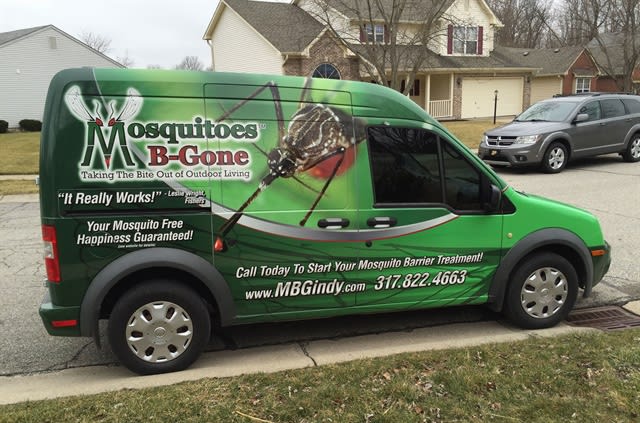
Mosquitoes B-Gone's vehicle wrap includes bright colors, mosquito graphics, and text such as its slogan, website, and phone number. Photo courtesy of Mosquitoes B-Gone.
In his second year of business, David Simons continues to focus on different ways to market his new mosquito control company. So far, he has redesigned the website, created yard signs, and advertised in the local weekly newspaper.
But the company’s vehicle wrap has helped gain even more exposure by catching people’s attention while driving on the road.
“Our Ford Transit Connect’s wrap is great,” says Simons, owner of Mosquitoes B-Gone. “We drive the van around even during non-business hours. It’s helping get the word out about our brand.”
Simons chose CSI Signs in Noblesville, Ind., to design the wrap on his Ford Transit Connect fleet van. When designing a vehicle wrap, it’s important to create something that stands out without going overboard.
“Less is more when creating a vehicle wrap,” says Chad Huff, owner of CSI Signs. “Don’t overcrowd it. When on the road, you usually only have a few seconds for people to typically read a vehicle wrap.”
Serving Hamilton County in Central Indiana, Mosquitoes B-Gone started operating its mosquito control service last summer. Currently, the company operates with one Ford Transit Connect, but it’s planning to add another van once it hires another technician for its second summer season.
“I started by servicing my house,” says Simons. “The mosquito spray worked so well that my wife and I decided to open up our own business. Because mosquitoes go dormant in the winter, we operate from the end of April through mid to late October.”
Wrap Process
When working with CSI Signs, Simons knew that he wanted a photo of a mosquito as part of the vehicle wrap. He found a close-up photo where the hairs on its legs are even visible.
“We recommend that people bring in photos of what they want on their vehicle wrap,” says Huff. “Simons’ photo gave the designers an idea of the type of mosquito he wanted on the van.”
Typically, CSI Signs will first meet with clients to learn more about their needs and budget. Designers will then discuss the design process and the types of materials used. Instead of using a pre-built online car template, designers will take photos of all sides of the vehicle and build a template using the customer’s car, according to Huff.
“We print out the photos and start getting measurements of the vehicle,” says Huff. “That way, we know where things will fall on the vehicle and a word won’t get cut off by a door handle.”
Once the measurements are taken, CSI Signs starts working on the wrap’s design. Then the graphics are printed. For Simons' van, it took four to five hours to print the graphics and add a laminate that helps protect the wrap from UV rays, according to Huff.
“Once everything is done in production, we install the wrap,” says Huff. “The installation process includes cleaning the vehicle, smoothing out the vinyl wrap, and trimming out door handles and cutting door seams so doors can open. It takes about eight hours for two installers to work on a van.”
Mosquitoes B-Gone’s van went from solid white to a bright and bold wrap featuring different shades of green, mosquito graphics, a company logo, and text including its phone number, website, and slogan “Taking the bite out of outdoor living.”
“If you are trying to drum out business, you want a wrap that’s bright and loud,” says Huff. “Because a vehicle is always moving, people need to be able to read the wrap far away and fast.”
Originally posted on Work Truck Online
More Vehicle Research
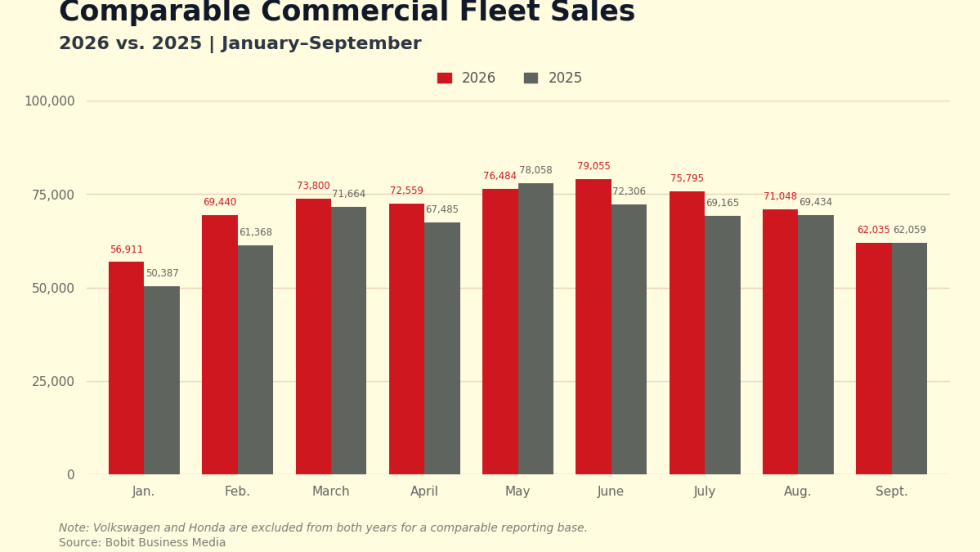
Commercial Fleet Sales Rise 5.8% Through September 2026
September commercial fleet sales were essentially unchanged from a year earlier, slowing year-to-date growth while keeping volume ahead of 2025.
Read More →
Hall of Fame Inductee: John Dmochowsky
The longtime Mondelēz International fleet executive joins the Automotive Fleet Hall of Fame.
Read More →
Hall of Fame Inductee: Lee Miller
After more than four decades at Boehringer Ingelheim, Lee Miller leaves a legacy built on fleet expertise.
Read More →
Hall of Fame Inductee: Mark F. Petersen
From managing fleets of thousands of vehicles to advancing safety and mentoring fellow professionals, Mark F. Petersen made his mark across both the corporate and supplier sides of fleet.
Read More →
When Charger Downtime Becomes a Fleet Availability Problem
As EV deployments move beyond pilot programs, charger reliability can directly affect vehicle readiness, driver productivity and route scheduling.
Read More →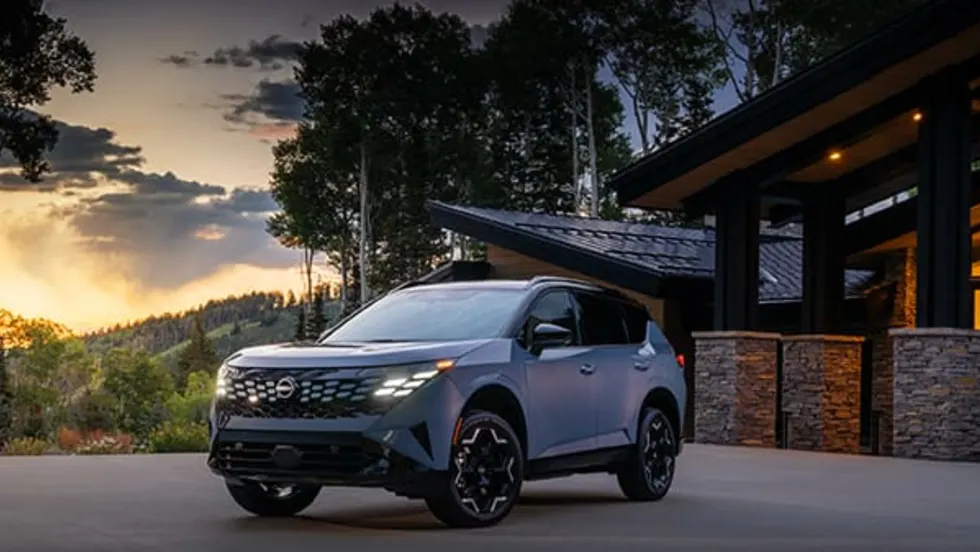
2027 Nissan Rogue Hybrid Adds e-POWER, Standard AWD
The new Rogue Hybrid uses Nissan’s e-POWER system with dual electric motors, offers an estimated 40 mpg and starts at $35,490.
Read More →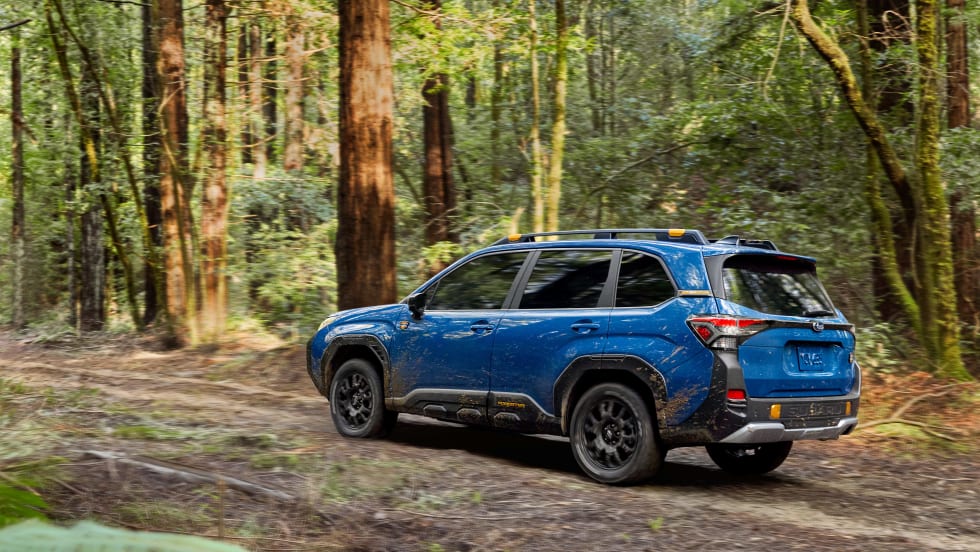
2027 Subaru Forester Adds First Wilderness Hybrid
The 2027 Forester lineup starts at $29,995 and adds a Wilderness Hybrid with 194 combined horsepower and 9.3 inches of ground clearance.
Read More →
EV Realty Names Henrik Holland President as Charging Platform Expands
The former Prologis Mobility and Shell executive will help expand EV Realty’s truck charging business and move its power-first infrastructure model into autonomous vehicle depots and other fleet sectors.
Read More →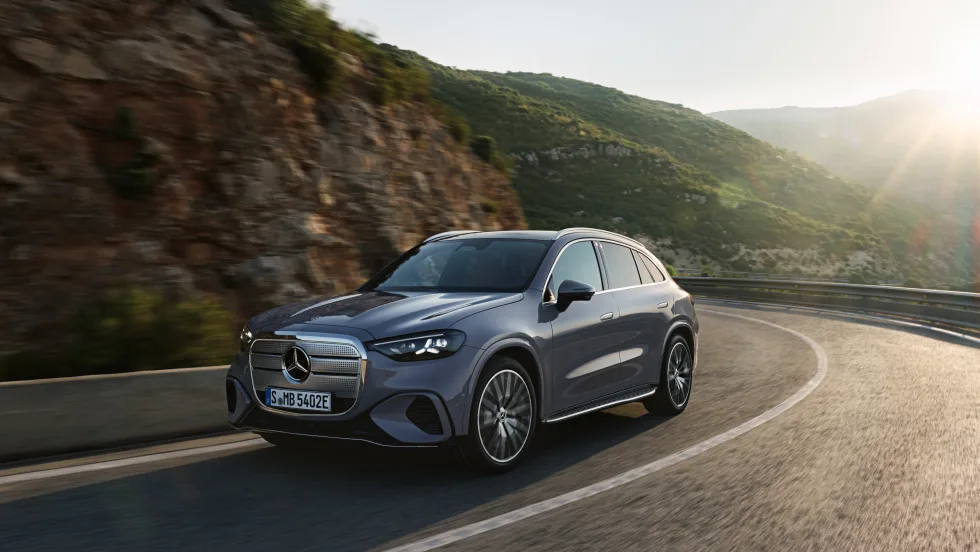
Mercedes-Benz Introduces Electric GLC With Up to 350 Miles of Range
The GLC 400 4MATIC Electric features an 800-volt architecture, 330-kW DC fast charging and a 94-kWh battery, along with Mercedes-Benz's new MB.OS operating system.
Read More →
Fleet Has a Talent Pipeline Problem, not a Talent Problem
Where will the next generation of fleet leaders come from, and what does the industry need to do differently to find them?
Read More →