





Related: Electric Shock!
Stay Out of My Lane
Let’s get a framework in place and a legislative plan that allows us to develop autonomous vehicle technologies without putting lives at risk in the short term.
December 19, 2019
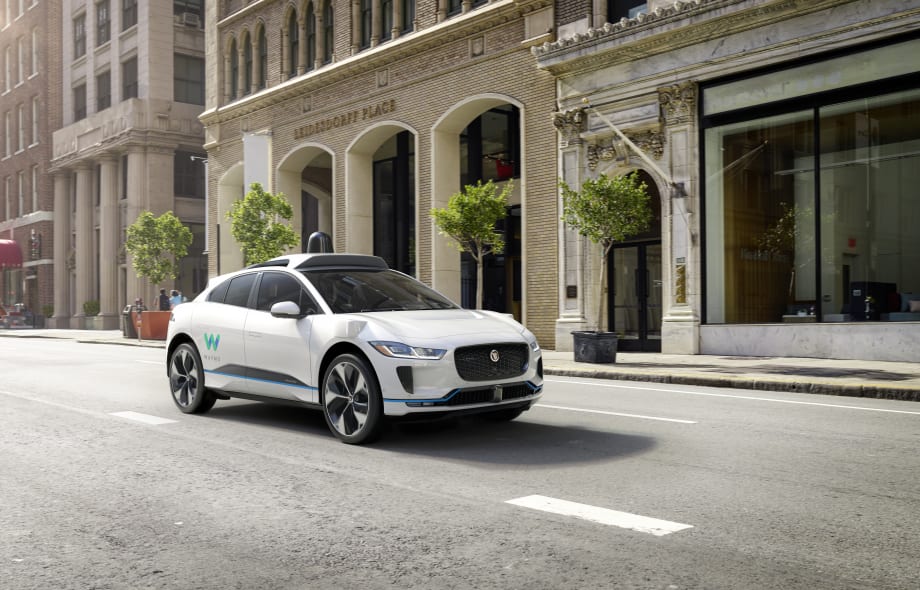
Photo of Waymo's fully self-driving Jaguar I-PACE electric SUV 3.
Photo via Waymo.
3 min to read
We’ve got another great year of light-and medium-duty sales in our rearview mirror as 2019 comes in with another 17 million plus units sold in the U.S. Everyone wants to buy trucks, vans, and SUVs. Regulators, legislators, and investors on the other hand would prefer that everyone buy an autonomous electric vehicle of some sort.
We’ve got a hodgepodge of lawmakers, bloggers, and visionaries that want to argue over every carbon atom to protect humanity but they all seem perfectly content to let a bunch of over-confident early adopters use our public roads to beta test new autonomous vehicle tech.
Meanwhile, the alphabet soup of agencies involved in the autonomous vehicle space all seem perfectly happy to abdicate all responsibility to anyone who wants to take it. The individual states don’t seem to have any sense of urgency to regulate this new (and potentially very dangerous) technology.
The federal government seems to be even less interested in protecting drivers and pedestrians. We’ve got an arms race going on between the tech companies, the OEMs, and some third party software providers to develop a usable autonomous platform but no one is in charge and no one is anywhere close to finding the holy grail of tech solutions to make this viable.
We’ve got some very interesting Level 2 and Level 3 products available today. We’ve also got some OEMs grossly overselling the capabilities of their own systems and lulling drivers into a false sense of security. It should be clear to anyone who sees the news that we’re not ready for Level 4 autonomy. We’re not even close.
There is so much work to do to smarten up the grid, improve vehicle-to-vehicle communication, and improve LIDAR or radar. At a minimum, let’s make sure these systems can identify a stalled vehicle or a parked fire engine on a freeway before we assume they are ready for prime time.
It’s time for Washington to step up and take a lead here. There aren’t many times I’ve thought the government was the answer to any problem we have, but this area seems to be begging for more intervention. I know I’ll feel a lot safer driving to work without having to look over at people sleeping or reading on their phone while their “autopilot” does all the work. I’ll feel a lot safer when those technologies are properly labeled and only available for usage in specific areas while they finish beta testing and working out the kinks.
Hopefully areas where I’m not for the next few years. Autonomous vehicles are going to be a great productivity boost for everyone and a great way to reduce accidents and save lives. But let’s get a framework in place and a legislative plan that allows us to develop those technologies without putting lives at risk in the short term.
Subscribe to Our Newsletter
More Blog Posts

Getting a PhD in Fleet
COVID-19 has changed how fleets connect with each other but that doesn’t mean you have to give up the opportunity to grow, learn, and get better at managing your fleet.
Read More →
All Charged Up
There is an avalanche of new electric vehicles slated to hit the market in the next couple years. There are over 100 new models slated to hit by 2022 from the Big Three, the major imports, and from a lot of new start-ups.
Read More →
Fleet on the Rebound
Most of the key players in the fleet market are either stuck at home or working in an office but unable to travel. So we’re changing our business model to help maintain the flow of information until things get back to the way they were.
Read More →
Undertaking the Complexities of Fleet
Staying on top of industry trends to keep up with the intricacies of fleet can be a full-time job all by itself, and to be a top performing fleet requires a little forward thinking and anticipation.
Read More →
The Real Transportation Revolution
The fleet market is leading the charge on making real gains in efficiency and safety with telematics, in-cab video, and safety technologies that are available today.
Read More →
Wrapping Up Another Year
Thanks to the strong economy that the U.S. is enjoying, U.S. commercial companies have been able to invest more money into their fleets, and strong fleet sales are a reflection of that.
Read More →
AFLA's New Canadian Conference Continues Growth Tradition
Fleets know how valuable of a resource that AFLA conferences can be, and the upcoming summit in Canada will serve as another wealth of knowledge that the association has delivered for decades.
Read More →
The Next Chapter
It’s impossible to attend great fleet events like AFLA and not get caught up in why is has helped make the industry so great, but equally exciting is seeing how much the association is ready to take on the evolving industry that is fleet.
Read More →
Fleet Ground Zero
You are missing out on some potentially game changing information when you don’t get out to meet regularly with your peers.
Read More →The $500 Car
If you are like most fleet managers, you establish a depreciation schedule when you put your vehicles in service and probably never think about it again until it’s time to pull it out of service and send it to auction. Maybe it’s time you took a more active view toward managing depreciation.
Read More →