The recall affects 42K 2010-2012 vehicles that are vulnerable to fuel tank problems if spiders weave webs in the evaporative canister vent hose.
by Staff
April 4, 2014
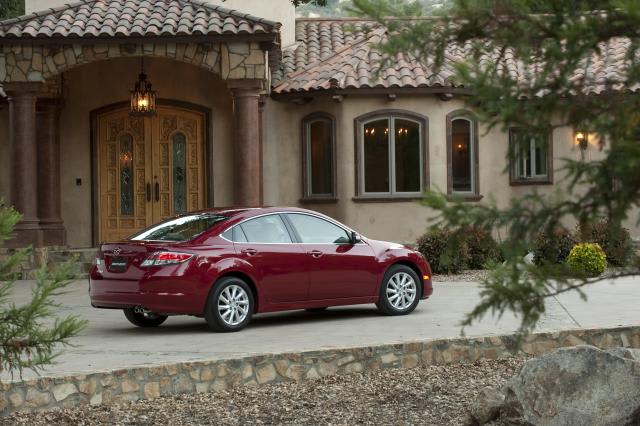
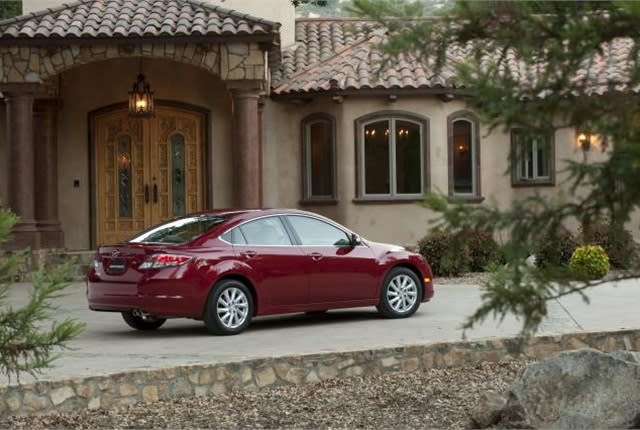
2012 Mazda6 photo courtesy of Mazda.
1 min to read
2012 Mazda6 photo courtesy of Mazda.
Mazda North America Operations is recalling 42,000 2010-2012 model-year Mazda6 vehicles so that dealers can take steps to protect the fuel tank from a pesky pest – spiders.
If spiders weave webs in the evaporative canister vent hose, the resulting blockage might cause the fuel tank to have an excessive amount of negative pressure. This, in turn, could cause the fuel tank to crack and leak fuel, posing a fire risk, the National Highway Traffic Safety Administration reports.
Ad Loading...
The recall affects Mazda6 cars manufactured from Sept. 14, 2009, through May 2, 2011, and equipped with a 2.5L engine.
To resolve the problem, Mazda dealers will reprogram the powertrain control module and inspect and clean the canister vent line. If they find a spider web in the line, they will replace the fuel tank and check valve on the canister vent line.
Dealers will complete these repairs free of charge. The recall is expected to begin this month.
Vehicle owners can reach Mazda at 1-800-222-5500. The automaker's recall number for this campaign is 7214C.
Distracted driving remains one of the most persistent risks in fleet operations. New approaches focus on removing mobile device use entirely while adding real-time safety support.
As distraction risks evolve, fleets are turning to smarter, more connected technologies to better understand what’s happening behind the wheel. Part 2 explores how these tools are helping identify risky behaviors and improve visibility across operations.
Distracted driving is often measured by what we can see—phones in hand, eyes off the road. But what about the distractions we can’t? A recent incident raises a bigger question about awareness, attention, and why subtle risks so often go unnoticed.
Fleets have more driver data than ever, so why isn't behavior changing? Training requires more than reports and coaching — it requires real-world practice.
A two-part conversation with Stefan Heck on how AI is transforming the fight against distracted driving. As fleets adopt smarter tools, the focus shifts from reacting to preventing risk. In Part 1, we look at where AI is making an impact for fleets today.
An 11% drop in pedestrian fatalities in early 2025 signals progress in U.S. road safety, but elevated death rates and ongoing risks underscore the need for continued action from fleets and policymakers.