





Related: Navigating Sustainability: Pros & Cons of Clean Fleet Technologies
Do More with the Fleet You Already Have
Small operational shifts, such as cutting five minutes per stop and increasing route density, can reduce fleet miles and contribute to sustainability goals.
March 26, 2026
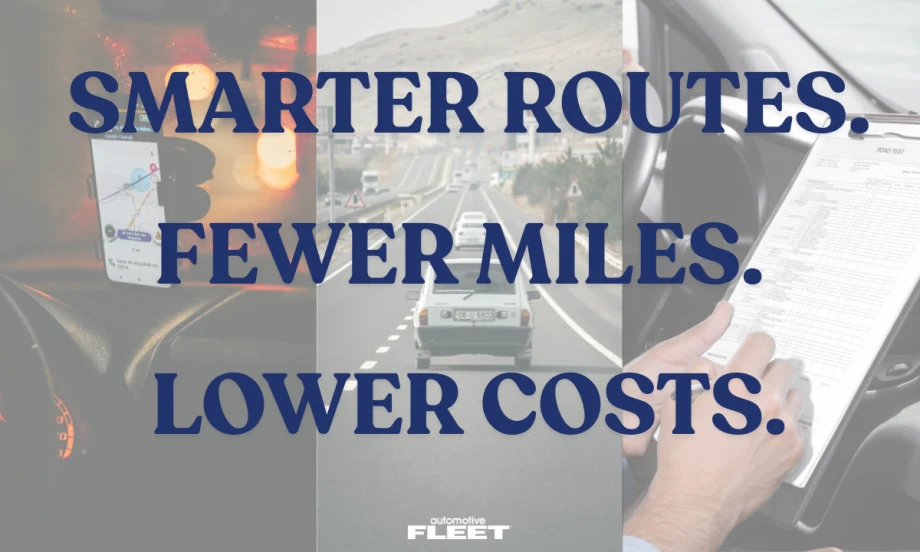
Better use of existing fleet resources is helping fleet managers cut costs, reduce miles, and unlock hidden efficiency gains without adding vehicles.
Credit: Automotive Fleet
4 min to read
The new mantra for fleets in 2026 is “efficiency drives sustainability,” and some surprisingly effective gains can come from tightening existing procedures.
One area to examine is route optimization and the use of vehicles, time, and resources.
Use the Fleet That You Have
There are many efficiency gains to be realized by examining your existing fleet, said Jeb Lopez, owner and CEO of Wheelz Up, a last-mile delivery company.
“Our objective is maximizing utilization rather than fleet growth, especially given that vehicle costs have risen significantly,” said Lopez.
Wheelz Up uses a mix of full-size high-roof cargo vans for bulky parts deliveries, and smaller vans like Ford Transit Connects for lighter routes. “We evaluate hours in service and route productivity before considering adding vehicles, often reallocating assets instead of expanding,” Lopez said.
Jason Johnson, director of strategic partnerships for Route4Me, a cloud-based route-planning and optimization software company, said that many fleets can benefit from reallocating vehicles rather than adding new ones, especially when fleets are mismatched or routes are unevenly distributed. Underused vehicles create hidden inefficiencies that can fly under the radar for managers.
Many fleets have unused capacity — they just can’t see it yet.
Minutes Matter More Than Miles
Reducing miles is important. Even more important? Reducing time on site.
Time on site is more often the biggest source of hidden inefficiency. Johnson described small on-site reductions leading to larger payoffs, as they can have a significant effect on the overall route. For example, reducing stop times from 25 minutes to 20 minutes can create meaningful savings when multiplied across entire routes.
Lopez agreed. He emphasized the importance of tracking dwell time, noting that even a 15-minute stop discipline can improve overall route discipline and productivity.
Saving minutes per stop can eliminate entire routes.
Build Smarter Routes, Not Just Shorter Ones
Route optimization isn’t just about reducing distance – it’s also about increasing productivity.
One of the most effective ways to improve efficiency and overall productivity is to increase route density or the number of stops within a given route.
This strategy results in fewer vehicles in use. “Radius planning” also plays a large role by assigning drivers to specific regions to avoid overlap, going hand in hand with reducing deadhead trips and unproductive travel, which adds fuel costs and time.
Johnson described this approach as multidimensional, taking into account time, workload, and miles. Ultimately, the goal isn’t shorter routes, it’s more productive ones – and safer.
“The safest mile is the one you don’t drive,” said Johnson.
Enroll Your Best Drivers
The most productive route plan possible won’t mean much if it isn’t executed well in real time.
Telematics data can help. Fleet managers can evaluate their planned routes compared to actual driver behavior. Johnson noted that using routing platforms can help determine where inefficiencies arise. Is it the route or the driver?
Analyzing the top drivers who run the most efficient routes is a sure way to institutionalize the best methods across the rest of the fleet.
According to Johnson, several metrics help identify the top-performing drivers:
Route adherence: the degree to which the driver follows the planned route.
Timely arrivals: whether the driver consistently meets estimated arrival times.
Fuel efficiency:minimizing idle time and unnecessary miles.
Customer feedback: service quality reflected in customer reviews.
Safety metrics: incidents, harsh braking events, or other safety indicators.
Managers can coach drivers using data and scale behavior change through in-app route playback and performance incentives.
Ide Reduction Pays
Idle reduction is another metric. Lopez said that Wheelz Up uses weekly driver scorecards to help coach behaviors such as unnecessary idling and warm-up practices. Ultimately, the best routing plan only works if the driver does it well.
“We also coach drivers to understand that modern vans do not require extended warm-ups; in the winter, we encourage warming up inside the warehouse rather than in the parking lot,” said Lopez. “Through weekly driver scorecards and conversations, we emphasize how reducing idling lowers fuel costs, maintenance wear, and insurance exposure.”
Small Operational Fixes Add Up
Small operational adjustments deliver measurable gains for fleets.
For example, fueling at the end of the day rather than during routes can eliminate detours and unnecessary miles, especially if fuel stops are planned in advance. Territory planning also reduces overlap between drivers and redundant miles.
Improved communication between drivers and managers can also provide more accurate ETAs instead of delivery windows. This can reduce both wait time and idle time.
Efficiency First, Sustainability Follows
The most effective sustainability gains – fewer miles, less fuel consumption, and lower costs – are already within a fleet’s control.
“Sustainability in last-mile delivery starts with operational discipline: tighter routes, shorter dwell times, less idling, and smarter asset deployment. Fewer miles and less fuel lead to lower costs and lower emissions.
This remains the fastest path to sustainable logistics, even as we look forward to future advances in robotics and autonomous driving,” said Lopez.
Subscribe to Our Newsletter
More Vehicle Research
When Charger Downtime Becomes a Fleet Availability Problem
As EV deployments move beyond pilot programs, charger reliability can directly affect vehicle readiness, driver productivity and route scheduling.
Read More →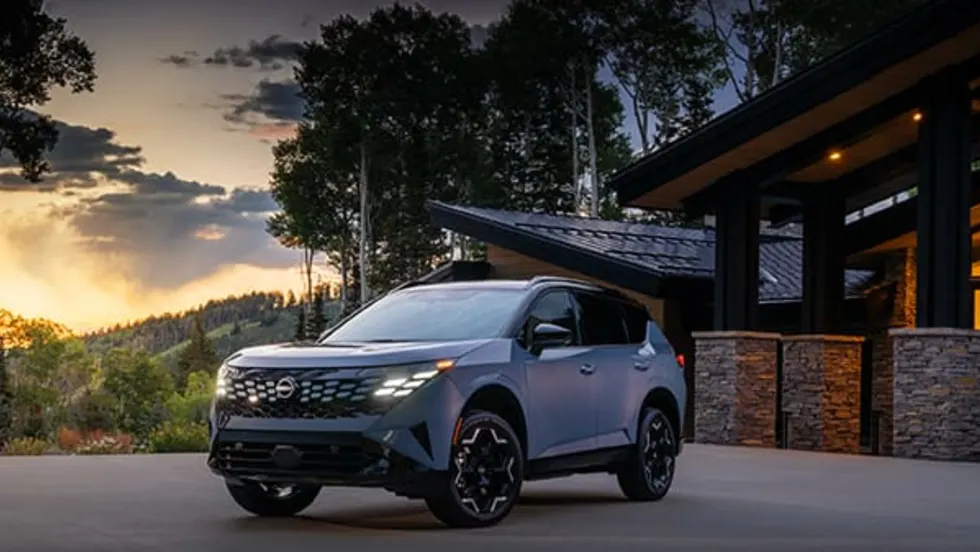
2027 Nissan Rogue Hybrid Adds e-POWER, Standard AWD
The new Rogue Hybrid uses Nissan’s e-POWER system with dual electric motors, offers an estimated 40 mpg and starts at $35,490.
Read More →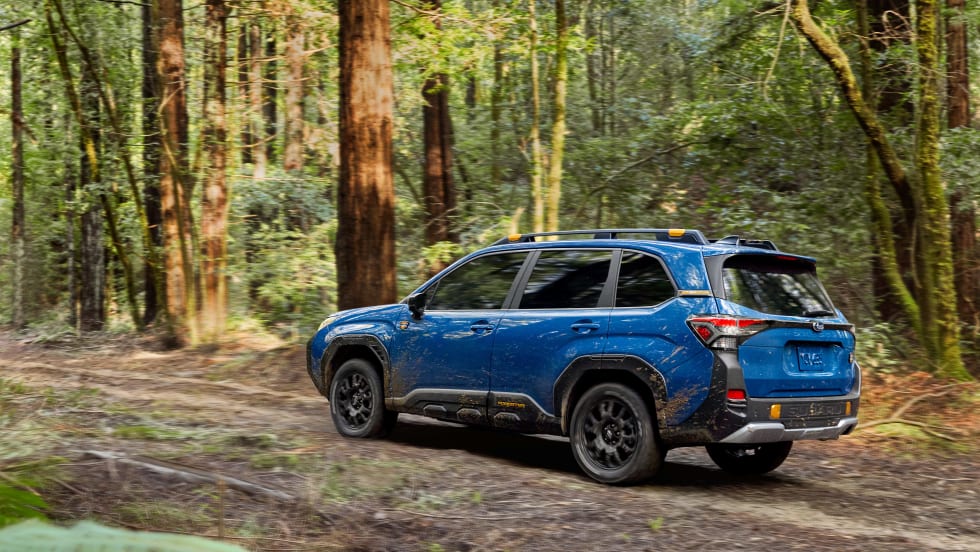
2027 Subaru Forester Adds First Wilderness Hybrid
The 2027 Forester lineup starts at $29,995 and adds a Wilderness Hybrid with 194 combined horsepower and 9.3 inches of ground clearance.
Read More →
EV Realty Names Henrik Holland President as Charging Platform Expands
The former Prologis Mobility and Shell executive will help expand EV Realty’s truck charging business and move its power-first infrastructure model into autonomous vehicle depots and other fleet sectors.
Read More →
Mercedes-Benz Introduces Electric GLC With Up to 350 Miles of Range
The GLC 400 4MATIC Electric features an 800-volt architecture, 330-kW DC fast charging and a 94-kWh battery, along with Mercedes-Benz's new MB.OS operating system.
Read More →
Fleet Has a Talent Pipeline Problem, not a Talent Problem
Where will the next generation of fleet leaders come from, and what does the industry need to do differently to find them?
Read More →
Fleet Hacks: What Are You Still Doing Manually?
From daily recaps to repeatable workflows, fleet professionals share how AI can cut through busywork while keeping human judgment at the center.
Read More →
How One Fleet Manager Put a New Spin on Safety Training
Joe Lewis turned a pre-trip inspection lesson into an AI-assisted song, then four safety albums. The experiment also revealed why human oversight matters when AI enters driver training.
Read More →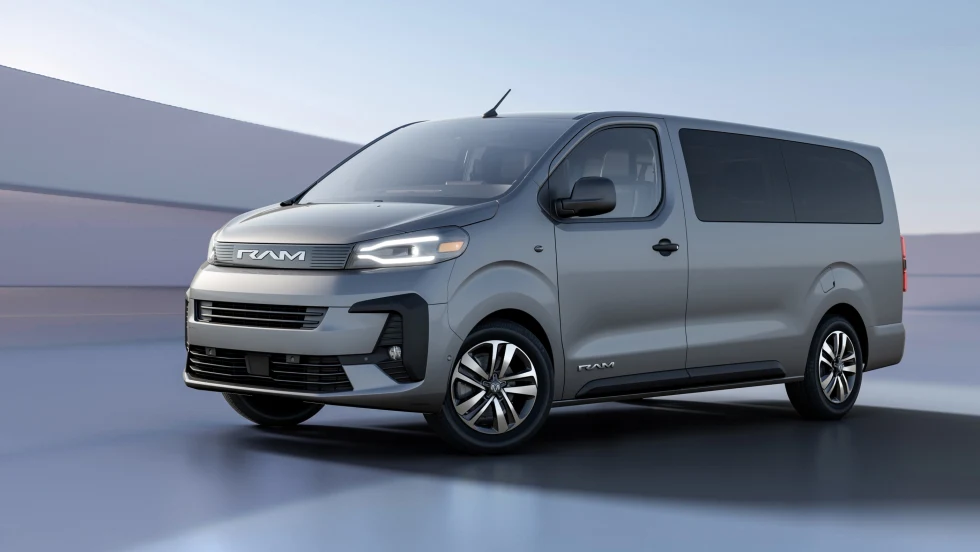
2027 Ram ProMaster City Starts Under $40K
Ram is returning to the smaller commercial van market with a new ProMaster City aimed at delivery, service, trade, and passenger applications. Starting at $39,995 with destination, the 2027 van offers up to 2,000 pounds of towing capacity, more than 2,000 pounds of payload, and multiple cargo and passenger configurations.
Read More →
New Tariff Threats & a Leadership Change at Wheels | AF News Recap
A new tariff threat is creating more uncertainty for fleet ordering, Wheels has named a new president, and we’re asking whether certification is really worth the investment.
Read More →