





Related: What Fleet Managers Should Demand from Their Technology Partners in 2026
The Cart is Pulling the Horse
Here's why software features shouldn’t be allowed to dictate your business goals.
January 7, 2026
When software features lead instead of follow strategy, the cart starts pulling the horse. Smart fleet leaders define objectives first, then choose technology that supports them.
Image: Automotive Fleet
3 min to read
As we start the year and balance budgets with objectives once again, I am reminded that not all features being released in the software I subscribe to actually serve my objectives. New software features are often heralded as opportunities for a business to improve its bottom line, yet they can also distract users from their stated business goals. In other words, the cart is pulling the horse.
Before the word telematics was used in fleet management, the industry simply used the term Track & Trace. Providers focused primarily on GPS technology to report a vehicle's location and time. In 2003, there were three industry leaders: Omnitracs and PeopleNet at the top, each with more than 750,000 connected trucks, and @Road in third place with approximately 250,000 connected vehicles.
@Road blanketed the business fleet service industry, including HVAC and plumbing, where the leading use case for GPS providers was to track employee whereabouts and trace trips, often to identify moonlighting with company vehicles during evenings and weekends. The value proposition was simple to understand, monitor, and calculate payback.
For most of the last 25 years in fleet software, buyers were firmly in control. Business solutions relied heavily on devices installed in vehicles, requiring capital expenditures and ongoing operating expenses. This reality demanded significant due diligence, with contracts often running three years or longer to justify the investment.
We are now in the era of cloud-based software and data collection. From the vehicles we purchase to the smartphones, cellular connectivity, and internet access we subscribe to, it is all about software and subscriptions.
When trying new tools is as simple as a shopping-cart checkout on a touchscreen, it feels to me like we need a moment to check our unbridled enthusiasm for shiny new objects and ensure we remain focused on purpose. Of course, we must first ensure that any software we try is approved for cybersecurity and personal-privacy considerations.
Is it wise to dabble in the art of the possible? I think the answer is yes. The features included in the software you add to your cart may help you solve problems you had not previously considered. For example, an AI agent might analyze your data and proactively suggest actions to improve fuel efficiency or enhance employee safety. When presented with these options, you decide which (if any) to pursue.
Do these suggestions reflect your stated business objectives? Perhaps not. Do they represent real opportunities for improvement? Absolutely.
What matters most is having your business objectives clearly written before you begin dabbling. Remember, you are the thoroughbred, and you are accountable to your organization and its stakeholders.
Lesson learned: Use your software shopping cart wisely. Try before you buy. Ensure that what you experiment with is genuinely helping you achieve your stated objectives for the year. Avoid scope creep, where the software defines your objectives for you.
Note to readers: Throughout 2026, I’ll be sharing excerpts from my upcoming book, My 25-Year History with Telematics. Chapter 1 is included in the Bobit Business Media 2026 Fleet Fact Book, now available for purchase on Amazon.
Subscribe to Our Newsletter
More Blog Posts

AI Is the Trojan Horse
The greatest risk of AI isn't what it knows. It's what we stop doing ourselves.
Read More →
Is This Theft Disguised as Training?
If AI is still “training,” why is it already publishing, summarizing, and profiting from the work of creators? In this provocative Insight Lane column, Colin Sutherland challenges the industry’s most convenient narrative—and asks a simple question: when does training become extraction, and why is credit still optional?
Read More →
How China Quietly Reduced Its Dependence on Oil (And What Fleets Should Learn)
China didn’t just bet on EVs. It used them to cut oil dependence at scale. Here’s what that strategy reveals and why smart fleets should be paying attention.
Read More →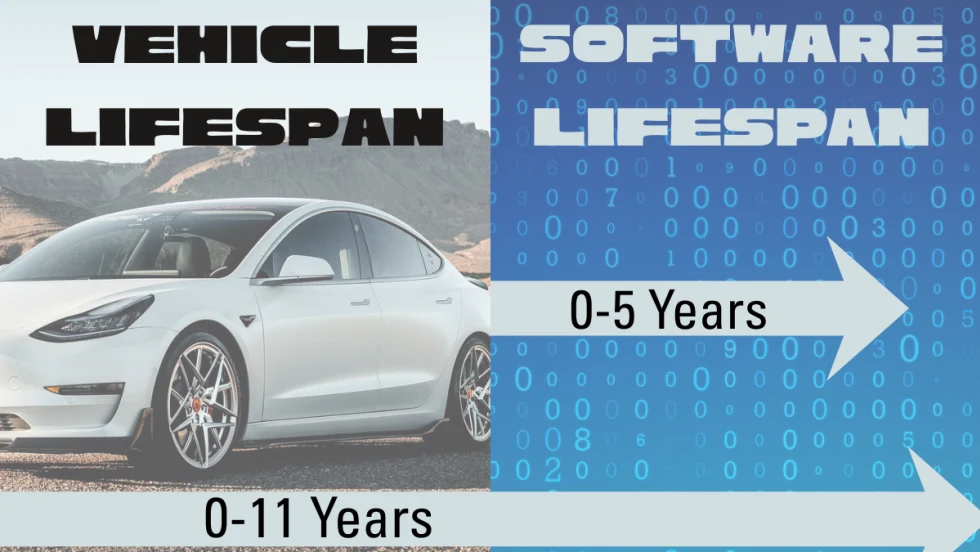
When Cars Stop Updating but Don’t Stop Driving
When the US’s largest EV manufacturer discontinues a model, it gives me pause to consider the software that drives it.
Read More →
The Story of 2025: Outsourcing Accountability
The fleet world has been transformed by technology, so a choice must be made: how do we discern when to use AI and when not to?
Read More →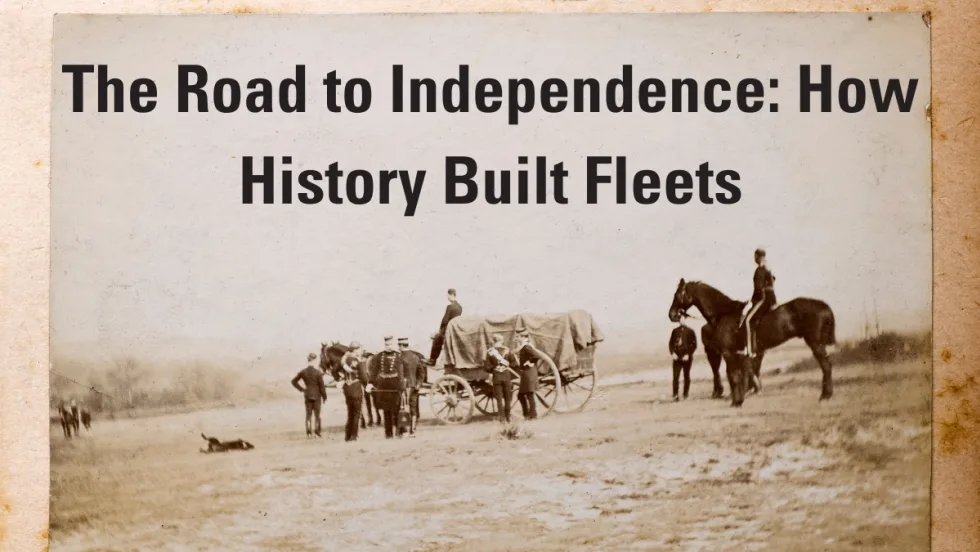
The 250-Year-Old Fleet Manager: Quartermasters & Wagon Masters of the American Revolution
“Fleet manager” wasn’t a title then, but Quartermasters and Wagon Masters lived the job on the road to independence.
Read More →
The New Reality of Disaster Preparedness
When disaster strikes, every second matters. From must-have Grab & Go essentials to lessons the fleet community is sharing right now, this piece explores what real preparedness looks like and why waiting until the last minute is no longer an option.
Read More →