




Automotive Remarketing Industry: 8 Trends to Watch for 2025
The used car market remains strong. But with off-lease EVs hitting the market, used car prices adjusting, and policy shifts on the horizon, industry players need a new strategy.
March 21, 2025

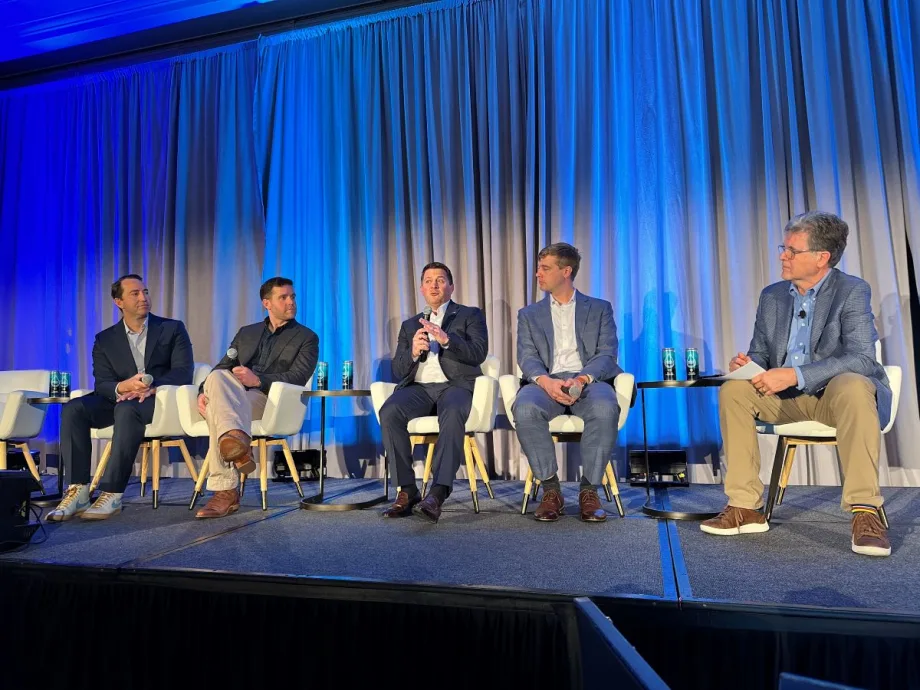
Jeremy Robb of Cox Automotive (speaking) pointed out that high interest rates and inflation are creating a deeper divide between high- and low-income buyers.
Photo: Chris Brown
5 min to read
The 2025 Conference of Automotive Remarketing (CAR), held March 18-20 in San Diego, annually brings together consignors, auctions, dealers, and remarketing companies to discuss the state of automotive remarketing and the automotive market in general.
I was only able to attend on Wednesday, but from the sessions I attended, I gleaned a host of trends in the shifting economic conditions, affordability challenges, fleet sales, and EV remarketing challenges in the used vehicle landscape.
Here are eight takeaways shaping the industry right now.
A Wave of Off-Lease EVs is Coming — Is the Market Ready?
The used EV market is about to experience a surge, driven by high lease rates since 2023 and expiring federal incentives. "Six percent of all lease returns in 2025 will be battery-electric or plug-in hybrid. Next year, that jumps to 14%," said Scott Case, CEO of Recurrent.
Many of these EV leases were heavily subsidized under Inflation Reduction Act (IRA) incentives, which means original lessees paid significantly less than market rates. As these vehicles flood the used market, their battery condition will outweigh mileage as the key resale factor.
"Battery health is the new odometer in EV remarketing," Case added, emphasizing that buyers are prioritizing battery diagnostics over mileage when evaluating used EVs.
Remarketers and dealers must provide battery condition reports at resale, or they risk a lack of buyer confidence in the growing EV secondary market.
Vehicle Affordability Is a Growing Concern
Rising interest rates, inflation, and higher monthly payments are pricing out many consumers, yet demand remains strong. "Interest rates on used car loans are the highest they’ve been in 25 years. Affordability is the paramount issue," said Jeremy Robb lead economist for Manheim at Cox Automotive.
The average monthly car payment is now $756, up from $590 just five years ago, making new and used vehicles less accessible. Consumers are holding onto their vehicles longer, reducing turnover in the used market and keeping supply tight.
The market continues to show a K-shaped recovery, where luxury and high-end vehicles are selling, but lower-income buyers struggle to find affordable options. "December was a strong month for new car sales, but we saw a surprising drop in February," said Eric Lyman, vice president at Black Book.
As more buyers return to market with negative equity in their trade-ins, pricing pressure on the used vehicle segment will intensify.
Used Car Prices Are Falling, But Remain Historically High
While the post-pandemic used car price bubble is deflating, values are still well above pre-COVID levels. "Used vehicle retention is 28% above 2020 trends but expected to decline by another 15% in the next 18 months," said Forrest Dougan of Openlane.
Dealers are also seeing shrinking profits on both new and used vehicles. On new vehicles, dealer profits are projected to fall from $2,300 per vehicle in 2024 to $1,700 in 2025, according to data presented by Dave Sargent of J.D. Power.
“More high-interest-rate buyers are coming back to market with no equity in their trade-ins,” said Sargent. “This will put additional pressure on used prices and affordability.”
While dealer profits have declined, retail prices remain high due to ongoing supply constraints. A lack of lease returns is further tightening supply, with shortages expected through 2026-2027.
Although used vehicle prices will decline, persistent supply limitations will prevent a dramatic drop.
EV Adoption Slowing Despite More Models on the Market
Despite a growing selection of EV models, sales growth has flattened recently. "There are more EVs on the market than ever, but demand isn’t growing as fast as expected," said Sargent.
While 36 new EV models launched in the past two years, demand remains concentrated in a few key states, such as Colorado, Texas, Florida, and New York. Surprisingly, EV sales in California actually declined year-over-year.
Charging infrastructure remains a major concern for potential EV buyers. "A shocking 19% of public chargers were reported as nonfunctional when EV owners tried to use them," Sargent added. With less than 25% of consumers saying they are “very likely” to buy an EV next, confidence in the market remains shaky.
Concerns about battery degradation and long-term ownership costs continue to deter buyers. "Used EV buyers are scared of battery health because they don’t have experience with it. They worry an EV will die like an old iPhone," said Case.
Without improvements in charging infrastructure and battery transparency, consumer confidence in used EVs will remain low.
Tariffs Would Disrupt Both New and Used Vehicle Pricing
The potential for 25% tariffs on imported vehicles and parts could shrink new vehicle sales by 2.3 million units. "Tariffs will create ripple effects across the industry. Even if a vehicle isn’t directly impacted, automakers will shift pricing strategies, and that will affect both new and used inventory," said John Coles, VP of data science and Analytics at ACV Auctions.
Among the brands most exposed to import tariffs are:
Toyota (48% of U.S. sales from imports)
Chevrolet (58%)
Hyundai (66%)
Rather than just raising prices on tariffed models, automakers are expected to spread the costs across their entire lineup, making even U.S.-built cars more expensive.
Higher new car prices could inflate used car values, disrupting depreciation trends and pushing more buyers into the used market.
Rental Fleets Want More Vehicles, But Supply is Tight
Rental car companies are eager to refresh aging fleets, but competition with retail buyers is limiting access. "Fleet buyers want more vehicles to refresh their aging inventory, but they're competing with retail buyers, making it difficult to secure supply," said Robb.
With rental fleets holding onto vehicles longer, high-mileage units are becoming more common at auction. While new vehicle incentives will help, supply constraints will keep fleet sales below pre-pandemic levels for the foreseeable future.
EV Remarketing Requires a New Approach
Traditional Certified Pre-Owned (CPO) strategies don’t work for EVs — battery condition is now more important than cosmetic repairs. "Confidence in battery life will determine if EV remarketing succeeds or fails," said Case.
To succeed in the used EV market, auctions and dealers must offer:
Battery condition reports for used EVs
New CPO programs focusing on battery health rather than mileage
Education for buyers on range expectations and battery performance
"The used EV market will only grow if consumers trust that batteries will last," Case emphasized.
Market at Crossroads
The remarketing industry is at a crossroads, balancing affordability concerns, EV adoption struggles, policy shifts, and evolving consumer expectations.
Affordability issues will persist, but the used vehicle market remains resilient. EV remarketing must evolve with better diagnostics and consumer education. Tariffs and economic uncertainty could create further volatility in both new and used vehicle pricing.
Dealers, fleet operators, remarketers, and consignors of all types must adapt now to stay ahead of these market shifts.
Subscribe to Our Newsletter
More Blog Posts

How to Win a Fleet Manager Award: Make Your Nomination Count
Strong fleet accomplishments can go unrecognized when the nomination doesn’t make the case. Here’s what judges need to see.
Read More →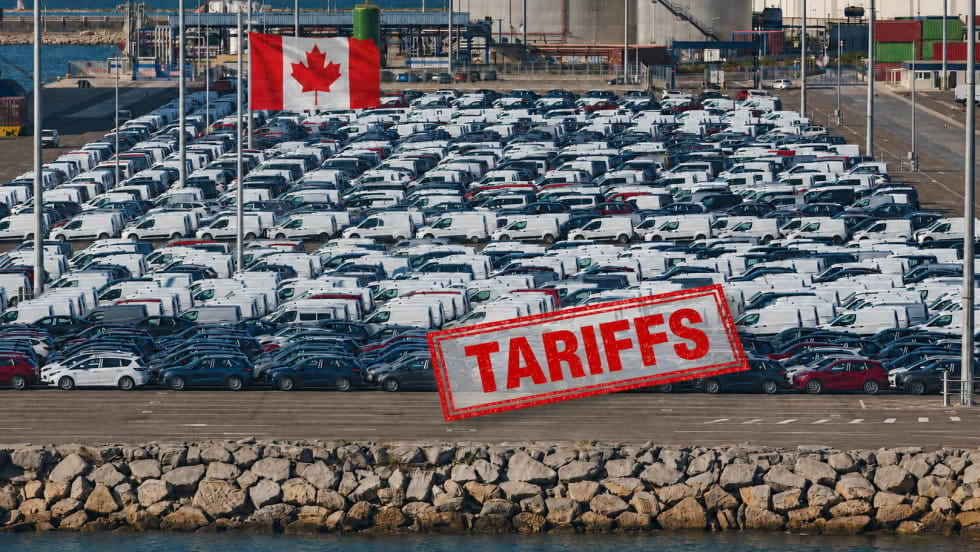
The Only Certainty with the New Tariff Threat Is Uncertainty
Trump’s Canadian tariff threat will not move production overnight, but the uncertainty could influence ordering and pricing now. Longer term, forces beyond tariffs may determine which North American plants survive.
Read More →
What Does It Mean to Embody the Spirit of Fleet?
Presented alongside Fleet Manager of the Year, Fleet Visionary, and Fleet Hall of Fame at AFLA, the new Mike Antich Spirit of Fleet Award is unique in that it recognizes service to the overall profession. Just like Mike.
Read More →
What Separates Great Fleet Managers From Everyone Else?
What do Visionary candidates with fewer than 10 years of experience have in common with Hall of Fame nominees with a lifetime under their belts?
Read More →
The Next Fleet War Won't Be Won on Specs Alone
The 2026 Stellantis Pro One Fleet Preview was less about vehicles and more about what happens after you buy them.
Read More →
Navigating Brundlefly and Fleet AI at 2026 NAFA I&E
AI is becoming the operating layer for fleets. In Cleveland, the buzz was about harnessing AI in an increasingly complex, permanently disrupted environment.
Read More →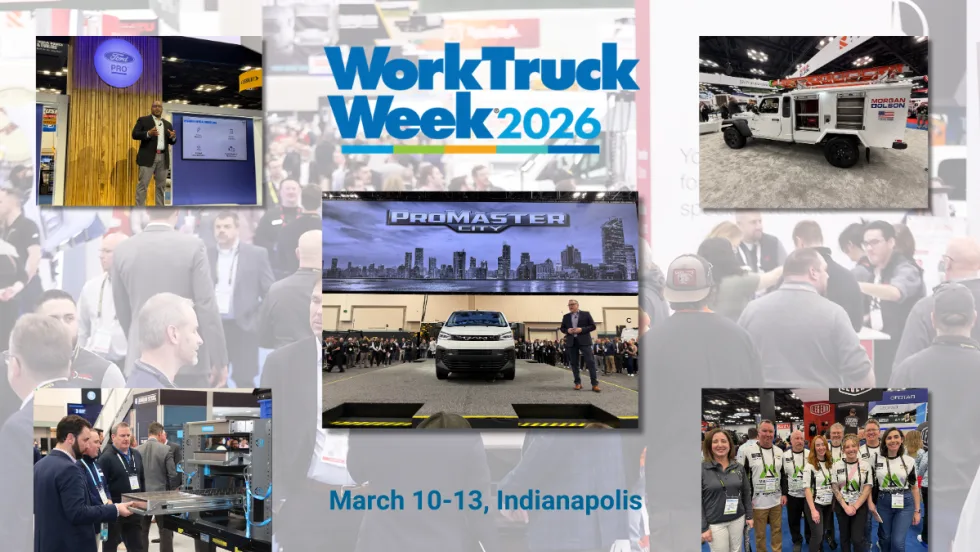
8 Trends: Work Truck Week 2026 Reveals a Fleet Industry in Reset Mode
Walking the show floor this year, the new focus was around “practical innovation” and pragmatic solutions. And oh yeah, a new small van.
Read More →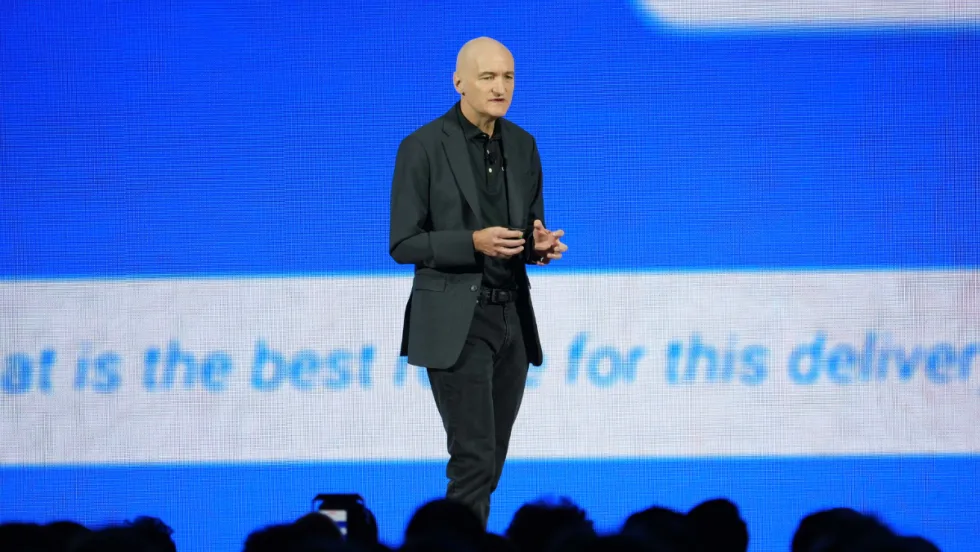
The Moment AI Became Operational
“AI isn’t assisting us anymore. It’s doing the work,” said CEO Neil Cawse at Geotab Connect 2026. What does this mean for fleet managers?
Read More →
For Mike Antich, it Was Always About the People
He stood tall in the industry in so many ways, but he measured success by the people he served.
Read More →
Solving the Flexible-Lean Fleet Paradox
The lean fleets of yesterday are the fragile fleets of today. Where do we find the balance?
Read More →