




5 Fleet & Commercial Vehicle Market Trends for 2024
A Cox Automotive study reveals growth in vehicle miles traveled, AI penetration in fleet management, and e-commerce driving commercial vehicle demand.

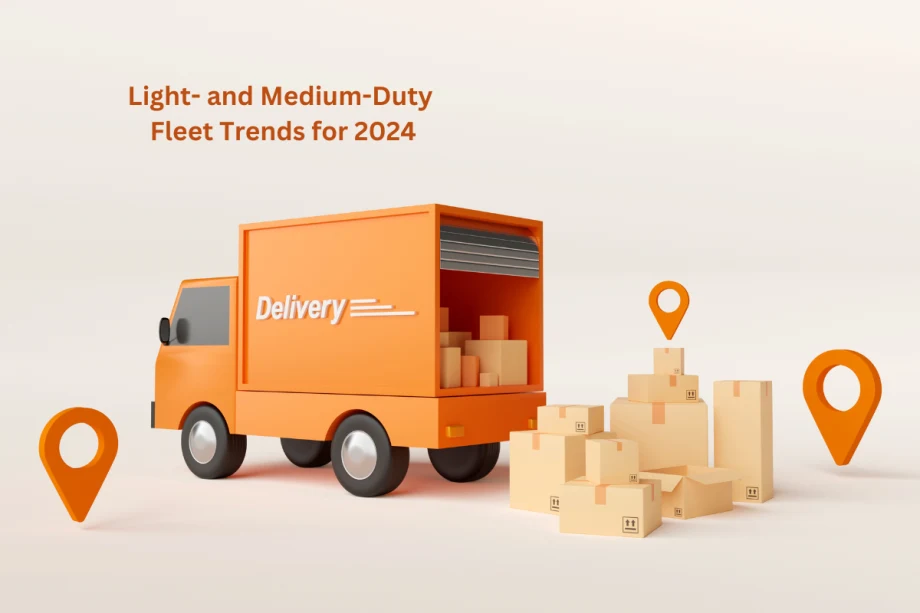
Local and regional hubs for distribution and “Same-Day Delivery” services mean higher demand for commercial vehicles and their utilization.
Credit: Canva
Cox Automotive revealed its 2024 Fleet & Commercial Vehicle Market Trends for report at the American Trucking Association’s Technology & Maintenance Council Meeting in New Orleans.
Automotive Fleet asked Cox for commentary tailored to trends in the light- and medium-duty space. Here are the top themes:
U.S. Economic Growth Supportive of Commercial Vehicle Market
U.S. economy is expected to grow in 2024.
Stability in the labor market + easing inflation.
Business investment will drive demand.
Stability in household consumption, manufacturing and construction activity, and even business investment are all some of the positive factors that will support the commercial vehicle and fleet market as demand for fleets increases. According to Cox Automotive research, many fleet operators’ reasoning for focusing on service and maintenance and improving operational efficiency centers around the state of the economy. This is true for fleet operators across light, medium, and heavy-duty vehicle classes. Fleets are aware of what’s happening in the economy, and are also mindful of what that means for their operations.
Miles Traveled to Grow
Commercial VMT should increase slightly YoY.
Will grow at a higher rate than personal vehicle-miles-traveled.
Support and demand for fleet maintenance, repair, and service.
Labor challenges could impact growth rates in this market.
One key impact economic growth will have on commercial vehicles is on their vehicle-miles-traveled. This is supportive for the fleet service, maintenance, and repair market as demand here should subsequently rise as well. Put another way, more driving means more need for all forms of service and maintenance to ensure vehicles are operating effectively. According to Cox Automotive research, a majority of fleet operators’ key focus areas for 2024 are related to service and maintenance. They are trying to extend vehicle life and avoid more costly repairs or are looking for efficiencies to save money or boost profit potential.
Commercial Vehicle BEV and Hydrogen Developments to Increase
Fleets will increase the number of alternative-fuel vehicles in their service.
Unlike the new light retail vehicle market, adoption and volumes here will be lower.
Both legacy OEMs and emerging startup brands are exploring new products for the commercial vehicle market. From battery electric to hydrogen, there is an increase in the number of new products coming into market this year and beyond. New products mean new opportunities for fleets to explore and use these vehicles. According to Cox Automotive research, fleets see EVs as the future. A third of fleets surveyed will consider an electric vehicle during their next acquisition cycle.
Focus on Technology
Tech tools and software will continue to improve.
Vehicle technologies should continue to see growth.
Broader technological advances such as AI will also find their way into fleet management.
As is the case for industries and sectors around the world, technologies such as AI will be an area of focus for fleets. Developments in technologies, software, and even hardware will play an influential role in how fleets manage not just their vehicles, but also their data. AI-use cases are evolving each day, and it’s apparent that they can be beneficial for all types of businesses, including fleets. According to Cox Automotive research, many fleet operators who are currently using telematics in their operations cite access to data and key vehicle performance metrics as key benefits.
Fleet operators feel telematics helps them make smarter business decisions, save time and money on maintenance needs, and overall run a more efficient fleet operation.
E-commerce Plays Vital Role in Commercial Vehicle Demand
Household consumption will continue to shift online across a diverse set of categories.
E-commerce trend should remain strong as more options of goods become available.
Local/regional hubs for distribution and “Same-Day Delivery” services mean higher demand for commercial vehicles and their utilization.
There will be an increase in the need for commercial vehicles such as vans to ensure consumer demand for quicker shipped goods is met effectively.
Since the start of the pandemic we have seen a material shift in household shopping behavior gravitate towards ecommerce. Now post-pandemic we are seeing the rise of “same-day” delivery. Retailers around the country are creating new fulfilment networks, regional hubs, and distribution centers to supply consumer demand of quicker shipped goods. This means we will see an increase in commercial vehicle activity to support this growth. From durable goods to groceries, retailers will look to leverage commercial vehicles for a variety of uses to ensure they are able to keep up with consumer appetite for ecommerce and “same-day” delivery.
More State of the Fleet Industry
Is the Future of U.S. Fleets Already Unfolding Overseas?
Fleet Forward Conference keynote speaker John Rossant examines how AI, autonomy, and electrification are converging, and why developments in China, Europe, and the Middle East could preview what’s coming for U.S. fleets.
Read More →
Fleet Meets: Amy McAdams
In this edition of Fleet Meets, Amy McAdams shares how an unexpected career move led to more than 15 years in fleet.
Read More →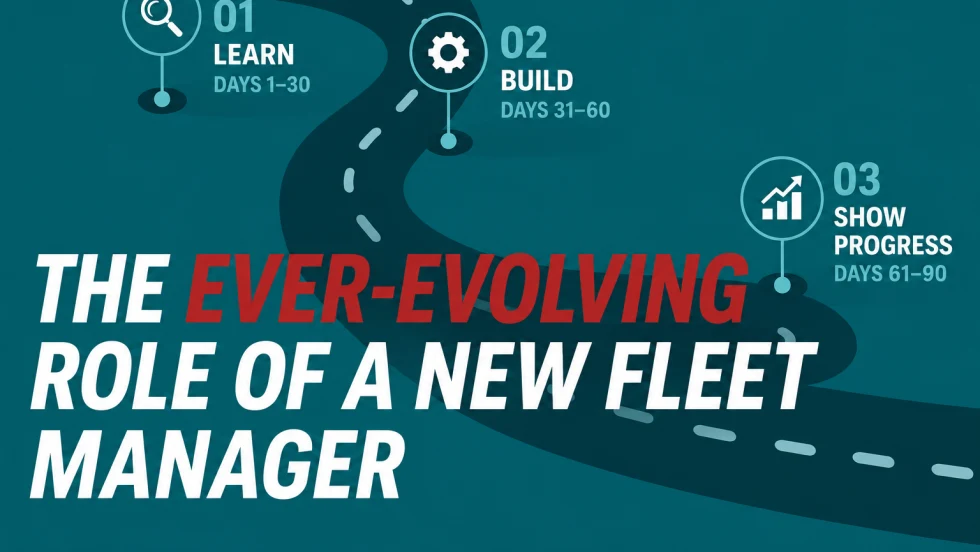
From Tactical to Strategic: A Fleet Manager's First 90 Days
The first 90 days as a fleet manager can be daunting, and the role has changed a lot over the years. What's important now?
Read More →
Fleet Industry Mourns the Passing of Donna Bibbo
Fleet leader Donna Bibbo passed away after a long battle with uterine cancer and a failing heart.
Read More →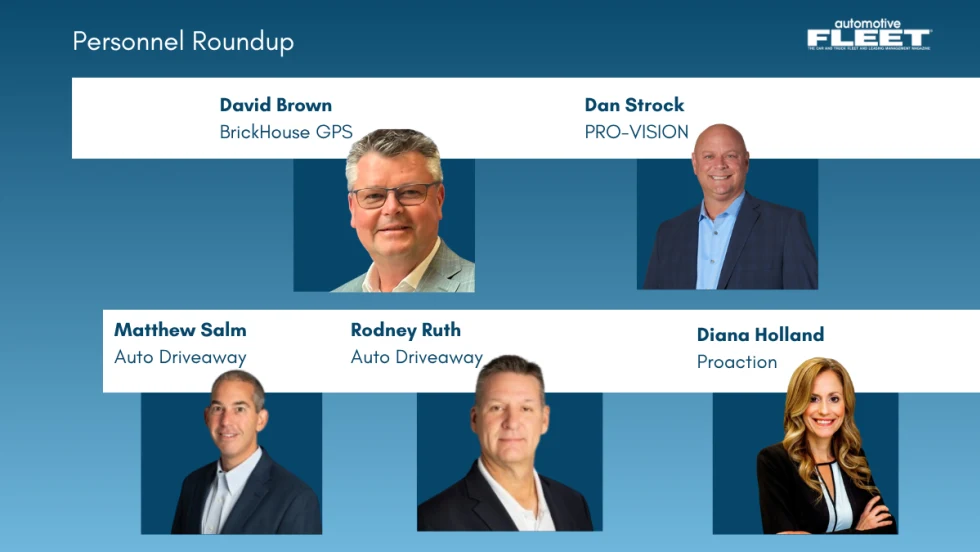
Personnel Update: BrickHouse GPS, PRO-VISION, Auto Driveaway, and Proaction
Check out the latest must-know fleet personnel updates from the last couple of months.
Read More →

‘Mike Just Gives Cars to People’ — And Other Misconceptions Fleet Managers Need to Fix
Most organizations misunderstand fleet. The best managers make sure that doesn’t happen.
Read More →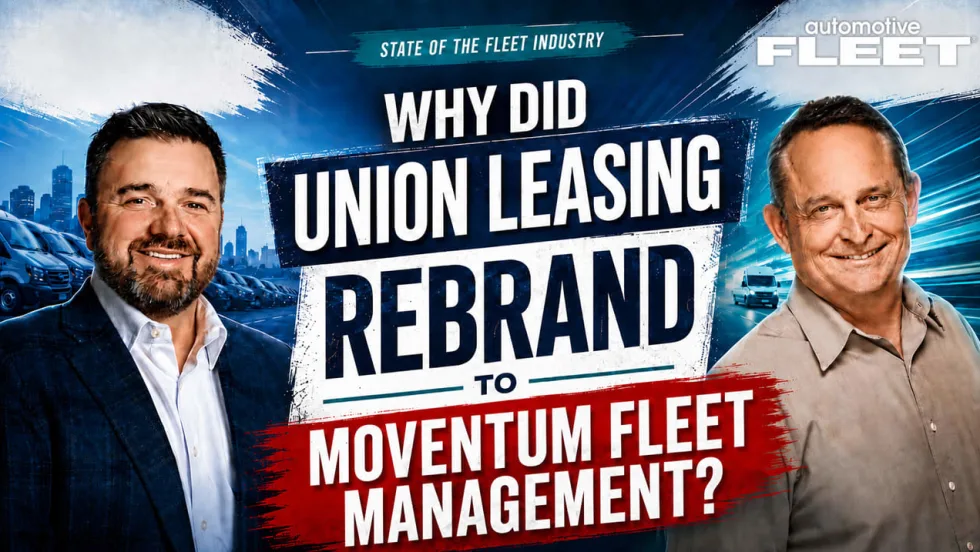
Why Union Leasing Rebranded to Moventum Fleet Management
Mark Hogland discusses Union Leasing’s transition to Moventum Fleet Management and how the rebrand reflects the company’s growing focus on strategic fleet management and lifecycle support.
Read More →
From Storm Response to Data Strategy: Fleet Trends to Watch | AF News Recap
In this AF news recap, host Faith Howell covers this week's most pressing industry updates.
Read More →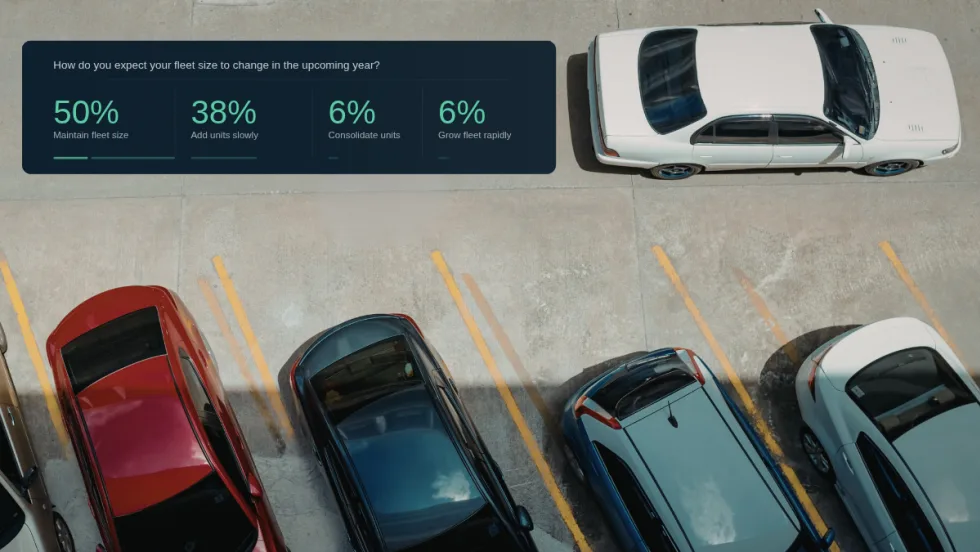
Report: 36% of Fleet Managers Are Delaying Replacements
Element’s 2026 Market Pulse Report finds fleets are slowing replacement cycles amid tariffs, economic uncertainty, and rising costs.
Read More →