




Learn More: Dream Cars Are Coming: Engineering Breakthroughs Pave the Way
Navigating Auto Industry Evolution from 1967 to Present
Dhaval Kikani reminisces on his 57-year career as an engineer in the auto industry and the innovations that saw commercial success, and the experiments that did not.
by Dhaval Kikani
February 27, 2024
Dhaval Kikani worked for Ford Motor Company from 1967 to 2007 and then joined body modifier upfitter National Fleet Services, where he is presently director of engineering.
Photo: National Fleet Services
4 min to read
The Automotive Fleet archive is vast and deep, running back to the founding of Bobit in 1961. We recently blew the digital dust off this article from 1962 that envisions the future of automotive technology. (Check it out: It’s a fascinating read on the promising technologies of the day.)
We thought it would be great to gain perspective on the evolution of the industry from someone who could chart the changes from then until now.
We couldn’t find someone who was working in 1962, but we came close! Dhaval Kikani started working as an engineer for Ford in 1967 and is currently a Director of Engineering at National Fleet Services. Here are some reflections on the technologies from the article — and projects he was involved in — that made it into mass production, and those that didn’t.
Dhaval’s Story
In the spring of 1967, I embarked on a journey that would define my career.
Fresh out of Worcester Polytechnic Institute, I joined Ford, a company with three successful divisions — Heavy Truck, Light Truck, and Passenger Car, along with many manufacturing units. As a new recruit, I was thrust into the world of engineering support for medium commercial truck products, a universe where we fondly referred to our work as tinkering with toy "Tonka" trucks, the smaller siblings of the "Big Over the Road” truck lines.
During the late 60s, Ford was not just a retail car manufacturer, but a significant fleet vehicle provider. Ford even experimented with non-traditional fleet products such as the all-new 1966 Bronco. Today, we see the Bronco as a retail off-road icon, but back then, it was a potential candidate for commercial fleet work truck business.
It was an era of innovation, exploration, and experimentation, where some products soared to commercial success, while others fell by the wayside.
Innovation & Experimentation
One such venture was an early-generation Unibody Econoline. Conceived as a van/pickup hybrid, it seemed like a brilliant invention.
However, issues such as the need to counterbalance the engine weight and other practicality challenges led to its downfall, and it faded into the annals of history.
Fast forward to today, we see a significant shift towards battery-powered electric cars and trucks. While it seems like a recent development, history paints a different picture. In 1900, a third of the cars on the road were battery-electric.
The advent of the Model T and the development of extensive road networks increasing travel distances made electric cars less viable. Interestingly, Clara Ford, Henry Ford's wife, was an electric car enthusiast, driving a 1914 Detroit Electric Model 47 Brougham and other EVs until the late 30s.
It wasn't until the 1990s that battery electric cars reemerged, initially as hybrids, propelled by concerns over emissions and fuel prices.
Hits & Misses
The journey of innovation is filled with hits and misses. The Turbine, with its fuel flexibility and other benefits, seemed promising and even exciting during the space race era. However, it fell short due to sluggish acceleration, poor fuel economy, and high costs associated with exotic heat mitigation materials.
It was also interesting to me how some ideas were ahead of their time and never made it to the marketplace until many years later (if at all). Back in the early days, we saw experimental fuel tanks made from nylon, and later polyethylene material. Despite their benefits, such as corrosion resistance and increased fuel capacity, public fear over "plastic" fuel tanks' durability led to steel fuel tanks becoming the standard for decades.
Today, we know that plastics have evolved to replace many steel components, offering benefits like weight reduction, manufacturing savings, and corrosion resistance.
A notable chapter in my American auto industry engineering memory is when Don Peterson, CEO of Ford at the time, invited Dr. Demming to help Ford improve its quality approach in 1983.
From 1984, for six consecutive years, Ford automobiles were the highest in quality among American manufacturers. Ford even managed to avoid any factory downtime to try to keep up with demand.
Looking back at the Dream Cars article from 1962, it's fascinating to see how many of the predictions came true. From low-pressure tire warning (TPMS) and standard fuel injection to self-driving cars, the foresight is impressive. It shows how the drive towards safety, emissions reduction, and changing with cultural needs have shaped the auto industry.
It’s also interesting to see how some of these evolutions happened for reasons we may not have expected. For example, TPMS was driven by a lack of driver maintenance, as tire pressures were no longer checked as routine at the classic full-service gas station at fill-up. Red Bull and a bag of M&M’s make up the typical fuel stop today!
An Uncertain Future
The journey through the evolution of the auto industry has taught me that we can't predict the future with absolute certainty. At this time, it seems that hydrogen fuel cells may be the end game, however, many factors can cause diversions or accelerate changes in a different direction.
The journey continues to be exciting, and I am blessed to still be involved in the industry I love. I eagerly anticipate what lies ahead!
Dhaval Kikani worked for Ford Motor Company from 1967 to 2007 and then joinedbody modifier upfitterNational Fleet Services, where he is presently Director of Engineering.
Subscribe to Our Newsletter
More Vehicle Research
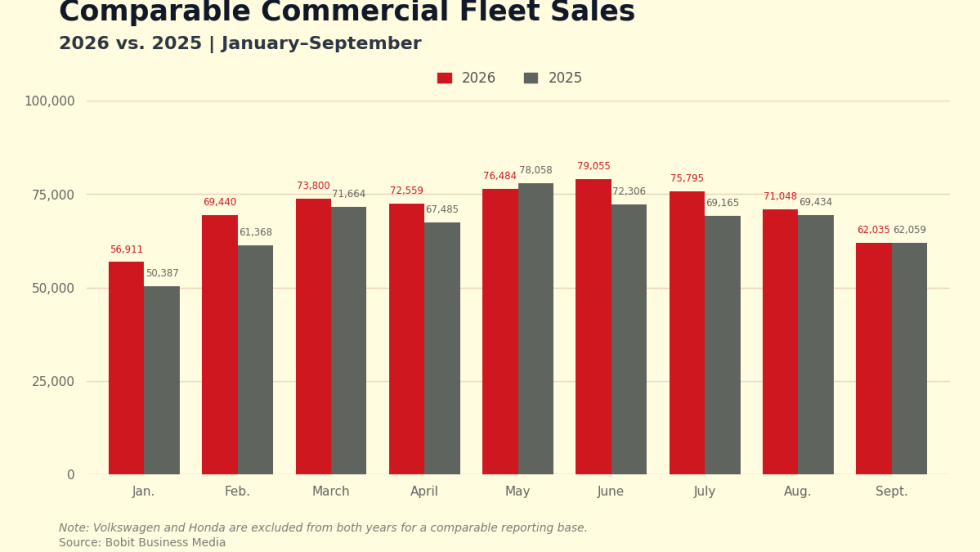
Commercial Fleet Sales Rise 5.8% Through September 2026
September commercial fleet sales were essentially unchanged from a year earlier, slowing year-to-date growth while keeping volume ahead of 2025.
Read More →
Hall of Fame Inductee: John Dmochowsky
The longtime Mondelēz International fleet executive joins the Automotive Fleet Hall of Fame.
Read More →
Hall of Fame Inductee: Lee Miller
After more than four decades at Boehringer Ingelheim, Lee Miller leaves a legacy built on fleet expertise.
Read More →
Hall of Fame Inductee: Mark F. Petersen
From managing fleets of thousands of vehicles to advancing safety and mentoring fellow professionals, Mark F. Petersen made his mark across both the corporate and supplier sides of fleet.
Read More →
When Charger Downtime Becomes a Fleet Availability Problem
As EV deployments move beyond pilot programs, charger reliability can directly affect vehicle readiness, driver productivity and route scheduling.
Read More →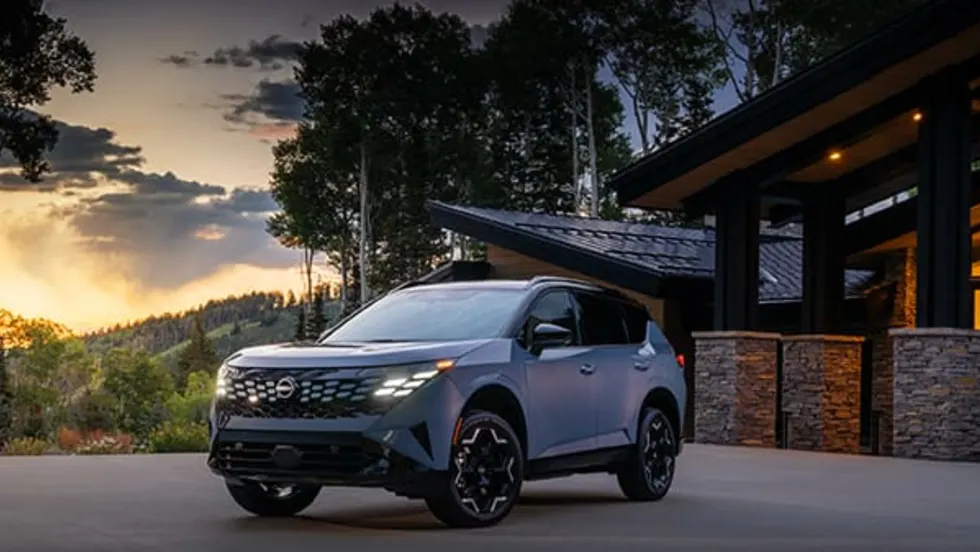
2027 Nissan Rogue Hybrid Adds e-POWER, Standard AWD
The new Rogue Hybrid uses Nissan’s e-POWER system with dual electric motors, offers an estimated 40 mpg and starts at $35,490.
Read More →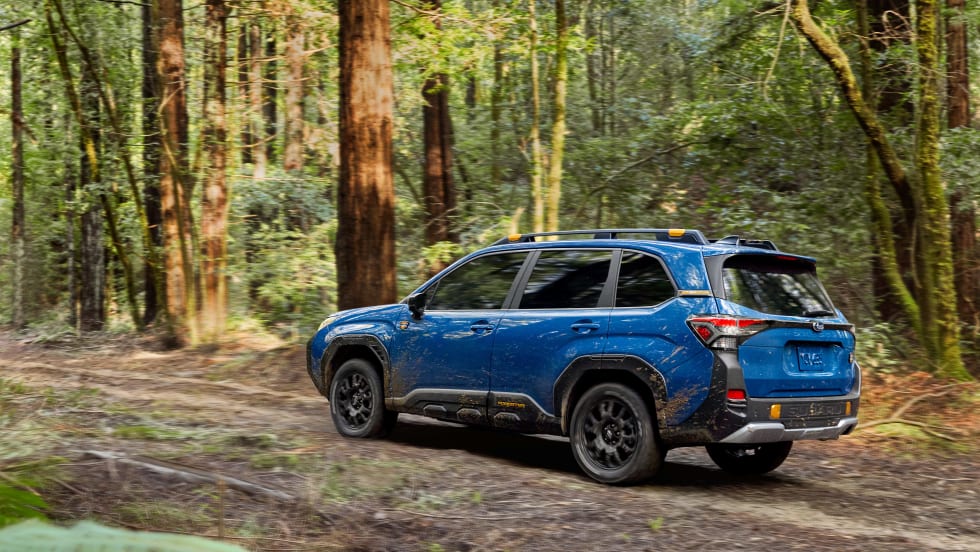
2027 Subaru Forester Adds First Wilderness Hybrid
The 2027 Forester lineup starts at $29,995 and adds a Wilderness Hybrid with 194 combined horsepower and 9.3 inches of ground clearance.
Read More →
EV Realty Names Henrik Holland President as Charging Platform Expands
The former Prologis Mobility and Shell executive will help expand EV Realty’s truck charging business and move its power-first infrastructure model into autonomous vehicle depots and other fleet sectors.
Read More →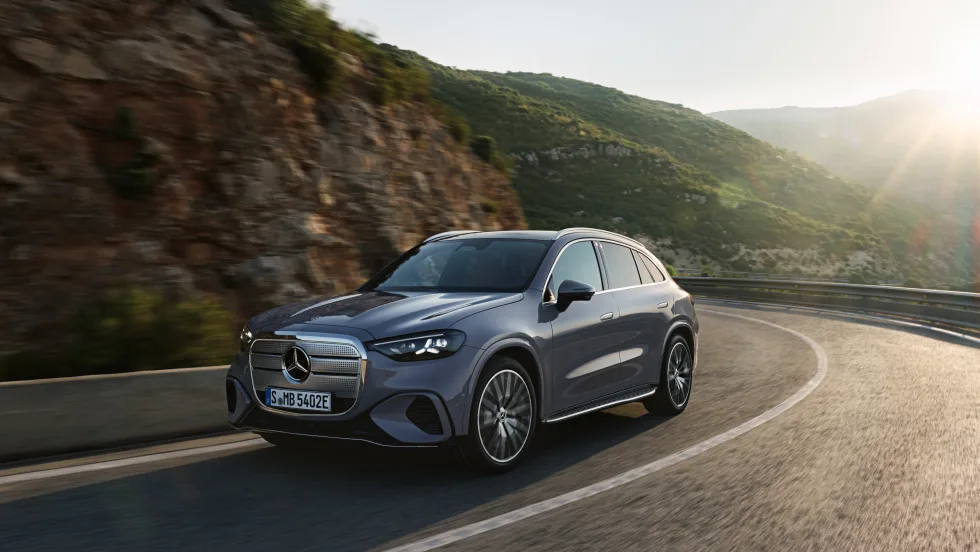
Mercedes-Benz Introduces Electric GLC With Up to 350 Miles of Range
The GLC 400 4MATIC Electric features an 800-volt architecture, 330-kW DC fast charging and a 94-kWh battery, along with Mercedes-Benz's new MB.OS operating system.
Read More →
Fleet Has a Talent Pipeline Problem, not a Talent Problem
Where will the next generation of fleet leaders come from, and what does the industry need to do differently to find them?
Read More →