




AF Readers Sound Off on Fleet Utilization
To encourage and facilitate discussion of today’s fleet industry challenges, Automotive Fleet offers a platform for fleet managers and other fleet professionals to exchange their diverse opinions and perspectives.


By taking a hard look at how trucks are spec’d, along with modifying driver behavior, a fleet manager can find many opportunities to increase productivity and reduce costs.
Photo: Stellantis
Fleet industry professionals responded with their own thoughts to a recent article by AF Editor Mike Antich focusing on the benefits of smart fleet utilization. The article, Maximizing Fleet Utilization Increases Productivity & Revenue, is a comprehensive look at the topic. Below is a brief quote:
“Optimizing fleet utilization … is crucial to maximizing efficiency, controlling costs, and improving productivity. By actively managing and optimizing vehicle utilization, fleet managers can drive better overall fleet performance and achieve operational and financial goals. When you take a deep dive into the nuances of fleet utilization, here are six reasons why it is important: ”
Cost Efficiency
Resource Allocation
Productivity and Performance
Revenue Generation
Maintenance and Downtime Management
Safety and Compliance
Beyond Traditional Metrics
Thanks for sharing, Mike Antich. I enjoyed reading the blog “Maximizing Fleet Utilization Increases Productivity & Revenue.” It’s easy sometimes to get caught up in utilization metrics only being about miles driven per unit and high mileage meaning big costs. The reality is most organizations wouldn’t be profitable without their fleet, led by dedicated fleet managers designing proactive solutions on tight budgets. You highlight that profitability can come from right sizing based on usage, having spares available during downed events, reassigning assets to lower impact divisions, proactive PM planning, improved record keeping, which can drive down expenses and create real dollars. (And increased morale for everyone!)
Stefano Daneri, Account Executive, Fleetio, Birmingham, Ala.
Holistic View is Needed
After reading the Market Trends blog on “Maximizing Fleet Utilization Increases Productivity & Revenue,” I want to comment that the good fleet managers are and have been treating their fleet like a business. Unfortunately, too many in the C-suite don’t appreciate good fleet leadership because these execs want to look at sales and revenue instead of taking a holistic business approach.
Brian Reynolds, Owner, Reynolds Premier Motors, Tyler, Texas
Yes. Yes. So Much Yes
I read the Market Trends blog on “Maximizing Fleet Utilization Increases Productivity & Revenue.” My reply is “Yes. Yes. So much yes.”
Fleet touches so many areas of business. It is directly tied to Revenue Generation (sales), Productivity (operations/sales ops/service), Risk (liability, legal, safety), Expense Management (accounting/finance/procurement), and Human Resources (employee empowerment/retention/recruitment/satisfaction).
Are you viewing fleet holistically with the various stakeholders in mind and treating it as a business?
Rizvana Alam, Fleet Consulting Executive, Wheels, Inc., Toronto, Ontario, Canada
About this Space:
Automotive Fleet offers a platform for fleet managers to share opinions and perspectives with peers and other industry professionals, to encourage and facilitate discussion of today’s fleet industry challenges through the exchange of diverse voices. Presented here are responses to AF print and online articles, blogs and videos from our readers and viewers.
More Operations

Fleet Has a Talent Pipeline Problem. What Comes Next? | AF News Recap
Where will fleet’s next generation of leaders come from? This week, we’re looking at the industry’s talent pipeline, what certification can add to a fleet career, how to build an award-worthy track record, and the return of Automotive Fleet’s Personal Use Survey.
Read More →
Smith System Launches Driver Risk Management Program
Fleets have more driver data than ever, but identifying risky behavior doesn't necessarily correct it. Smith System's new Driver Risk Management program combines monitoring, training, and follow-up coaching to help fleets connect risk signals with driver intervention.
Read More →
Automotive Fleet Opens 2026 Personal Use Survey for Commercial Fleet Managers
Less than two weeks left! Commercial and corporate fleet managers are invited to share how their organizations handle company vehicle personal-use policies, charges, and driver eligibility.
Read More →
From AI Prompts to AI-Generated Safety Songs | AF News Recap
Can better prompts make AI more useful for fleet managers? This week, we’re breaking down smarter fleet analysis, an AI-assisted experiment that turned safety training into music, and what happened to fuel prices in August.
Read More →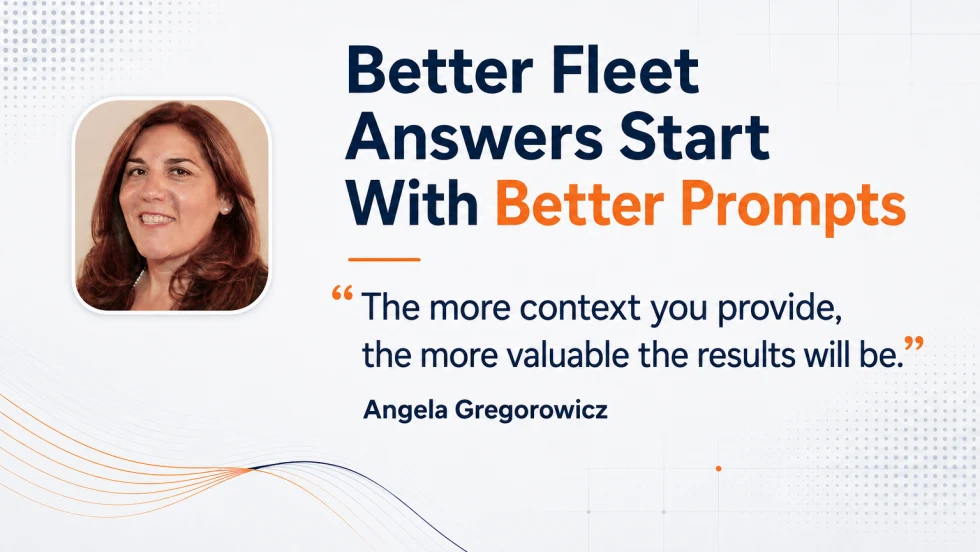
How to Write Better AI Prompts for Fleet Analysis
Include these six elements in your fleet prompts to generate more relevant analysis and accurate answers.
Read More →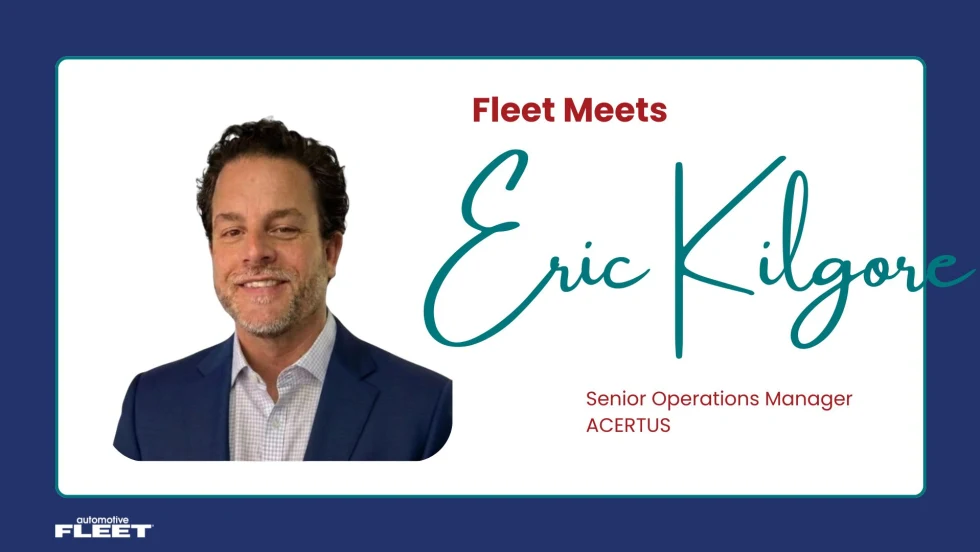
Fleet Meets: Eric Kilgore
This edition of the Fleet Meets series features one of the industry's best leaders driving multi-market and national operations.
Read More →
Why Reactive Fleet Management Is Becoming Too Expensive to Sustain
Research highlights a growing need for proactive management strategies to address rising costs in fleet operations effectively.
Read More →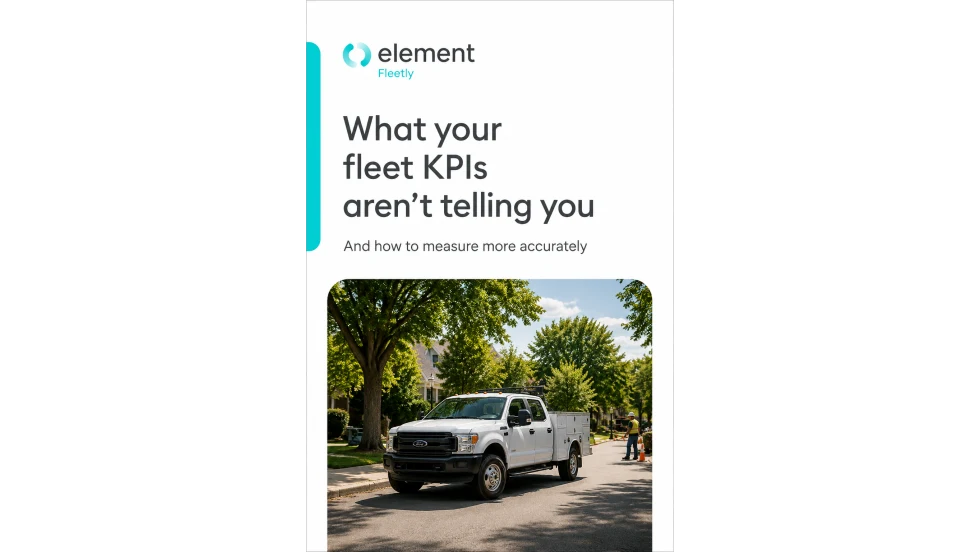
What Your Fleet KPIs Aren’t Telling You
Tracking fleet metrics is only useful when the data leads to better decisions. This guide helps fleet leaders assess cost, utilization, and downtime more accurately, identify performance gaps, and prioritize the actions that can improve operational results.
Read More →
Hidden in Plain Sight: Fleet Compliance Risks
Fleet compliance isn't just about having policies — it's about consistently enforcing them. This practical guide reveals six hidden compliance risks common in public sector and shared fleet operations and outlines proven strategies to improve visibility, accountability, and audit readiness
Read More →
Turning Fleet Payment Data into Executive Insights
Does data alone drive results in operations?
Read More →