




Car IQ, Visa Team Up to Provide Direct Fleet Transactions
Visa's global system will be added to Car IQ Pay vehicle wallet, which enables merchants to accept payments from fleets, cars, and trucks.

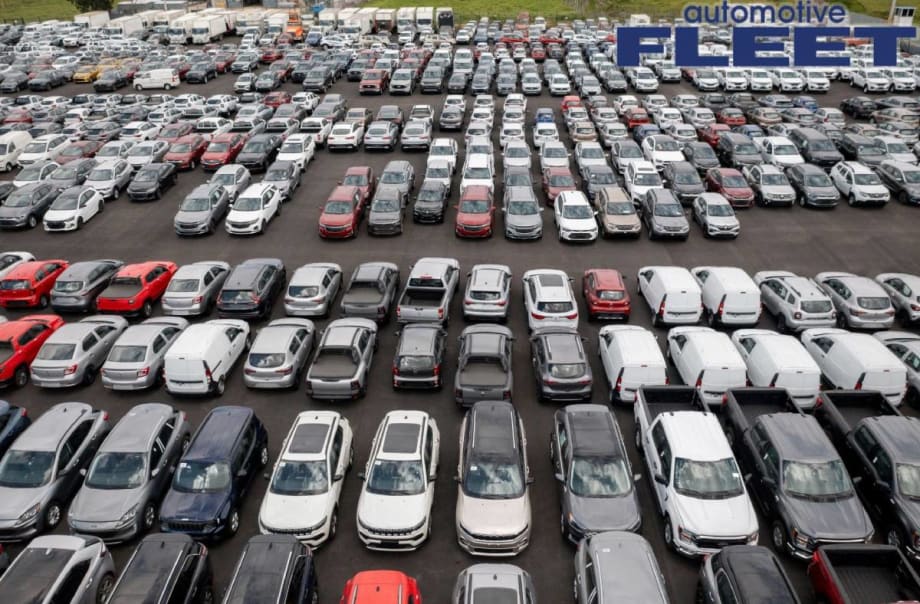
Working with Visa, Car IQ Pay incorporates real-time connected vehicle data before, during, and after every payment.
Photo: Automotive Fleet / Canva
Car IQ Inc, a fleet payment provider, announced July 12 it is partnering with Visa to enable vehicles to transact directly with Visa’s global system of merchants and banks, and purchase fuel, tolls, parking, insurance, service, and repairs using the Car IQ Pay vehicle wallet.
Car IQ Pay’s technology enables vehicles to maintain their own payment accounts to connect and transact directly with merchants without using a physical card.
Bringing this technology to the Visa network greatly expands its reach and will allow the two companies to serve a large share of the connected vehicle payment market, which is expected to reach $600 billion by 2030 according to Ptolemus.
“Through this collaboration with Car IQ, we’re driving growth of vehicle-based payments that allow users to take control of their fleet business through enhanced and timely data capabilities that allow for real-time business decisions,” said North America head of Visa business solutions Veronica Fernandez in a news release.
Core to the collaboration is Car IQ’s ability to add vehicle data to the transaction, which enables new contextual payment experiences such as real-time offers and personalized rewards that benefit fleets, drivers, and merchants. Working with Visa, Car IQ Pay incorporates real-time connected vehicle data before, during, and after every payment.
“Car IQ’s collaboration with Visa underscores the potential that this new ecosystem can offer, facilitating significant productivity benefits around routine vehicle-related charges,” says Mark Vena, CEO and Principal Analyst at SmartTech Research.
The partnership makes use of Car IQ’s technology, Know Your Machine, which authenticates a machine’s identity to enable all types of vehicles to transact directly with merchants.
"This allows us to accelerate the adoption of vehicle payments and make them a seamless part of the fleet experience," said Sterling Pratz, CEO of Car IQ.
Car IQ is also working with automotive OEMs to embed these payments within consumer vehicles. Recently debuted at the Consumer Electronics Show (CES), the Car IQ Pay in-dash vehicle wallet connects vehicles to merchants on the Visa network, enabling payments directly from the car’s infotainment system.
“While our first wallet initiative is focused on vehicles, our platform is designed to easily support any IoT device payment, and we are already seeing interest for connected ‘smart’ city applications and believe the connected home will be next,” Pratz said. “In the future, I believe everyone will have the choice of adding their cars, home appliances, and more, directly to their bank account to transact.”
More Operations

How Fleets Can Recruit and Train Veterans for Technician Roles
Here's how the technician shortage has affected uptime for fleets, and what to do about it.
Read More →
Avis Budget Group Deploys Neology Toll Management Technology Across Major Brands
Neology’s neoFleet platform will manage toll transactions and toll-authority operations for vehicles across Avis, Budget, Payless, Budget Truck and Zipcar.
Read More →
Fleet Personal-Use Charges Edge Higher in 2026
Nearly eight in 10 surveyed fleets allow personal use of company vehicles, while just over half of respondents report charging employees for the privilege.
Read More →
The Future of Fleet + What’s Changing Right Now | AF News Recap
Could developments overseas offer a preview of what’s coming for U.S. fleets? This week, we’re looking at the future of AI, autonomy, and electrification, plus Ford Pro’s new certified pre-owned program, smarter vehicle offboarding, and a new way for fleets to manage toll expenses.
Read More →
How to Handle Vehicle Offboarding
What do fleet managers need to do when a driver leaves?
Read More →
Fleet Manager’s Ultimate Playbook: Navigating the New Standard in OEM Connectivity
Rising operating costs, driver safety concerns, and unplanned downtime are putting unprecedented pressure on modern fleets. Discover how fleet managers use embedded OEM connectivity and real-time vehicle data to cut TCO, prevent downtime, and protect drivers without aftermarket telematics hardware.
Read More →
U.S. Bank Adds Verra Mobility Toll Management to Voyager Fleet Platform
The integration allows U.S. Bank Voyager fleet customers to manage toll payments and violations alongside fuel, EV charging and maintenance expenses.
Read More →
ADAS Prevents Crashes. But Repairs Cost More | AF News Recap
ADAS-equipped vehicles may crash less often, but they can cost more when they do. This week, we’re breaking down what that tradeoff means for fleets, plus Subaru’s first Forester Wilderness Hybrid, Nissan’s new e-POWER Rogue, and why Calstart has become Catalyst Mobility.
Read More →
Moventum Fleet Management Names Mark Iorillo Head of Sales
Iorillo brings nearly 20 years of fleet management and sales experience to the role, including previous positions at Element Fleet Management, CEI, Donlen and Ryder.
Read More →
Fleet Has a Talent Pipeline Problem. What Comes Next? | AF News Recap
Where will fleet’s next generation of leaders come from? This week, we’re looking at the industry’s talent pipeline, what certification can add to a fleet career, how to build an award-worthy track record, and the return of Automotive Fleet’s Personal Use Survey.
Read More →