





More to Read: Strategic & Proactive: Using Data to Drive Fleet Efficiencies
Study: Customers Don’t Trust Anyone to Manage Vehicle Data
According to a Deloitte study, 30% of U.S. consumers have difficulty trusting anyone to manage the data collected by today’s connected vehicles.
February 24, 2023

Companies like Google and Apple have responded to lack of trust challenges by attempting to be more transparent about how their customers’ data is used.
Photo: Canva
3 min to read
A recent study has revealed that 30% of U.S. consumers do not trust anyone to manage the amount of data being collected by today’s increasingly connected vehicles, according to a press release. That percentage presents a challenge to manufacturers as they look for returns on the digital investments they have made.
“The Deloitte 2023 Global Automotive Consumer Study” showed that consumers are willing to share their personal information if it means gaining access to vehicle health and maintenance updates, traffic congestion information, and updates to improve road safety. However, it also highlighted how trust issues (particularly in Europe) are potentially holding them back.
As vehicles have become more connected, their functionality has grown more data driven. Often, that data is supplied by third-party providers and is transmitted across multiple networks and platforms, with each platform carrying its own implications in terms of privacy and security.
“The industry’s current solution is to lock that functionality behind an impenetrable legal waiver that must be begrudgingly accepted before access is granted,” said Peter Galek, product engineering director at VNC Automotive, a provider of car connectivity software and hardware. “This approach, almost by design, makes it largely impossible to know what is being agreed to, and may have inadvertently helped to foster this lack of trust.”
App store vendors such as Google and Apple have responded to similar challenges by attempting to be more transparent about how their customers’ data is used. This has included introducing more privacy controls that allow customers a greater say over what an app can and can’t do.
“Perhaps automotive OEMs should take a leaf out of the tech industry’s book,” said Tom Blackie, CEO of VNC Automotive. “Many manufacturers offer a smartphone app that links to the car through a personalized account, and this presents the ideal opportunity to explain what data is collected, how it will be used, and to opt-in or out. A customer-facing portal could also offer a further chance to gather consent.”
“Both would allow each customer to decide their own comfort level; some may prefer to withhold their location information but still be perfectly comfortable sharing vehicle data such as fault codes or wear indicators,” added Blackie. “By being open and transparent about the data being collected and giving the customer the final say, it reassures them that their personal information is being treated with respect.”
For the customer, this opens the door to a range of digital services such as predictive maintenance, which is driven by data (collected by sensors around the vehicle) that can detect premature wear and suggest helpful action before it becomes a problem.
This approach also allows OEMs and dealers to remain in contact with their customers between scheduled visits, something the industry has been struggling with as service intervals have become longer.
“It’s often said it’s how you respond to a challenge that really cements a relationship,” said Blackie. “Shining a little extra light on these new digital features creates the opportunity to turn these trust issues around.”
More Telematics
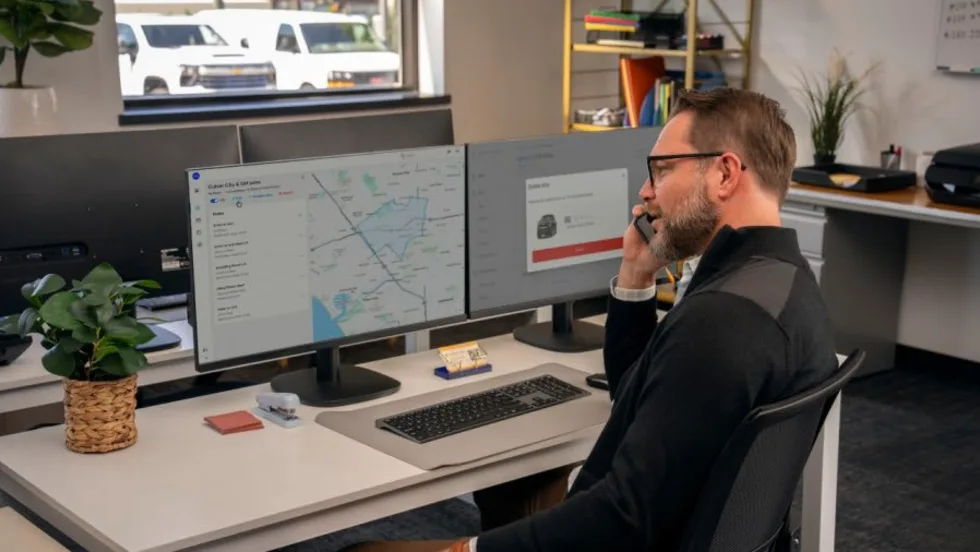
GM Launches OnStar Fleet Intelligence Platform With AI Assistant
The new platform brings vehicle data, order tracking, connected services and fleet analytics into one system, with an AI assistant that can answer fleet questions using natural-language prompts.
Read More →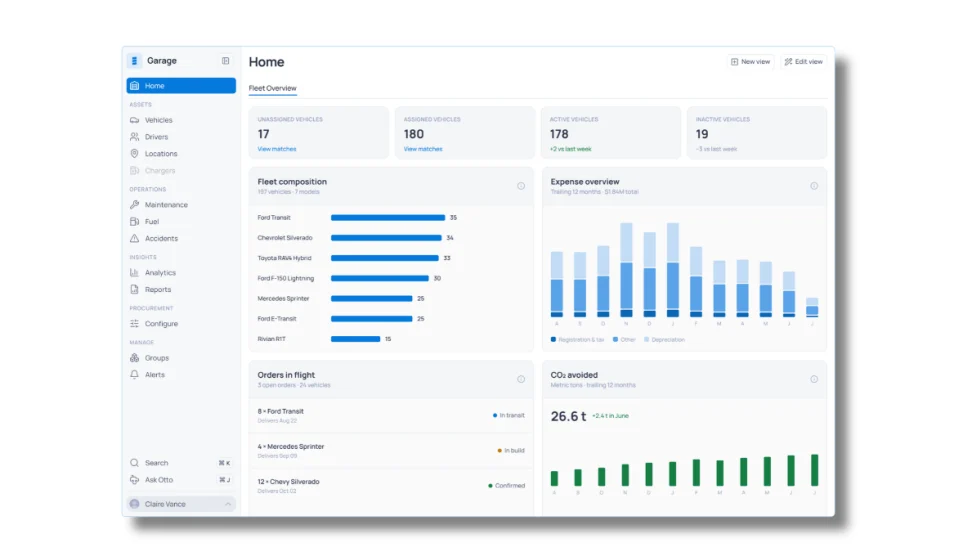
Inspiration Fleet Introduces Garage 2.0 Fleet Intelligence Platform
Fleet managers increasingly have access to data from vehicles, telematics, fuel, charging, and other systems, but those sources don't always communicate with one another. Inspiration Fleet's Garage 2.0 platform brings that information together while letting fleets keep working with different technology and service providers.
Read More →
Inside Inspiration Fleet’s New Platform for Connecting Fleet Data
Inspiration Fleet CTO Chris Getner explains how the new Garage 2.0 platform is designed to connect disparate fleet data and what that could mean for fleet managers in practice.
Read More →
Sponsored•October 1, 2026
Fleet Manager’s Ultimate Playbook: Navigating the New Standard in OEM Connectivity
Rising operating costs, driver safety concerns, and unplanned downtime are putting unprecedented pressure on modern fleets. Discover how fleet managers use embedded OEM connectivity and real-time vehicle data to cut TCO, prevent downtime, and protect drivers without aftermarket telematics hardware.
Read More →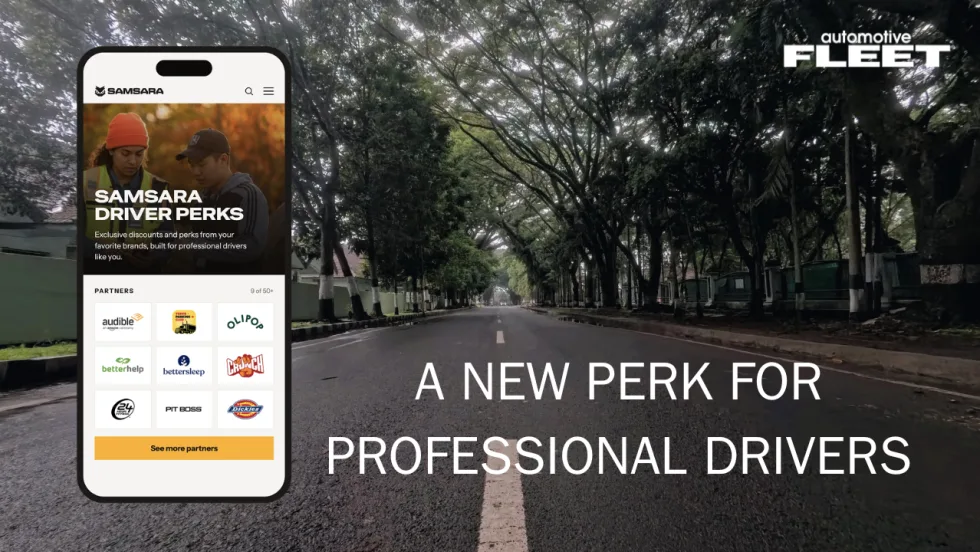
Samsara Driver Perks Adds New Benefit for Corporate Fleet Drivers
The rewards program gives eligible professional drivers access to discounts from more than 50 brands while giving fleets another way to support recruitment, retention, and the driver experience.
Read More →
Inside the Church of Jesus Christ of Latter-day Saints’ Two-Track Telematics Strategy
With 20,000 vehicles and two fundamentally different driver populations, the Church faced a fleet management problem that a single telematics program couldn't solve. How it responded offers a replicable framework for any fleet where one size doesn't fit every driver.
Read More →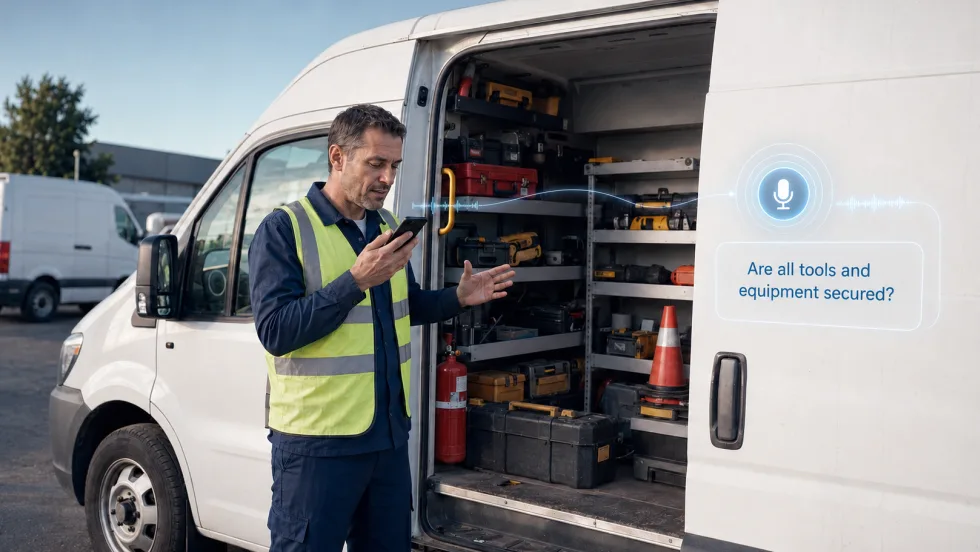
How Conversational AI Can Make Fleet Tasks Easier for Drivers
While most generative AI tools help fleet managers interpret data at their desks, Connex2X is applying voice interaction to tasks behind the wheel.
Read More →
Why Fleets Are Creating Dedicated Fleet Analyst Positions
Are fleet analyst positions the new norm? Listen here to find out.
Read More →
Teletrac Navman Begins Next Chapter as Standalone Private Company
What's new with Teletrac Navman and its new owner?
Read More →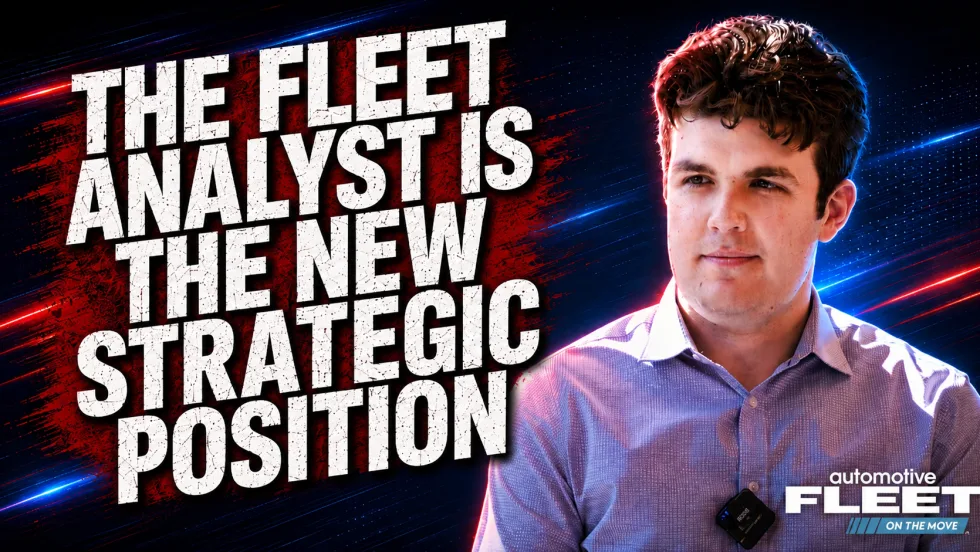
Why Fleets Are Creating Dedicated Fleet Analyst Positions
Telematics, AI, EVs, and connected technologies are generating more fleet data than traditional teams can effectively manage. Reed Jackson explains why dedicated fleet analytics roles are emerging to turn that information into better operational decisions.
Read More →