





Similar News: 2023 Mazda CX-5: Pricing and Packaging
Mazda Announces 2023 CX-30 Pricing and Packaging
The 2023 CX-30 will be available with a starting MSRP of $22,950 for the naturally aspirated models and $33,800 for the turbo models.
October 19, 2022
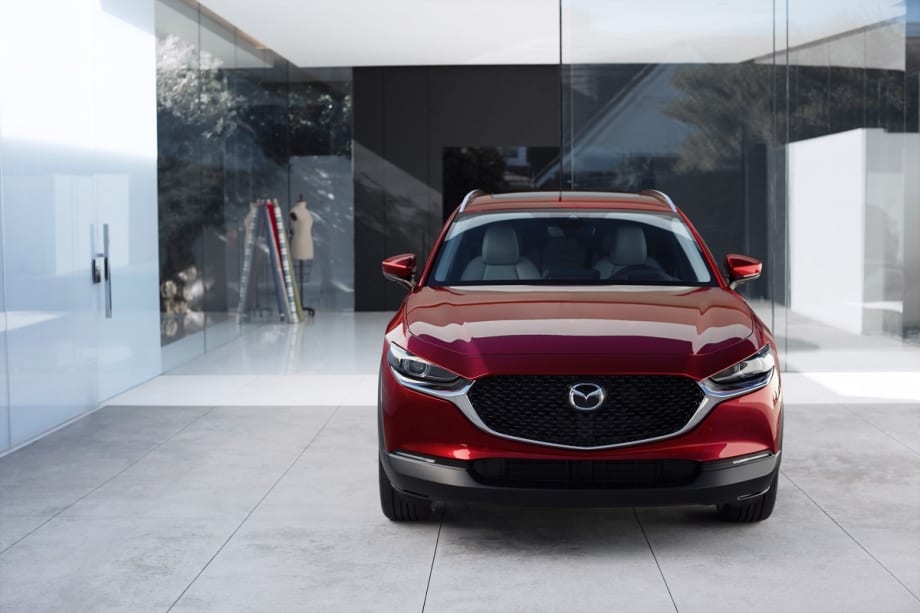
All 2023 CX-30 models have added safety features, such as rear side airbags and a shin pad to front and rear door trims, to comply with the IIHS’ newest safety protocols.
Photo: Mazda
1 min to read
Mazda North American Operations has announced the pricing and packaging for the 2023 CX-30. Compared to the previous model year, the naturally aspirated Skyactiv-G 2.5-liter four-cylinder engine for 2023 will have an increase of five horsepower and two mpg in each of the EPA estimated figures of city, highway, and combined.
The naturally aspirated engine, which is now capable of 191 horsepower and has an updated cylinder-deactivation technology, will provide up to an EPA estimated rating of 26 mpg in the city, 33 mpg on the highway, and 29 mpg combined. The 2023 CX-30 will continue to feature standard i-Activ all-wheel drive.
The recipient of an Insurance Institute for Highway Safety (IIHS) Top Safety Pick+ award the previous model year, all 2023 CX-30 models have been updated to comply with IIHS’ newest safety protocols. These enhancements include the addition of rear side airbags, rear seat belt pre-tensioners, B- and C-pillar improvements, and a shin pad to front and rear door trims.
Here are the Manufacturer’s Suggested Retail Prices for the 2023 Mazda CX-30:
CX-30 2.5 S: $22,950
CX-30 2.5 S Select: $25,400
CX-30 2.5 S Preferred: $28,220
CX-30 2.5 S Carbon Edition: $29,290
CX-30 2.5 S Premium: $31,060
CX-30 2.5 Turbo Premium: $33,800
CX-30 2.5 Turbo Premium Plus: $35,400
More Vehicle Research
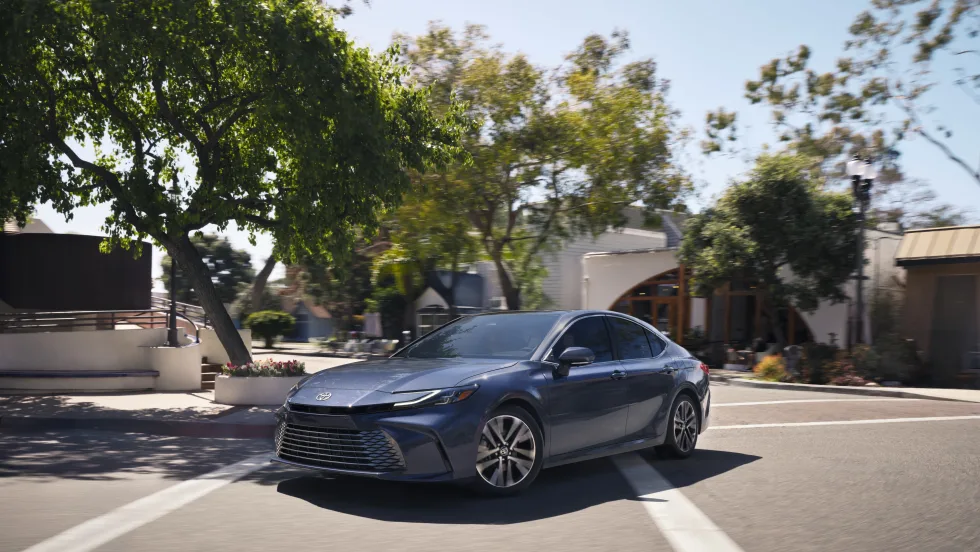
2027 Toyota Camry Offers Hybrid Powertrain Across Five Grades
The 2027 Toyota Camry is a carryover with new pricing.
Read More →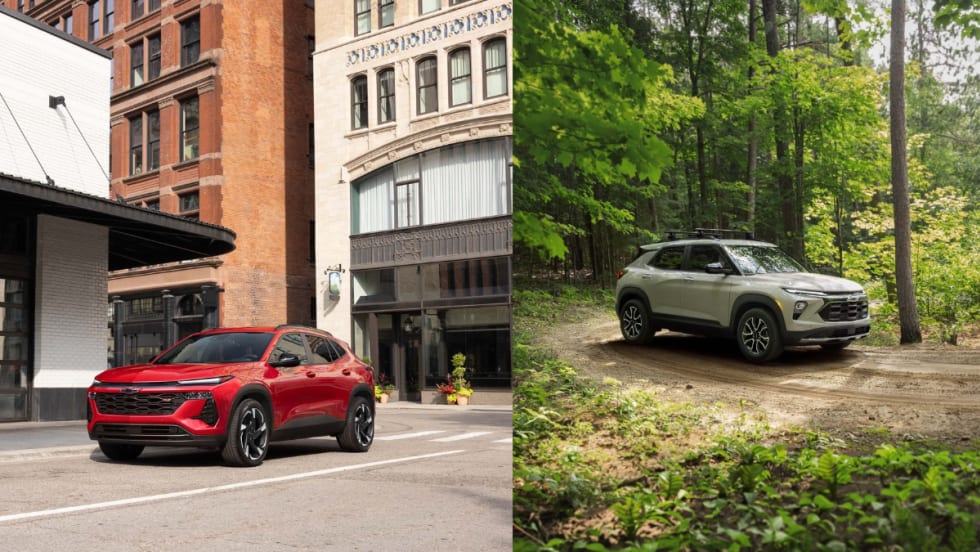
Chevrolet Updates 2027 Trax and Trailblazer with More Standard Safety Features
Chevrolet is updating two of its smallest SUVs with added driver-assistance technology, redesigned interiors, and revised trim options. The changes could add more safety equipment as standard for commercial fleets, while a new Trailblazer configuration adds another all-wheel-drive option.
Read More →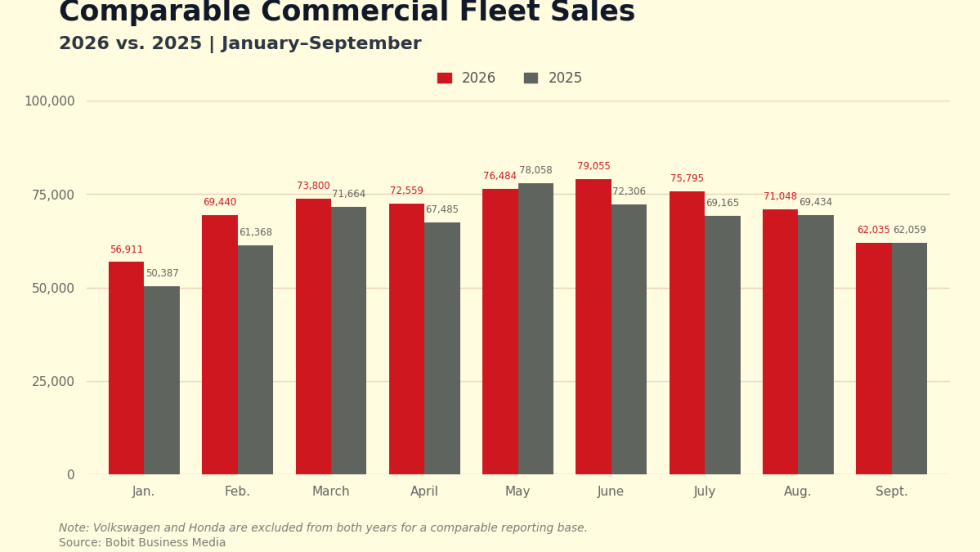
Commercial Fleet Sales Rise 5.8% Through September 2026
September commercial fleet sales were essentially unchanged from a year earlier, slowing year-to-date growth while keeping volume ahead of 2025.
Read More →
Hall of Fame Inductee: John Dmochowsky
The longtime Mondelēz International fleet executive joins the Automotive Fleet Hall of Fame.
Read More →
Hall of Fame Inductee: Lee Miller
After more than four decades at Boehringer Ingelheim, Lee Miller leaves a legacy built on fleet expertise.
Read More →
Hall of Fame Inductee: Mark F. Petersen
From managing fleets of thousands of vehicles to advancing safety and mentoring fellow professionals, Mark F. Petersen made his mark across both the corporate and supplier sides of fleet.
Read More →
When Charger Downtime Becomes a Fleet Availability Problem
As EV deployments move beyond pilot programs, charger reliability can directly affect vehicle readiness, driver productivity and route scheduling.
Read More →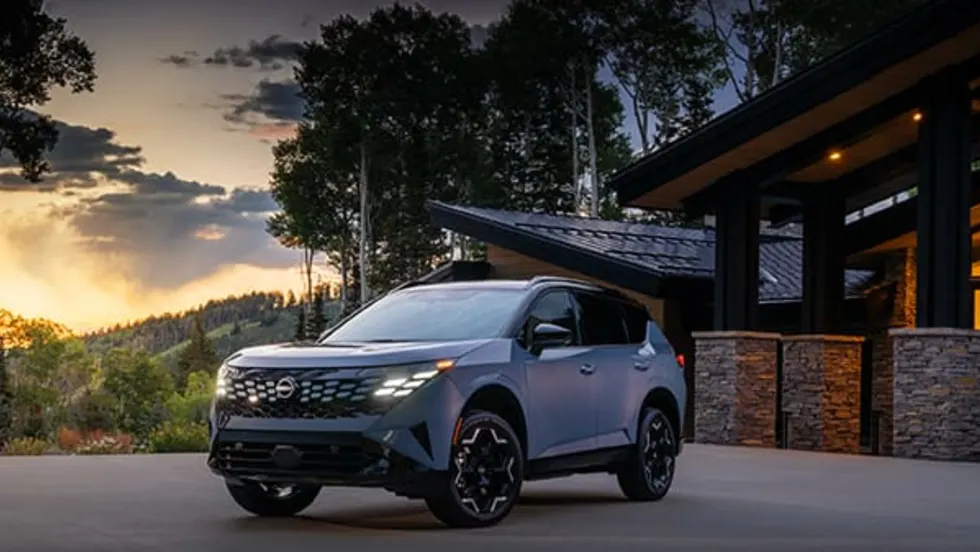
2027 Nissan Rogue Hybrid Adds e-POWER, Standard AWD
The new Rogue Hybrid uses Nissan’s e-POWER system with dual electric motors, offers an estimated 40 mpg and starts at $35,490.
Read More →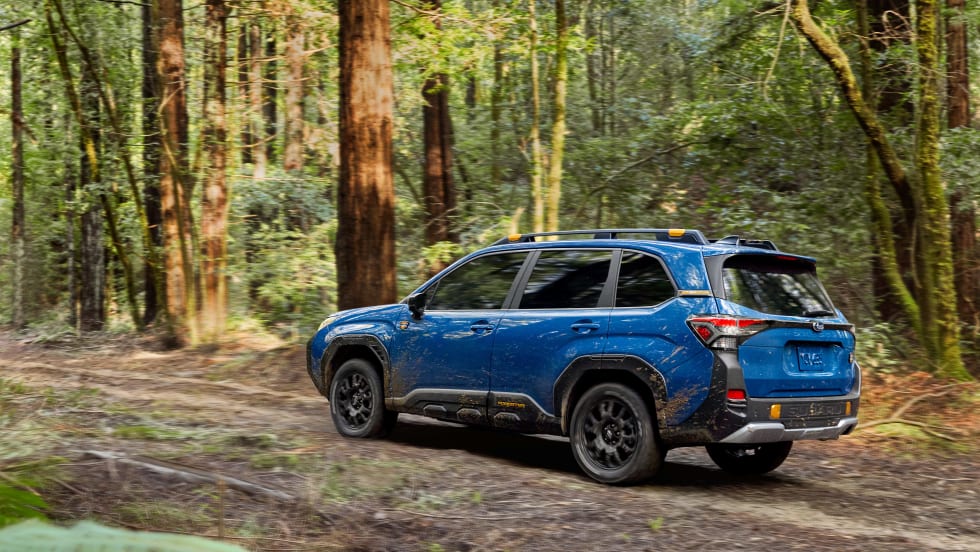
2027 Subaru Forester Adds First Wilderness Hybrid
The 2027 Forester lineup starts at $29,995 and adds a Wilderness Hybrid with 194 combined horsepower and 9.3 inches of ground clearance.
Read More →
EV Realty Names Henrik Holland President as Charging Platform Expands
The former Prologis Mobility and Shell executive will help expand EV Realty’s truck charging business and move its power-first infrastructure model into autonomous vehicle depots and other fleet sectors.
Read More →